What Is Uninsured Motorist
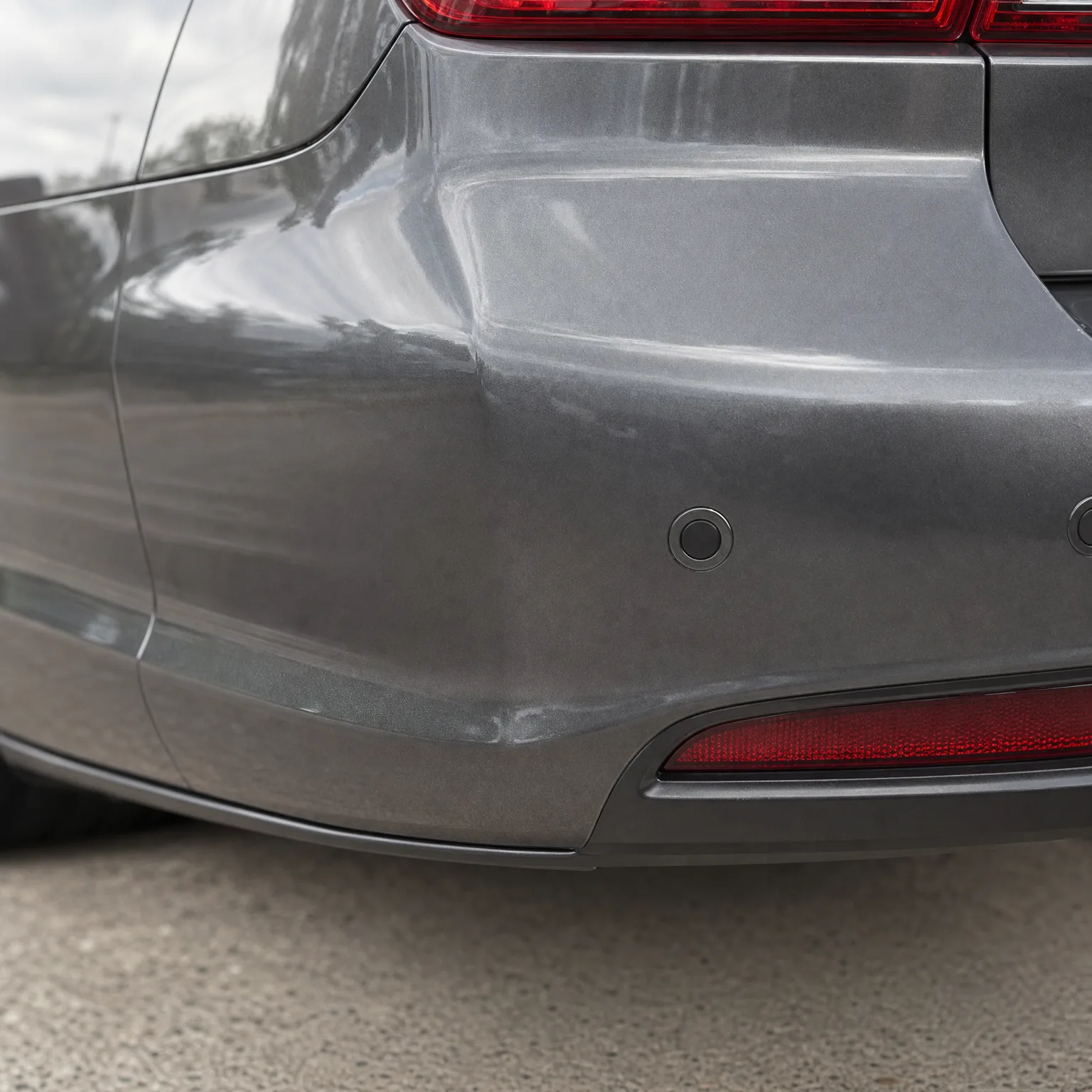
Uninsured motorist coverage pays you when the driver who hit you doesn't have insurance to cover it.
It covers you when the other driver can't pay
Uninsured motorist coverage steps in when you're hit by a driver who has no insurance at all. It pays for your medical bills and in many states your vehicle damage, up to the limits you chose when you bought the policy. Without it, you'd have to sue that driver yourself and try to collect from someone who likely has no money to give you.
Many states require insurers to offer this coverage, and some require you to carry it unless you reject it in writing. Whether you have it right now depends on what you or whoever set up your policy decided. It's worth checking your declarations page to see if it's listed.

Your state decides how it works
Some states bundle uninsured motorist coverage with underinsured motorist coverage, which pays when the other driver has insurance but not enough of it. Other states sell them separately. The names and the rules behind them aren't the same everywhere.
A few states don't require this coverage at all, and insurers there may not even offer it automatically. Other states make it mandatory unless you sign something saying you don't want it. If you've never seen this coverage mentioned on your policy, that's worth asking your insurer about directly rather than assuming you're covered.
Your state also decides whether this coverage pays for your car or only for injuries. In some places it only applies to medical costs, and you'd need separate collision coverage for vehicle damage from an uninsured driver.
What most people get wrong about it
People assume this coverage is only for the rare case of a driver with absolutely no insurance. It also often applies to hit and run accidents, where the other driver is never identified at all. If someone hits your car and leaves, this is frequently the coverage that pays.
It's also easy to assume your own insurer will fight for you the way they'd go after someone else's insurer. When you file a claim under your own uninsured motorist coverage, you're negotiating with your own insurance company about what they owe you. It helps to document the accident as carefully as you would if another insurer were involved.
Some people carry high liability limits but only the state minimum for uninsured motorist coverage, not realizing the two numbers don't have to match. You can usually raise one without raising the other, and asking your insurer what your current limit is takes just a phone call.
Questions people ask about this
Is uninsured motorist coverage required by law?
It depends on your state. Some states require insurers to offer it and require you to reject it in writing if you don't want it, while others don't require it at all. Check your state's minimum insurance requirements or ask your insurer directly.
Does uninsured motorist coverage pay for my car?
Sometimes, depending on your state and your policy. In some states this coverage only pays medical costs, and damage to your car falls under collision coverage instead. Ask your insurer which parts of a claim your uninsured motorist coverage would actually pay for.
What's the difference between uninsured and underinsured motorist coverage?
Uninsured motorist coverage applies when the other driver has no insurance at all. Underinsured motorist coverage applies when they have insurance but their limits aren't enough to cover your costs. Some states combine both into one coverage, so it's worth asking your insurer how your policy splits them.
Does uninsured motorist coverage raise my premium?
Adding or raising this coverage can change what you pay, but how much depends on your insurer and your state. The only way to know for your situation is to ask your insurer for a quote with the coverage at different limits.
Does uninsured motorist coverage cover a hit and run?
In many states, yes, because the other driver is effectively unidentified and uninsured as far as your claim is concerned. Whether this applies to your policy depends on your state and your specific coverage, so it's worth confirming with your insurer before you need it.
See what it would cost to add or raise this coverage before you decide.
Pull out your current policy's declarations page and look for a line labeled uninsured or underinsured motorist coverage. If you don't see it, or you're not sure what the limit means, call your insurer and ask them to explain what you currently have. Ask specifically whether it covers vehicle damage or only medical costs in your state. If you're close to renewal, this is a good week to ask what raising that limit would cost. Have your current policy number and your state's minimum requirements on hand before you call, since the agent will likely ask what you're comparing against.