What Is Not Covered Under Uninsured Motorist Coverage
It covers what an uninsured driver owes you for the crash. It doesn't cover your own car, your own fault, or damage no driver caused.
What this coverage leaves out
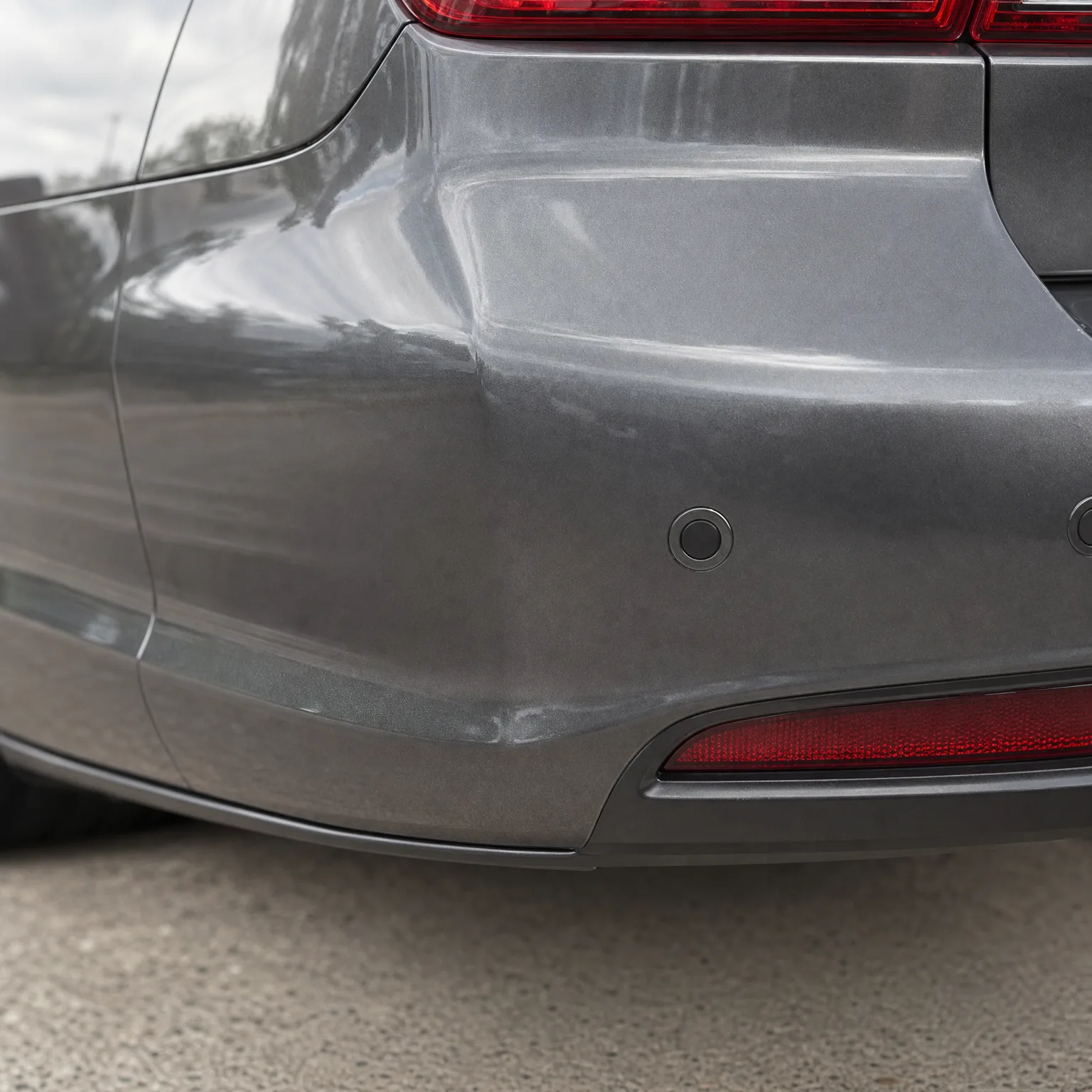
Uninsured motorist coverage pays when another driver is at fault and has no insurance to cover what they owe you. It doesn't pay for damage to your own car in most states. That's a separate coverage, usually collision, and if you don't carry it, a hit from an uninsured driver can leave your car unrepaired even though their coverage would have paid for it.
It also doesn't apply if you were at fault, or if no driver was involved at all, like a tree falling on your car or a break-in. And it doesn't extend to a driver who had some insurance but not enough. That situation has its own coverage, underinsured motorist coverage, which some states bundle with this one and some sell separately.
Whether your state treats property damage the same way
Some states include property damage in uninsured motorist coverage. Others only cover injuries, and leave vehicle damage to collision coverage entirely. This is set by the state and by how your policy is written, so it's worth checking your declarations page or asking your agent directly which one your policy does.
If your state doesn't include property damage here, and you don't carry collision coverage, a crash with an uninsured driver can mean paying for your own repairs out of pocket even though the other driver was clearly at fault. This catches people off guard because they assume the coverage works like liability coverage does for the other side.
If you're driving an older car and considering dropping collision coverage to save money, this is the tradeoff to weigh. Uninsured motorist coverage won't fill that gap in most states.
What counts as an uninsured driver in the first place
This coverage is written for a specific situation: another driver caused the crash and had no liability insurance at all. It doesn't cover hit and run claims in every state the same way, so if you're hit by a driver who flees the scene, check whether your state treats that as uninsured motorist territory or handles it differently.
It also doesn't cover a single car accident where you're the only one involved, even if you're hurt and have no other option. That falls under your own medical payments or personal injury protection coverage, if you carry it.
And it won't pay out if the other driver has insurance, even a small amount. At that point you're looking at underinsured motorist coverage instead, which pays the difference between what their policy covers and what you're actually owed. The line between the two is worth understanding before a claim, not during one.
Questions people ask about this
Does uninsured motorist coverage pay for my medical bills?
Yes, in most states it covers injuries to you and your passengers when the at-fault driver has no insurance. Some states also let it cover you as a pedestrian or cyclist hit by an uninsured driver. Check your policy or ask your insurer whether it applies beyond just occupants of your car.
Is uninsured motorist coverage required by law?
This depends entirely on the state. Some require it, some require insurers to offer it and let you decline in writing, and some don't address it at all. Your state's insurance department or your agent can tell you which rule applies where you live.
Does uninsured motorist coverage cover a stolen car?
No. A stolen car is handled under comprehensive coverage, not uninsured motorist coverage, since there's no at-fault driver involved in a theft. The two coverages apply to different situations entirely.
What happens if the uninsured driver has no assets either?
Your uninsured motorist coverage still pays according to your policy limits regardless of whether the other driver could ever pay you back themselves. That's the point of carrying it. Your insurer may then try to recover costs from the other driver, but that doesn't affect your payout.
Can my insurer raise my rate after an uninsured motorist claim?
This varies by insurer and by state. Because the crash wasn't your fault, many insurers won't treat it the same way as an at-fault claim, but rules differ. Ask your insurer directly how they handle it before you file.
If you're unsure what your policy actually covers, it's worth comparing how other insurers write this coverage.
Pull out your declarations page and find the uninsured motorist section specifically, not just your liability limits. See whether it lists property damage or only bodily injury, since that single line determines whether a crash with an uninsured driver leaves your own car uncovered. If you're not sure how to read it, call your agent this week and ask them to walk through it with you. Ask directly whether your state requires this coverage or whether you signed a waiver declining it. If you're shopping for a new policy, ask each insurer the same question so you can compare like for like instead of assuming the coverage works the same everywhere.