Uninsured Motorist Property Damage Coverage
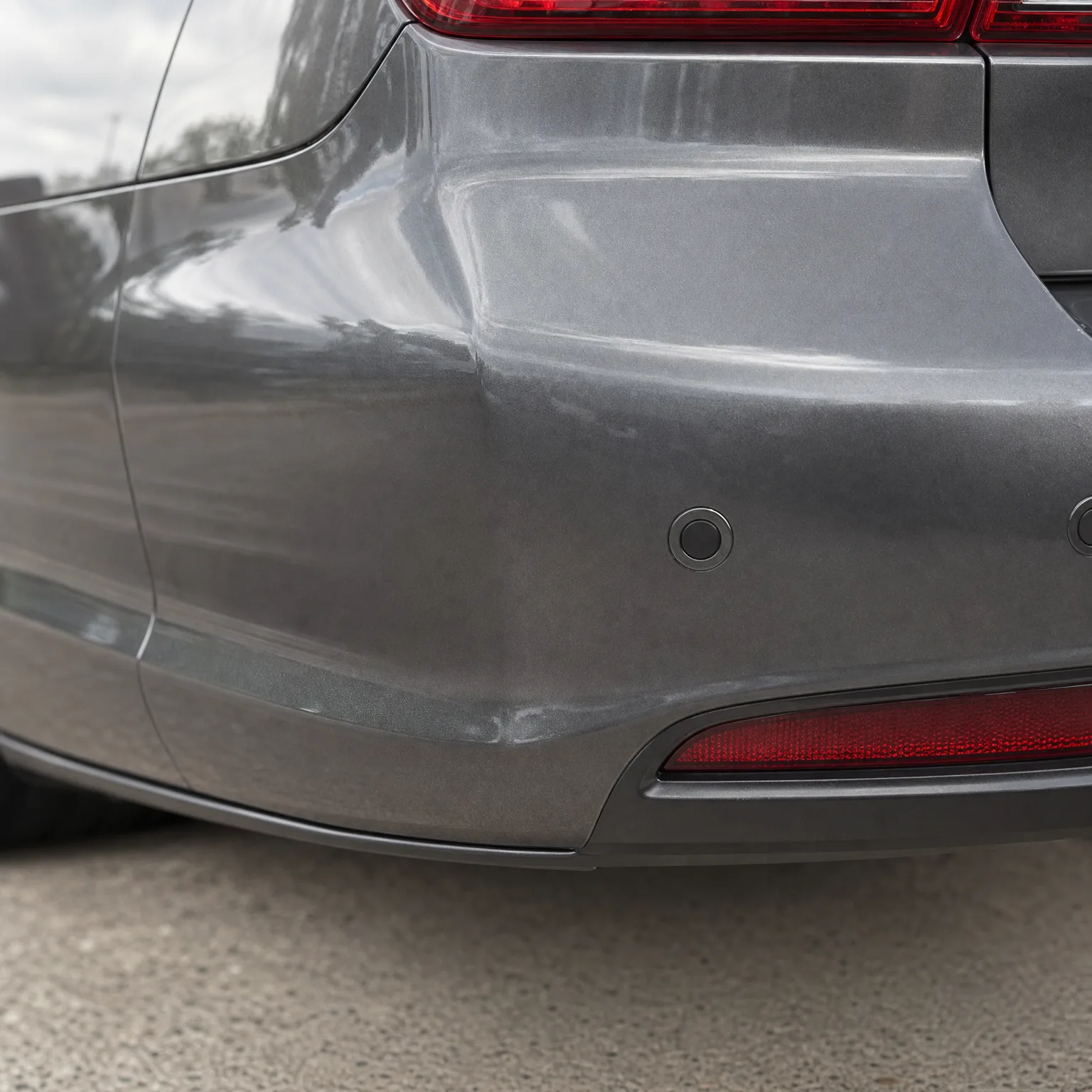
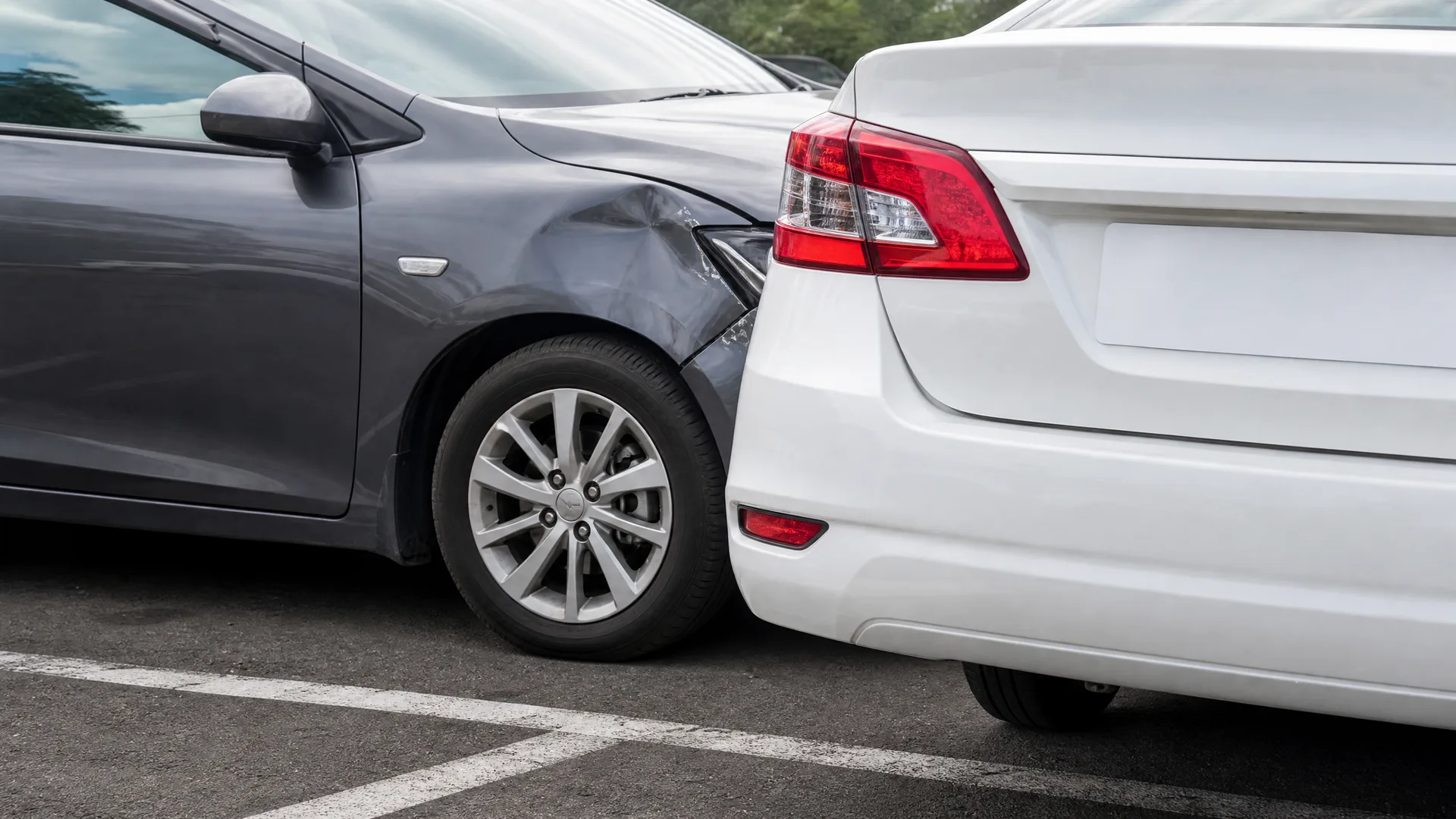
Uninsured motorist property damage coverage pays to fix or replace your car when the driver who hit it has no insurance of their own.
What this coverage pays for
Covers
- Repairs after a hit-and-run If the other driver is identified as uninsured, or they fled the scene and can't be found, this coverage can step in to pay for your car's damage.
- Damage from an uninsured driver When the driver at fault has no liability insurance at all, this pays for your vehicle instead of leaving you to cover it yourself.
- Your car, not theirs The payment is for repairing or replacing your own vehicle, since the other driver has no policy to pay for it.
- A rental car while yours is fixed Some policies include a daily allowance for a replacement car during repairs, though this depends on how the policy is written.
- Diminished value in some cases If your car is worth less after the accident even once repaired, some policies will account for that loss, though this varies.
Doesn't cover
- A driver who has insurance If the other driver carries any liability coverage, their policy is supposed to pay for your damage instead, even if their limits are low.
- Damage to the other car This coverage only pays for your vehicle. It has nothing to do with repairing the other driver's car.
- Your own injuries Medical costs from the crash are handled by other coverages, like medical payments or uninsured motorist bodily injury, not this one.
- Hitting a deer or an object Collisions with animals, trees or guardrails aren't about an uninsured driver at all. Collision coverage handles those.
- Weather or theft damage Hail, flooding, fire or a stolen car fall under comprehensive coverage, not this one, since there's no other driver involved.
Worth having if you'd struggle to pay for repairs out of pocket
The honest answer depends on what your car is worth and what you could absorb from savings without much strain. If you're driving an older car that's paid off and wouldn't cost much to replace, this coverage matters less than it would for a newer vehicle.
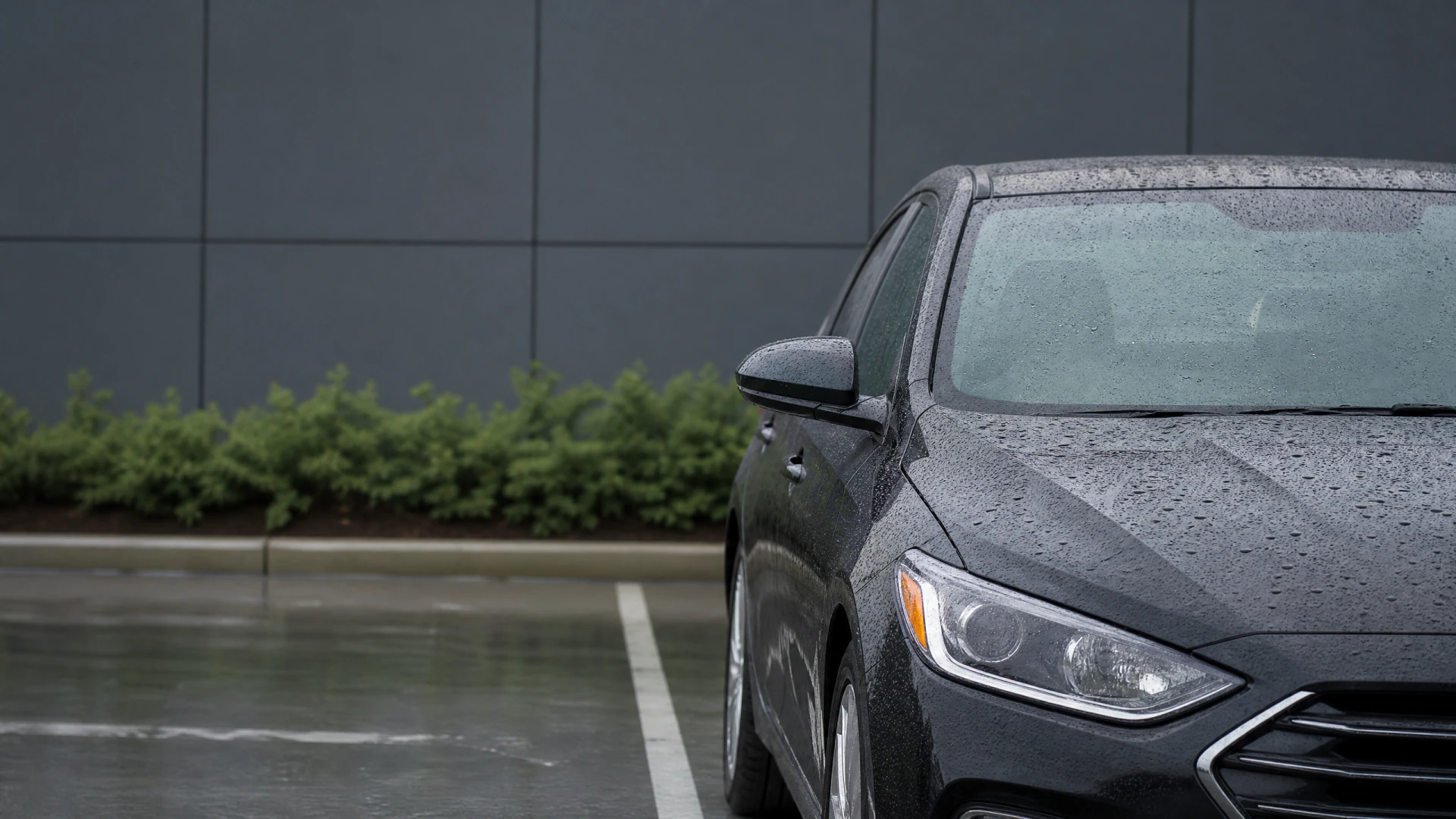
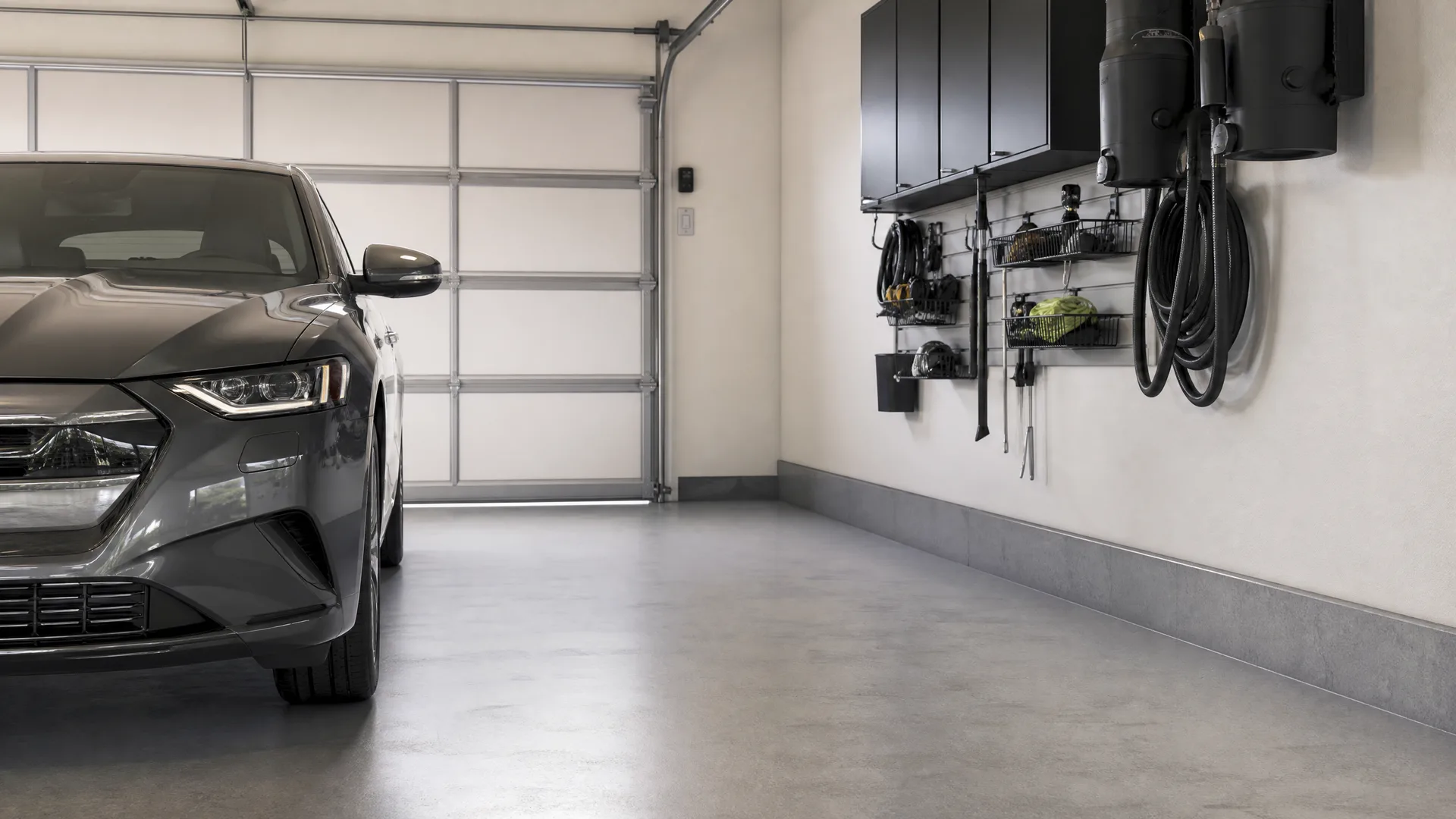
How much you drive and where the car spends its time also plays into it. Someone who drives daily on busy roads faces more exposure than someone who mostly parks in a garage and drives occasionally. If your car sits most of the week, the odds of needing this drop along with the premium you're paying for it.
A lot of older drivers have carried this coverage for decades without ever needing it, which can make it feel like dead weight on the policy. But the one time it matters is exactly the time you'd rather not be arguing with an uninsured driver about who pays for your bumper or your transmission.
If you already carry collision coverage, there's real overlap here. Collision pays for your car regardless of who caused the accident, so this coverage mostly saves you the deductible and the hassle of filing under your own collision coverage. That's worth something, but it's worth checking what you're actually paying for that convenience.

What happens when you use it
A deductible usually applies, and it may be different from your collision deductible depending on how the policy is set up. You'll want to know which one applies before you ever need to file a claim, since it affects how much you'd owe out of pocket.
The claim itself starts like any other. You report the accident, describe what happened and who was involved, and the insurer investigates to confirm the other driver had no coverage. If it was a hit-and-run, a police report matters here since it documents that someone else was at fault even though they can't be identified.
Once the claim is approved, the payment covers repairing or replacing your vehicle, minus your deductible. It won't cover your medical bills, the other driver's car, or anything beyond your own vehicle's damage.
Having photos of the damage, the other driver's information if you got any of it, and a police report ready will make the process faster. Without a police report, especially in a hit-and-run, the claim can take longer to sort out.
Often confused with collision coverage
Uninsured Motorist Property Damage
This pays for your car specifically when the at-fault driver has no insurance. It typically comes with a lower deductible and is meant to fill a gap left by someone else's missing coverage.
Collision Coverage
This pays for your car regardless of who caused the accident, whether it was an uninsured driver, a deer, or your own mistake. It applies more broadly but usually carries a higher deductible.
If you already have collision coverage, you may not need both, but if you don't carry collision, this coverage is worth keeping as your only protection against uninsured drivers.
Real situations
You're stopped at a light and another driver rear-ends you. They admit they let their insurance lapse last month.
This coverage applies, since the other driver has no policy to pay for your damage.
A hailstorm hits while your car is parked at church and dents the hood and roof.
This doesn't pay, since no other driver was involved. That falls under comprehensive coverage.
A driver clips your car in a parking lot and leaves without stopping, and no one saw who it was.
This usually applies to hit-and-run damage, since the at-fault driver can't be identified and is treated as uninsured.
Now that you know whether this coverage fits your car and your driving, compare quotes with that decision already settled.
Questions people ask about this
Do I need this if I already have full coverage?
It depends on what's included in what you're calling full coverage. Many policies bundle collision and comprehensive together and call it full coverage, but that doesn't automatically include protection against uninsured drivers. Check your declarations page for this coverage by name to see if it's already there.
What if the other driver has some insurance but not enough?
That situation usually falls under a different coverage, often called underinsured motorist property damage, which is a close cousin to this one. It pays the gap between what their policy covers and what your repairs actually cost. Check whether your policy includes both, since they're often sold together but aren't always identical.
Can the other driver's insurance company come after me later?
No, this coverage doesn't create any obligation for you to repay anyone. It's a payment from your own insurer, not a loan. The insurer may try to recover costs from the uninsured driver directly, but that doesn't involve you.
Does filing this kind of claim raise my rates?
It can, since insurers vary in how they treat claims that weren't your fault. Some treat uninsured motorist claims more leniently than at-fault accidents, but this isn't universal. It's worth asking your agent directly how your policy handles it before you file.
Is this coverage required by law?
Whether it's required, optional, or even offered at all varies by state. Some states require insurers to offer it and let you decline in writing, while others don't address it at all. Check your policy or ask your agent what applies where you live.