Uninsured Motorist Coverage for Seniors
Uninsured motorist coverage pays for your injuries and sometimes your car when the at-fault driver has no insurance or not enough of it.
What this coverage pays for
Covers
- Your medical bills If the other driver has no insurance, this picks up what their liability coverage would have paid toward your treatment and recovery.
- Lost income If you're still working or missed paid time because of the crash, this can cover wages you lost while you healed.
- Pain and suffering Unlike many coverages, this can include a payment for the injury itself, not just the bills it caused.
- Hit-and-run crashes When the other driver flees and can't be identified, this often steps in as if they'd been found and had no insurance.
- Underinsured drivers If the at-fault driver has coverage but not enough to pay your full claim, this can cover the difference.
- A passenger in your car Someone riding with you who gets hurt in the same crash is usually covered under your policy too.
Doesn't cover
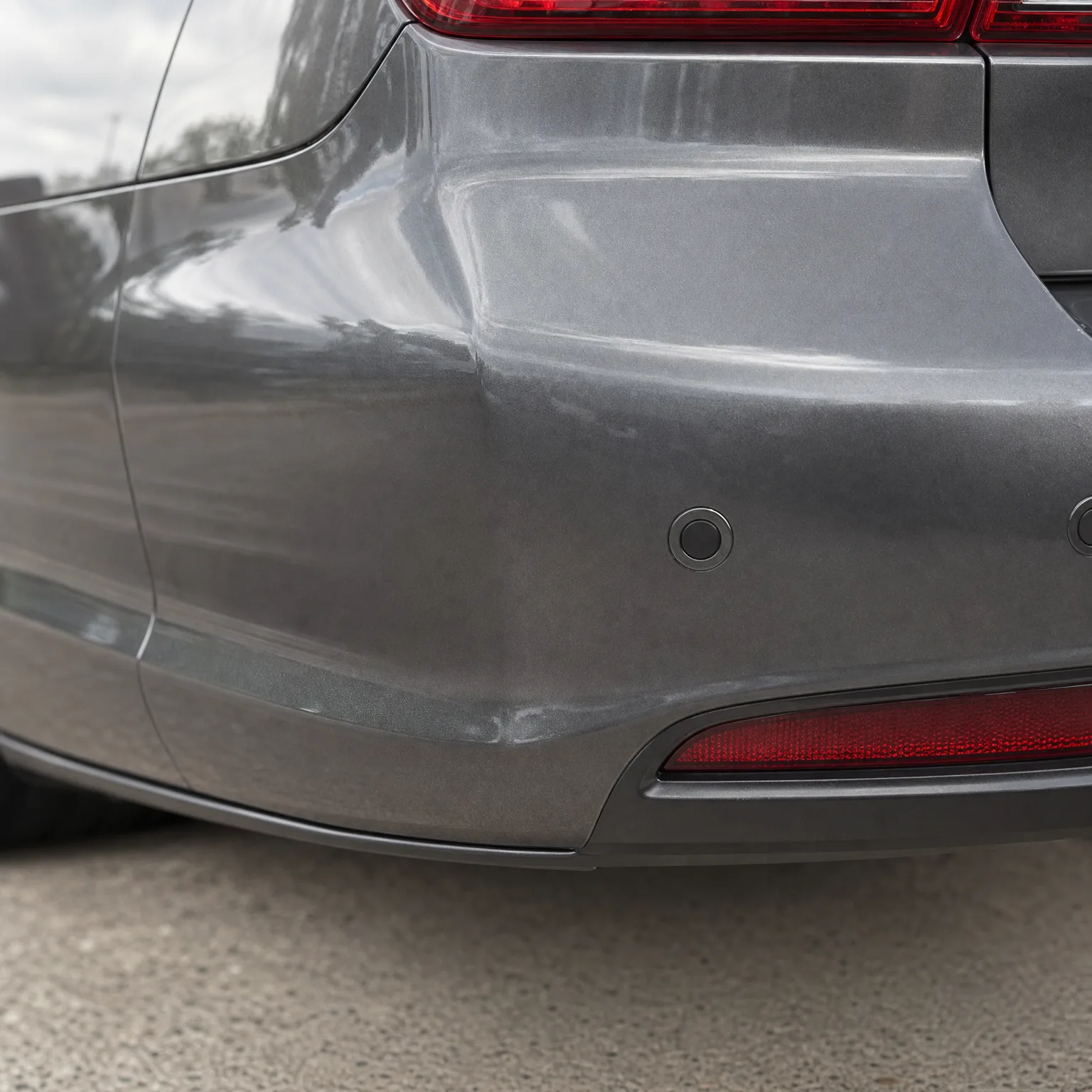
- Damage to your own car In most states this coverage is about injuries, not vehicle damage. Collision coverage is what pays to fix or replace your car.
- Your own fault accidents This only applies when another driver caused the crash and lacked enough insurance. If you're at fault, your liability coverage is what responds.
- Normal wear or mechanical failure A breakdown or worn part isn't a crash with another driver, so there's nothing for this coverage to respond to.
- Property damage in every state Some states include a property damage version of this coverage and some don't. Check your own policy to see if your car is included.
- An accident with an insured driver If the other driver has adequate coverage, their insurance handles the claim and this coverage never comes into play.
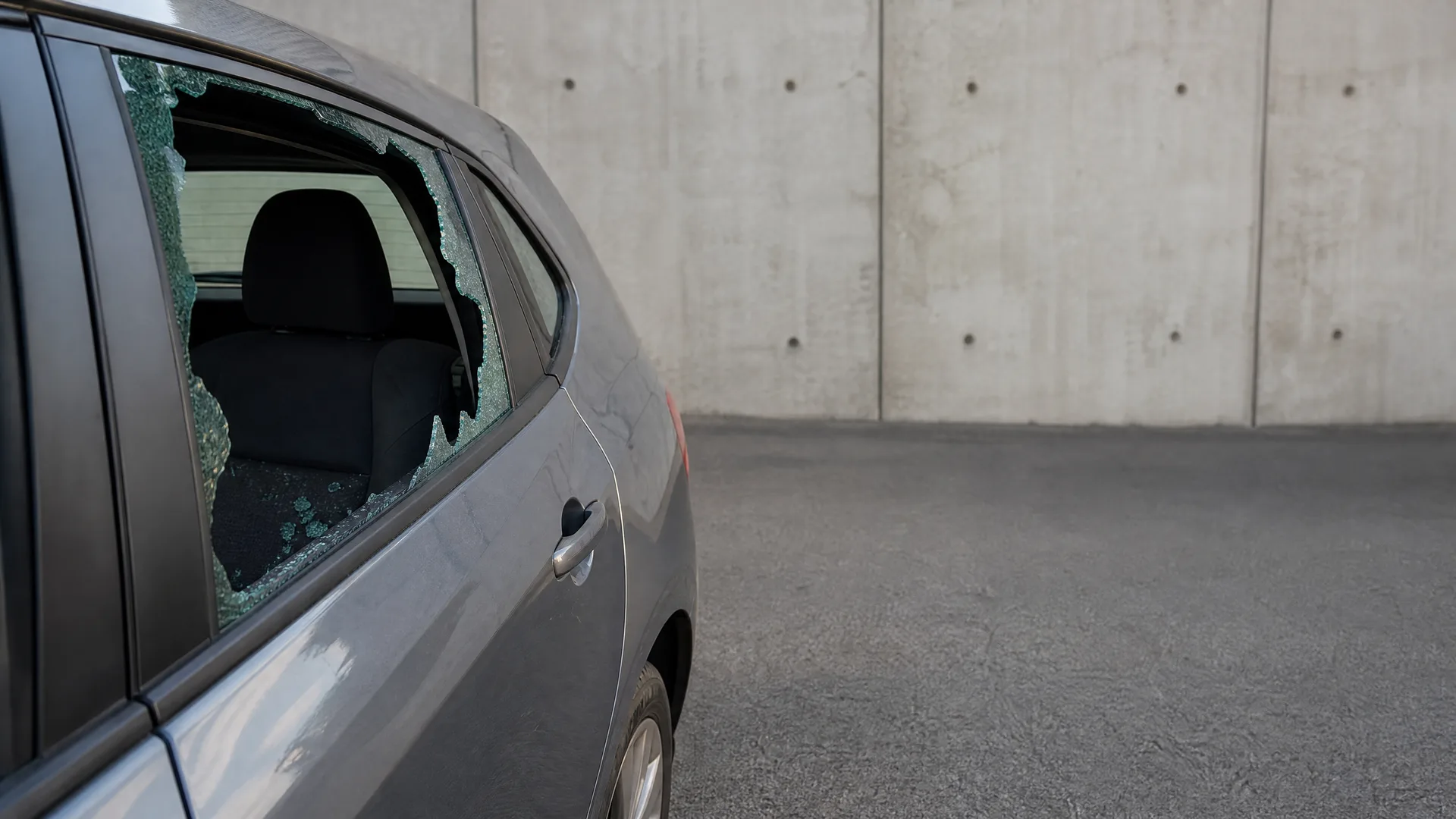
- Injuries from a non-driving incident A fall in a parking lot or a theft from your car isn't a collision with an uninsured driver, so other parts of your policy apply instead.
For most older drivers, this is worth keeping
The cost of this coverage is usually modest compared to what it protects, which is you, not your car. A broken hip or a long recovery costs far more than most people expect, and your health insurance may leave gaps this fills.
Think about how much of a loss you could absorb from savings without changing your plans. Many people in their sixties and beyond are living on fixed income, and an unexpected medical bill from someone else's mistake can do real damage even with Medicare or a supplement in place.
How much you drive and where the car sits matters too. A driver who still commutes or runs errands daily has more exposure than someone who takes the car out once a week. A car kept in a garage in a quiet area carries less risk than one parked on the street in a busier place.
Whether the car is paid off doesn't change the case for this coverage much, since it's about your body, not the vehicle's value. Even someone driving an older, inexpensive car still has the same stake in staying covered if another driver is the one who hits them.
How a claim actually works
Many policies apply a deductible to the property side of this coverage, if your state includes one, but not to the medical and injury side. You pay out of pocket up to that deductible when it applies, and the coverage picks up the rest.
You report the crash to your own insurer, even though you weren't at fault, because the other driver has no coverage to draw on. Your insurer investigates, confirms the other driver was uninsured or underinsured, and evaluates your injuries and losses the way any injury claim is evaluated.
The payment covers your medical treatment, lost income, and the injury itself, up to the limits you chose when you bought the policy. It doesn't make you whole beyond those limits, so a severe injury can still leave a gap if your limits are low.
Have the police report, your medical records, and any proof of lost income ready. If the other driver was never identified, documentation of the hit-and-run itself, like the police report and any witnesses, becomes especially important.
Uninsured motorist coverage vs. medical payments coverage
Uninsured motorist coverage
This pays when another driver caused the crash and had no insurance or not enough. It can cover medical bills, lost income, and pain and suffering, and it applies regardless of who's at fault for a hit-and-run.
Medical payments coverage
This pays your medical bills after a crash no matter who caused it, including if you were at fault. It usually doesn't cover lost income or pain and suffering, and the limits tend to be smaller.
If you want broader protection against other people's mistakes, lean toward uninsured motorist coverage, and think of medical payments coverage as a smaller, faster-paying supplement to it.
Real situations
You're stopped at a light and a driver without insurance rear-ends you, leaving you with a sore neck and a trip to the doctor.
This pays, since the other driver was at fault and had no insurance to cover your injury.
A deer runs into the road at dusk on a county highway and you hit it, damaging the front of your car.
This doesn't pay, since there's no other driver involved. Comprehensive coverage is what applies here.
Another driver sideswipes your car in a parking lot and drives off before you can get a license plate.
This pays, since most policies treat an unidentified hit-and-run driver as uninsured.
Now that you know whether this coverage still fits your situation, compare quotes with that limit already decided.
Questions people ask about this
How much uninsured motorist coverage should I carry?
Most people choose a limit close to their liability coverage, since a serious injury can easily exceed a low limit. Think about what you could cover from savings if this coverage fell short, and raise your limit if that number worries you. Check your policy to see your current limit before deciding.
Does uninsured motorist coverage raise my rate if I use it?
It can, but less often than an at-fault claim does, since you weren't the one who caused the crash. Some states limit how much insurers can raise rates after a claim that wasn't your fault. Ask your agent how your insurer treats these claims specifically.
Can I stack uninsured motorist coverage across multiple cars?
In some states yes, which lets you combine the limits from each vehicle on your policy into one larger amount for a claim. This varies by state and sometimes by insurer, so check your policy or ask your agent whether stacking applies to you. If it's available, it can meaningfully raise your protection at a small added cost.
What happens if the uninsured driver is found later?
Your insurer may pursue reimbursement from that driver through a process called subrogation, separate from your claim. You typically don't need to do anything for this to happen. If money is recovered, it usually goes back to your insurer rather than to you, since they already paid your claim.
Do I need uninsured motorist coverage if I have good health insurance?
You might still want it, since health insurance doesn't cover lost income or pain and suffering the way this coverage can. Even strong health coverage can leave gaps from copays, deductibles, or treatment it doesn't fully cover. Weigh what your health plan actually pays before deciding this coverage is unnecessary.