Uninsured Motorist Coverage When Grandkids Borrow Your Car
Uninsured motorist coverage pays for injuries and sometimes damage when the other driver at fault has no insurance or not enough, and it follows your car even when your grandchild is behind the wheel.
What it pays for
Covers
- Medical bills from the other driver If the at-fault driver carries no insurance, this coverage pays for injuries to your grandchild and any other passengers in your car.
- Underinsured driver gap If the other driver has insurance but not enough to cover the harm they caused, this coverage can pay the difference.
- Hit and run injuries When the other driver flees and can't be identified, this coverage can step in as if they had been insured.
- Lost wages and pain claims Depending on how your policy is written, this coverage can cover more than medical bills, including time missed from work or school.
- Coverage follows the car Because the policy is tied to the vehicle, a grandchild driving with your permission is generally covered the same way you would be.
Doesn't cover
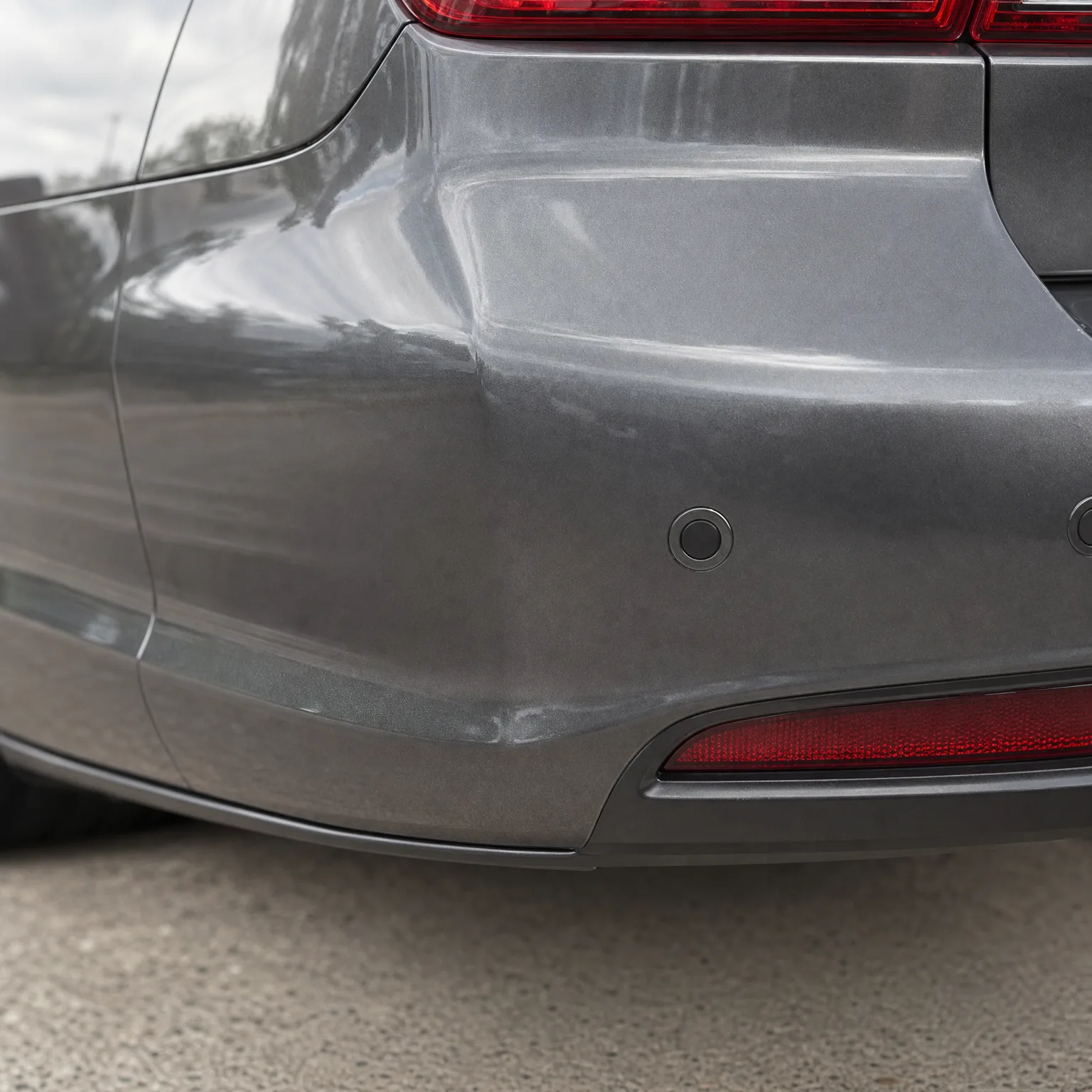
- Damage to your own car Fixing or replacing your vehicle after a crash with an uninsured driver is a job for collision coverage, not this one.
- Your grandchild's at-fault crash If your grandchild causes the accident, this coverage doesn't apply, since it only responds when the other driver is uninsured or underinsured.
- Mechanical trouble or wear This coverage only responds to an accident caused by another driver, not to a breakdown or anything related to the car's upkeep.
- Property damage in every state Whether this coverage extends to damage to your car, and not just injuries, varies by state, so check your own policy to see how yours is written.
- Injuries you cause to others If you or your grandchild hits someone else, that's liability coverage, which protects other people from harm you cause, not the reverse.
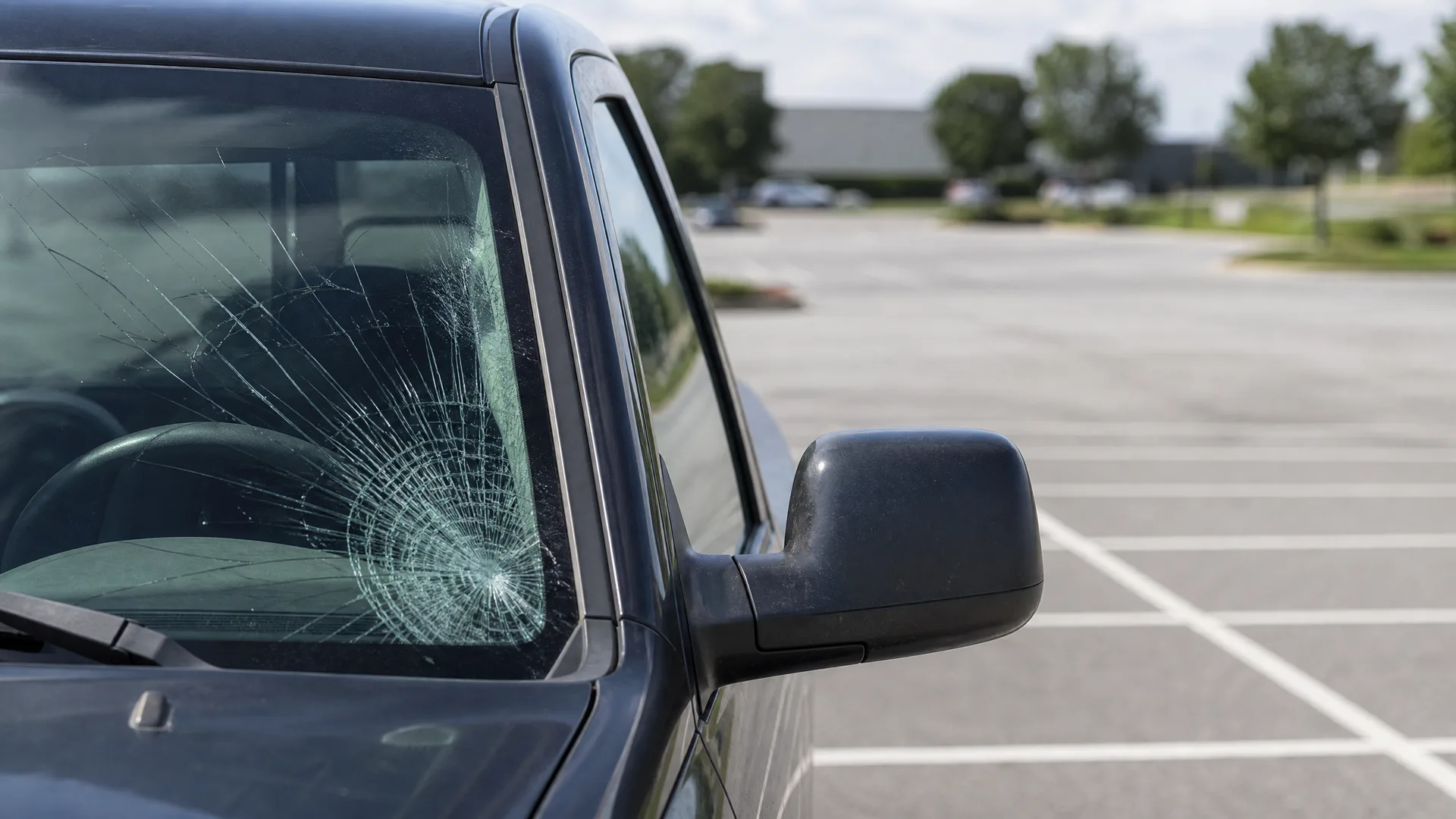
Worth keeping for almost everyone who lets family drive their car
This coverage protects people, not the car, which changes how you should think about it compared to collision or comprehensive. Even if your car is older and nearly paid off, a serious injury to a grandchild in an accident with an uninsured driver can cost far more than the car is worth, and this is the coverage that responds. Dropping it to save a little each month rarely matches the size of the risk it covers. How much you drive and where the car usually sits matters less here than it does for other coverages, since the risk comes from encountering an uninsured driver, and that can happen on a short trip to the grocery store as easily as on the highway. What matters more is whether you have grandchildren, or anyone else, riding in the car regularly, because the more people who ride with you, the more this coverage has to protect. If your household could absorb a major medical bill from savings without real hardship, you might weigh dropping it, but most people at this stage of life find that's not a comfortable bet to make with someone else's child in the car.
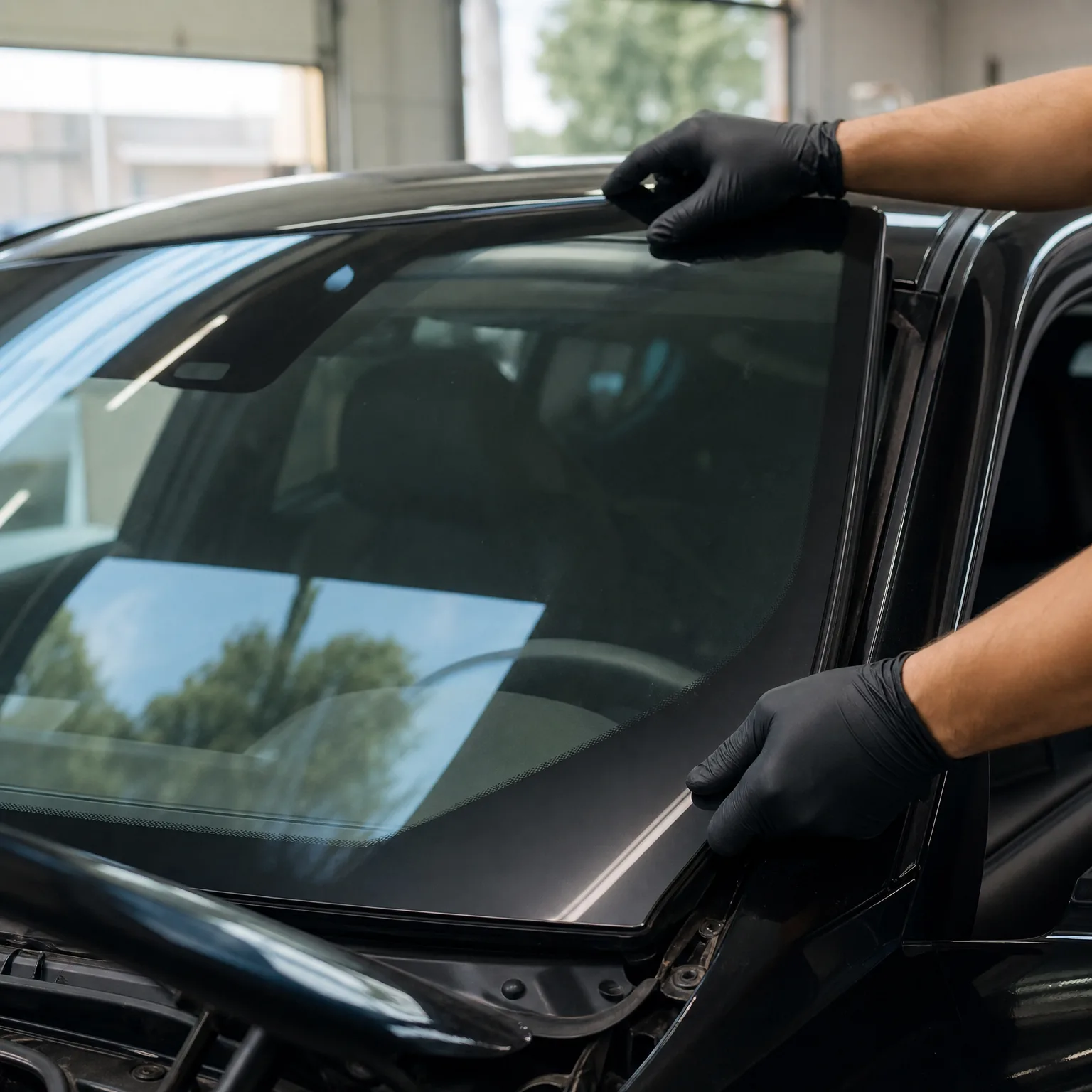
How a claim actually goes
A claim usually starts with a police report and a call to your insurer to open the claim, same as any accident. Your insurer investigates who was at fault and confirms the other driver had no insurance or not enough, which can take some back and forth, especially if the other driver disputes fault or can't be reached. Depending on your policy, you may have a deductible that applies before payment starts, and that deductible is separate from any deductible on your collision coverage. Have the police report, medical bills, and any details about the other driver ready, since those are what move the claim along. The payment is meant to cover medical costs and related losses for the people in your car, not to repair the vehicle itself, so don't expect it to also handle a bent fender.
Often confused with collision coverage
Uninsured motorist coverage
This pays for injuries to you and your passengers when the other driver is uninsured, underinsured, or fled the scene. It's about people, and depending on your state and policy, it may also cover some vehicle damage.
Collision coverage
This pays to repair or replace your own car after an accident, regardless of who caused it. It doesn't touch medical bills at all, and it comes with its own separate deductible.
If you regularly have grandchildren or other family riding with you, lean toward keeping uninsured motorist coverage even if you trim collision coverage on an older car.
Real situations
Your grandchild borrows your car to run an errand and gets rear-ended by a driver who turns out to have no insurance.
This coverage pays for your grandchild's injuries since the other driver was uninsured.
A hailstorm damages your car while it's parked outside your grandchild's school during pickup.
This coverage doesn't pay here, since no other driver was involved; comprehensive coverage handles weather damage.
Driving home at dusk on a county road, your grandchild swerves to avoid a deer and hits a guardrail instead.
This coverage doesn't pay, since there was no at-fault driver involved; this is a job for collision coverage.
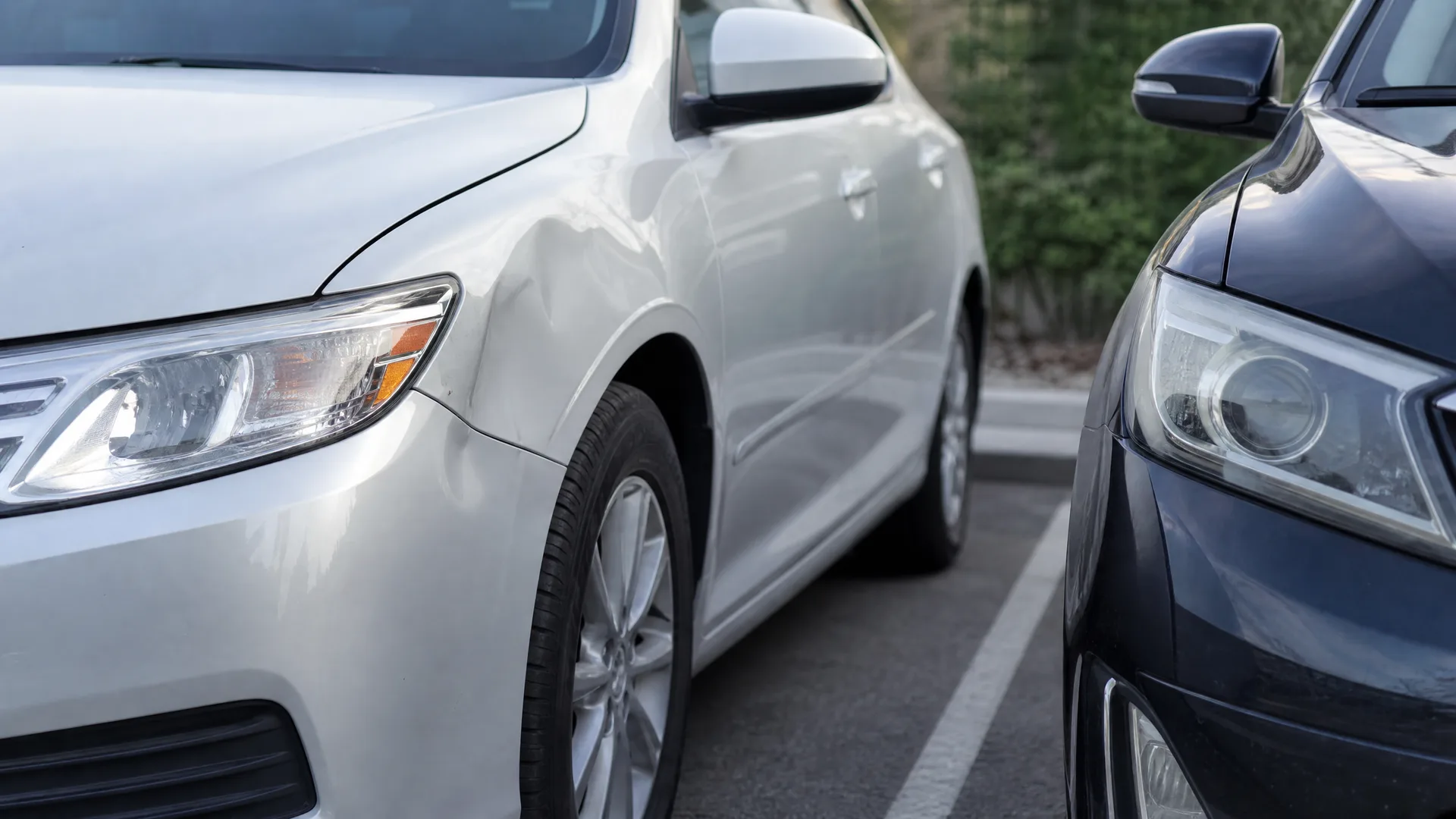
Once you've decided how much protection you want for the people riding in your car, compare quotes with that figure already in mind.
Questions people ask about this
Does uninsured motorist coverage follow the driver or the car?
It generally follows the car first, which is why a grandchild driving with your permission is typically covered under your policy. Some policies also extend protection to you personally when you're a passenger or pedestrian in someone else's vehicle. The exact wording varies by policy, so it's worth checking yours directly.
Can my insurance company raise my rates if my grandchild causes an accident?
It's possible, since the accident is tied to your policy regardless of who was driving. Whether and how much rates increase depends on your insurer's own rules and your claims history. Ask your agent how an accident involving an occasional driver is treated before it happens, not after.
Do I need to add my grandchild to my policy if they drive occasionally?
Often not, if they're borrowing the car only occasionally and with permission, since most policies cover permitted drivers automatically. Regular or frequent use is a different matter, and insurers may ask that a regular driver be listed. Check with your insurer about where the line falls between occasional and regular use.
What happens if the uninsured driver who hit us has no money either?
That's the point of this coverage, since it steps in specifically because the at-fault driver can't pay. You're not left waiting on a judgment against someone with no assets or income. Your own insurer pays according to your policy's terms, then may pursue the other driver separately.
Is uninsured motorist coverage required by law?
That depends on where you live, since some places require it and others only require insurers to offer it. Check your own policy or state's requirements to see how it applies to you. Even where it's optional, many people choose to keep it given how common uninsured drivers are.