Uninsured Motorist Coverage in a Retirement Community
Uninsured motorist coverage pays for your injuries and sometimes your car when the other driver has no insurance or not enough of it.
What this coverage pays for
Covers
- Your medical bills If the other driver has no insurance, this steps in to cover your treatment instead of leaving you to pay it yourself.
- Lost income from the crash If the injury keeps you from working or from the activities that stand in for work at this stage of life, this can cover that loss.
- A hit and run driver When the other car never stops, there's no insurance to collect from, so this coverage treats it like an uninsured driver hit you.
- An underinsured driver Some policies include this version, which pays the gap when the other driver has insurance but not nearly enough to cover what happened.
- Passengers riding with you Anyone in your car when an uninsured driver hits you is usually covered under the same part of your policy.
- Damage to your car, in some states Where this exists, it depends on your state and your policy, so check whether your version includes property damage or only injuries.
Doesn't cover
- Damage you cause to someone else That's liability coverage, the part of your policy that pays other people when you're at fault, not this one.
- Your own car in a crash you caused That falls under collision coverage, which pays for your car regardless of who's at fault.
- A tree branch or hailstorm Weather and falling objects are handled by comprehensive coverage, not uninsured motorist coverage.
- Mechanical breakdown A failed transmission or dead battery isn't a collision with another driver, so this coverage has nothing to do with it.
- Theft of the car A stolen vehicle is a comprehensive claim, separate from whether another driver was insured.
Worth keeping for almost everyone, worth raising if you can
This is one of the few coverages that's genuinely hard to argue against at any age. It protects you from someone else's bad decision not to carry insurance, and you have no control over that decision no matter how carefully you drive.
What matters more than your age is what a serious injury would cost you if the other driver had nothing. Medical costs from a real crash can outpace what many people could absorb from savings, and recovery takes longer later in life, which means more lost time and more care along the way.
How much you drive still matters, even if it's less than it used to be. Fewer miles means fewer chances to be hit by an uninsured driver, but it doesn't take many miles for one bad encounter to matter, especially on roads where you already notice more pickup trucks with expired tags than you'd like.
Where the car sits overnight and how it's titled matters less here than for other coverages. This isn't about protecting the car's value, it's about protecting you and the people who ride with you, which is why it tends to stay worth paying for even once a car is old enough that you've dropped collision coverage on it.
How a claim actually goes
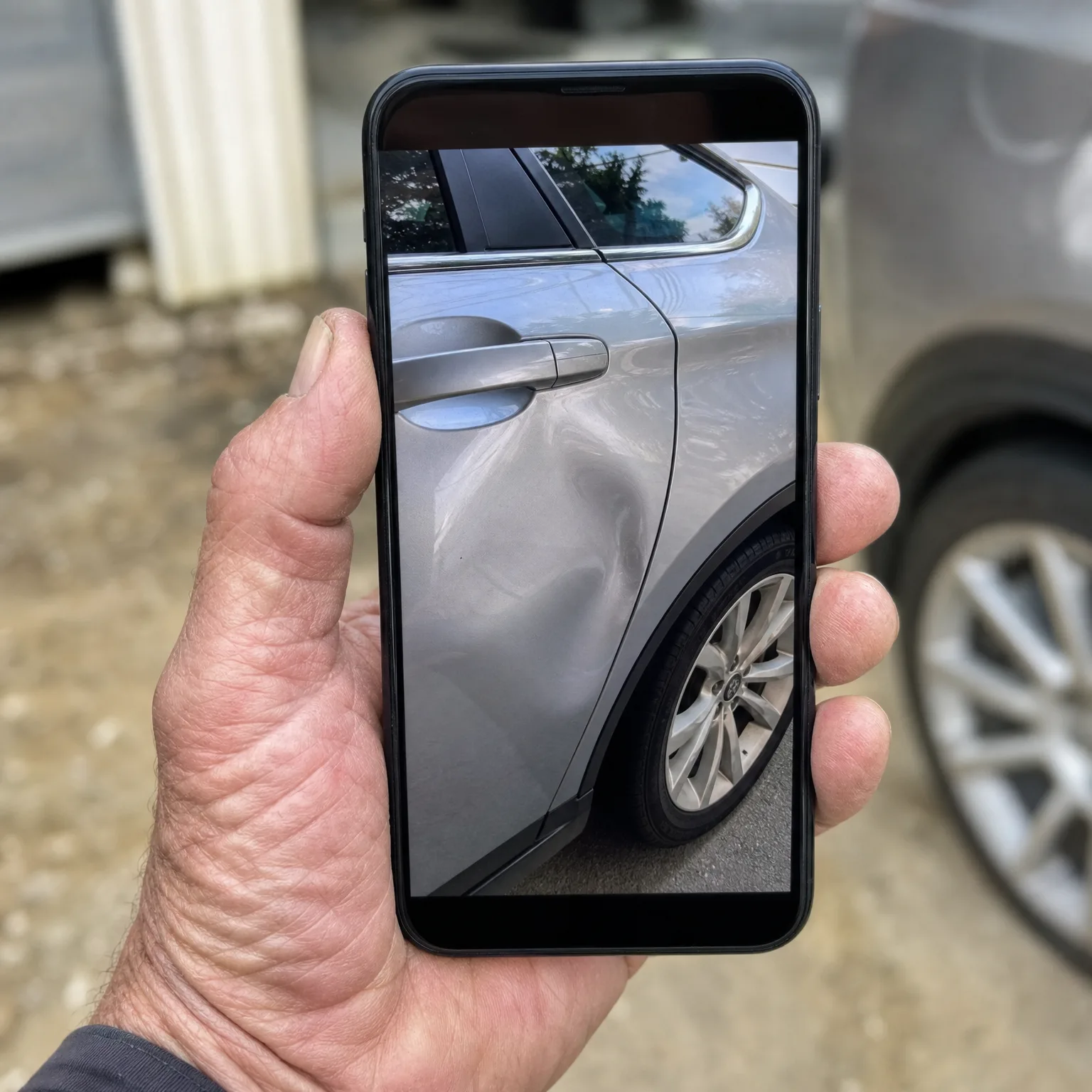
You report the crash to your own insurer, the same as any claim, and they investigate whether the other driver was uninsured or underinsured. If there's a deductible on the property damage portion, you pay that part first and the insurer covers the rest, though many policies don't apply a deductible to the medical or injury portion at all.
The insurer will want the police report, any medical records tied to the crash, and documentation of lost income if you're claiming that. Because there's no other insurer to negotiate with, your own company is the one deciding what your claim is worth, which is why it helps to have your own records rather than relying on memory.
The payout covers medical treatment, lost income, and property damage where that's included, up to the limits you chose when you bought the policy. It doesn't cover pain and suffering beyond what your state and policy allow, and it doesn't make you whole for a car that was already worth very little before the crash.
Uninsured motorist coverage vs. collision coverage
Uninsured motorist coverage
This pays when another driver who has no insurance, or not enough, causes the crash. It covers your injuries and, depending on your policy, damage to your car.
Collision coverage
This pays for damage to your own car in a crash, no matter who caused it, including if you hit a fence post or another driver was at fault and well insured. It only covers the car, not injuries.
If you're deciding between the two, keep both where you can, since one protects your body and the other protects your car, and they're answering different questions entirely.
Real situations
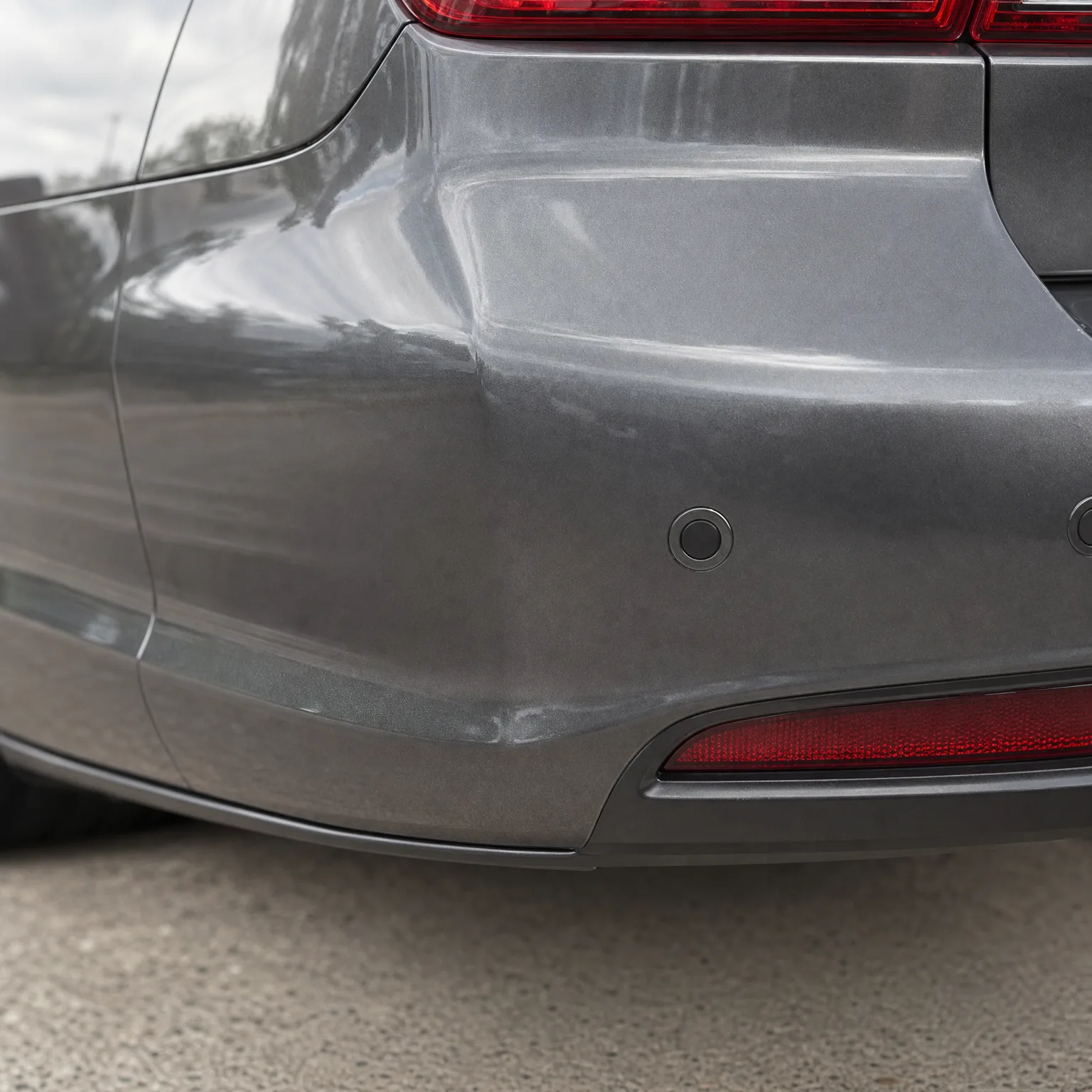
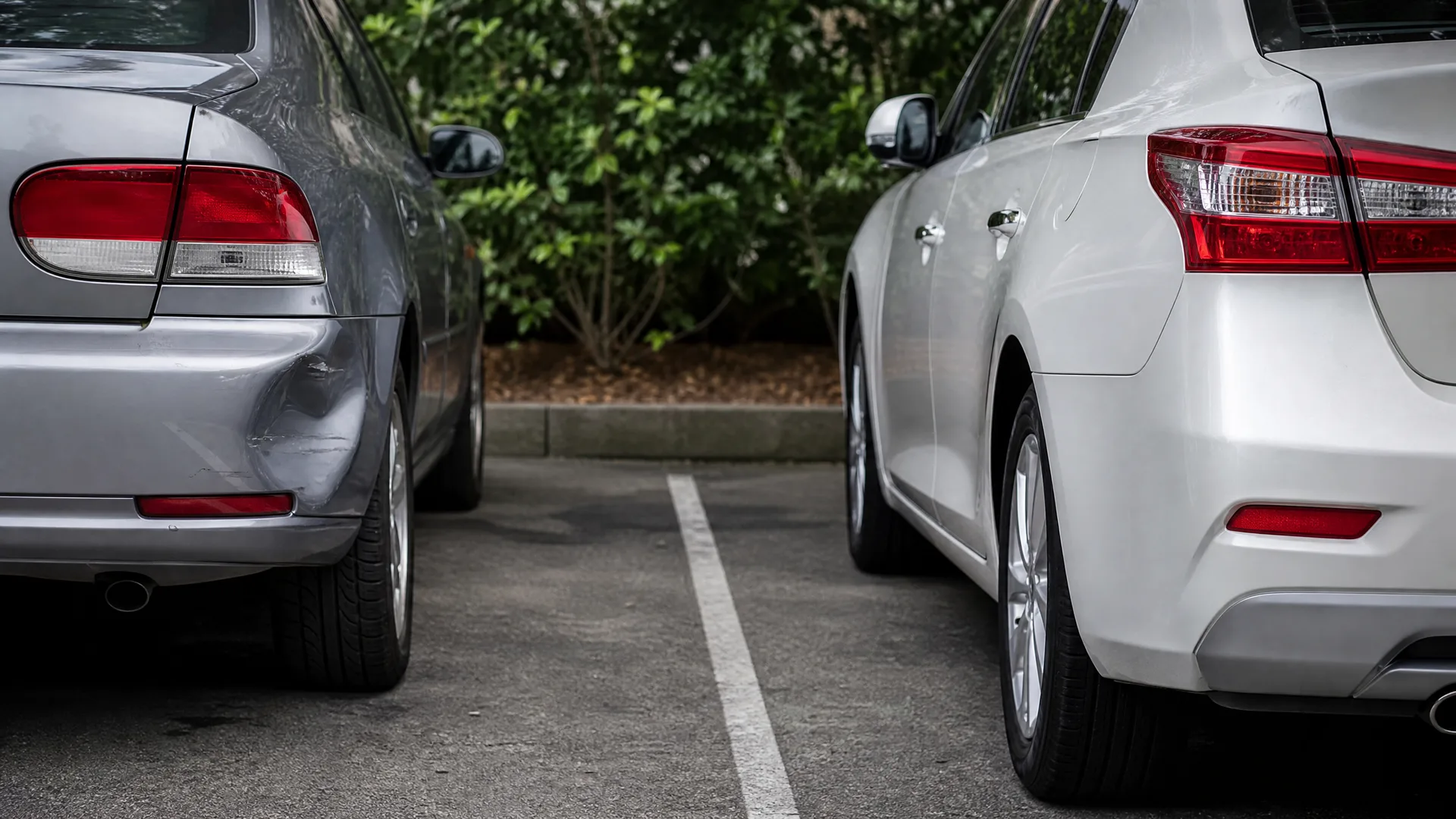
You're stopped at a light and a driver without insurance rear ends you, leaving you with a sore neck and a dented bumper.
This coverage pays for your injury and, if your policy includes it, the bumper damage, since the other driver has nothing to collect from.
A deer runs into the road at dusk and you can't avoid it, totaling your car.
This doesn't pay, since there's no other driver involved. Comprehensive coverage is what handles animal strikes.
Hail damages your car while it's parked outside church on a Sunday morning.
This doesn't pay either, since no driver was involved at all. That's a comprehensive claim, not an uninsured motorist one.
Once you know whether you want this coverage and roughly how much, compare quotes with that limit already in mind so you're not guessing at it on the phone.
Questions people ask about this
Do I need uninsured motorist coverage if I have health insurance?
Health insurance doesn't replace it, since it only covers medical bills and often leaves you with costs health insurance won't touch, like lost income or property damage. Health insurance also may seek reimbursement from any settlement you get, which this coverage doesn't do. Check your health plan's rules on that before assuming it has you covered.
Can my insurer drop me for filing an uninsured motorist claim?
Generally no, since this claim isn't your fault and insurers typically can't penalize you for it. Rules on this vary by state, so it's worth checking your own policy or state rules if you're worried about it. A pattern of unrelated claims is a different matter, but this type alone isn't usually treated that way.
What happens if the uninsured driver is found later and does have money?
Your insurer may have the right to recover what they paid you from that driver, a process called subrogation. If they succeed, it doesn't change what you received, it just affects who ultimately bears the cost. You're not expected to chase the other driver yourself.
Does uninsured motorist coverage follow me or my car?
It generally follows you as a named driver, meaning it can apply whether you're in your own car, a borrowed car, or even as a pedestrian hit by an uninsured driver. Whether it extends to other situations like that depends on your policy and your state, so check the specific wording rather than assuming.
Is uninsured motorist coverage required by law?
That depends entirely on your state, since some require it and others only require insurers to offer it so you can decline in writing. Check your own policy or your state's rules to see which applies to you. Even where it isn't required, most people choose to keep it.