Uninsured Motorist Coverage After Retiring
Uninsured motorist coverage pays for your injuries and sometimes your car when the at-fault driver has no insurance or not enough of it.
What this coverage actually pays for
Covers
- Your medical bills If the other driver has no insurance, this picks up your treatment costs instead of leaving you to sue someone with no money to collect from.
- Lost income after a crash If you're still working part time or running a small business, this can replace wages you lose while you recover.
- A hit-and-run driver When the other car speeds off and is never identified, this coverage treats the crash as if that unknown driver had no insurance at all.
- Underinsured gaps If the at-fault driver has coverage but not enough to pay your full bills, the underinsured portion covers the difference up to your own limit.
- A passenger in your car If someone riding with you is hurt by an uninsured driver, this coverage can pay their bills too, not just yours.
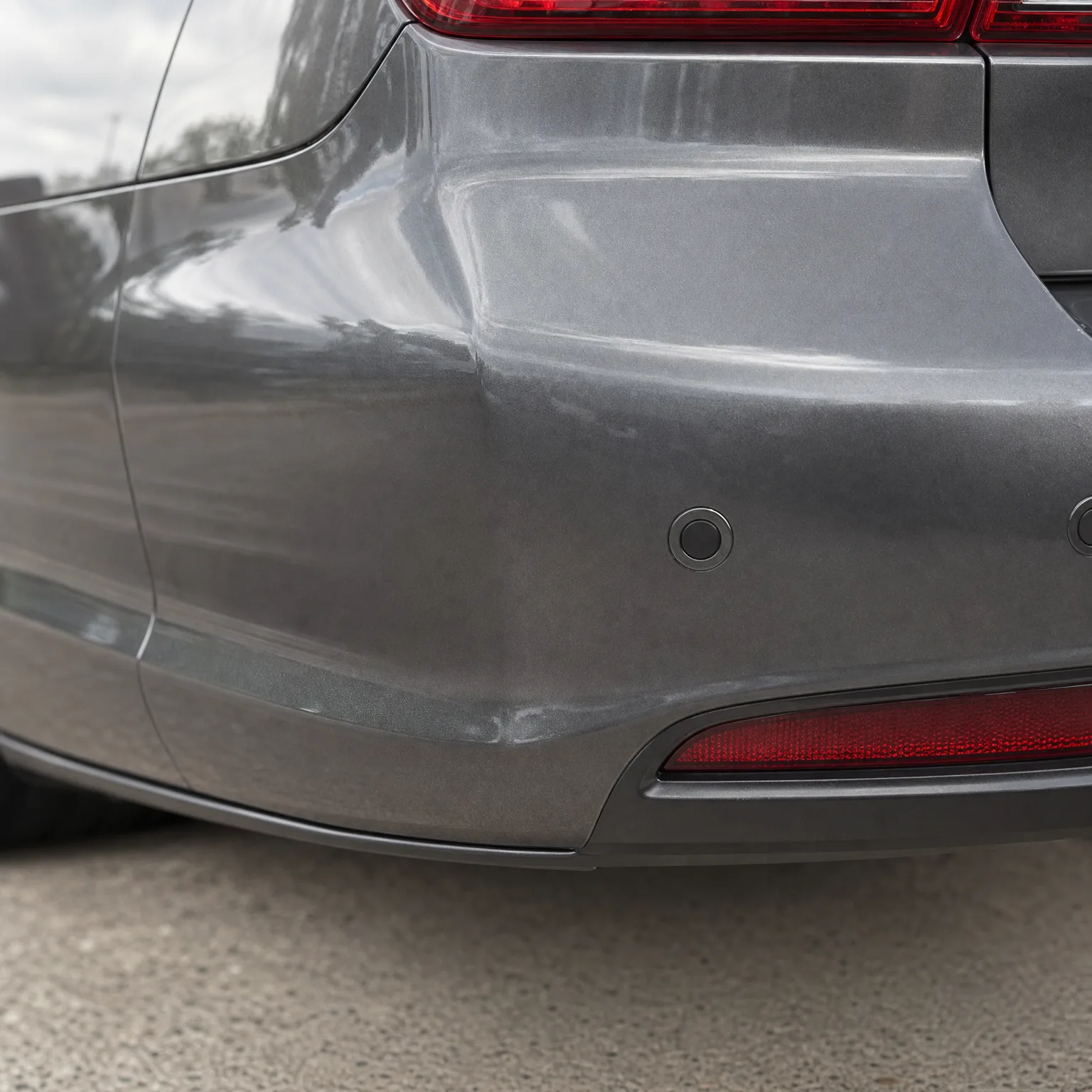
- Damage to your car, in some states Where it's offered as a property option, it can pay to repair or replace your car after a hit from an uninsured driver, separate from the bodily injury piece.
Doesn't cover
- Your own fault accidents If you caused the crash, this coverage doesn't apply at all. Your liability coverage handles what you owe the other driver.
- Routine mechanical breakdowns A dead battery or a transmission giving out has nothing to do with another driver, so nothing here pays for it.
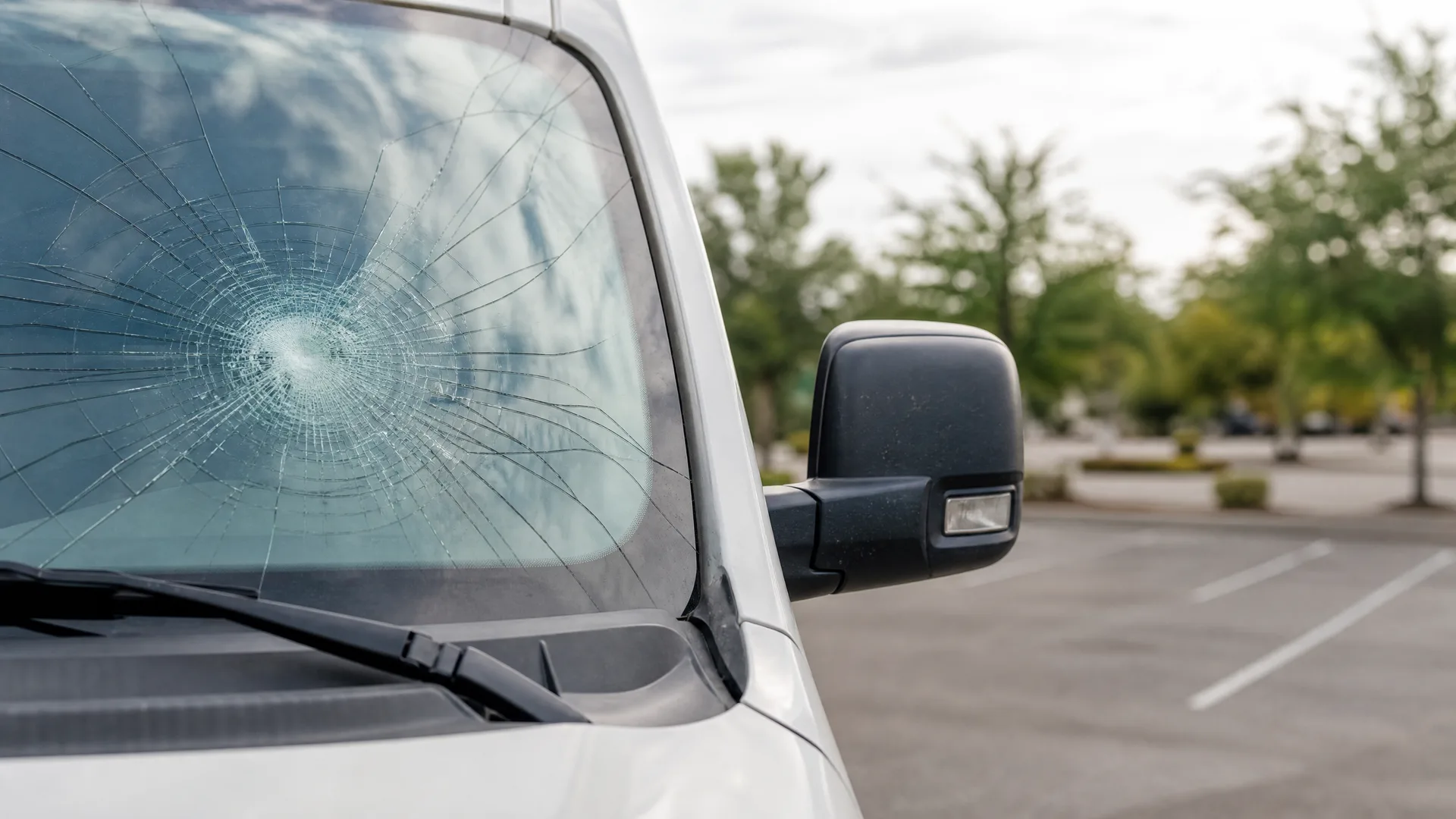
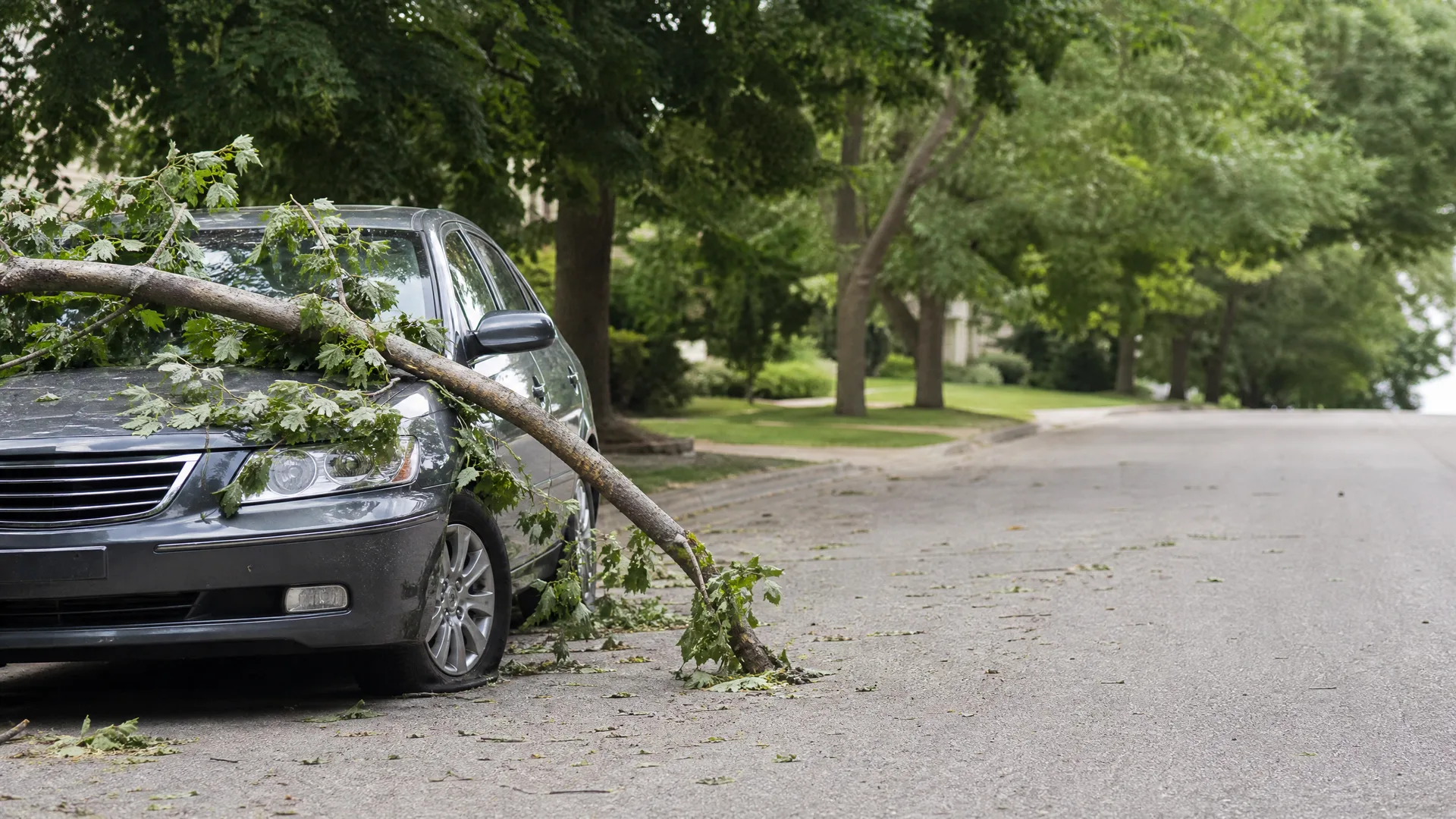
- Weather and parking lot damage Hail, falling branches, and someone backing into your parked car with no driver identified are handled by comprehensive coverage, not this one.
- Full replacement of an older car If the property damage portion applies, the payout is based on what your car was worth before the crash, not what a new one costs.
- Injuries from a named, insured driver's mistake If the other driver is identified and carries coverage that's enough to pay your claim, this coverage isn't the one that pays.
- Theft of your vehicle A stolen car is a comprehensive claim, not something an uninsured motorist policy was built to address.
For most drivers your age, this is worth keeping
Start with what your car is worth and whether it's paid off. An older car that's paid off and worth little isn't where the real risk sits, but your own body is. The injury portion of this coverage protects you no matter how old or valuable your car is, which is why dropping it rarely makes sense just because the car is older.
Think about what a serious injury claim would cost you if you had to pay it from savings instead. Medical bills after a bad crash can run far past what most retirement budgets can absorb without strain, and the whole reason this coverage exists is that the other driver often can't pay that for you.
How much you drive matters, but maybe less than you'd think. Even someone who only drives to appointments and the grocery store shares the road with the same mix of insured and uninsured drivers as anyone else. Low mileage lowers your odds of a crash, but it doesn't change what happens if one driver out there has no coverage at all.
Where the car sits overnight matters more for comprehensive coverage than for this one, since uninsured motorist coverage is about a moving car hitting you or someone hitting you, not about what happens to a parked car. Keep that distinction in mind when you're deciding where to spend less and where to spend more.
What happens when you actually use it
A deductible may apply to the property damage portion in states where that option exists, and you pay that amount before the payout covers the rest. The injury portion typically doesn't carry a separate deductible the way your collision coverage does.
To file a claim, you report the crash the same way you would any other, including a police report when the other driver has no insurance or flees the scene. Your insurer then investigates to confirm the other driver was uninsured or underinsured before paying out.
The payment covers your medical costs and lost income up to your policy limit, and it does not depend on the other driver ever being found or ever paying you back. If your own injuries or damage exceed your limit, you're responsible for the difference, which is why the limit you choose matters more than people realize until they need it.
Have your policy details, the police report, and your medical records ready, since the insurer will ask for documentation before paying. Keep records of any income you lost while you were out, since that's often the piece people forget to track.
Uninsured motorist coverage vs. collision coverage
Uninsured motorist coverage
This pays for your injuries, and in some states your car, when the driver at fault has no insurance or not enough of it. It only applies when someone else caused the crash.
Collision coverage
This pays to repair or replace your car after a crash regardless of who caused it, including if you hit a tree or another car hits you and has no insurance. It never covers your medical bills, only the vehicle.
If you want your car repaired no matter who's at fault, lean on collision; if you want your injuries covered when the other driver can't pay, that's uninsured motorist coverage.
Real situations
You're stopped at a light and a driver without insurance rear-ends you, leaving you with a sore back and a trip to urgent care.
This pays, since the other driver is confirmed uninsured and your injury is exactly what this coverage is for.
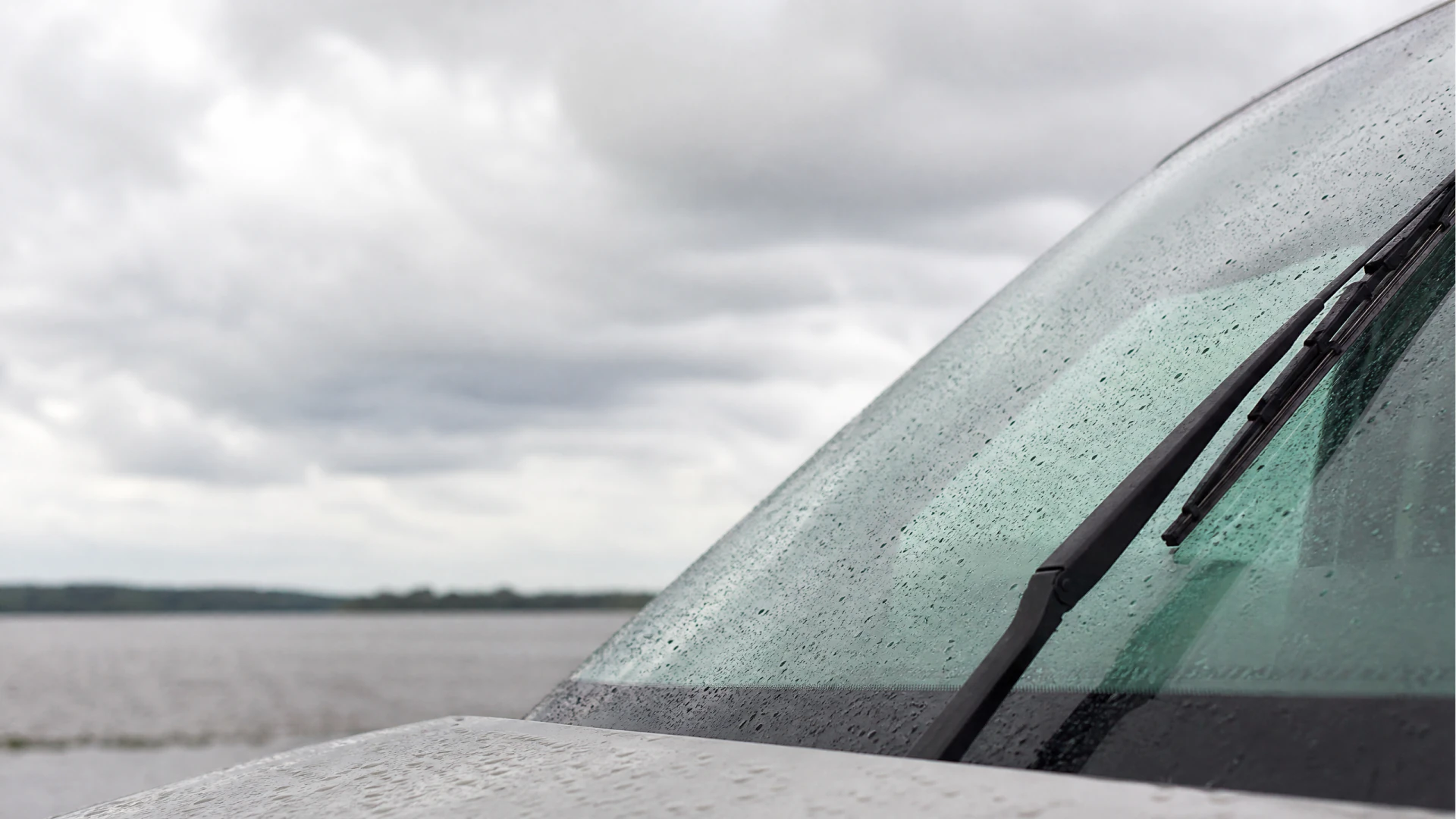
A hailstorm hits while your car is parked outside church and leaves dents across the hood and roof.
This doesn't pay, since there's no other driver involved; that's a comprehensive claim.
A deer runs into the road at dusk and you swerve into a ditch trying to avoid it, with no other car involved.
This doesn't pay, since there's no at-fault driver here either; that situation falls under comprehensive coverage.
Once you've decided how much injury protection you want if the other driver can't pay, compare quotes with that limit already in mind.
Questions people ask about this
Do I need uninsured motorist coverage if I rarely drive anymore?
Yes, in most cases, because the risk comes from other drivers, not from your own mileage. Even a short trip to the pharmacy puts you on the same roads as every other driver, insured or not. The real question is whether you could cover a serious injury claim out of pocket, and for most people the answer is no.
Can I be sued by the uninsured driver who hit me?
It's unlikely, but check your policy and state rules since this varies. Generally the uninsured driver is the one at fault and has no basis to sue you for a crash they caused. If anything, your insurer may pursue them separately to recover what it paid you.
Does my credit history affect this coverage's cost?
That depends on your state, since some allow it as a factor in pricing and others don't. Check your own policy or ask your agent directly how your rate was calculated. It's not something this coverage changes based on how you use it.
What happens if the other driver has coverage but still not enough?
That's where the underinsured portion of this coverage applies, filling the gap between what they owe and what their policy pays. You file a claim with your own insurer for the difference, up to your policy limit. Keep your medical records organized, since you'll need to show the full cost of what you're owed.
Should I drop this coverage once my car loan is paid off?
No, paying off your loan doesn't change what this coverage protects. The loan only affected whether your lender required certain coverages on the vehicle itself. This coverage is about your injuries from another driver, which has nothing to do with whether you still owe money on the car.