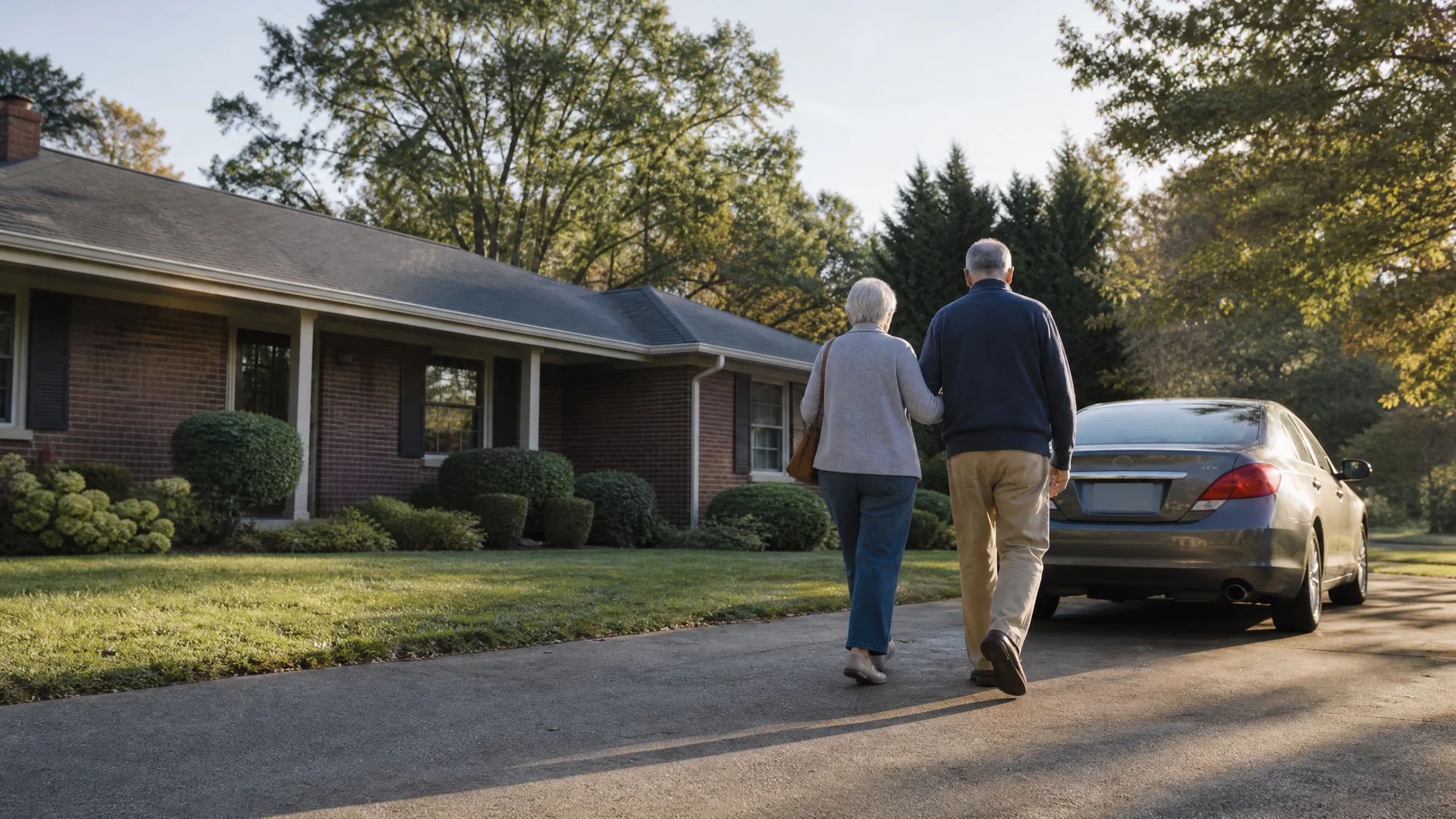
Uninsured Motorist Coverage for Seniors
The driver who hits you may not carry enough insurance to cover what happens next, and that risk is worth a second look at your age.
Free to compare
What changes at this age
Your driving record still matters more than your birthday. Insurers look at how you drive now, not just how long you've been driving.
What does shift is how much you stand to lose if another driver causes a crash and carries little or no insurance. Medical costs after a serious accident can outlast a thin policy from the other driver, and that gap is yours to cover unless your own policy fills it.
What sets your rate
Your driving record carries the most weight. A clean recent history keeps your rate where it should be, and a course certificate sent to your insurer can help, but only if you send it.
The car you drive matters too. Older, paid-off cars often cost less to insure for collision, which can free up room in your budget to raise your uninsured motorist limits instead.
Where you live and how much you drive also factor in, since both affect how likely you are to meet an underinsured driver on the road.
Where drivers overpay
The most common overpay isn't a bad rate. It's carrying the same uninsured motorist limit chosen years ago, before medical costs and vehicle repair costs rose, while high limits on other parts of the policy go untouched.
At every renewal, it's worth checking that limit against what a serious injury claim could actually cost, not just against what you paid last year.
See how your coverage against uninsured drivers compares before you renew.
Articles
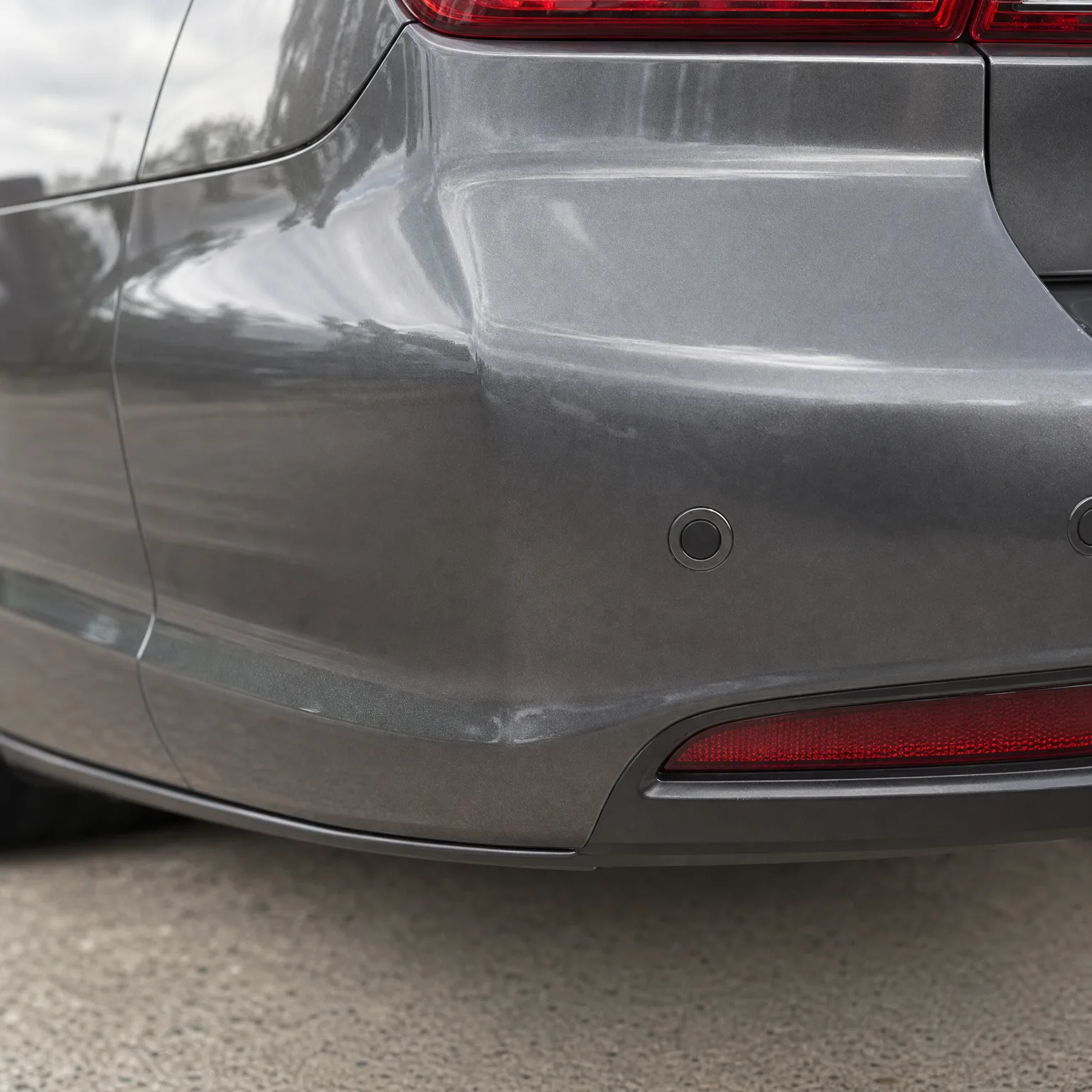 Uninsured Motorist Coverage for Seniors
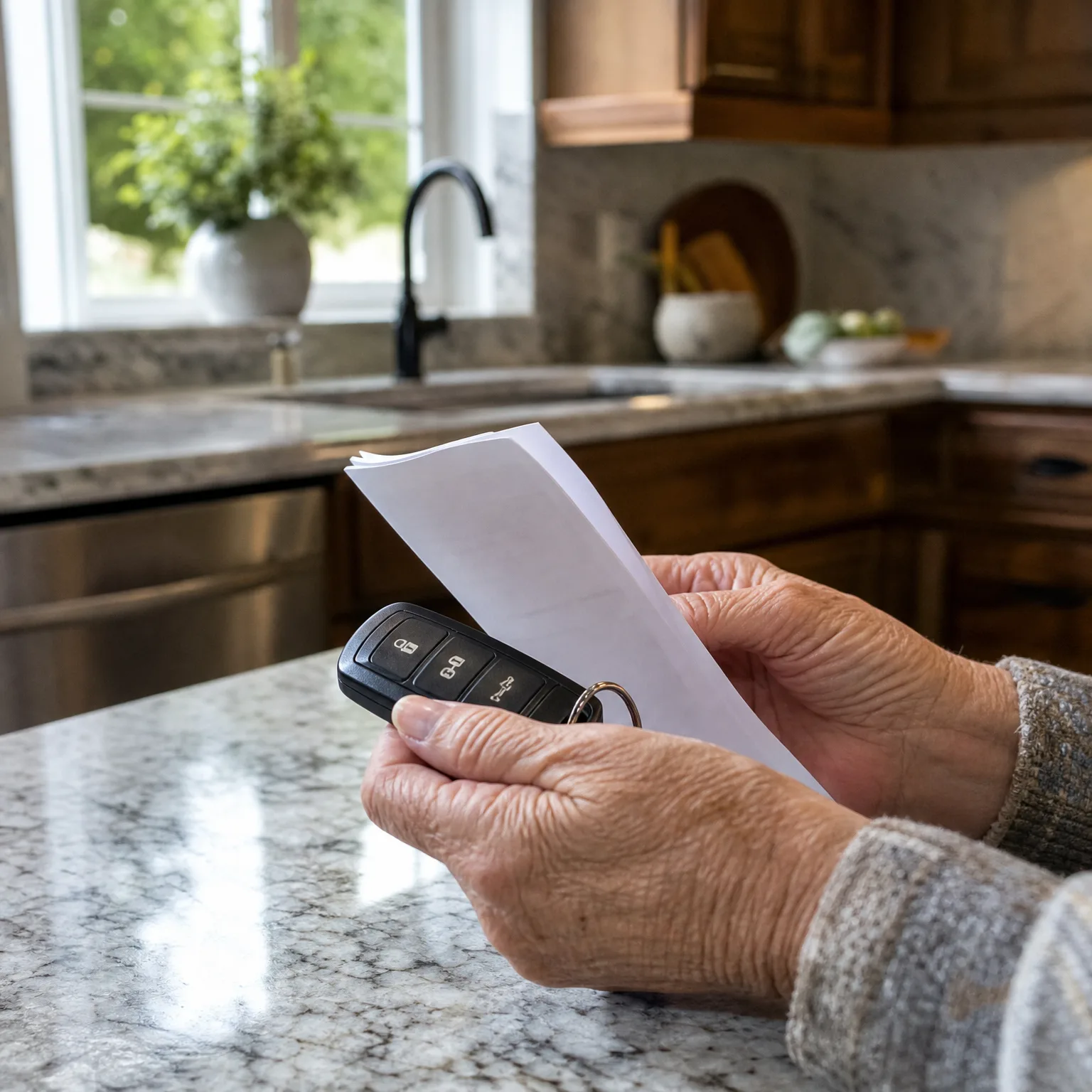 Who Is at Fault in a Car Accident
 What Happens if You Lightly Hit Someone with Your Car