Does Uninsured Motorist Coverage Pay for Car Repairs
It depends on whether you carry the property damage version of this coverage, since some states only require the part that covers injuries.
Yes, if you have uninsured motorist property damage coverage
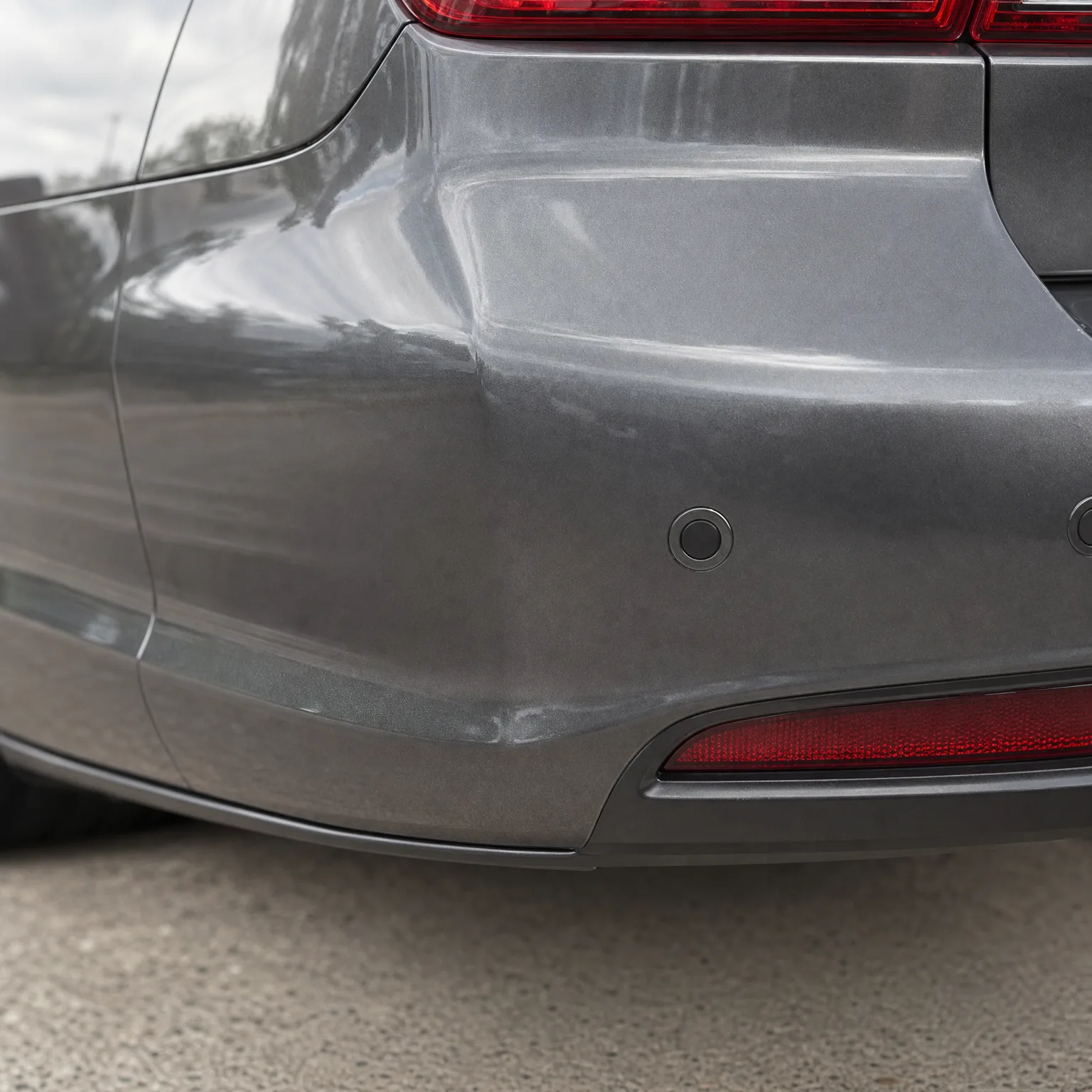
Uninsured motorist coverage comes in two parts. One pays for injuries to you and your passengers. The other, uninsured motorist property damage, pays to repair your car after an uninsured or hit-and-run driver damages it. Only the second part covers repairs.
Whether you have that part depends on your state and what you bought. Some states require insurers to offer it. Others only require the injury coverage and leave the property damage part optional. Check your declarations page for a line that says uninsured motorist property damage, sometimes shortened to UMPD, to see if you carry it.
Your state decides what's required and what's optional
A handful of states require insurers to include uninsured motorist property damage automatically unless the driver rejects it in writing. In those states, most drivers have the coverage without having asked for it.
In other states, it's sold as an optional add-on, and plenty of drivers skip it because they already carry collision coverage. If that's you, collision will pay for the repair instead, usually with a deductible, and your insurer can then try to recover that cost from the at-fault driver.
If you're not sure which category your state falls into, your insurer or agent can tell you, and your declarations page will show whether you're paying a premium for UMPD specifically.
If you don't have collision and don't have UMPD, an uninsured driver hitting your car can leave you with no coverage for the repair at all.
What trips people up after the accident
Some drivers assume uninsured motorist coverage covers any car trouble caused by another driver, including repairs, when really the property damage part is separate and has to exist on the policy before the accident happens.
Another common mix-up is assuming collision and UMPD do the same job. They can overlap, and some states require you to use collision first if you have both. Ask your insurer which one applies if you're carrying both.
A hit-and-run causes confusion too. Since there's no at-fault driver to identify, some drivers assume nothing will pay. UMPD exists partly for this situation, as long as you can show the damage happened in a hit-and-run, often through a police report.
Questions people ask about this
Does uninsured motorist coverage cover my deductible?
Some UMPD policies have their own separate deductible, which can be different from your collision deductible. Check your declarations page for the deductible listed next to the UMPD line specifically.
What's the difference between UMPD and collision coverage?
Collision pays for damage to your car regardless of who caused it, while UMPD only pays when an identified or hit-and-run uninsured driver is at fault. If you have both, your state or policy may decide which one pays first.
Do I need a police report to use UMPD after a hit-and-run?
Most insurers ask for one, since there's no other driver to confirm fault. Call your insurer soon after the accident and ask what they need to process the claim.
Does underinsured motorist coverage also pay for car repairs?
That depends on whether the underinsured version you carry includes a property damage part, the same way uninsured motorist coverage does. Check your policy for a separate underinsured motorist property damage line.
Will my rate go up if I file a UMPD claim?
This depends on your insurer and your state's rules about claims caused by another driver. Ask your insurer directly how they treat UMPD claims before you file.
See what other insurers charge for the same uninsured motorist coverage before you renew.
Pull out your declarations page and look for a line labeled uninsured motorist property damage or UMPD. If you don't see it, call your insurer or agent and ask whether it's available in your state and what it would add to your premium. If you were just in an accident with an uninsured or hit-and-run driver, file a police report if you haven't already, since most insurers need one to process this kind of claim. Then call your insurer to ask which coverage applies, UMPD, collision, or both, and what deductible you'd owe either way.