Does Collision Cover Uninsured Motorist Property Damage
Collision pays for your car's damage no matter who caused the crash, so it already does what uninsured motorist property damage would do.
Collision covers it, but you may be paying twice
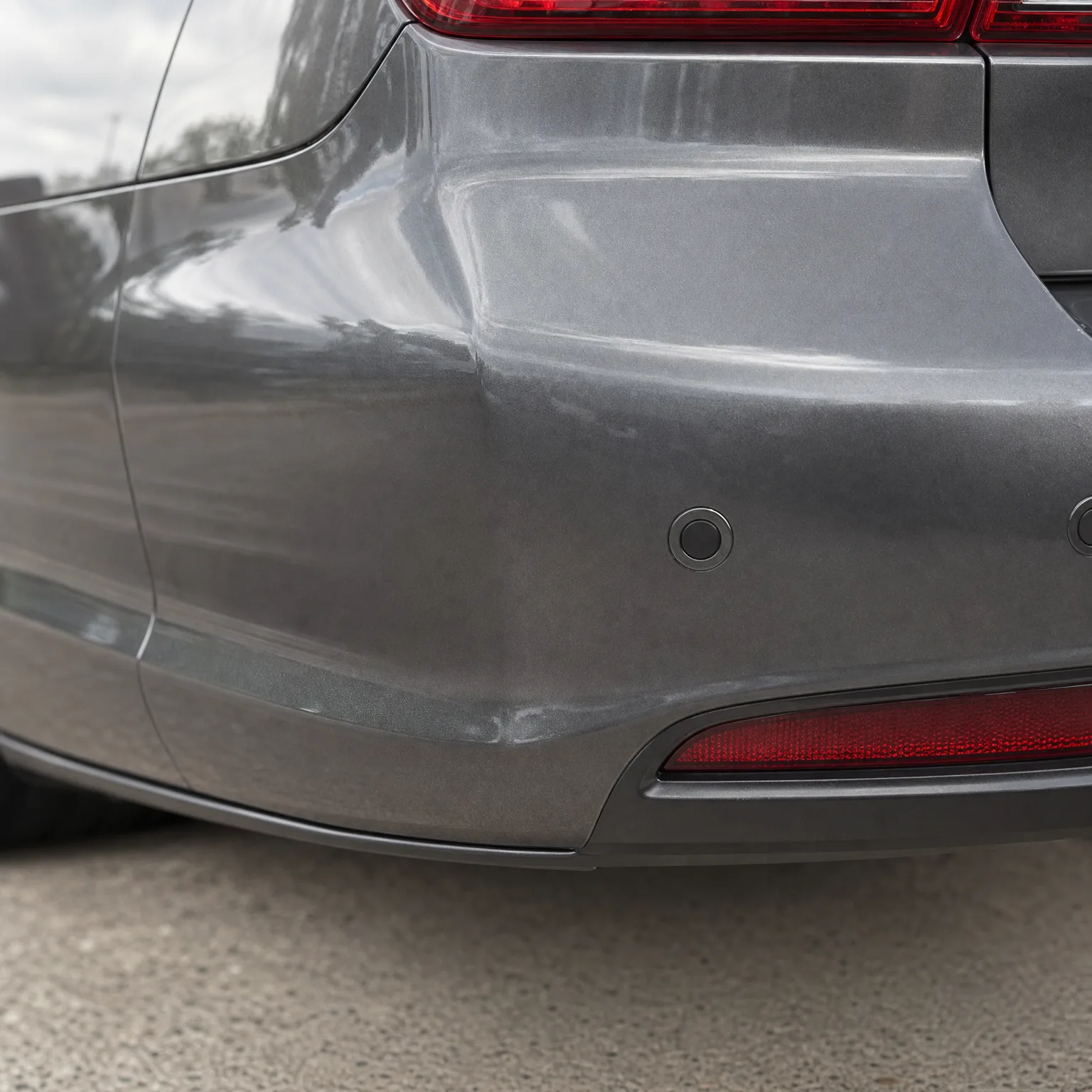
If another driver hits your car and has no insurance, collision coverage pays to repair or replace your car. It doesn't matter who caused the crash or whether the other driver had insurance at all. That's the point of collision coverage.
Uninsured motorist property damage is a separate coverage that does almost the same job, but it usually comes with a lower deductible or none at all, and in some states it won't apply if you have collision. If you're carrying both, it's worth finding out whether one of them is doing nothing for you.
Whether your state even sells uninsured motorist property damage
Some states don't offer uninsured motorist property damage as a separate coverage at all. In those states, collision is the only way to get your car repaired after a crash with an uninsured driver, so the question doesn't come up.
In states that do sell it, insurers often won't let you stack it with collision for the same loss. You'll get paid under one or the other, whichever applies, not both. Ask your insurer directly which coverages on your policy would actually respond if an uninsured driver hit your car tomorrow.
This is also where the deductible matters. Collision almost always carries a deductible you chose when you bought the policy. Uninsured motorist property damage sometimes carries a smaller deductible or none, which is the main reason someone would want it even if they already have collision.
What your policy actually pays out, not just what it's called
Two policies can both say you're covered and still pay very differently. Collision pays based on your car's value at the time of the crash, minus your deductible, regardless of fault. Uninsured motorist property damage, where it exists, is meant to put you back where you'd be if the other driver had carried insurance and their insurer had paid your claim.
If you drop collision because your car is older and worth less, uninsured motorist property damage can still be worth keeping, since it may have a lower deductible and isn't tied to your car's value the same way.
The only way to know what you're actually paying for twice, if anything, is to read your declarations page or ask your agent which coverage would pay first if an uninsured driver damaged your car.
Questions people ask about this
Do I need uninsured motorist property damage if I already have collision?
Not necessarily, and in some states you can't have both apply to the same claim anyway. Check whether your state allows it, and compare the deductibles side by side before deciding to keep or drop either one.
Will my collision claim raise my rates even if the other driver was uninsured?
That depends on your insurer's rules, since collision claims are sometimes treated as chargeable even when you weren't at fault. Ask your insurer directly how they handle claims from crashes with uninsured drivers.
What's the difference between uninsured motorist bodily injury and property damage?
Bodily injury coverage pays for injuries to you or your passengers from an uninsured driver. Property damage coverage pays for damage to your car. They're bought separately and one doesn't include the other.
Can I drop collision and keep uninsured motorist property damage instead?
In states that sell it, yes, this is sometimes done on an older car to get a lower deductible on uninsured motorist claims without paying for full collision coverage. Ask your insurer what gap, if any, that leaves you with for other kinds of damage.
Does it matter if the uninsured driver is found later and has assets?
It can affect whether your insurer pursues reimbursement on your behalf, but it doesn't change what your policy pays you up front. Ask your insurer how subrogation works under your specific policy.
See what collision and uninsured motorist coverage would actually cost side by side before you decide what to keep.
Pull out your current declarations page and find the lines for collision and for uninsured motorist property damage, if you have the second one at all. Call your insurer or agent and ask plainly which one would pay if an uninsured driver hit your car this week, and what deductible would apply. Ask whether your state even sells uninsured motorist property damage as separate coverage, since some don't. If you're thinking about dropping one, ask what it would save you and what you'd give up. Do this before your renewal, not after it arrives with the decision already made for you.