Uninsured Motorist vs Collision Coverage
Uninsured motorist coverage pays when the other driver is at fault and can't pay you back. Collision pays for your car no matter who caused the crash.
They cover different situations, not different amounts
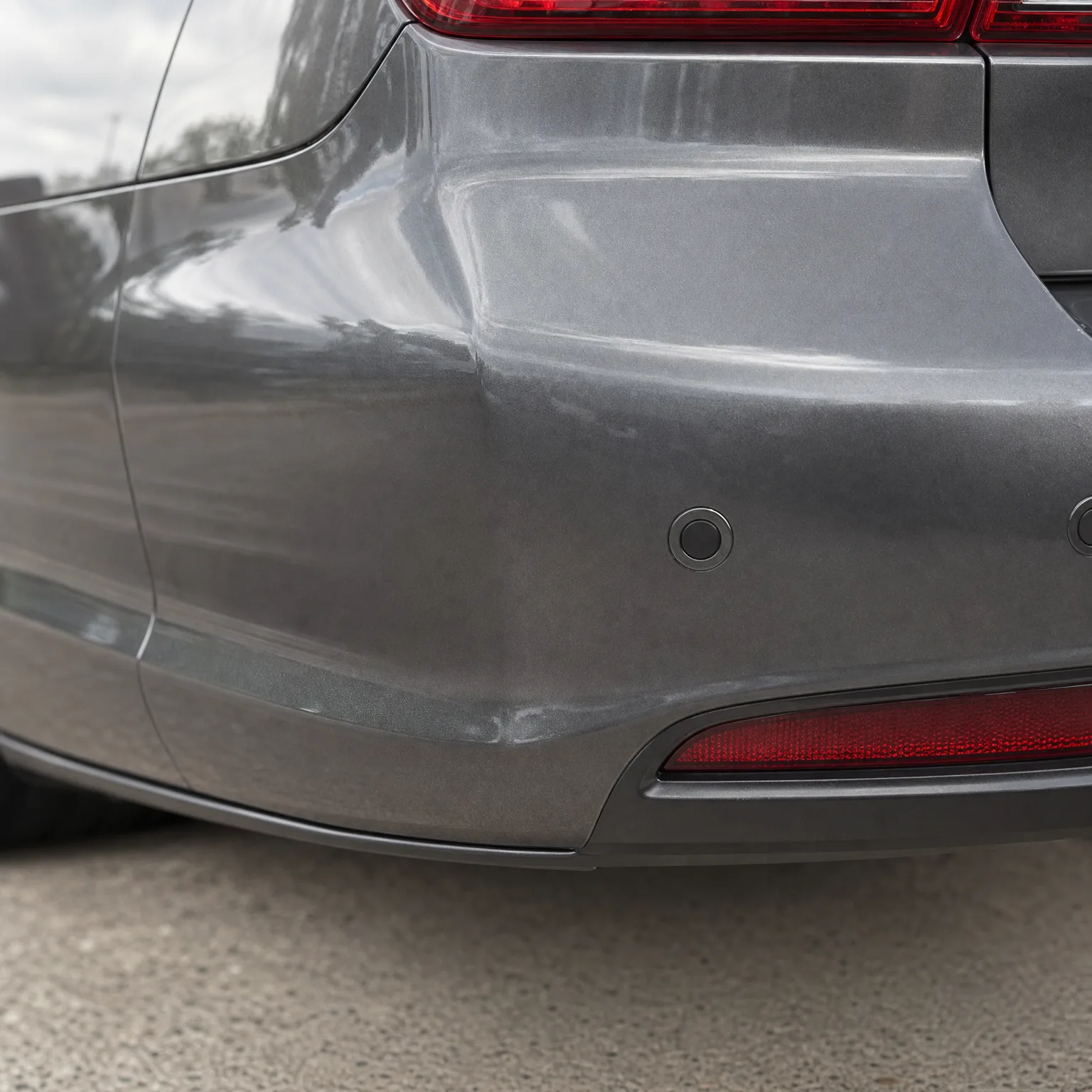
Collision coverage pays to repair or replace your car after a crash, regardless of who caused it. You carry it so your own insurer pays out even if the accident was your fault, or if the other driver's insurance won't cover it fast enough.
Uninsured motorist coverage pays when someone else caused the accident and that driver has no insurance, or not enough, to cover what you lost. It can cover your medical bills and in many states your car as well, standing in for the coverage the other driver should have carried but didn't.

Whether the other driver had insurance changes which one pays
If you're hit by someone without insurance, your uninsured motorist coverage is what responds, not your collision coverage, even though collision would also cover the damage to your car.
If you have both, you may be able to choose which one to file under. Collision usually comes with a deductible and can affect your claims history. Uninsured motorist coverage sometimes has a lower deductible or none at all, depending on your policy and your state.
If you don't carry collision coverage at all, uninsured motorist coverage may be the only way your own policy pays for damage to your car after a hit from an uninsured driver. Without either one, you'd have to sue the other driver directly to recover anything, which is often not realistic if they have no money or no insurance to begin with.
Check your policy or ask your agent which coverage would apply first in your state, since the order can affect your deductible and your rate afterward.

What each one leaves out matters as much as what it covers
Collision coverage does not care who caused the accident, but it does not cover medical costs. That's handled by your medical payments coverage, personal injury protection, or the other driver's liability coverage if they're the one at fault and insured.
Uninsured motorist coverage does not cover damage you caused yourself. If you're at fault, or if you hit a stationary object with no other driver involved, collision is what pays.
Some states require uninsured motorist coverage and let you decline it only in writing. Other states leave it optional. Whether it includes property damage to your car, or only medical costs, also varies by state. Ask your insurer directly what your policy includes before you assume either one is covering something it isn't.
Questions people ask about this
Do I need both uninsured motorist and collision coverage?
Most drivers benefit from carrying both, since they cover different causes of loss. Collision handles your own fault or an unidentified cause. Uninsured motorist coverage handles a specific driver who can't pay. Whether either is required depends on your state and whether you're still paying off a loan on the car.
Does uninsured motorist coverage raise my rate after a claim?
It depends on your insurer and your state. Some insurers treat an uninsured motorist claim differently from an at-fault collision claim since you weren't the cause of the accident. Ask your insurer directly how they rate this type of claim before you file.
What is underinsured motorist coverage and is it different from uninsured?
Underinsured motorist coverage pays when the at-fault driver has insurance, but not enough to cover your losses. Uninsured motorist coverage pays when they have none at all. Many policies bundle both under one coverage, but check your declarations page to see how yours is written.
Can I use collision coverage if the other driver was at fault?
Yes, collision coverage pays regardless of fault, so you can file under it even when someone else caused the accident. Many drivers do this when the at-fault driver's insurer is slow to pay, then let their own insurer seek reimbursement from the other side.
Will my insurer go after the uninsured driver after paying my claim?
Some insurers pursue the at-fault driver for reimbursement after paying an uninsured motorist claim, a process called subrogation. If they recover money, you may get your deductible back. Ask your insurer whether they pursue this and how it would affect you.
See what collision and uninsured motorist coverage would cost on your policy before you decide what to carry.
Pull out your current policy or declarations page and check what you carry for collision and uninsured motorist coverage right now. Call your insurer or agent and ask directly how a claim would be handled if you were hit by a driver with no insurance, since the answer depends on your state and your specific policy. Ask what your deductible would be under each coverage, since that can determine which one makes more sense to file under. If you're shopping for a new policy, compare quotes that show both coverages side by side so you can see what each one would actually cost you separately.