Uninsured Motorist Coverage for Hit and Run
Uninsured motorist coverage for hit and run pays for your injuries and sometimes your car when the driver who hit you speeds off and can't be identified.
What it pays for
Covers
- Your medical bills Treatment for injuries from the crash gets paid as if the fleeing driver had carried liability coverage.
- Lost income If you can't work while you recover, this can replace wages you missed.
- Pain and suffering Unlike many coverages, this one can pay for the physical and emotional toll, not just bills.
- Passenger injuries Anyone riding with you who was hurt can be covered the same way you are.
- Car damage, if you added it Some policies let you add a version that covers the vehicle itself, often tied to your collision coverage.
- A pedestrian or cyclist claim If you were walking or on a bike and a driver fled the scene, this coverage can still apply to you as the policyholder.
Doesn't cover
- Damage to a parked, empty car If no one was in the car when it was hit and the driver fled, that's usually a collision claim instead.
- A driver who stops but has no insurance That's a different coverage, uninsured motorist for identified drivers, even though the situations feel similar.
- Your own fault accidents This only applies when another driver caused the crash and then left.
- Vandalism or theft Those fall under comprehensive coverage, not this one, even if a car was involved somehow.
- Mechanical failure you blame on another driver Without evidence another vehicle was involved and fled, this coverage won't apply.
- Full replacement of a totaled car without the right add-on If you never added property damage to this coverage, a totaled car from a hit and run may fall back on collision coverage with its own deductible.

For most older drivers, this is worth keeping
Hit and run cases are frustrating precisely because there's no one to collect from. Your own health insurance may not cover everything, and your savings would otherwise have to fill the gap. This coverage exists for exactly that moment.
If your car is older and already paid off, the injury portion of this coverage still matters more than the vehicle portion. A knee replacement or weeks of missed recovery time cost far more than most cars are worth, and this is often the only piece of your policy built to respond to that.
How much you drive and where the car sits matters less here than it does for other coverages, since a hit and run can happen in a parking lot, at an intersection, or while you're stopped at a light. You don't have to be a high-mileage driver for this to be relevant.
The one place to look closely is whether you added the property damage version for your vehicle. If your car has real value and you'd struggle to replace it from savings, that add-on is worth having. If the car is older and you could cover its loss yourself, you can lean on the injury portion alone and skip the rest.
How a claim actually goes
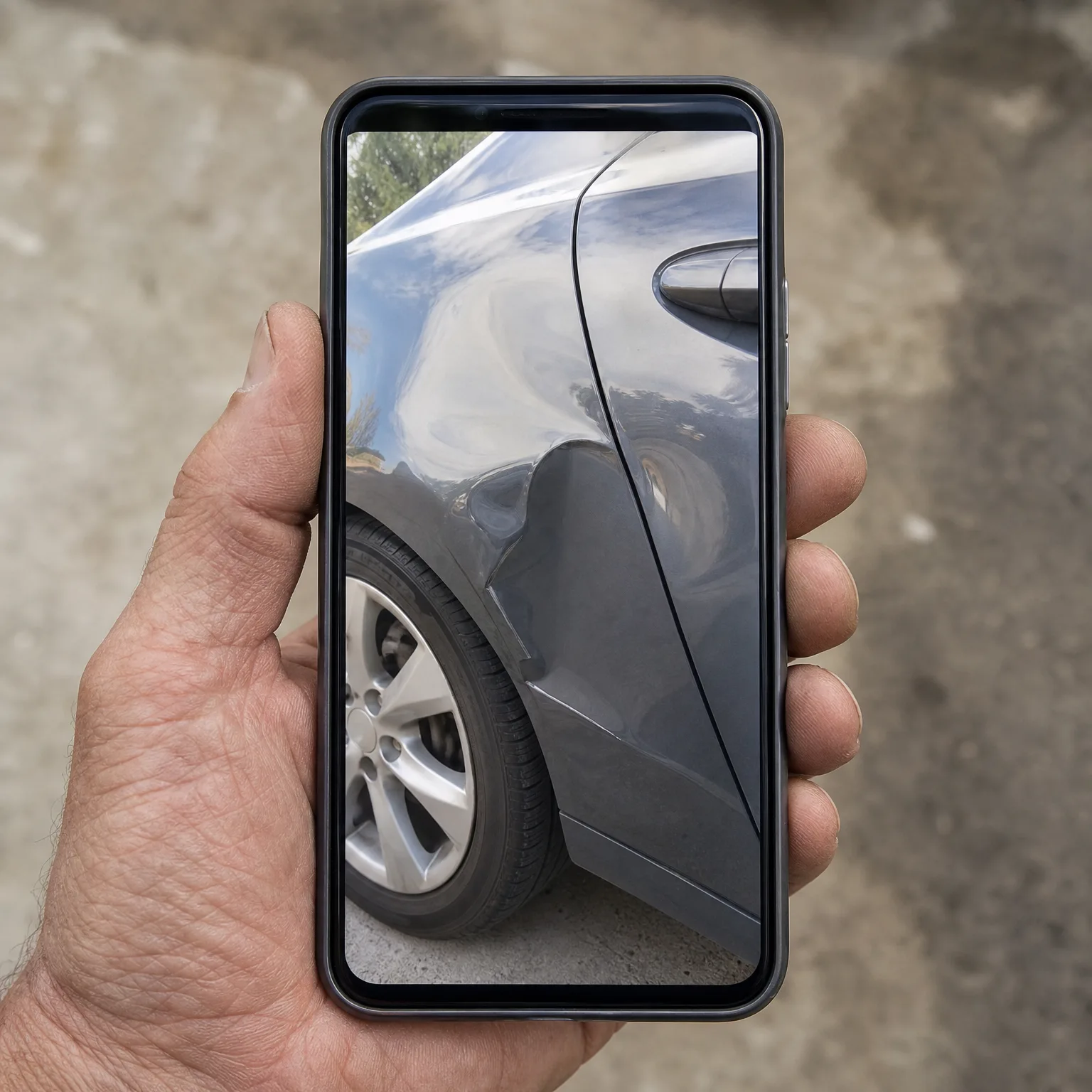
Because there's no other driver to point to, the claim runs through your own insurer from the start. You'll need to report the crash to the police quickly and get a copy of that report, since it becomes the main evidence that a hit and run actually happened.
If you added the vehicle damage portion, a deductible applies before the payout starts, similar to how collision coverage works. The injury portion typically doesn't carry its own deductible, though this varies by policy, so it's worth checking yours directly.
Have the police report, any witness information, and your own account of the crash ready when you file. Photos of the damage and the scene help too, especially since there's no other driver's insurer cross-checking your version of events.
The payout covers medical costs, lost income, and pain and suffering tied to the crash itself. It won't cover unrelated vehicle wear, prior damage, or costs that aren't connected to this specific accident.
Easy to confuse with uninsured motorist coverage for identified drivers
Uninsured motorist coverage for hit and run
This applies when the at-fault driver can't be found or identified at all, so there's no one's insurance to file against. The police report and your own account carry the case.
Uninsured motorist coverage for identified drivers
This applies when you know who hit you but they didn't carry insurance. The process is similar, but the other driver and their lack of coverage are a known, verified fact instead of a mystery.
If you can't say who hit you, this hit-and-run version is what responds, so it's worth confirming your policy includes it rather than assuming the standard version covers both.
Real situations
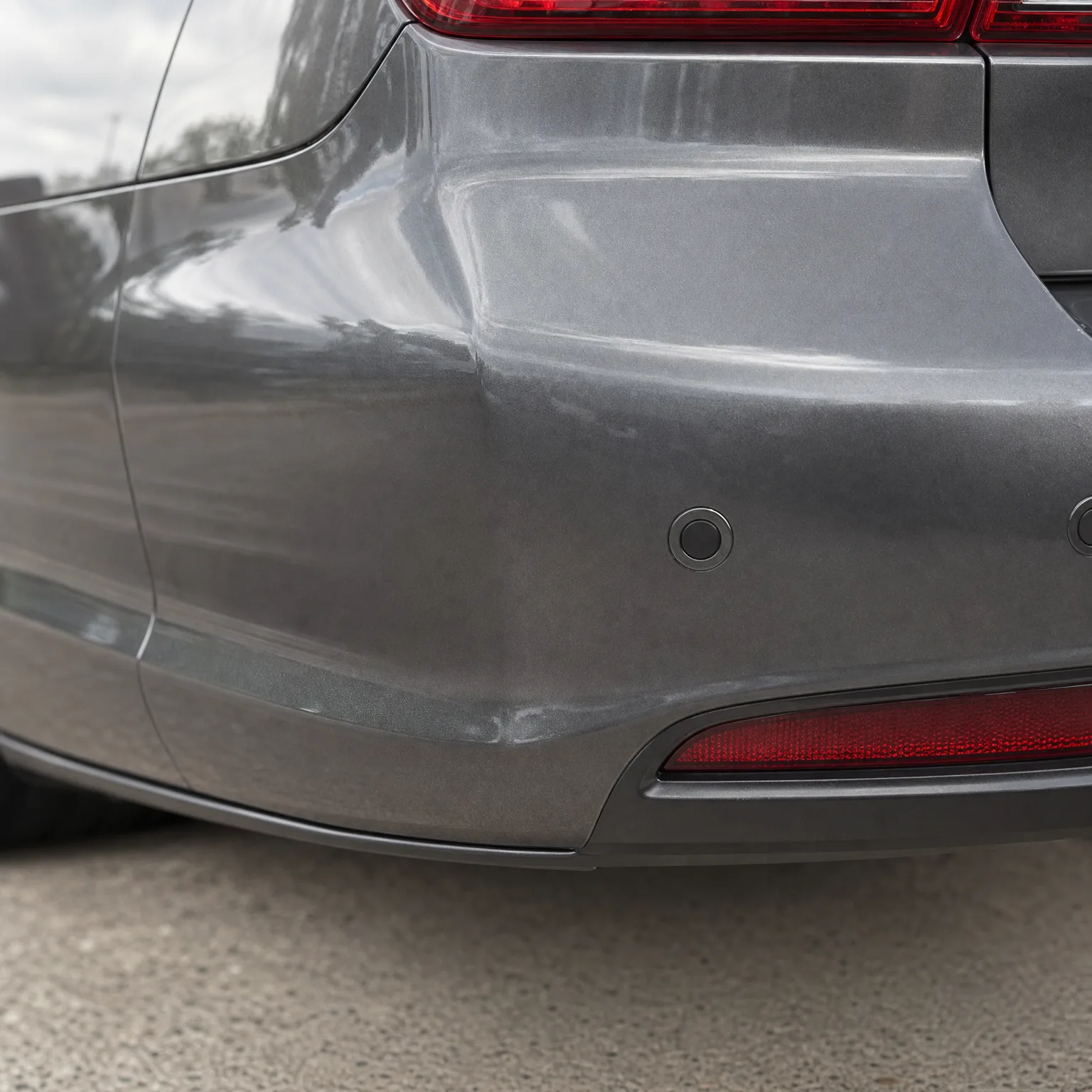
You're stopped at a light and another car clips your bumper, then drives off before you can get a plate number.
This pays, since the driver fled and can't be identified, which is exactly what this coverage is for.
Your car is damaged overnight in a parking lot and you have no idea what caused it.
This likely doesn't pay, since there's no evidence another vehicle was involved, and this would usually fall under comprehensive coverage instead.
A driver sideswipes you on a two-lane road, you get a partial plate number, and police later identify and confirm the driver had no insurance.
This doesn't pay since the driver was identified, that falls under the uninsured motorist coverage for identified drivers instead.
Once you know whether you want the hit-and-run version alone or the version that also covers your vehicle, you can compare quotes with that already settled.
Questions people ask about this
Does uninsured motorist coverage apply if the other driver runs away on foot?
Yes, if a driver causes the crash and then flees, whether in the car or away from it, this still counts as a hit and run for coverage purposes. What matters is that the at-fault driver can't be identified, not how they left the scene. A police report documenting the situation still matters here.
Do I need a witness for a hit and run claim to pay out?
No, a witness isn't required, but it helps your case. Insurers mainly rely on the police report and your own statement. Witnesses become more important if there's any ambiguity about what happened or whether another vehicle was truly involved.
Will my rates go up after a hit and run claim that wasn't my fault?
This varies by insurer and by state, so it's worth asking your agent directly. Since you weren't at fault, many insurers treat this differently than an at-fault accident, but policies differ enough that you shouldn't assume either way.
Can I still file a claim if I didn't call the police right away?
It depends on your insurer's requirements, which is something to check in your own policy. A prompt police report is the strongest evidence you have, so even a delayed report is usually better than none.
Does this coverage apply if I'm hit while walking or riding a bike?
Yes, in many cases this coverage follows you as the policyholder, not just your car. If you're struck by a driver who flees while you're walking or cycling, the same hit-and-run coverage can often respond. It's worth confirming this detail with your policy since it surprises a lot of people.