Who Pays If a Hit and Run Driver Is Never Found
When the other driver can't be found, your own policy is what you have left to rely on.
Your own insurer pays, if you have the right coverage
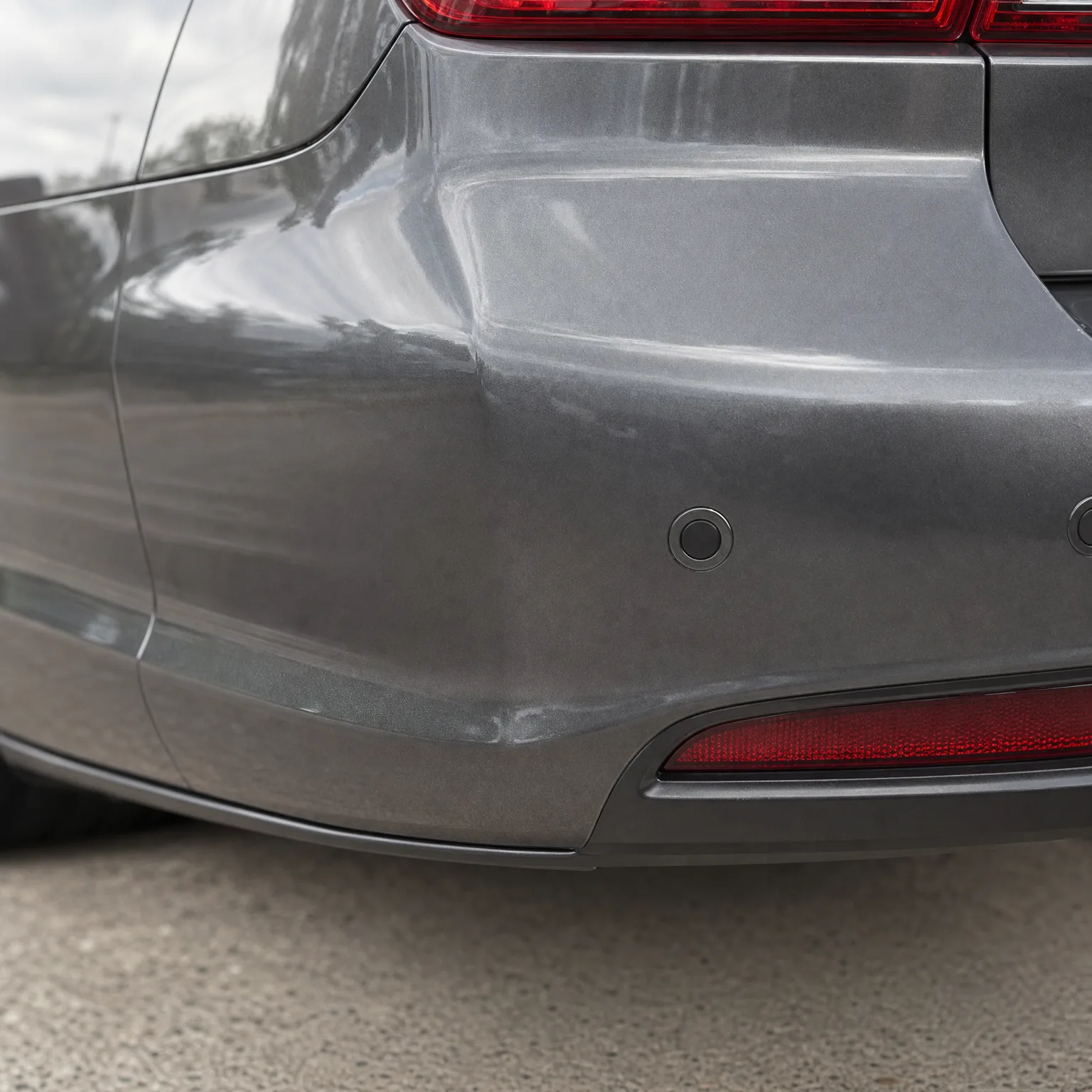
When a hit and run driver is never identified, there's no other insurance policy to make a claim against. The driver who caused the damage can't be billed, and their insurer, if they even have one, never enters the picture. So the claim falls to your own policy.
Whether your insurer actually pays depends on what coverage you carry. Uninsured motorist coverage is built for exactly this situation, since a driver who can't be found is treated the same as one with no insurance. Collision coverage can also pay for the damage to your car, regardless of who caused it. If you don't carry either one, you may be left paying for the repairs yourself.
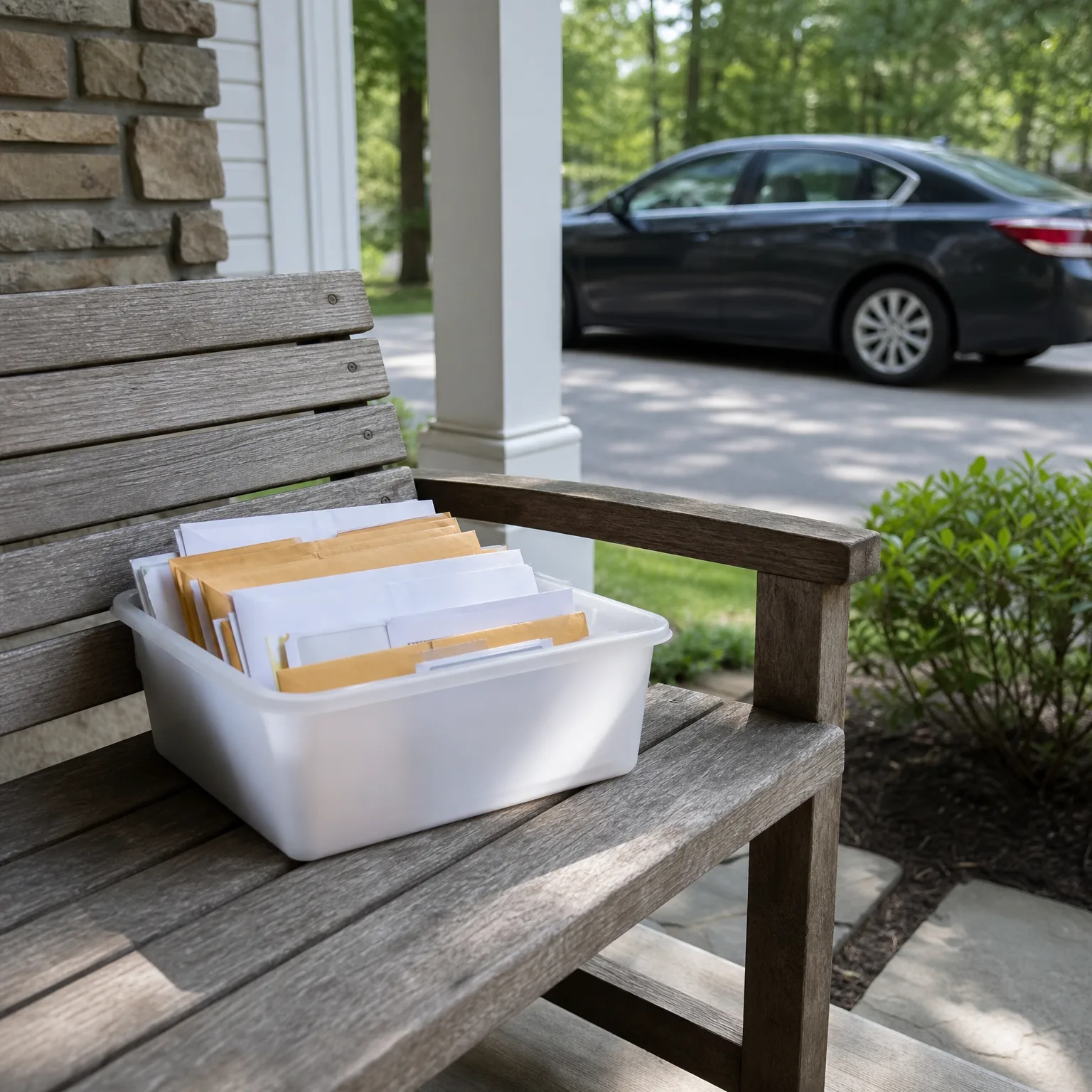
What coverage you had before the accident
The coverage on your policy at the time of the crash decides what happens next. Uninsured motorist property damage coverage is written for a driver who hits you and can't be tracked down. If you have it, this is the claim you file.
Collision coverage works differently. It pays to repair or replace your car no matter who's at fault, so it can also cover a hit and run even if you don't have uninsured motorist coverage at all. Many drivers carry collision without realizing it would apply here.
If you have neither, there's no policy of yours that responds to this kind of loss. Some states require insurers to offer uninsured motorist coverage, but drivers can often decline it in writing, so it's worth checking your own policy declarations page rather than assuming you have it.
What you did right after the crash
Insurers look closely at hit and run claims because there's no other driver to confirm what happened. Reporting the crash to the police right away, and getting a report filed, is usually what your insurer will ask for before paying anything.
Some policies also set a deadline for reporting a hit and run, separate from the general deadline for reporting a claim. Missing that window can be a reason a claim gets denied even when you have the right coverage.
If you noted anything about the other car, a partial plate, the color, the direction it went, include that in the police report. It won't always lead to finding the driver, but it supports the claim that this was in fact a hit and run and not some other kind of loss.
Questions people ask about this
Does my insurance go up after a hit and run that wasn't my fault?
It depends on your insurer and your state. Some insurers treat uninsured motorist claims like any other claim when they set your renewal rate, even though you weren't at fault. Ask your insurer directly how they handle it before you file, if you're weighing whether to file at all.
Will the police keep looking for the driver after I file an insurance claim?
Filing an insurance claim doesn't affect whether police keep investigating. Those are separate processes. The police report is mainly useful to your insurer as documentation that the crash was reported and that you didn't cause it yourself.
Can I still get paid if there were no witnesses to the hit and run?
You may still be able to file a claim without witnesses, but it depends on your insurer's requirements. Photos of the damage, the police report, and the timeline of when and where it happened all help support a claim with no witnesses.
What if the hit and run driver is found after my claim is already paid?
Ask your insurer what happens in this case before you assume anything. Some insurers have a right to recover what they paid you from the at fault driver once that driver is identified, which can affect any deductible you paid out of pocket.
Does it matter if the hit and run happened while my car was parked?
It can matter depending on your policy. Some uninsured motorist coverage only applies to crashes involving another moving vehicle, so a parked car that was hit and left damaged may instead need collision coverage to be paid for. Check your policy wording or ask your insurer which applies.
See what it would cost to carry the coverage that actually pays out in a situation like this.
Find your policy declarations page and check whether you carry uninsured motorist property damage coverage or collision coverage, since one of these is what pays when the other driver can't be found. Call your insurer and ask how they handle hit and run claims specifically, including any reporting deadline that's separate from their general claims process. Make sure a police report was filed, and add any detail you remember about the other vehicle, even partial information. If you're shopping for a new policy, ask each insurer directly how they'd handle this exact situation rather than assuming the coverage is the same everywhere.