Hit by an Uninsured Driver in Texas
Uninsured motorist coverage pays for your injuries and sometimes your car when the driver who hit you has no insurance at all.
What this coverage pays for
Covers
- Your injuries It covers medical costs and related losses from a crash the other driver caused when they had no liability insurance.
- A hit and run If the other car never stops and can't be identified, this coverage treats it like an uninsured driver hit you.
- Injuries to passengers Anyone riding with you who gets hurt in the crash is covered under the same claim.
- You as a pedestrian If an uninsured driver hits you while you're walking or on a bike, this still applies.
- Lost income If your injuries keep you from working, this can cover wages you miss during recovery.
- Damage to your car Some policies include a version of this coverage for vehicle damage, separate from the injury portion, though it varies by state and policy.
Doesn't cover
- Your own driving mistakes This coverage only applies when the other driver is at fault and uninsured, not when you caused the crash.
- Damage from weather or animals Hail, flooding, or hitting a deer is handled by comprehensive coverage, not this one.
- A driver who has some insurance If the other driver is underinsured rather than uninsured, a related but separate coverage applies instead.
- Damage to someone else's property This coverage protects you, not other people's cars or fences, even if an uninsured driver was involved.
- Mechanical breakdowns Nothing about this coverage relates to your car failing on its own; that falls outside any insurance claim.
For most older drivers, this is worth keeping
The math behind this coverage doesn't really change with age, but the stakes often do. If you're on a fixed income, an injury claim you have to fight for on your own, without this coverage behind you, can turn into a long and expensive mess. This coverage exists for exactly that gap.
Think about what you drive and how you'd cover a serious injury if the other driver had nothing to offer. If your savings could absorb a bad outcome without strain, you have more room to adjust the coverage than someone who couldn't. Most people in their sixties, seventies, and eighties don't have that kind of room to spare, especially if a long recovery is involved.
How much you drive matters too. Someone who still commutes daily or drives long distances to see family faces more exposure than someone who mostly makes short local trips. If your car sits in a garage most of the week and you only drive a few miles at a time, your odds of a serious uninsured driver crash go down, but they don't disappear.
Where you live plays a role as well, since uninsured drivers aren't spread evenly everywhere. This is worth checking against your own policy and your own driving pattern rather than dropping on instinct, since it's often one of the lower cost lines on a policy relative to what it protects.
How a claim actually works
When you file a claim under this coverage, you're making it against your own policy, not the other driver's, since they don't have one. Depending on your policy, there may be a deductible that applies before the payment starts, so it helps to know that number ahead of time rather than during a claim.
The insurer will want to confirm that the other driver really was uninsured, often through a police report and sometimes through their own investigation. Having the report, photos from the scene, and contact information for any witnesses makes this part go faster.
Once the claim is accepted, the payment covers the medical costs, lost income, or vehicle damage spelled out in your policy, up to your coverage limits. It won't cover costs beyond those limits, so if injuries are serious, you may still face a gap depending on how the policy was set up.
Keep records of medical visits, repair estimates, and any time missed from work, since the claim moves faster when you can document the loss rather than describe it after the fact.
Often confused with underinsured motorist coverage
Uninsured Motorist Coverage
This applies when the driver who hit you carries no insurance at all. It fills in for the liability coverage they should have had.
Underinsured Motorist Coverage
This applies when the other driver has insurance, but not enough to cover what you lost. It picks up the difference between their limits and your actual damages.
Most drivers carry both together, since you can't know ahead of time whether the person who hits you will have no insurance or just too little.
Real situations
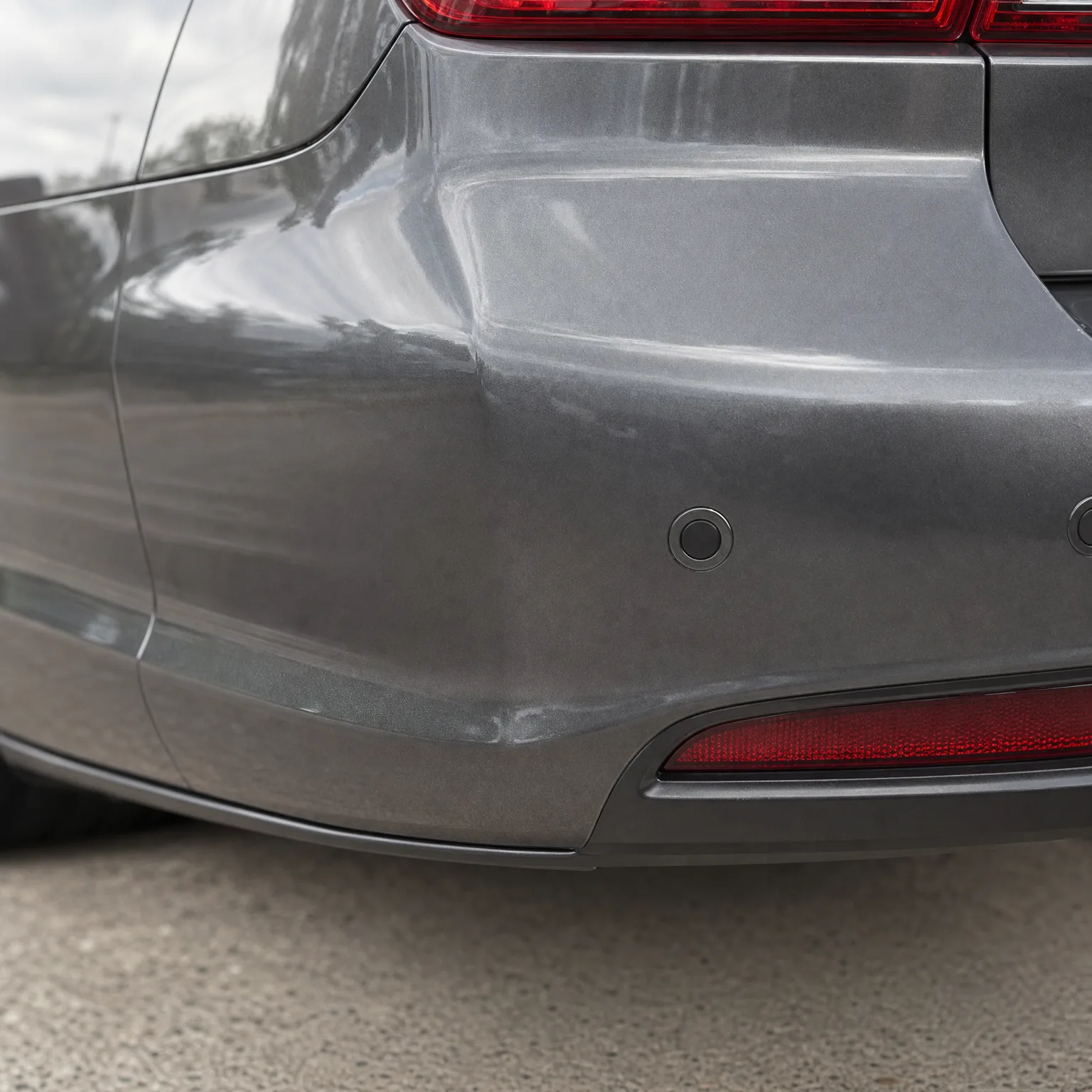
You're stopped at a light and a driver without insurance rear-ends you, leaving you with neck injuries and a totaled bumper.
This coverage pays for your injuries and may cover the vehicle damage, since the other driver has no insurance to cover it themselves.
A driver runs a stop sign, hits your car, and takes off before you can get a license plate.
This coverage applies here too, since an unidentified hit and run driver is treated the same as an uninsured one.
A hailstorm damages your car while it's parked outside church on a Sunday morning.
This coverage doesn't pay here, since no other driver was involved; comprehensive coverage handles weather damage.
Now that you know whether this coverage still fits your situation, compare quotes to see how it's priced and structured across policies.
Questions people ask about this
Does this coverage raise my rate if I use it?
It can, but often less than an at-fault claim would, since the crash wasn't your doing. How much depends on your insurer's rules and your overall claim history, so it's worth asking directly rather than assuming the worst.
Can I be sued by an uninsured driver after a crash?
Yes, it's possible, though uncommon, since the driver who caused the crash can still be held responsible even without insurance. This is separate from your own claim and doesn't change what your policy pays you.
What if the uninsured driver has no money either?
This is exactly the situation this coverage is designed for, since you're not relying on that driver's ability to pay. Your payment comes from your own policy regardless of their finances.
Do I need a police report to file this kind of claim?
In most cases yes, since insurers use it to confirm what happened and that the other driver was in fact uninsured. Without one, the claim can still move forward, but it usually takes longer and asks more of you.
Does this coverage follow me if I drive someone else's car?
Often it does, since this type of coverage is usually tied to you as a driver rather than just the vehicle, but this varies by policy and state. It's worth checking the details with your own policy before assuming either way.