Hit by an Uninsured Driver in Pennsylvania
Uninsured motorist coverage pays for your injuries and losses when the driver who hit you has no insurance at all.
What this coverage pays for
Covers
- Your medical bills It covers treatment for injuries you suffer in a crash caused by a driver carrying no insurance.
- Lost income If your injuries keep you from working or from the activities you'd normally do, this can cover what you lose.
- Pain and suffering Unlike your own health insurance, this coverage can pay for the physical and emotional toll of the crash, not just the medical bills.
- A hit and run driver If the driver who hit you takes off and is never identified, that driver is treated as uninsured.
- A passenger you're carrying Someone riding in your car when an uninsured driver hits you can usually make a claim under your policy too.
- Your family members Relatives who live with you are often covered under your policy even when they're in a different car at the time.
Doesn't cover
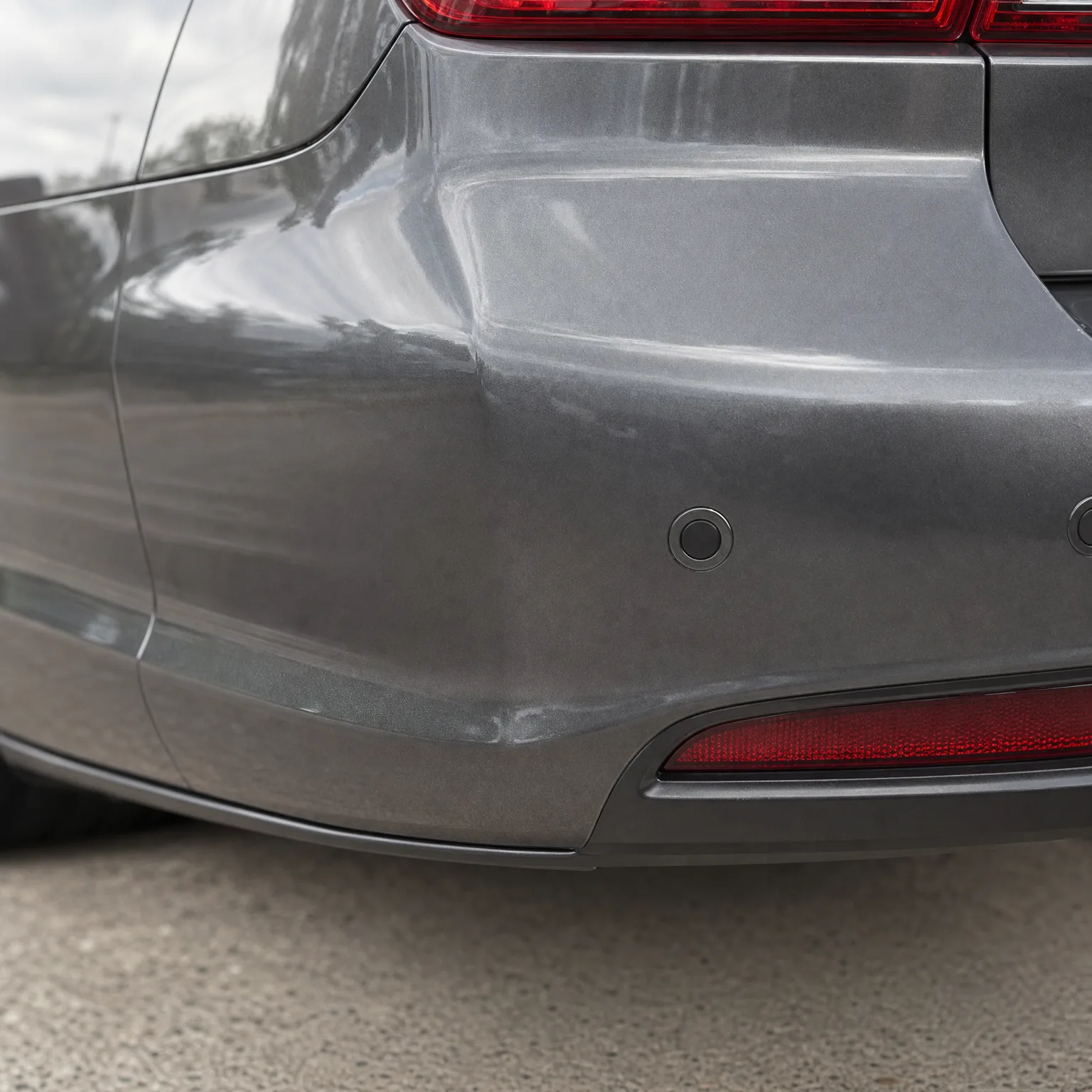
- Damage to your car This coverage is about injuries to people, not vehicle damage. Collision coverage handles that side of the claim.
- A crash you caused This only applies when the other driver is at fault and uninsured. If you caused the wreck, your own liability coverage applies instead.
- An underinsured driver A driver who has some insurance but not enough is a different coverage, often paired with this one but written separately.
- Your own carelessness behind the wheel This coverage responds to what someone else did to you. It isn't a substitute for your own driving record or caution.
- Property damage from an uninsured driver Many policies handle that loss through your own collision coverage rather than through this one.
- Mechanical problems or wear This has nothing to do with how the car itself is holding up. It only comes into play after a crash with an at-fault, uninsured driver.
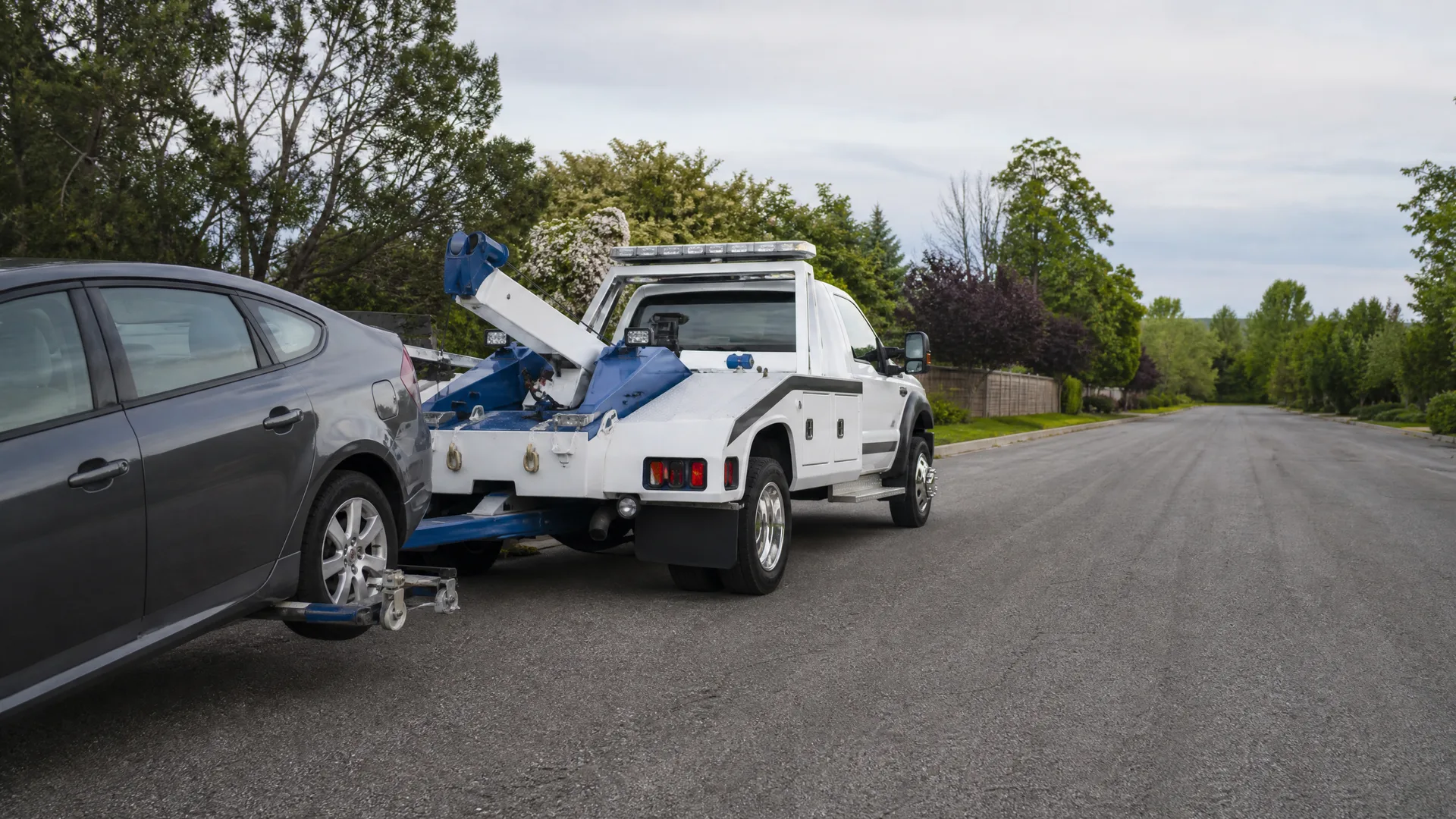
For most drivers in their sixties, seventies or eighties, this coverage is worth keeping
The math here isn't about the car. It's about your body, and bodies don't get cheaper to fix as you age. A fender bender that a younger driver walks away from can mean a hospital stay, physical therapy or a long recovery for someone older, and medical costs from any crash add up fast regardless of whose fault it was.
Think about what you'd do if an uninsured driver left you with real injuries and no way to collect from them. Health insurance and Medicare will cover some of it, but they don't pay for lost income, pain and suffering, or the gap between what treatment costs and what those programs allow. This coverage is one of the few ways to recover that difference.
How much you drive matters less here than you'd think, because the risk isn't really about miles. It's about the odds that any driver who hits you, even once, turns out to have no insurance. That risk doesn't go away just because you've cut back on driving or mostly stick to familiar roads.
The one case where it's reasonable to question this coverage is if you've already stopped driving and someone else is handling the car, or if you're comparing it against other coverage you're confident overlaps it. Otherwise, dropping it to save a little tends to expose you to exactly the kind of loss it's built for.
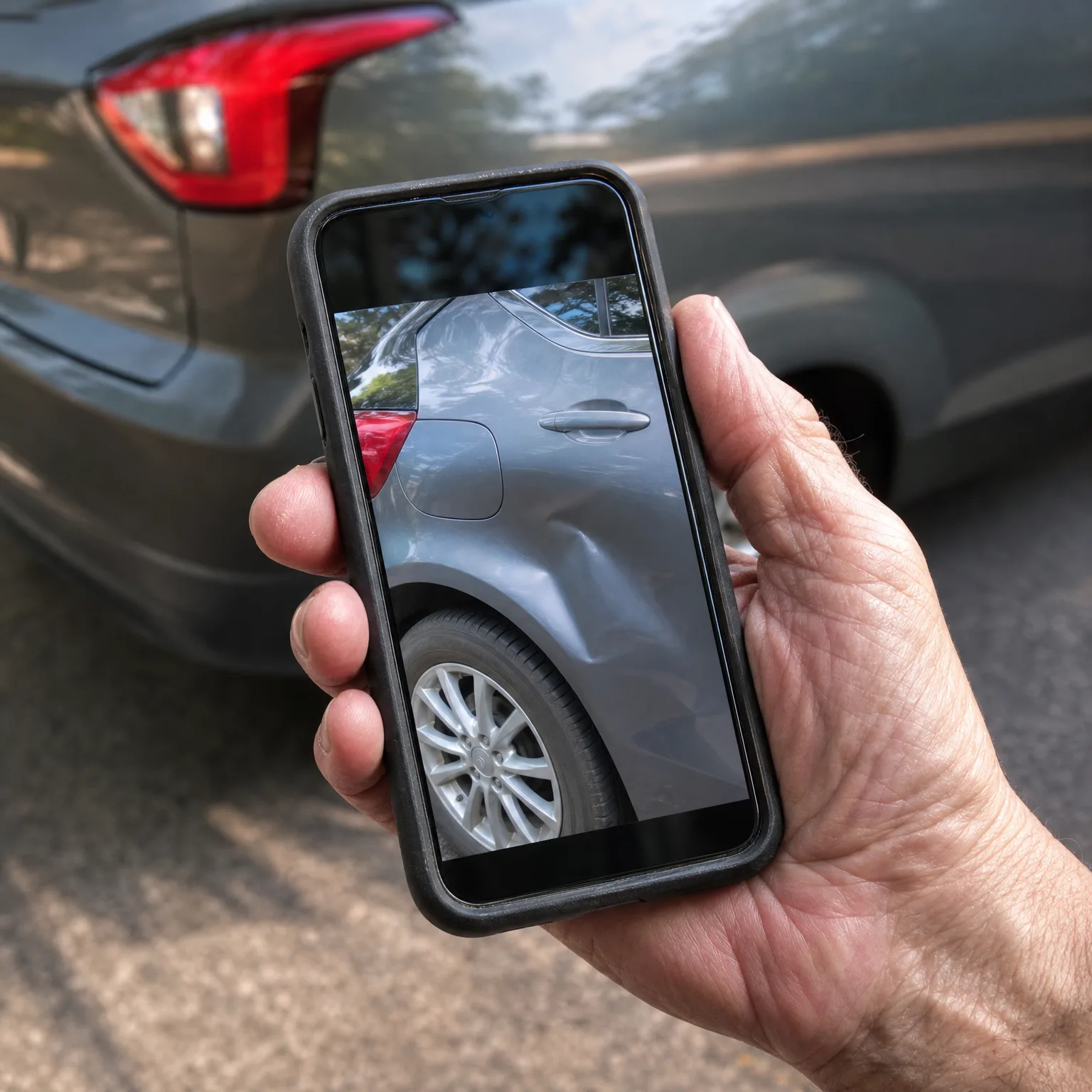
How a claim actually goes
You'll usually start by reporting the crash and naming the other driver, even though you already know or suspect that driver has no insurance. Your insurer verifies that through records before moving your claim forward under this coverage instead of treating it as a standard liability case.
A deductible may apply depending on how your policy is written, and it typically comes off the top before the payment reaches you. Some policies pair this coverage with collision in a way that affects which deductible applies, so it helps to know ahead of time how yours is set up.
The payment is meant to cover your medical treatment, your lost income and the broader impact of the injury, not the dent in your bumper. If there's vehicle damage too, that usually gets handled as a separate part of the claim through different coverage.
Have your medical records, bills and any police report ready, along with documentation of time missed from work or activities. The more organized that is, the smoother the claim moves, since the insurer is essentially stepping into the shoes of a driver who can't pay.
Uninsured motorist coverage vs. underinsured motorist coverage
Uninsured motorist coverage
This applies when the driver who hit you has no insurance at all, or can't be identified. It's meant to fill a complete gap.
Underinsured motorist coverage
This applies when the at-fault driver has insurance, but their limits aren't enough to cover what you've actually lost. It picks up where their policy runs out.
Most drivers carry both, since you can't know ahead of time which kind of driver will hit you, but if you have to choose, lean toward keeping both rather than dropping either.
Real situations
You're stopped at a light on a two-lane road and a driver without insurance rear-ends you, leaving you with neck and back pain that needs weeks of treatment.
This coverage pays for your treatment and lost time since the other driver has no insurance to cover it.
A car runs a stop sign on a quiet residential street and clips your fender, then drives off before you can get a plate number.
This coverage applies here too, since an unidentified driver who flees is treated the same as an uninsured one.
A hailstorm hits your car overnight while it's parked at your church during a Sunday service, leaving dents across the hood and roof.
This coverage doesn't pay for this since there's no at-fault driver involved at all; comprehensive coverage handles weather damage.
Once you know whether you're keeping, adding or adjusting this coverage, you're ready to compare quotes built around that choice.
Questions people ask about this
Does uninsured motorist coverage cover my passengers?
Yes, in most cases passengers riding in your car are covered under your uninsured motorist coverage the same way you are. Check your policy for how it defines who counts as an insured person, since some policies extend this further than others. If your passenger carries their own auto policy, that may also come into play depending on the situation.
What happens if the uninsured driver who hit me has no assets?
It generally doesn't matter whether the at-fault driver has assets, since this coverage comes from your own policy rather than from suing the other driver. That's the whole purpose of carrying it. You still may be able to pursue the other driver separately, but most people rely on their own coverage instead.
Can my insurance rates go up after an uninsured motorist claim?
It depends on your insurer and your state's rules, since this varies by state and by company. Because the crash wasn't your fault, many insurers treat it differently than an at-fault claim. It's worth asking your agent directly how this type of claim is handled on your policy.
Is uninsured motorist coverage required by law?
Whether it's required, optional, or automatically offered varies by state, so check your own policy or ask your agent what applies where you live. Some states require insurers to offer it even if you're allowed to decline it in writing. Don't assume your coverage matches what a friend in another state has.
How do I know if the other driver was actually uninsured?
Your insurer verifies this through state records and the other driver's insurance information after the crash is reported. You typically don't need to prove it yourself. If the driver fled the scene and was never identified, that's treated the same as confirmed uninsured status for claim purposes.