Hit by an Uninsured Driver in Delaware
Uninsured motorist coverage pays for your injuries and sometimes your vehicle when the driver at fault has no insurance to cover what happened.
What this coverage pays for
Covers
- Your medical bills If the other driver has no insurance, this picks up your treatment costs instead of leaving you to pay them yourself.
- Lost income Time off work from the crash can be covered if the at-fault driver has nothing to pay it with.
- Pain and suffering Unlike many coverages, this one can pay for the harder-to-price parts of an injury, not just the bills.
- Hit-and-run crashes If the other driver takes off and is never identified, this coverage treats it like an uninsured driver hit you.
- Passengers in your car Anyone riding with you when an uninsured driver causes the crash is covered too, not just the driver.
- Vehicle damage, if you add it Some policies let you add uninsured motorist property damage separately, which pays to repair or replace your car.
Doesn't cover
- Your own car's damage by default The basic version of this coverage is about injuries, not your vehicle. Repairing your car usually falls to collision coverage instead.
- A driver who has insurance If the other driver is insured, their liability coverage handles the claim, even if their limits are low.
- Underinsured situations automatically When the other driver has some insurance but not enough, that's a related but separate coverage, sometimes bundled, sometimes not.
- Damage from a pothole or object If no other driver was involved, this coverage doesn't apply. Comprehensive coverage is what handles road debris or weather.
- Your own fault accidents This only responds when someone else caused the crash and couldn't pay. If you're at fault, your liability coverage is what responds instead.
For most older drivers, this is one of the cheapest ways to protect against someone else's mistake
Think about what you're actually insuring against here. It isn't your car, it's your body and your ability to pay medical bills if someone with no insurance plows into you. That risk doesn't go away as you get older, and the bills from an injury at this age tend to run higher, not lower, because recovery takes longer and involves more care.
Whether you still need it has less to do with your age and more to do with how exposed you'd be without it. If a serious injury would mean draining savings or leaning on family to cover medical costs, this coverage is doing real work for you. If you have enough set aside to absorb a large unexpected medical bill without changing your life, the case for carrying high limits is weaker, though most people still keep some.
How much you drive matters too. If the car mostly sits in the garage and you make short local trips, your exposure is lower than someone who still drives highways regularly or takes long trips to see family. Where you park and drive also plays into how often you're sharing the road with drivers who may not be insured at all.
This is rarely the coverage worth cutting to save money. It tends to cost little relative to what it protects, and dropping it saves less than people expect while removing a real safety net.
What actually happens when you file a claim
You report the crash and let the insurer know the other driver had no coverage, or fled the scene. The insurer will usually ask for a police report, details on your injuries, and any documentation showing the other driver was uninsured or unidentified.
If there's a deductible attached to the property damage portion, that comes out before the payment is calculated, but the medical and injury portion typically doesn't work the same way. The payout is meant to put you back where you'd have been if the at-fault driver had carried insurance and paid the claim themselves.
Have your medical records, bills, and any wage loss documentation ready, since those drive how the claim is valued. If your own insurer is paying this claim, it can feel unusual at first, since you're used to them defending you, not paying you directly, but that's exactly how this coverage is designed to work.
Settlements can take time, especially if your injuries are still being treated. Don't rush to settle before you know the full extent of what the injury will cost you.
Uninsured motorist vs. underinsured motorist coverage
Uninsured motorist coverage
This applies when the at-fault driver has no insurance at all, or fled the scene and can't be identified. It's meant to fill a total gap left by someone with nothing to pay.
Underinsured motorist coverage
This applies when the at-fault driver has insurance, but their limits aren't enough to cover what you're owed. It fills the gap between what they can pay and what the loss actually costs.
Most drivers want both, since you can't control whether the person who hits you has no insurance or just not enough.
Real situations
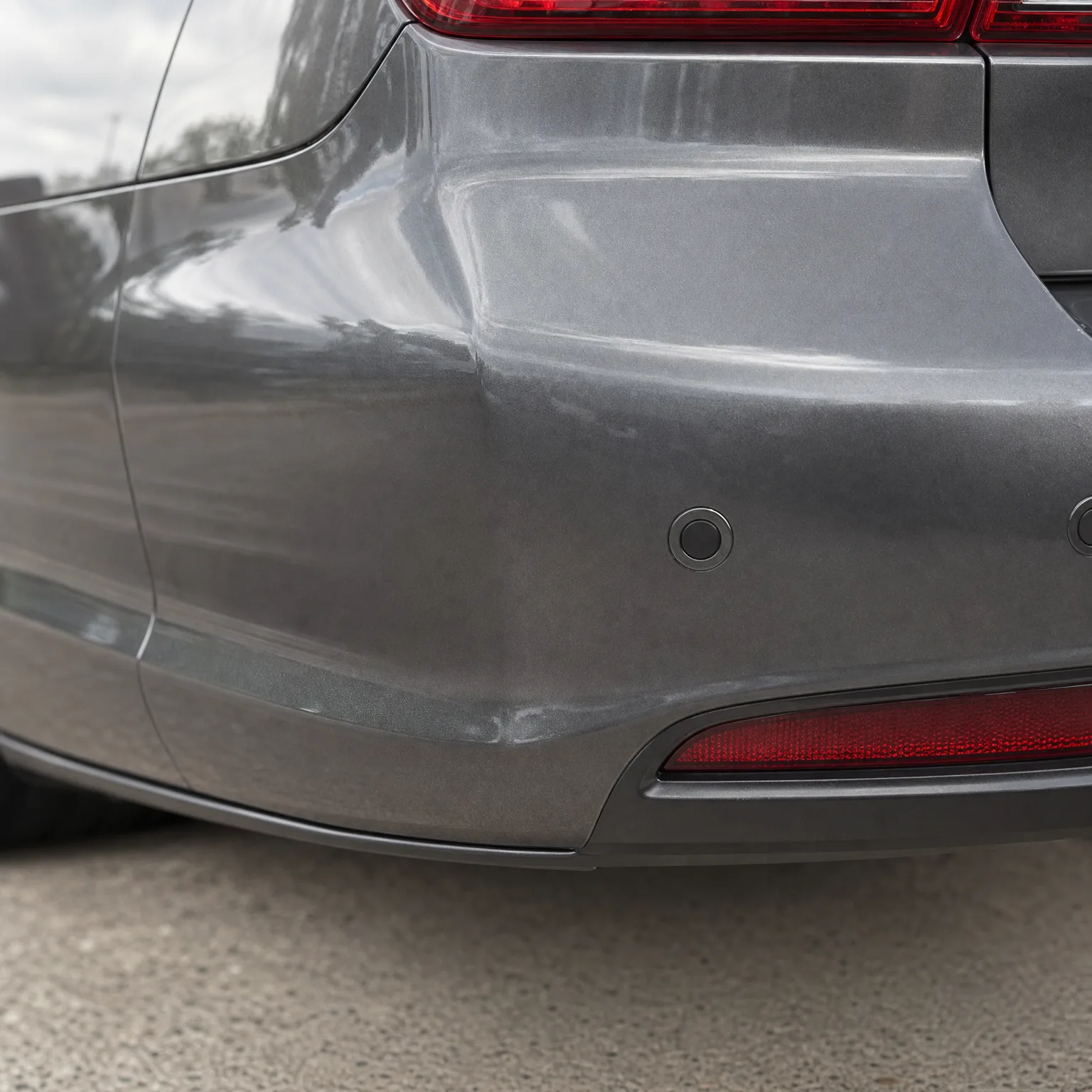
You're stopped at a light and a driver without insurance rear-ends you, leaving you with a strained neck and missed work.
This pays, since the at-fault driver has no coverage to pay your medical bills or lost wages.
A deer runs into the road at dusk and you swerve into a ditch, damaging the front of your car.
This doesn't pay, since no other driver was involved. Comprehensive coverage handles this instead.
Another driver runs a stop sign, hits your car, then drives off before you can get a license plate.
This pays, since an unidentified driver in a hit-and-run is treated the same as an uninsured one.
Once you know whether you want this coverage and at what level, you're in a good position to compare quotes and see how different insurers price it.
Questions people ask about this
Do I still need this if I have good health insurance?
Yes, because health insurance and this coverage serve different purposes. Health insurance pays your medical providers directly, but this coverage can also cover lost wages, pain and suffering, and gaps your health plan doesn't touch. Check your health plan's deductibles and limits before assuming it has you fully covered.
Does this coverage raise my rates if I use it?
Usually not the way an at-fault claim would, since the crash wasn't your fault. Rules vary by insurer and by state, so it's worth checking your own policy or asking directly how this type of claim is treated.
What if the other driver has a suspended license but still has insurance?
If their policy is active, their insurance typically still responds, even if their license was suspended. This coverage is about whether insurance exists, not about the other driver's license status.
Can I be sued by the uninsured driver after a crash?
It's possible, though uncommon, if they believe you were partly at fault. Keeping good records of the crash and any communication helps protect you either way. An attorney can advise on specifics if this comes up.
Does this coverage follow me if I'm driving someone else's car?
Often yes, since this type of coverage is usually tied to you as a driver, not just the vehicle listed on your policy. It can vary by policy and insurer, so it's worth confirming how yours is written before you assume you're covered.