Hit by an Uninsured Driver in Maryland
Uninsured motorist coverage pays for your injuries and, depending on how it's set up, your car damage when the at-fault driver has no insurance at all.
What it pays for
Covers
- Your medical bills Treatment, hospital stays and related care after a crash where the other driver had no insurance.
- Lost income Wages you miss while you recover, if your injuries keep you from working.
- Pain and suffering Compensation for the injury itself, not just the bills it created.
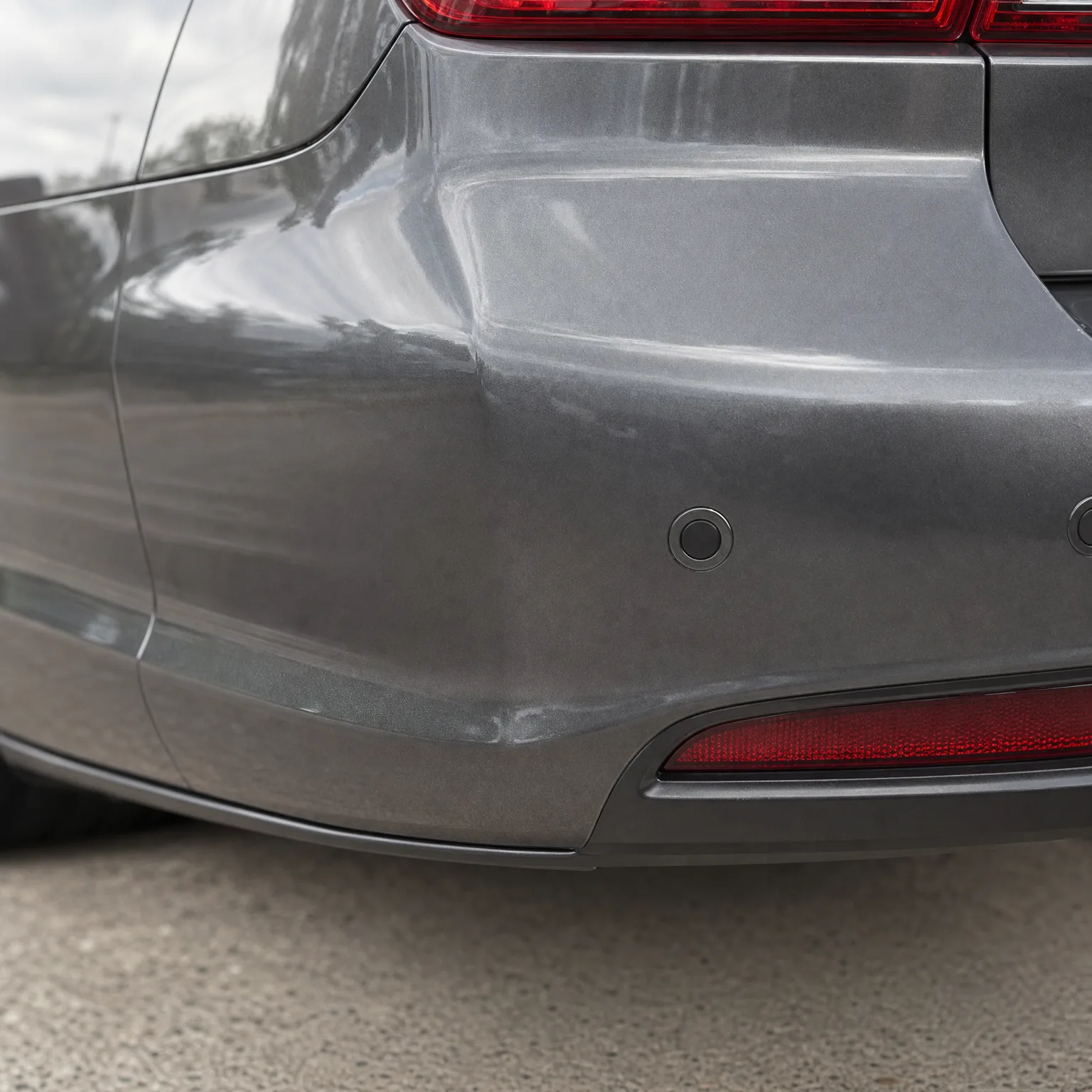
- Car damage, if added Uninsured motorist property damage is a separate piece you have to add on; it repairs or replaces your car.
- Hit-and-run crashes If the other driver flees and is never identified, this coverage treats it the same as if they had no insurance.
- A passenger's injuries Covers people riding in your car at the time, not just you.
Doesn't cover
- A driver who has some insurance If the other driver has coverage that's just too low to pay your full loss, that falls under underinsured motorist coverage instead.
- Damage you cause yourself A crash with no other driver involved is handled by your own collision coverage, if you carry it.
- Your car, without the add-on The medical side of this coverage doesn't touch car damage unless you've also bought the property damage version.
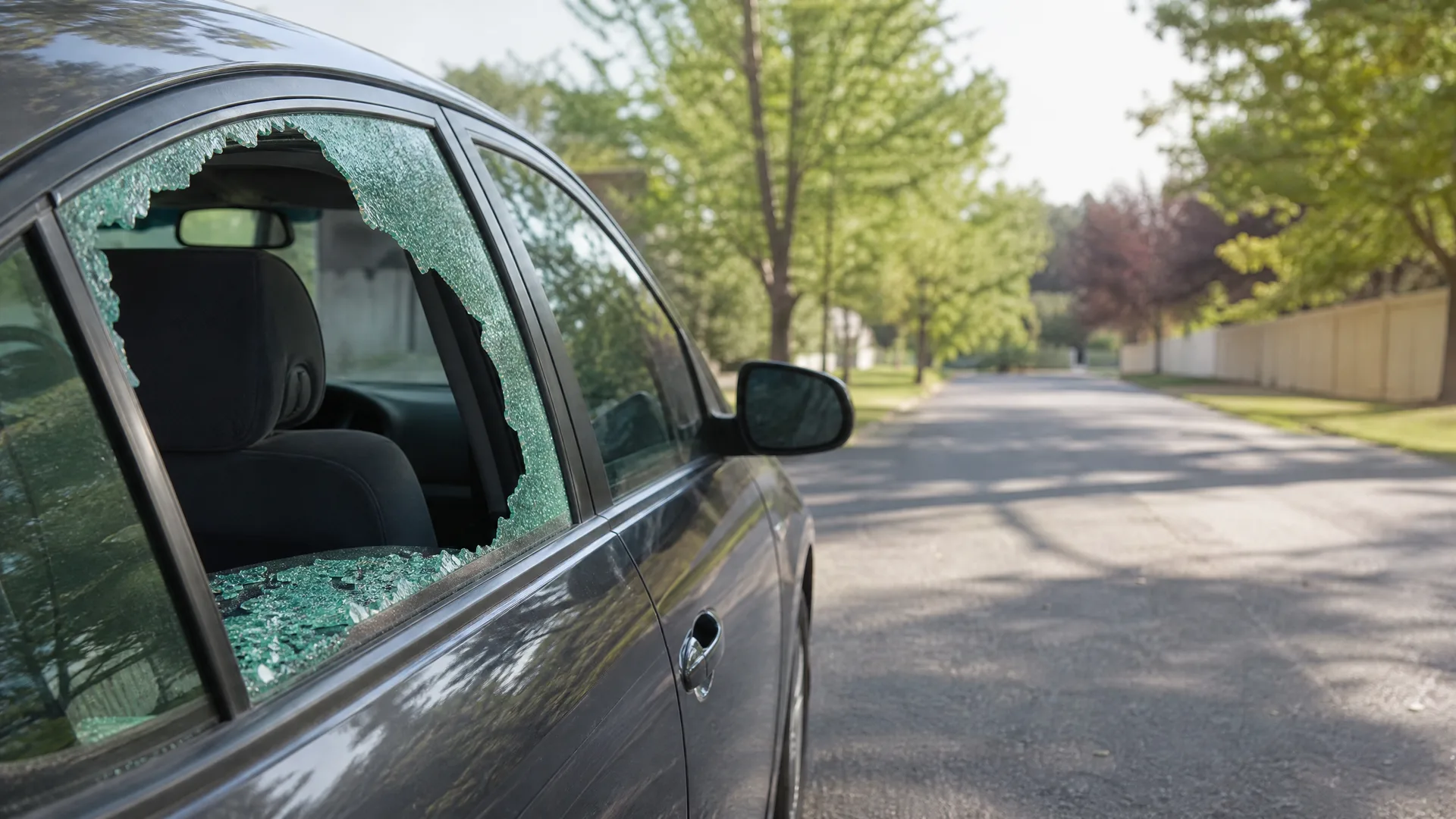
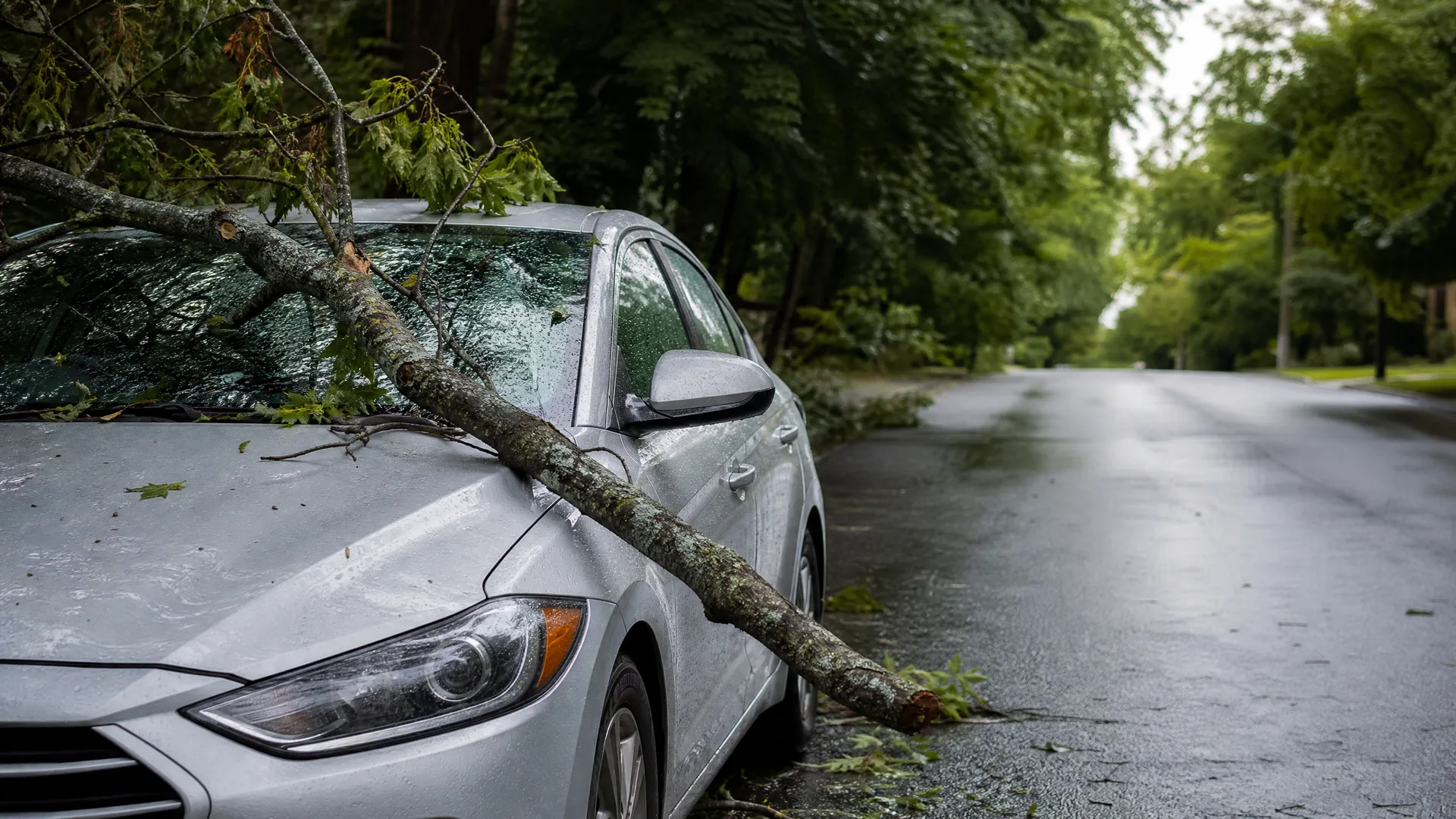
- Weather or animal strikes A deer, a falling branch or hail damage is a comprehensive claim, nothing to do with another driver.
- Mechanical breakdowns Normal wear or a part failing on its own has nothing to do with uninsured motorist coverage.
For most drivers over sixty, keeping this coverage is worth it
The case for this coverage has nothing to do with your own driving record and everything to do with the other person on the road. You can't control whether the driver who hits you carries insurance, and if they don't, your own health insurance and savings are what's left standing without this. For medical costs after a serious crash, that gap can be large enough to matter at any age.
The car damage side is a separate question. If your car is older and worth little, and you could pay to repair or replace it from savings without strain, you may decide the property damage add-on isn't worth carrying. The medical piece is a different calculation, since injuries don't scale down just because the car is old.
How much you drive and where the car sits both factor in too. A car driven often on highways and unfamiliar roads carries more exposure than one that mostly sits in a garage and makes short local trips. If you've cut back on driving significantly, that's worth weighing, though it rarely makes sense to drop the medical protection entirely.
Whether this coverage is required, optional, or automatically included varies by state, so check your own policy or declarations page to see exactly how yours is set up.
How a claim actually works
You file a claim with your own insurer, since the other driver has no coverage to pursue. The company investigates to confirm the other driver was in fact uninsured, which can take some back and forth if the other driver disputes the crash or can't be reached.
If your policy has a deductible on this coverage, it applies before payment starts, and whether there's a deductible at all depends on how your policy is written. The payout covers your medical bills, lost income and pain and suffering up to your policy's limit, and the car damage piece, if you carry it, covers repair or replacement up to that separate limit.
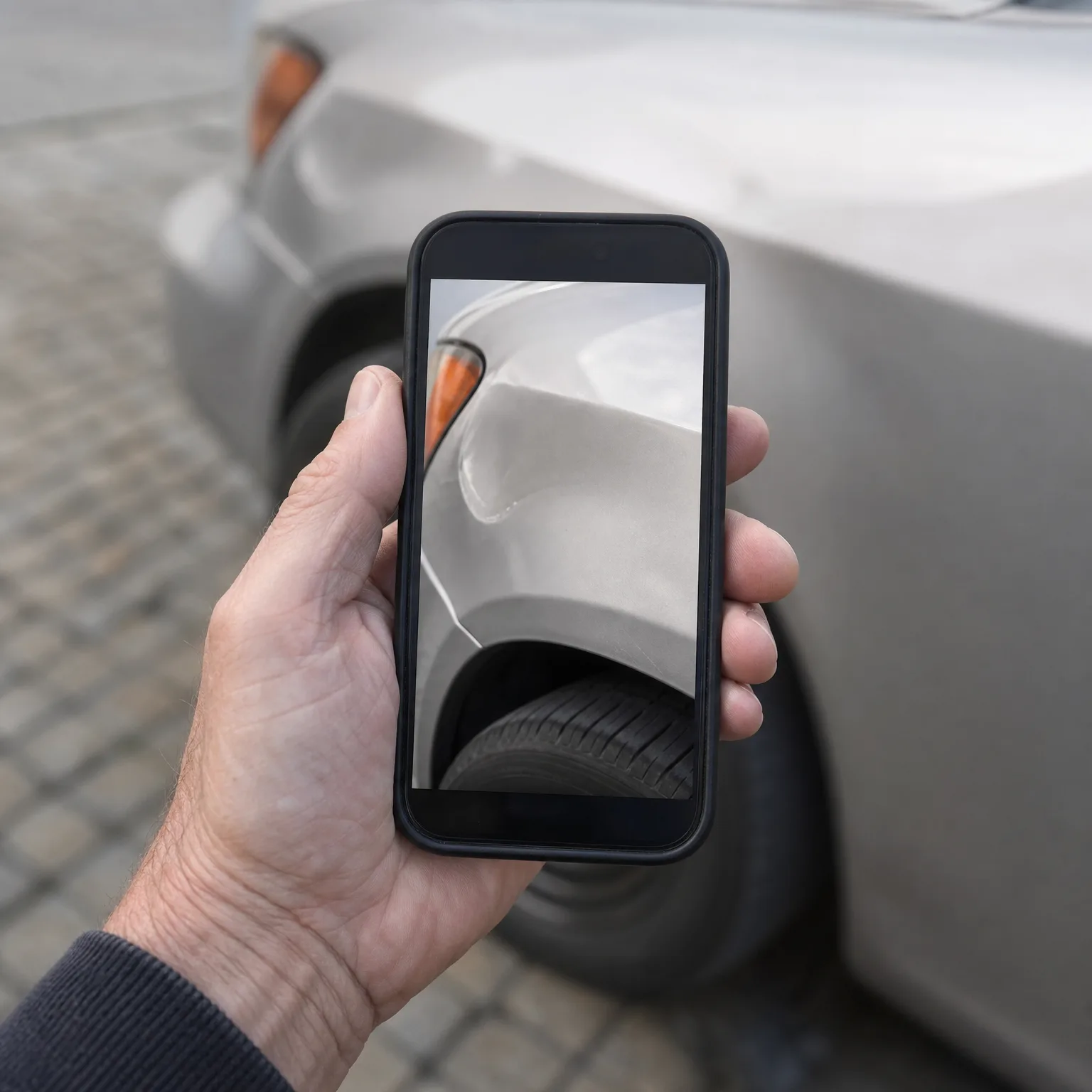
Have the police report, medical records and any proof of lost income ready, along with photos from the scene if you took any. The more documentation you bring, the smoother the claim tends to move, since your insurer is essentially standing in the other driver's place to evaluate the loss.
Uninsured motorist vs. underinsured motorist coverage
Uninsured motorist coverage
This applies when the other driver carries no insurance at all, or flees the scene and can't be identified. It pays for your medical costs and, if added, your car damage.
Underinsured motorist coverage
This applies when the other driver has insurance, but their limits are too low to cover your full loss. It makes up the difference between what they can pay and what you actually need.
Most drivers carry both together, since you can't know ahead of time which situation you'll end up in.
Real situations
You're stopped at a light and a driver rear-ends you, then admits they let their insurance lapse months ago.
This pays, since the other driver has no coverage to pay your medical bills.
A deer runs into the road at dusk and you can't avoid it, damaging the front of your car.
This doesn't pay, since no other driver is involved; that's a comprehensive claim instead.
Another car sideswipes you in a parking lot and speeds off before you can get a plate number.
This pays, since an unidentified hit-and-run driver is treated the same as an uninsured one.
Once you know how you want this coverage set up, compare quotes to see what it actually costs to keep it that way.
Questions people ask about this
Does uninsured motorist coverage cover my passengers too?
Yes, it covers passengers riding in your car at the time of the crash, not just you as the driver. Each passenger's medical costs are covered up to your policy's limits, though if multiple people are injured, the total payout still can't exceed what your policy allows overall. If you often drive others around, this is worth confirming on your own declarations page.
What happens if the uninsured driver is at fault but I'm also partly to blame?
Your payout may be reduced based on your share of fault, depending on how your state handles shared blame in these situations. Some states reduce your payment proportionally, while others have different rules entirely, so this varies by state. Check your policy or ask your insurer how fault-sharing is handled where you live.
Can I still sue the uninsured driver separately?
Yes, filing a claim with your own insurer doesn't stop you from pursuing the other driver directly in court. In practice, many people don't bother, since a driver without insurance often doesn't have meaningful assets either. It's worth discussing with an attorney if your losses were serious and you believe the other driver has resources.
Does this coverage follow me or just my car?
It typically follows you as a named driver, which means it can apply whether you're in your own car, a rental, or someone else's vehicle with permission. The exact scope depends on how your policy defines it, so check the wording rather than assuming. This differs from coverages that are tied strictly to a specific vehicle.
Will my rates go up if I use this coverage after a crash that wasn't my fault?
Often they won't, since the crash wasn't your fault and you didn't cause the loss. Insurers vary in how they treat not-at-fault claims, though, so it's worth asking your own company directly how they handle it. This is a reasonable question to raise before you file, not just after.