Hit by an Uninsured Driver in Washington
Uninsured motorist coverage pays for your injuries and sometimes your car when the driver at fault has no insurance at all.
What this coverage pays for
Covers
- Your medical bills If the other driver has no insurance, this picks up your treatment costs instead of leaving you to pay out of pocket.
- Lost income from the crash If your injuries keep you from working, this can replace some of what you'd have earned.
- Pain and suffering Unlike your own health insurance, this can pay for the harder-to-price parts of being hurt, not just medical bills.
- A hit-and-run driver If the driver who hit you took off and was never identified, this coverage treats it the same as an uninsured driver.
- Riding as a passenger If you're hurt in someone else's car and the at-fault driver has no coverage, this still applies to you personally.
- Family members on your policy The people listed on your policy are usually covered under this even when they're driving a different car.
Doesn't cover
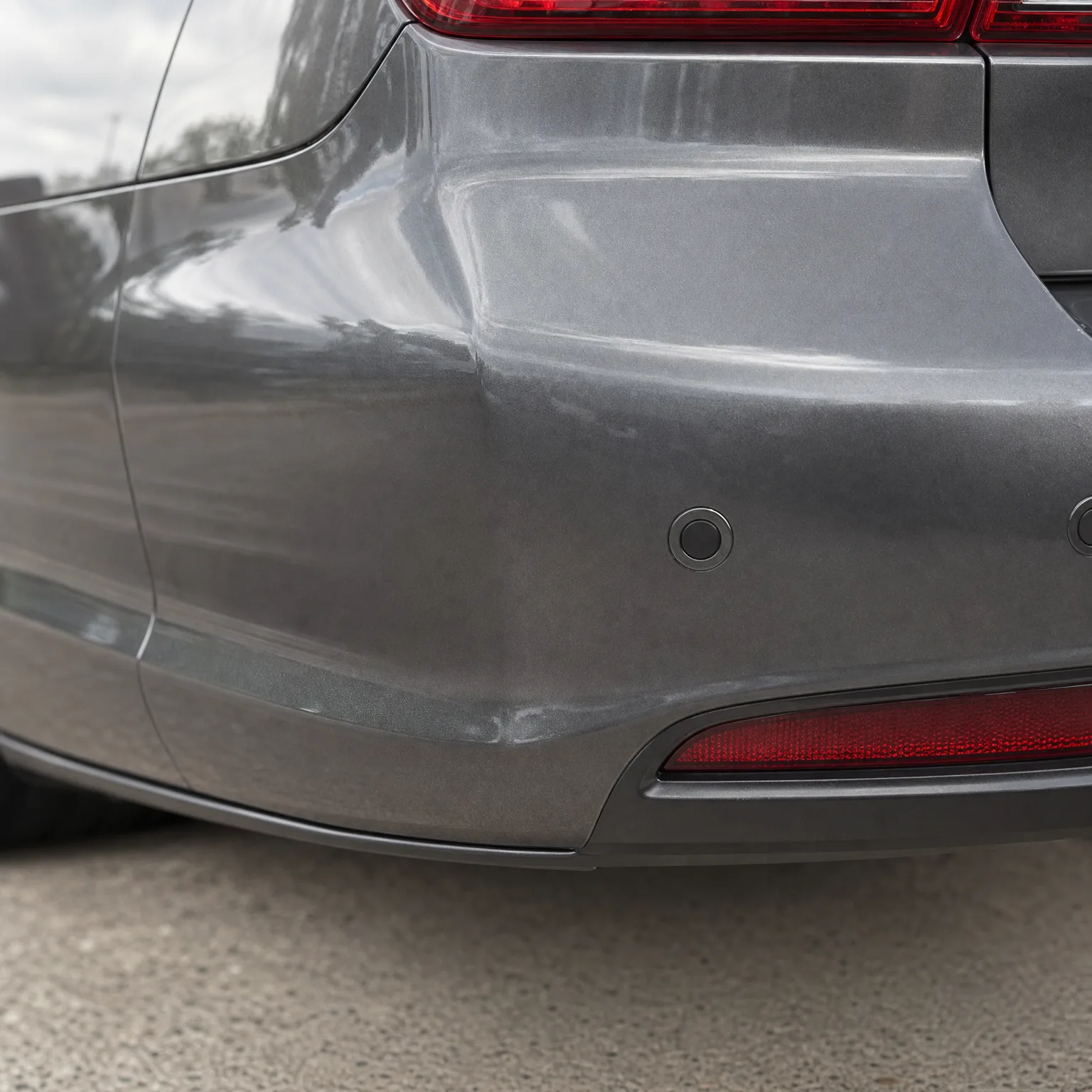
- Damage to your own car That's handled by a separate piece called uninsured motorist property damage, or sometimes by your collision coverage instead.
- Hitting a parked structure or animal That's a collision or comprehensive claim, not this one, since there's no other driver at fault.
- An underinsured driver's full gap That's a related but separate coverage, underinsured motorist, which kicks in when the at-fault driver has some insurance but not enough.
- Your own deductible being waived You may still owe a deductible depending on how your policy is set up, even though the other driver was at fault.
- Damage you caused to someone else This coverage only responds when someone else is at fault and lacking insurance, not when you caused the crash.
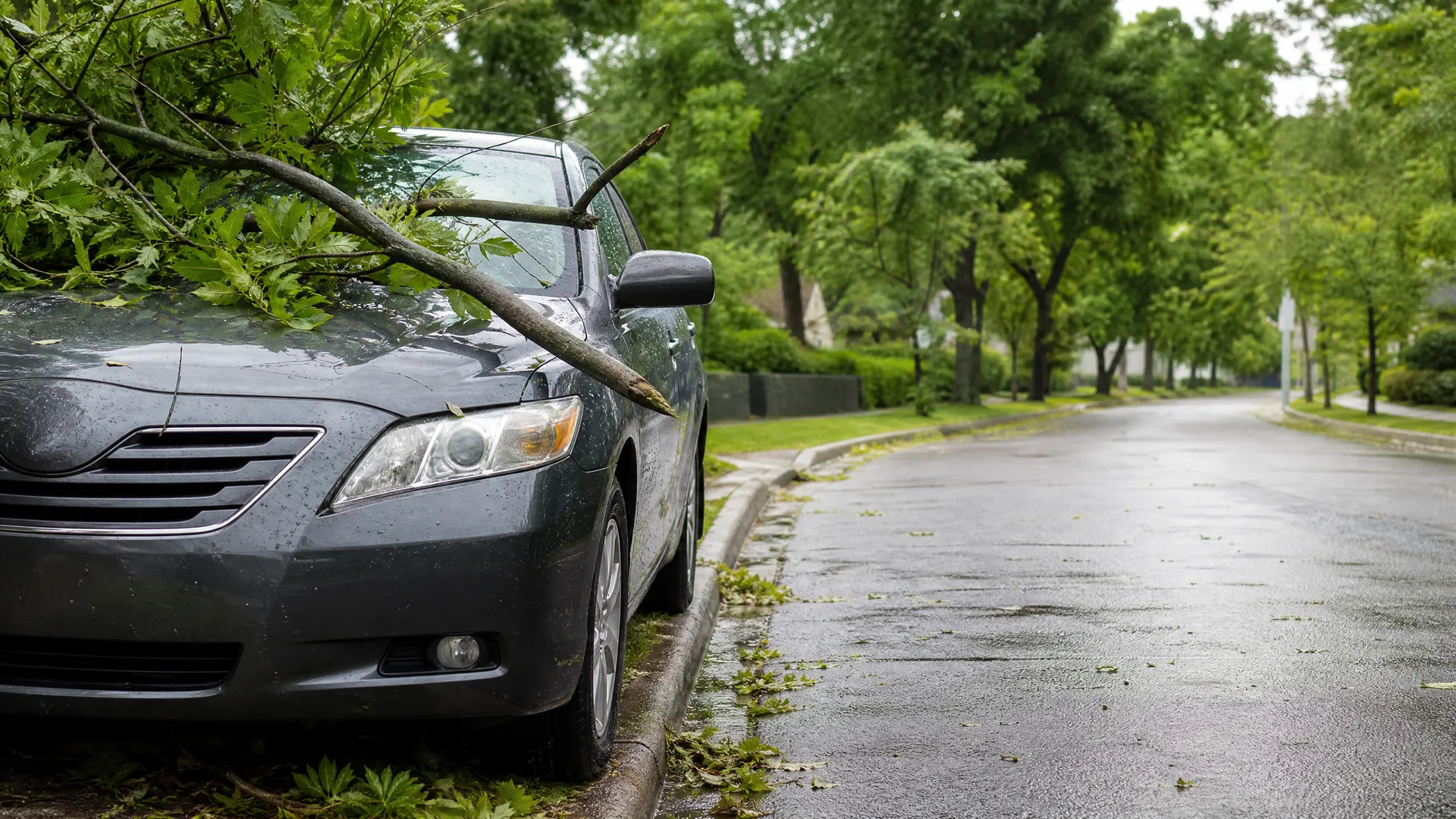
For most older drivers, this is worth keeping
The case for dropping this coverage usually rests on having a car that's old, paid off, and not worth much to repair. But this coverage mostly isn't about your car. It's about your body, and a crash with an uninsured driver can leave you with medical bills and lost function regardless of what you were driving.
Think about how much of a serious injury you could absorb from savings without this coverage behind you. Many older drivers are on fixed incomes, and an uninsured driver causing a significant injury can turn into a financial problem fast, on top of a physical one. This coverage exists for exactly that gap.
How much you drive and where the car sits matters less here than it does for other coverages, since this protects you as a person more than the vehicle. Even someone who drives rarely is still exposed every time they're on the road, and a single bad encounter is what this is for.
Whether this coverage is required or automatically offered varies by state, so check your own policy to see how it's currently set up and whether you could add more of it.
How a claim actually works
You report the crash to your own insurer, even though the other driver is the one who hit you and had no insurance. Your insurer investigates who was at fault, much like they would for any other claim, and may ask for a police report, witness information, and your medical records.
A deductible may apply depending on your policy, so it helps to know ahead of time whether yours does. Once fault is established, the payment covers your medical costs and related losses up to your policy's limit, but it won't cover damage to your car under this piece of coverage.
Have your police report, medical bills, and any documentation of missed work ready, since these are what your insurer will use to evaluate the claim. It can take some back and forth, especially if your injuries are still being treated, so keep records as you go rather than trying to reconstruct them later.
Often confused with underinsured motorist coverage
Uninsured motorist coverage
This applies when the other driver has no insurance at all, including hit-and-run drivers who are never identified. It covers your injuries and related losses, not your car.
Underinsured motorist coverage
This applies when the other driver has insurance, but not enough to cover what you're owed. It fills the gap between their limit and your actual losses.
Most people carry both together, since you don't know ahead of time which situation you'll end up in.
Real situations
You're stopped at a light and a driver without insurance rear-ends you, leaving you with a sore back and a doctor's visit.
This pays for your medical costs since the at-fault driver has no insurance to cover them.
A deer runs into the road at dusk and you swerve into a ditch, damaging your car but hurting no one.
This doesn't pay here, since there's no other driver involved. That's a comprehensive claim.
A driver runs a stop sign, hits your car, and takes off before you can get a license plate number.
This pays, since an unidentified hit-and-run driver is treated the same as an uninsured one.
Once you know whether you want to keep, raise, or drop this coverage, you can compare quotes with that decision already settled.
Questions people ask about this
Do I still need uninsured motorist coverage if I have good health insurance?
Yes, because health insurance and this coverage pay for different things. Health insurance covers your treatment regardless of fault, but this coverage can also pay for lost income and pain and suffering, which health insurance won't touch. Many older drivers keep both for that reason.
What happens if the uninsured driver who hit me has no assets?
It doesn't matter, since this coverage pays out through your own policy rather than by collecting money from the other driver. Your insurer handles the payment and may separately try to recover costs from the at-fault driver later, but that process doesn't affect your claim.
Can my insurance rates go up after an uninsured motorist claim?
It depends on your insurer and your state, since rules vary on whether a claim that wasn't your fault can affect your rate. Ask your agent directly how your policy treats these claims before you decide anything based on rate worries.
How much uninsured motorist coverage should an older driver carry?
Match it to what a serious injury could realistically cost you, not to the minimum your state allows. Many people set this limit similar to their liability limit, since the risk runs the same direction, just aimed at protecting you instead of someone else.
Does uninsured motorist coverage follow me if I'm a passenger in someone else's car?
Yes, this generally follows you as a person, not just the car listed on your policy. If you're riding with someone else and the at-fault driver has no insurance, your own policy's uninsured motorist coverage can still apply to you.