Hit by an Uninsured Driver in Oregon
Uninsured motorist coverage pays for your injuries and sometimes your car when the at-fault driver has no insurance at all.
What this coverage pays for
Covers
- Your medical bills If the other driver had no insurance, this steps in to cover your treatment the way their liability coverage would have.
- Lost income If you can't work while you recover, this can replace wages you lost because of the crash.
- Pain and suffering Unlike basic injury coverage, this can pay for the harder-to-price cost of a serious injury, not just the bills.
- Hit-and-run crashes If the other driver takes off and is never identified, this coverage treats it the same as if they had no insurance.
- A passenger's injuries Someone riding with you who gets hurt is covered the same way you are, under your policy.
- Family members as pedestrians If you or someone on your policy is walking or on a bike and gets hit by an uninsured driver, this still applies.
Doesn't cover
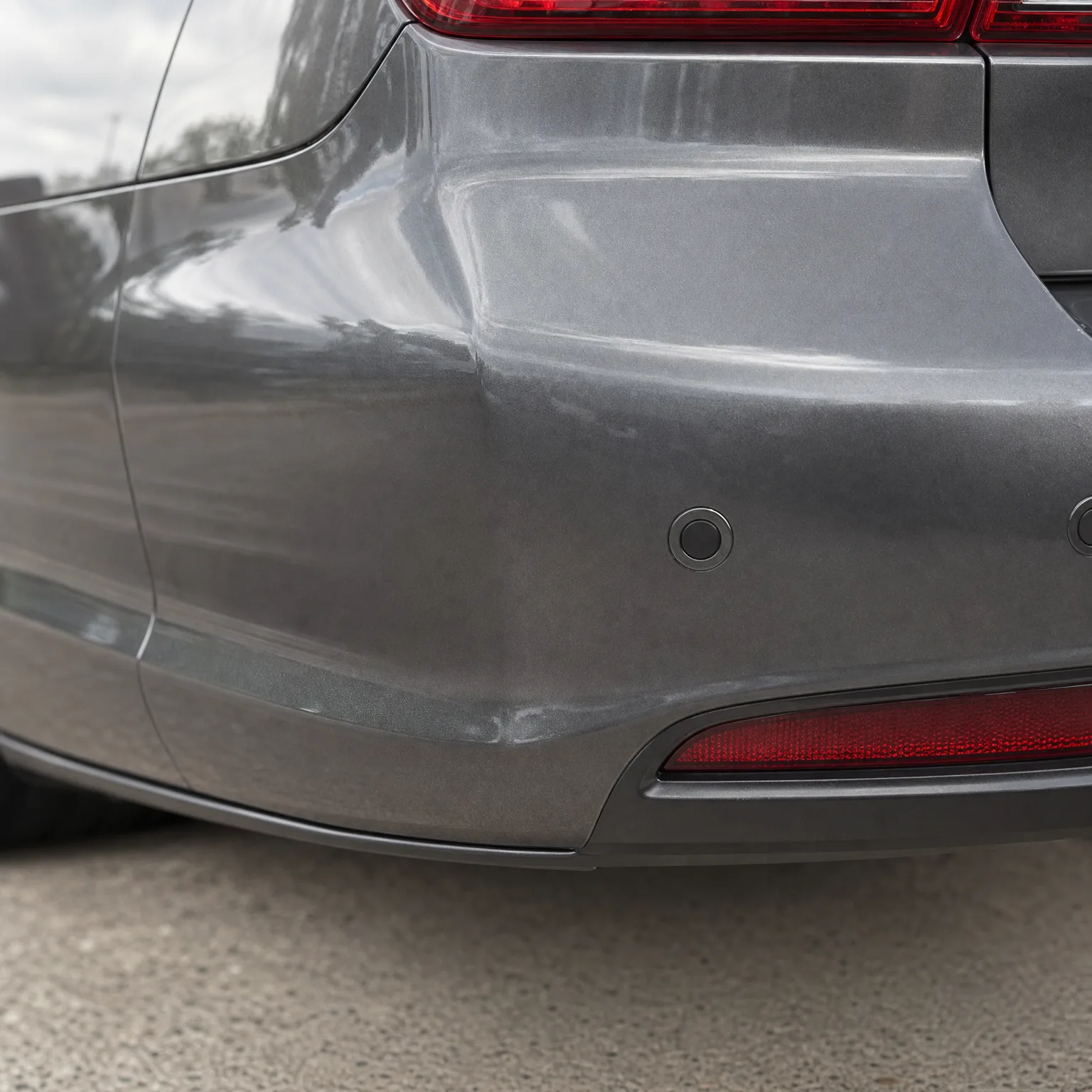
- Damage to your car In most states that's a separate piece, often called uninsured motorist property damage, and it may not be included automatically.
- Your own driving mistakes This only pays when someone else caused the crash and had no insurance. It doesn't cover a crash that was your fault.
- An underinsured driver's full gap If the other driver has some insurance but not enough, a related but separate coverage usually has to pick up the rest.
- Routine repairs or wear This is about crash injuries and losses caused by an uninsured driver, not maintenance or mechanical problems.
- A crash with an insured driver who simply denies fault If the other driver has insurance, this coverage isn't involved at all. That dispute runs through their insurer or yours in other ways.
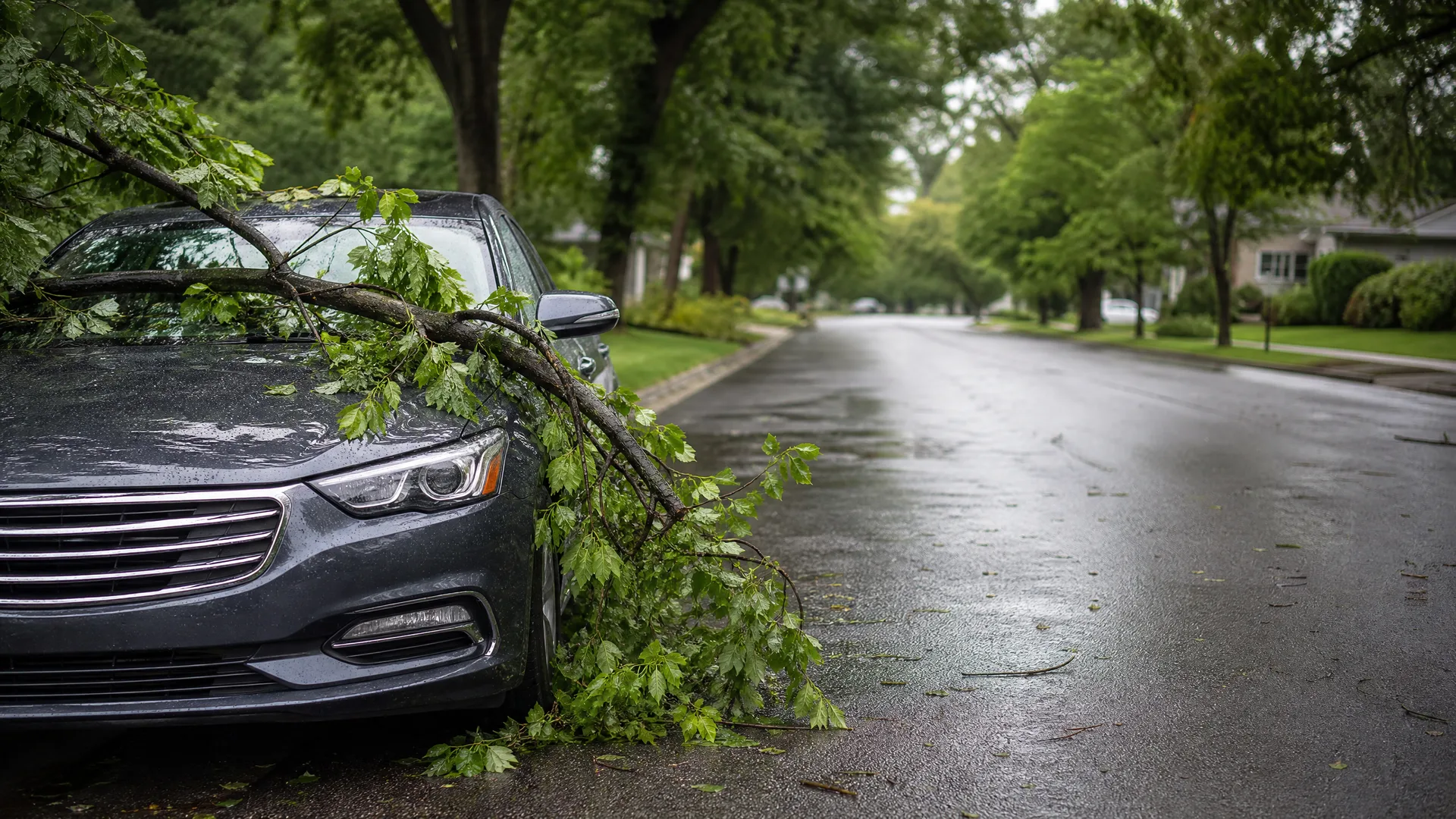
For most older drivers, this is worth keeping
Start with what your car is worth and whether you're still paying on it. If it's older and paid off, you might feel fine skipping some coverages tied to your own car. This one is different because it exists for your body, not your car, and that doesn't depreciate with age.
Think about what you could absorb out of savings if you were seriously hurt by a driver with nothing behind them. Medical costs from a serious crash can run far past what a basic injury coverage pays, and at this stage of life recovery often takes longer and costs more. This coverage is what stands between you and paying that gap yourself.
How much you drive matters too. If you're mostly running errands close to home, your exposure is lower than someone commuting daily, but it never reaches zero. Uninsured drivers aren't limited to highways, and a quiet neighborhood intersection is just as likely a place to get hit.
Where the car sits overnight has no real bearing on this one. This isn't about theft or vandalism. It's about what happens the moment someone without insurance hits you, and that can happen anywhere you drive.

How a claim actually works
There's often a deductible that applies before this pays out, though in many states it only applies to the property damage portion and not to your injury claim. Check your own policy to see how it's structured, since this is one of the places that varies.
After a crash, you'll need to show that the other driver had no insurance, which your insurer typically confirms directly. A hit-and-run usually needs a police report filed soon after the crash to support the claim.
Once it's confirmed, the payment works much like a liability claim would, covering medical costs, lost income, and related losses up to your policy's limit. It doesn't restore your car unless you also carry the property damage version or separate collision coverage.
Have your medical records, any police report, and a record of missed work ready. The more documented your losses are, the smoother the payout tends to go.
Often confused with underinsured motorist coverage
Uninsured motorist coverage
This applies when the at-fault driver has no insurance at all, or fled the scene and can't be identified. It fills in for the liability coverage that should have been there.
Underinsured motorist coverage
This applies when the other driver does have insurance, but their limits aren't enough to cover what you lost. It picks up the difference between their limit and your actual costs.
Most people carry both, since you rarely know in advance whether the other driver will have no insurance or just not enough.
Real situations
You're stopped at a light and a driver without insurance rear-ends you, leaving you with a strained back and missed work.
This pays for your medical care and lost income, since the at-fault driver had no coverage of their own.
A driver runs a stop sign on a county road, hits your car, and takes off before you can get a plate number.
This pays as a hit-and-run claim once you've filed a police report, treating the unknown driver as uninsured.
A hailstorm hits while your car sits in a church parking lot and leaves dents across the hood.
This doesn't pay, since no other driver was involved. That's a comprehensive claim instead.
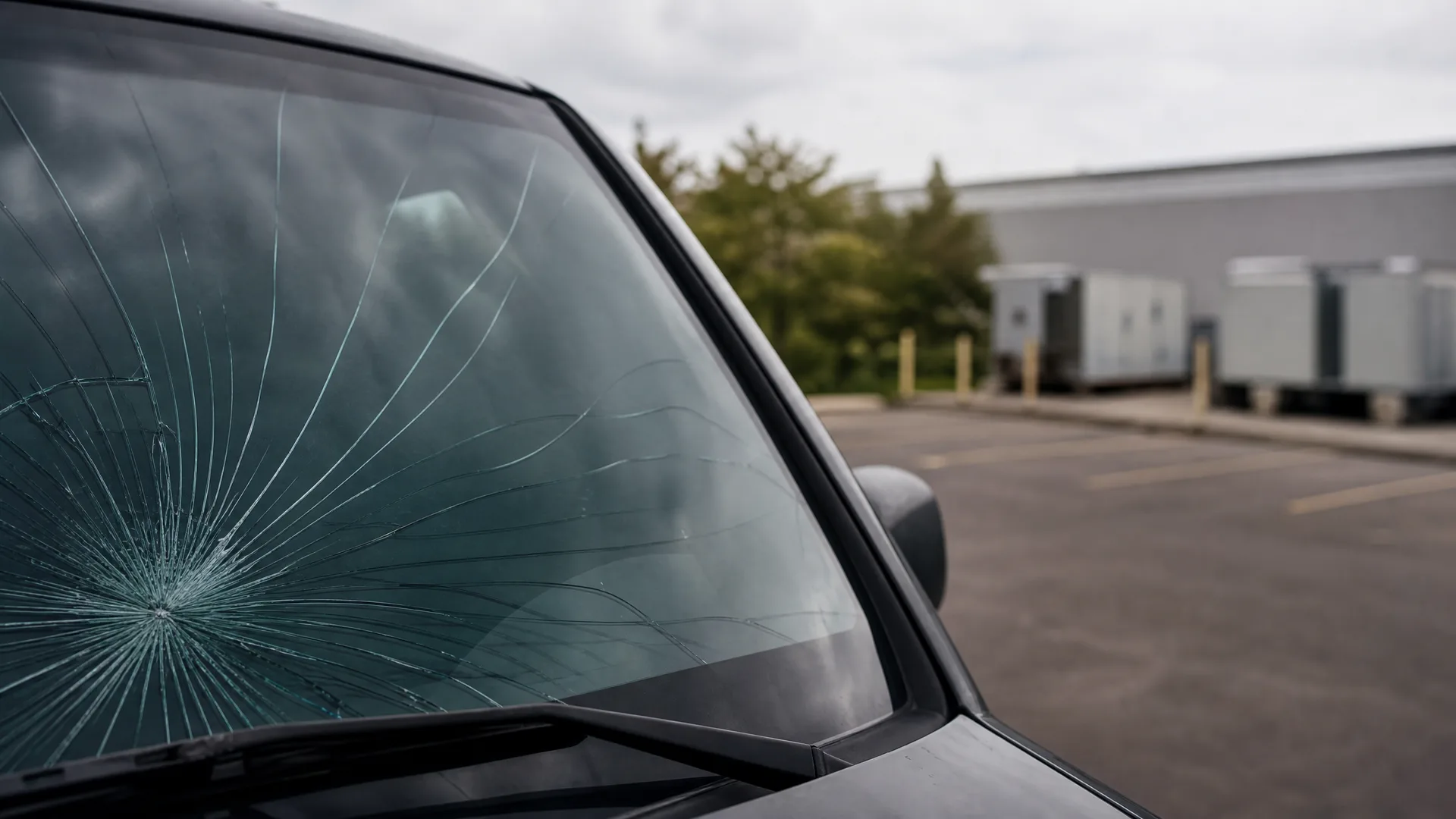
Now that you know what this coverage does and doesn't do, you can compare quotes with your limits already decided.
Questions people ask about this
Do I need uninsured motorist coverage if I already have health insurance?
Yes, because health insurance doesn't cover lost income, pain and suffering, or gaps left by someone else's missing liability coverage. The two work differently and don't overlap much. Check what your health plan actually covers after an accident before assuming it's enough.
Can I use uninsured motorist coverage if the other driver is never found?
Yes, a hit-and-run is generally treated the same as being hit by an uninsured driver. You'll usually need to report the crash to police soon after it happens to support the claim. Without that report, the claim can be harder to support.
Does my rate go up if I file an uninsured motorist claim?
It depends on your insurer and state, since this wasn't your fault in the way a standard at-fault claim is. Some insurers treat it differently from claims where you caused the crash. Ask your agent directly how your particular insurer handles it.
How much uninsured motorist coverage should I carry?
A common approach is to match it to your liability limits, since that keeps your own protection in line with what you offer others. Consider your savings and what you could realistically absorb if you were seriously hurt. An agent can walk through your specific limits and what they'd mean in a real claim.
Is uninsured motorist coverage required by law?
That depends on where you live, since some states require it and others just require insurers to offer it. Check your own policy or declarations page to see what you currently carry. If it isn't listed, ask your agent directly whether it's required or optional where you are.