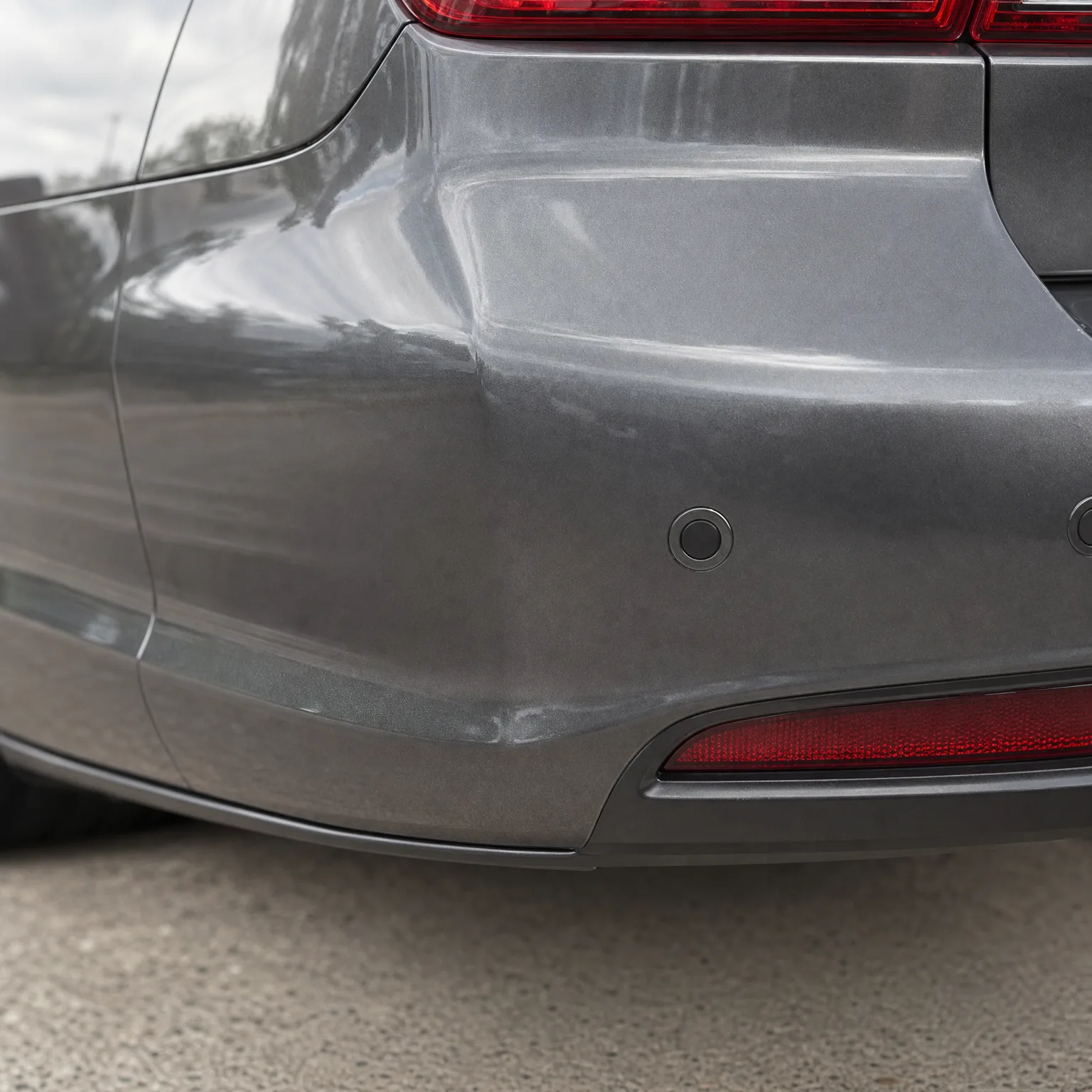
Hit by an Uninsured Driver in Maine
Uninsured motorist coverage pays for your injuries and, in some cases, your car, when the driver who caused the crash has no insurance at all.
What this coverage pays for
Covers
- Your medical bills It covers treatment for injuries you suffer in a crash caused by a driver who carries no insurance.
- Lost income If your injuries keep you from working, this can replace some of what you would have earned.
- Pain and suffering Unlike basic medical coverage, this can account for the physical toll of the crash, not just the bills.
- Passengers in your car Anyone riding with you who gets hurt is covered the same way you are.
- Hit and run crashes If the other driver flees and is never identified, this coverage treats it the same as if they had no insurance.
- Your car, if you add it In some setups you can also add coverage for damage to your vehicle, separate from the injury portion.
Doesn't cover
- Damage from a storm or animal That falls under your own comprehensive coverage, not this one, since there's no other driver at fault.
- Your own driving mistakes If you cause the crash yourself, your liability coverage and collision coverage handle that, not this.
- Full replacement of a new car The payout is based on the value of your car at the time of the crash, not what it costs to replace it new.
- Damage when the other driver has some insurance If they're insured but it isn't enough, a related coverage called underinsured motorist handles that gap instead.
- Routine repairs or wear This only responds to a specific crash caused by an uninsured driver, not general upkeep of your car.
For most older drivers, this is worth keeping
The case for keeping this coverage usually comes down to what a serious injury claim would cost you without it. Medical care after a real crash adds up fast, and if the other driver has nothing to pay with, you're left covering it yourself unless this coverage is in place.
What your car is worth matters less here than it does for comprehensive or collision, since the heart of this coverage is injury, not vehicle damage. Even someone driving an older, paid-off car still has a body that can be hurt, and that risk doesn't shrink with the car's value.
How much you drive and where the car sits matter more. A driver who still covers real distance on highways or rural roads faces more exposure than someone who mostly runs short errands near home. If you've cut back on driving significantly, that's worth weighing, though the coverage tends to be inexpensive relative to what it protects.
Whether you could absorb a large medical bill from savings is the real question. If a serious injury with no payout from the other driver would strain your finances, this coverage is doing real work for you. If you have substantial savings and strong health coverage already, the case for it is a bit softer, but rarely gone.

How a claim actually works
When you're hit by a driver with no insurance, you file this claim with your own insurance company, not theirs, since there's no other policy to pursue. Your insurer investigates who was at fault just as they would with any other claim, so you'll want a police report and any details you gathered at the scene.
If your policy includes a deductible for this coverage, it applies before the payout starts, similar to how collision coverage works. The payment is meant to cover your medical costs, lost income, and pain and suffering tied to the crash, not unrelated expenses.
Have your medical records, bills, and any proof of missed work ready, since those are what your insurer uses to calculate the payout. If the at-fault driver is later identified or found to have some insurance after all, the claim may shift to a different part of your policy.
This coverage versus underinsured motorist coverage
Uninsured motorist coverage
This applies when the at-fault driver has no insurance at all, or fled the scene and was never identified. It steps in completely, since there's no other policy to draw from.
Underinsured motorist coverage
This applies when the at-fault driver does have insurance, but their limits aren't enough to cover your injuries. It fills the gap between what they can pay and what your claim is actually worth.
Most drivers want both, since you can't control whether the other driver has no insurance or just too little.
Real situations
You're stopped at a light and a driver without insurance rear-ends you, leaving you with a strained back that needs physical therapy.
This pays, since the at-fault driver has no insurance to cover your treatment.
A hailstorm damages your car's hood and windshield while it's parked at church on a Sunday morning.
This doesn't pay, since there's no other driver involved; that's a comprehensive claim instead.
A deer runs into the road at dusk and you swerve into a ditch, damaging the front end of your car.
This doesn't pay either, since there's no other driver at all, insured or not.
Once you know how you want this coverage set up, you can compare quotes with that decision already made.
Questions people ask about this
Do I need uninsured motorist coverage if I have health insurance?
You can still benefit from it, since health insurance often doesn't cover lost income or pain and suffering the way this coverage does. Health insurance may also leave you with copays and deductibles that this coverage can offset. Check how the two would interact on your specific policy.
What happens if the uninsured driver has some assets?
Your insurer may pursue the at-fault driver for reimbursement after paying your claim, which is separate from your own involvement. This doesn't usually change what you receive or when you receive it. It's handled behind the scenes between insurers and the driver.
Does filing this claim raise my rates?
It depends on your insurer and state rules, since this varies and isn't something to assume either way. Because the crash wasn't your fault, many insurers treat it differently than an at-fault claim. Ask your agent directly how this type of claim is handled on your policy.
Is this coverage required by law?
Whether it's required or just offered varies by state, so check your own policy or state rules to be sure. Some states require it, others only require insurers to offer it to you. Your declarations page will show whether you currently carry it.
Can I add this coverage at my age?
Yes, age doesn't restrict your ability to add this coverage to an existing policy. Insurers base it on your coverage choices and driving record, not your age alone. If you're unsure whether you have it, ask your agent to point it out on your policy.