Hit by an Uninsured Driver in Wyoming
Uninsured motorist coverage pays for your injuries and, depending on your policy, your car when the at-fault driver has no insurance at all.
What it actually pays for
Covers
- Your medical bills If an uninsured driver hits you, this picks up treatment costs that their nonexistent liability coverage would have paid.
- Lost income If your injuries keep you from working, this can replace wages you missed because of the crash.
- Pain and suffering Unlike your own health insurance, this coverage can pay for the physical and emotional toll, not just medical bills.
- Passengers in your car Anyone riding with you when an uninsured driver hits you is covered too, not just the driver.
- Hit-and-run crashes If the other driver flees and can't be identified, that counts as uninsured for this coverage.
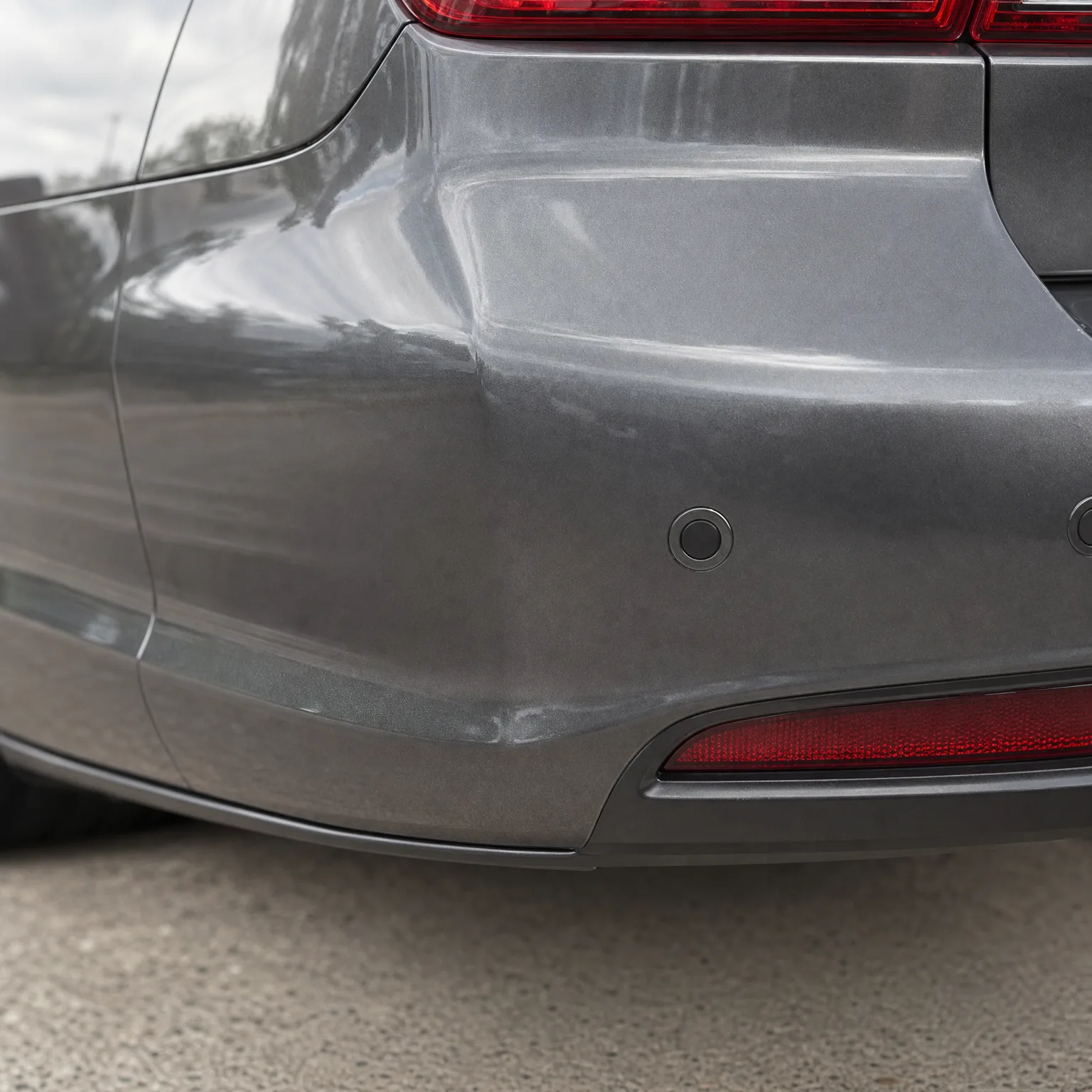
- Car damage, if you added it Some policies include uninsured motorist property damage as a separate piece, which pays for repairs to your vehicle.
Doesn't cover
- Your own at-fault accidents If you cause the crash, this coverage doesn't apply at all. Your liability coverage handles damage you cause to others.
- Damage from potholes or weather This only responds when another driver is at fault and uninsured. Comprehensive coverage handles weather, animals, and road hazards.
- Repairs if you didn't add property damage In many places the basic version only covers injuries. You need to check whether your policy includes the property damage piece.
- A driver who has some insurance but not enough That situation falls under underinsured motorist coverage, a related but separate line on your policy.
- Damage to someone else's car or property That's what the other driver's liability coverage would pay, if they had any. This coverage only protects you.

For most drivers this one, keep it
This is inexpensive protection against a real gap, and dropping it rarely saves enough to matter. The bigger question for someone your age is usually whether to keep it high enough to actually help, not whether to carry it at all.
Think about what a serious injury would cost you if the other driver had nothing to pay with. Health insurance and Medicare can leave real gaps, especially for extended care or rehab after a bad wreck, and this coverage can fill those gaps when the person who hit you can't.
How much you drive matters too. If you're mostly running local errands and rarely on busier roads, your exposure is lower than someone who commutes or drives long distances regularly. But uninsured drivers turn up on quiet roads as often as busy ones, so low mileage is a reason to ask about the amount, not a reason to drop it.
If you're the kind of driver who could absorb a significant injury claim from savings without real hardship, you have more flexibility here. Most people can't, and for them this coverage is one of the more reliably useful lines on the policy.
How a claim actually goes
There's usually no deductible on the injury portion of this coverage, though the property damage piece, if you have it, often carries one. You'll want to check your own policy for how that's set up since it affects what you pay out of pocket for car repairs.
After a crash, you report the claim to your own insurer just as you would any other, and they investigate whether the other driver was in fact uninsured. This can take some back and forth, especially if the other driver disputes fault or can't be located right away.
Have the police report, any medical records or bills, and documentation of lost income ready to share. The more clearly you can show what the crash cost you, the smoother the claim tends to move.
The payout covers your medical expenses, lost income, and pain and suffering up to your policy's limit. It won't cover damage you caused, and it won't exceed whatever limit you chose when you set up the policy, so the number you picked years ago is worth a second look now.
Often confused with underinsured motorist coverage
Uninsured motorist coverage
This applies when the at-fault driver has no insurance whatsoever, including hit-and-run situations where the driver can't be found. It steps in completely because there's nothing else to draw from.
Underinsured motorist coverage
This applies when the at-fault driver has insurance, but not enough to cover your full injuries or losses. It pays the difference between what their policy covers and what you're actually owed.
Most drivers benefit from carrying both, since you can't control whether the person who hits you has no insurance or just too little.
Real situations
You're stopped at a light and another driver rear-ends you. The police confirm the other driver has no insurance at all.
This pays for your injuries and lost income, since the at-fault driver had no coverage to draw from.
A driver runs a stop sign on a county road and clips your car, then keeps driving before you can get a plate number.
This covers a hit-and-run as an uninsured motorist claim, since the other driver can't be identified or held responsible.
Hail damages your parked car outside church while no other vehicle or driver is involved.
This doesn't pay here, since no driver caused the damage. Comprehensive coverage is what applies to weather damage.
Once you know whether to keep, raise, or drop this coverage, you can compare quotes with that decision already settled.
Questions people ask about this
How much uninsured motorist coverage should I carry?
Enough to match what a serious injury could actually cost you, which for many people means matching or exceeding their liability limits. Check what you currently carry against your liability coverage, since many policies default to a lower amount unless you ask otherwise. Your agent can walk through the gap if there is one.
Does uninsured motorist coverage raise my rates if I use it?
It can, though rules and practices around this vary by insurer and by state. Since the crash wasn't your fault, many insurers treat it differently than an at-fault claim, but you should check your own policy or ask directly before assuming either way.
Is uninsured motorist coverage required by law?
This varies by state, with some requiring it and others only requiring insurers to offer it. Check your own policy or your state's requirements to see where you stand, since this isn't something to assume based on what a neighbor or relative has.
What if the uninsured driver who hit me has assets like a house?
You can still pursue them directly in court for damages beyond what your coverage pays, separate from any insurance claim. This is a legal route rather than an insurance one, and it usually makes sense to talk to an attorney before deciding if it's worth pursuing. Many people never recover much this way even when they win, since a judgment doesn't guarantee payment.
Can I stack uninsured motorist coverage across multiple vehicles on my policy?
Sometimes, depending on your insurer and your state's rules, and it can meaningfully increase how much is available after a serious crash. Ask your agent directly whether your policy allows stacking, since it isn't always offered automatically. This is worth asking about if you insure more than one car on the same policy.