Hit by an Uninsured Driver in Utah
Uninsured motorist coverage pays for your injuries and, depending on how it's set up, your car damage when the other driver has no insurance at all.
What it pays for
Covers
- Your medical bills It covers treatment for injuries you suffer in a crash caused by a driver who carries no insurance.
- Lost income If you can't work while you recover, this coverage can replace wages you missed.
- Pain and suffering Unlike basic medical coverage, this can pay for the physical and emotional toll, not just the bills.
- Hit-and-run crashes When the other driver flees and is never identified, this steps in as if they had no insurance at all.
- Car damage, if you added it Uninsured motorist property damage is a separate piece you can add so your vehicle itself gets covered too.
- Passengers in your car Anyone riding with you who gets hurt by an uninsured driver can be covered the same way you are.
Doesn't cover
- Damage from an underinsured driver That's a related but separate coverage, underinsured motorist, for when the other driver has insurance but not enough.
- Your car damage, if you skipped that piece If you only carry the injury portion, a hit from an uninsured driver won't fix your vehicle unless you also have collision coverage.
- Damage to someone else's property This coverage protects you, not other people or their property, in a crash you didn't cause.
- A crash where the other driver is insured If they have a policy, even a thin one, this coverage generally doesn't apply at all.
- Mechanical breakdowns or wear This only responds to a crash caused by an uninsured driver, not a car that simply fails on its own.
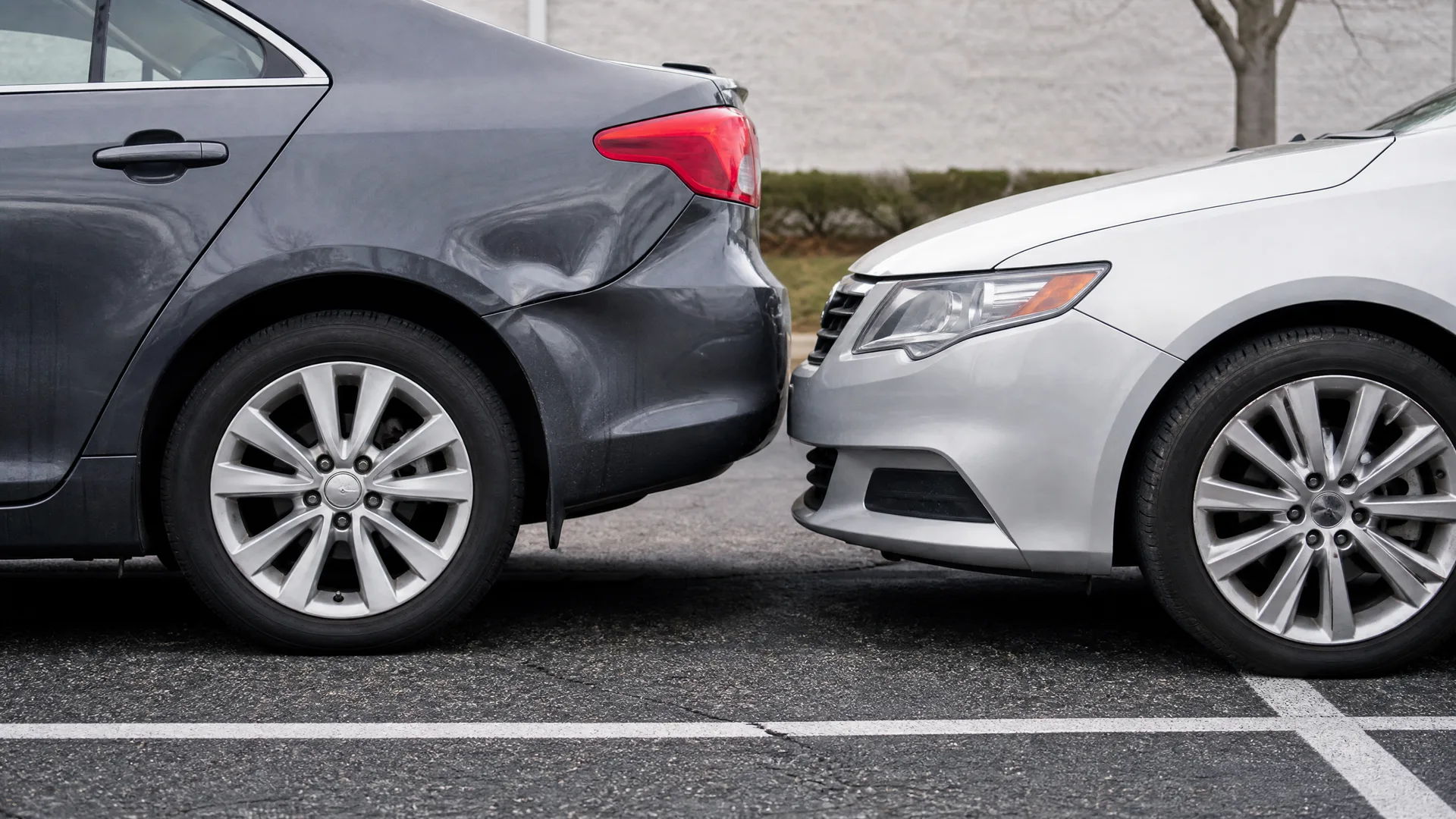
For most older drivers, this coverage is worth keeping
The math behind this one is simple. An uninsured driver who causes a serious crash leaves you with medical bills and lost income that nobody else will pay, and this is the only piece of your policy built for exactly that gap.
What matters most is what you could absorb on your own. If a serious injury would strain your savings or your retirement income, this coverage is doing real work for a modest cost. If you have substantial savings and would rather self-insure that risk, you might reasonably decide the opposite.
How much you drive and where the car sits also factor in. A car driven daily on busier roads carries more exposure than one that mostly sits in a garage and makes short trips. Neither situation removes the risk, but it does change how much you're leaning on this coverage.
If your car is older and not worth much, the injury portion of this coverage still matters even if you let the property damage portion go. Your body doesn't depreciate the way your car does, and that's the part worth protecting longest.
What happens when you actually use it
A claim starts the same way most injury claims do. You report that the other driver had no insurance, often confirmed through the police report, and your insurer treats your claim much like it would treat one against that driver's policy, except you're dealing with your own company instead of theirs.
If you added the property damage piece, a deductible usually applies before your vehicle repairs are paid, and that amount is set when you choose your policy. The injury portion typically doesn't carry its own deductible, though that can vary, so it helps to check how your specific policy is written.
Have the police report, any medical records, and documentation of missed work ready, since those are what your insurer will ask for to process the claim. The payout covers your losses up to your policy's limit, not whatever amount you feel you deserve, so it's worth knowing what limit you carry well before you ever need it.
Often confused with underinsured motorist coverage
Uninsured motorist coverage
This applies when the driver who hit you carries no insurance at all, or fled the scene and can't be identified. It fills in completely for a policy that doesn't exist.
Underinsured motorist coverage
This applies when the other driver has insurance, but their limits are too low to cover what you actually lost. It pays the difference between their limit and your real damages.
Most people carry both together, since you can't know in advance which kind of driver will hit you.
Real situations
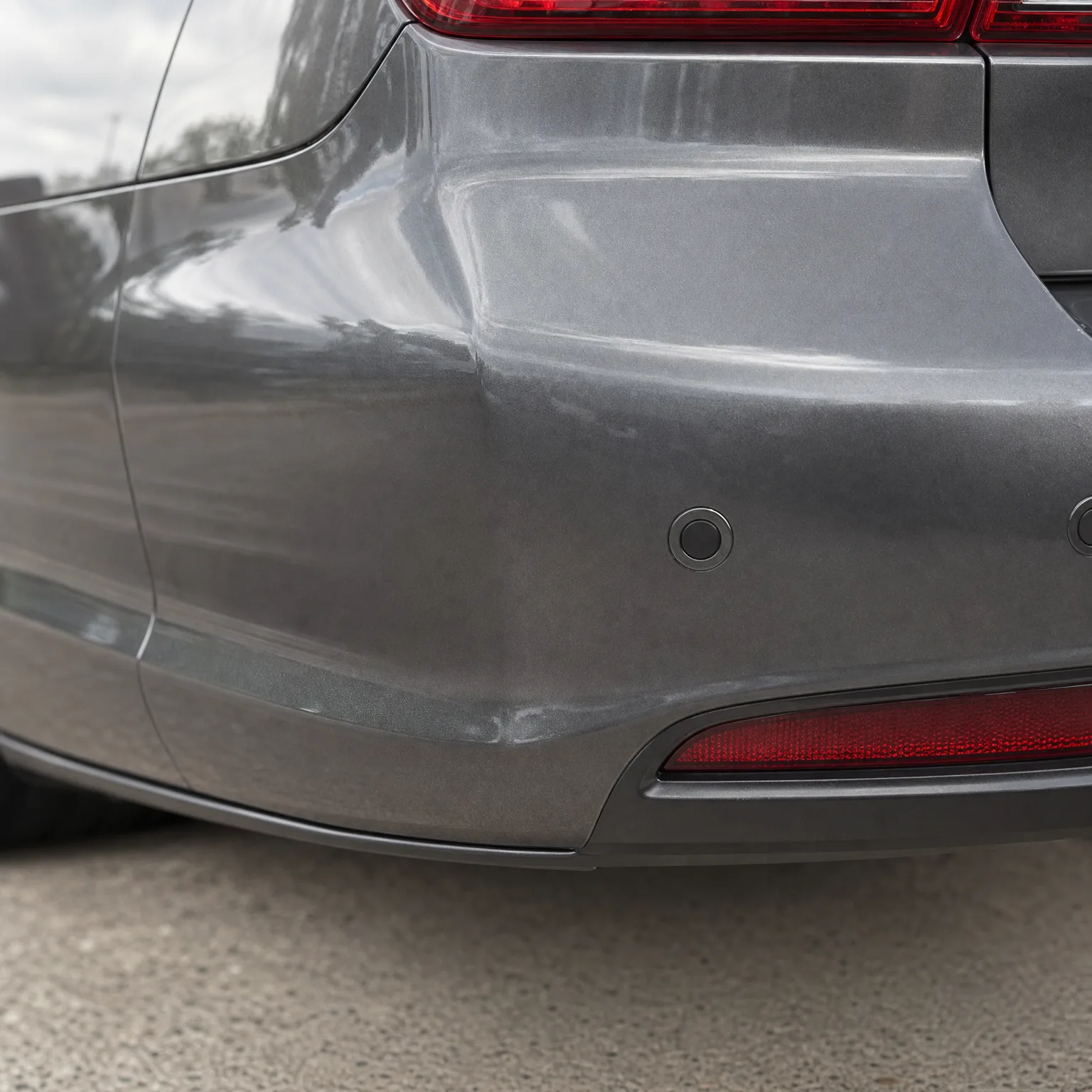
You're stopped at a light and a driver without insurance rear-ends you, leaving you with a strained back and a totaled bumper.
This pays for your injury, and your car damage too if you added that piece.
A hailstorm damages your car while it's parked in the lot during a church service.
This doesn't pay here, since no other driver was involved; comprehensive coverage handles weather damage.
A deer runs into the road at dusk and you swerve into a ditch to avoid it, damaging your car but hurting no one.
This doesn't pay here either, since there's no uninsured driver involved; collision or comprehensive would apply instead.
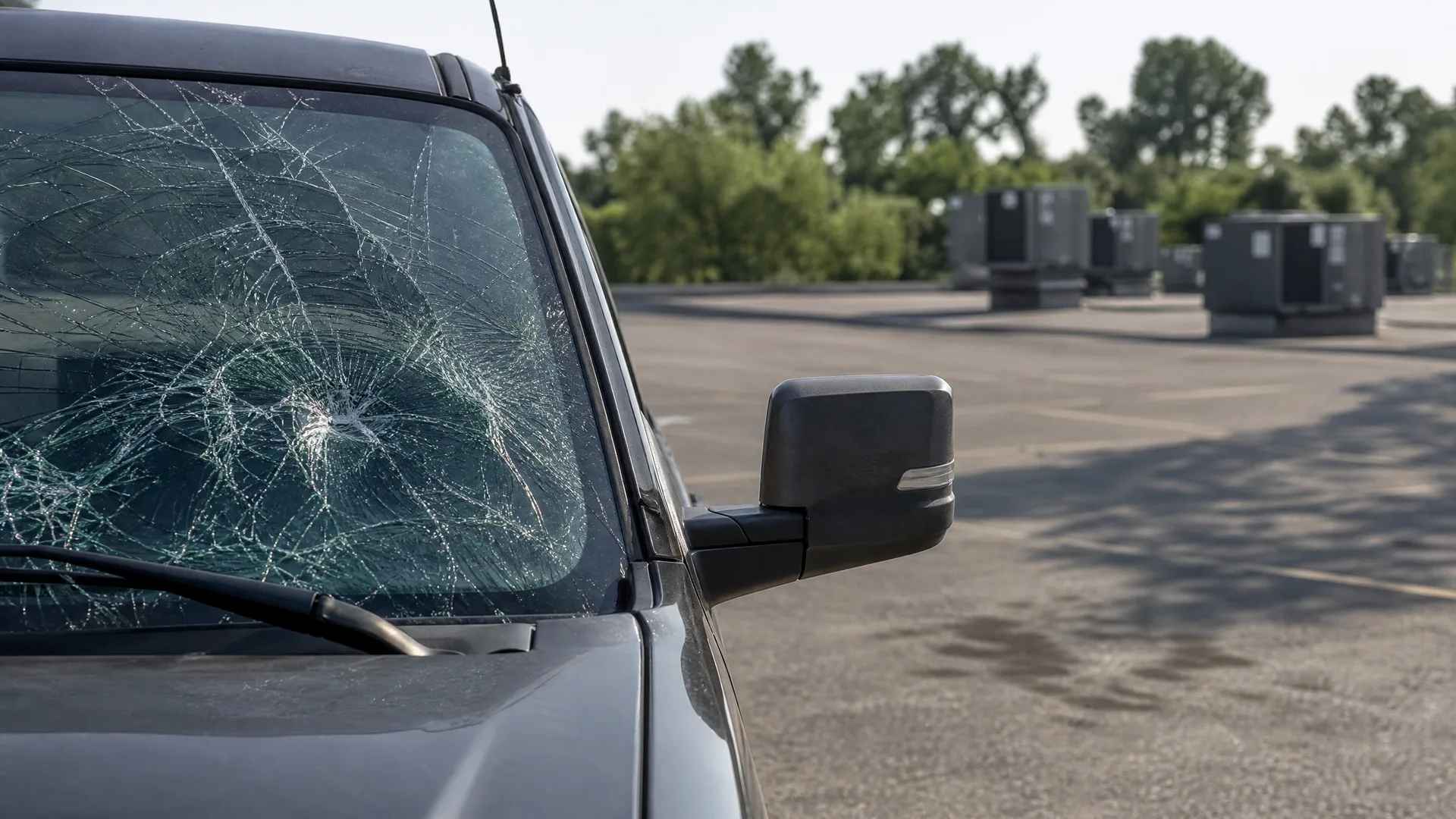
Once you know whether you're keeping, adding, or adjusting this coverage, you're ready to compare quotes with that decision already settled.
Questions people ask about this
Do I need uninsured motorist coverage if I have health insurance?
Yes, they serve different purposes and having one doesn't replace the other. Health insurance pays medical bills regardless of fault, but it won't cover lost income, pain and suffering, or a passenger who was in your car. This coverage is also typically the only way to recover damages when the at-fault driver has no insurance to pursue.
What is the difference between uninsured motorist and collision coverage?
Collision coverage pays for your car's damage no matter who caused the crash, including if you hit a tree or another car yourself. Uninsured motorist coverage, by contrast, only applies when another driver without insurance caused the crash. Many people carry both, since they cover different situations.
Can I be sued by an uninsured driver who hits me?
It's possible, though less common, since an uninsured driver who caused a crash has taken on real legal risk by driving without coverage. Your own policy and an attorney can advise you on your specific situation. This is separate from your uninsured motorist coverage, which protects you rather than exposing you.
Does my insurance rate go up after an uninsured motorist claim?
It depends on your insurer and the specifics of your policy, since rules vary on whether a claim through this coverage counts against you. Because you weren't at fault, many insurers treat these claims differently than an at-fault claim. It's worth asking your insurer directly how they handle it before you assume either way.
What if the uninsured driver has no assets to go after?
That's common, and it's part of why this coverage exists in the first place. Suing an uninsured driver often isn't worth pursuing if they have no income or property to collect from. Your uninsured motorist coverage lets you recover from your own insurer instead of chasing a judgment that may never get paid.