Hit by an Uninsured Driver in Vermont
Uninsured motorist coverage pays for your injuries and sometimes your car when the other driver has no insurance at all.
What this coverage pays for
Covers
- Your medical bills It covers treatment for injuries you suffered in the crash when the at-fault driver has no insurance to pay you back.
- Lost income If your injuries keep you from working, this can replace wages you missed while you recovered.
- Pain and suffering Beyond medical bills, it can pay for the physical pain and disruption the crash caused you.
- Passenger injuries Anyone riding in your car when it happened is covered the same way you are.
- Hit and run crashes If the driver takes off and is never identified, this coverage treats it the same as if they had no insurance.
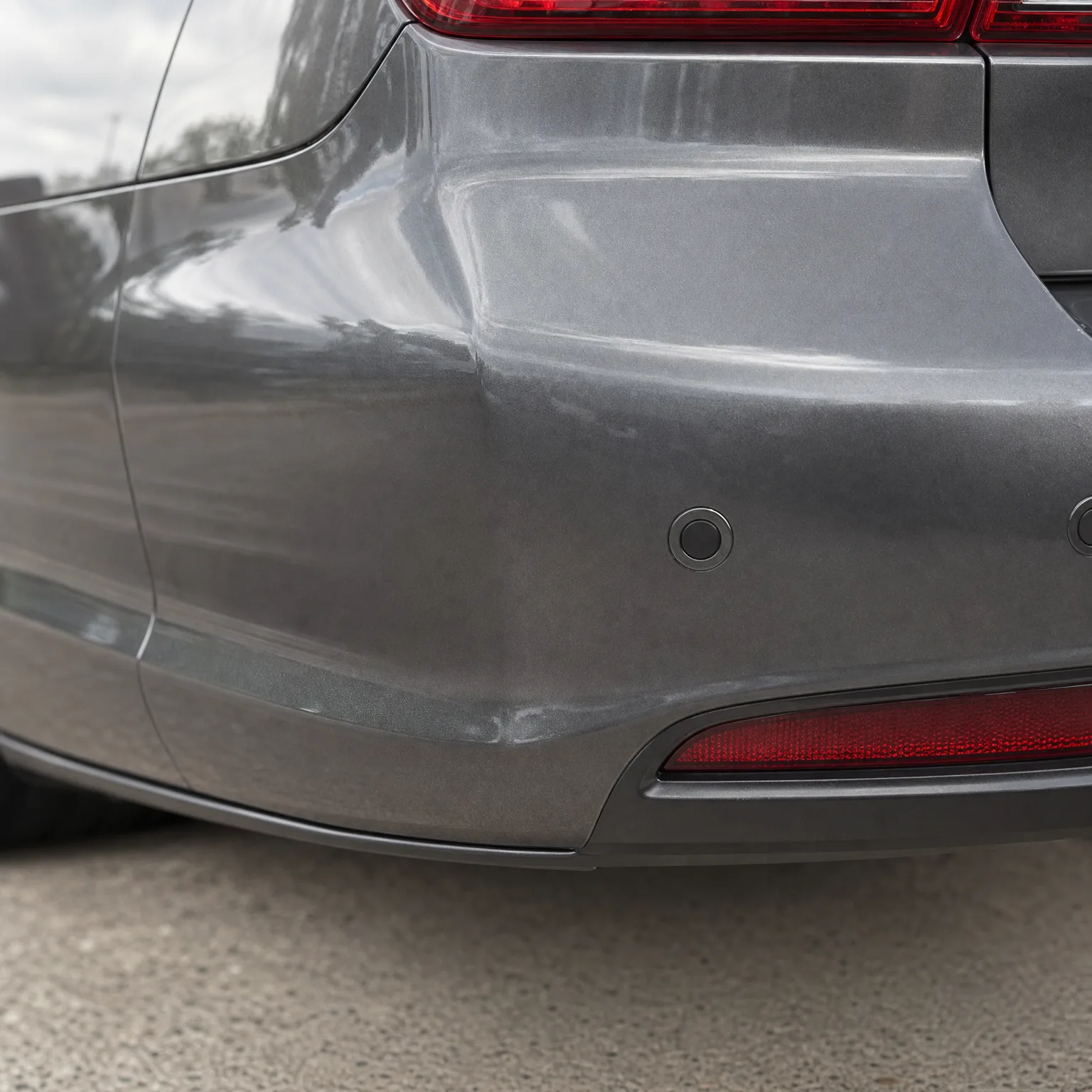
- Vehicle damage, in some policies Depending on how your policy is set up, it may also pay to repair or replace your car after this kind of crash.
Doesn't cover
- Your own careless driving This coverage only responds when the other driver is at fault and uninsured, not when you caused the crash.
- Damage from weather or animals Hail, flooding, or hitting a deer falls under comprehensive coverage, not this one.
- Mechanical breakdowns A transmission failure or dead battery has nothing to do with another driver, so this coverage doesn't apply.
- Damage to the other driver's car You're not responsible for their vehicle since they caused the crash, so there's nothing for this coverage to pay toward it.
- Injuries from a driver who has some insurance but not enough That situation usually falls under underinsured motorist coverage instead, a related but separate line on your policy.

Worth keeping for most drivers your age
The honest answer for most people in their sixties, seventies or eighties is yes, keep it. The reasoning has less to do with your own driving and everything to do with everyone else's. You can't control whether the person who runs a red light has let their insurance lapse, and if they have, this is the only coverage that steps in for you.
What matters more than your age is what a serious injury would cost you. Medical care after a real crash adds up fast, and if the other driver has nothing, you're left covering it yourself unless this coverage is in place. Savings that took decades to build can disappear quickly covering what someone else should have paid.
How much you drive and where the car sits matter less here than they do for coverage that protects the car itself. This coverage is about what happens to you, not your vehicle, so it stays relevant even if you've cut back on driving or mostly stick to familiar roads. A crash can still happen a mile from home.
If your vehicle is older and not worth much, you might reasonably drop comprehensive or collision coverage on it. This isn't that kind of decision. The value of this coverage isn't tied to your car's value, it's tied to what could happen to you physically, and that risk doesn't shrink as the car ages.
How a claim actually goes
You report the crash the same way you would any other, by contacting your insurer and explaining what happened, including why the other driver couldn't pay. If they fled the scene or were never identified, a police report matters quite a bit here, so file one and keep a copy.
Your insurer will investigate the crash and your injuries much like a claim against another insurer would be handled, just paid out of your own policy instead. Have your medical records, bills, and any proof of missed work ready, since those documents are what the payment is based on.
A deductible may apply depending on how your policy is written, meaning you cover a portion before the payment kicks in. Once that's settled, the payment covers your bills and losses up to your policy's limit, not the other driver's vehicle or any damage you may have caused to anything else.
It helps to document everything early, photos of the scene, names of any witnesses, and the other driver's information if you have any of it, even if they claim no insurance. That record makes the process smoother and faster.
Easy to confuse with underinsured motorist coverage
Uninsured motorist coverage
This applies when the other driver has no insurance at all, including hit and run situations where no driver is ever found. It's your safety net when there's simply nothing on the other end to collect from.
Underinsured motorist coverage
This applies when the other driver has insurance, but not enough to cover what you actually lost. It fills the gap between what they carry and what your injuries or damages actually cost.
Most drivers benefit from carrying both, since you can't know in advance which situation you'll end up in.
Real situations
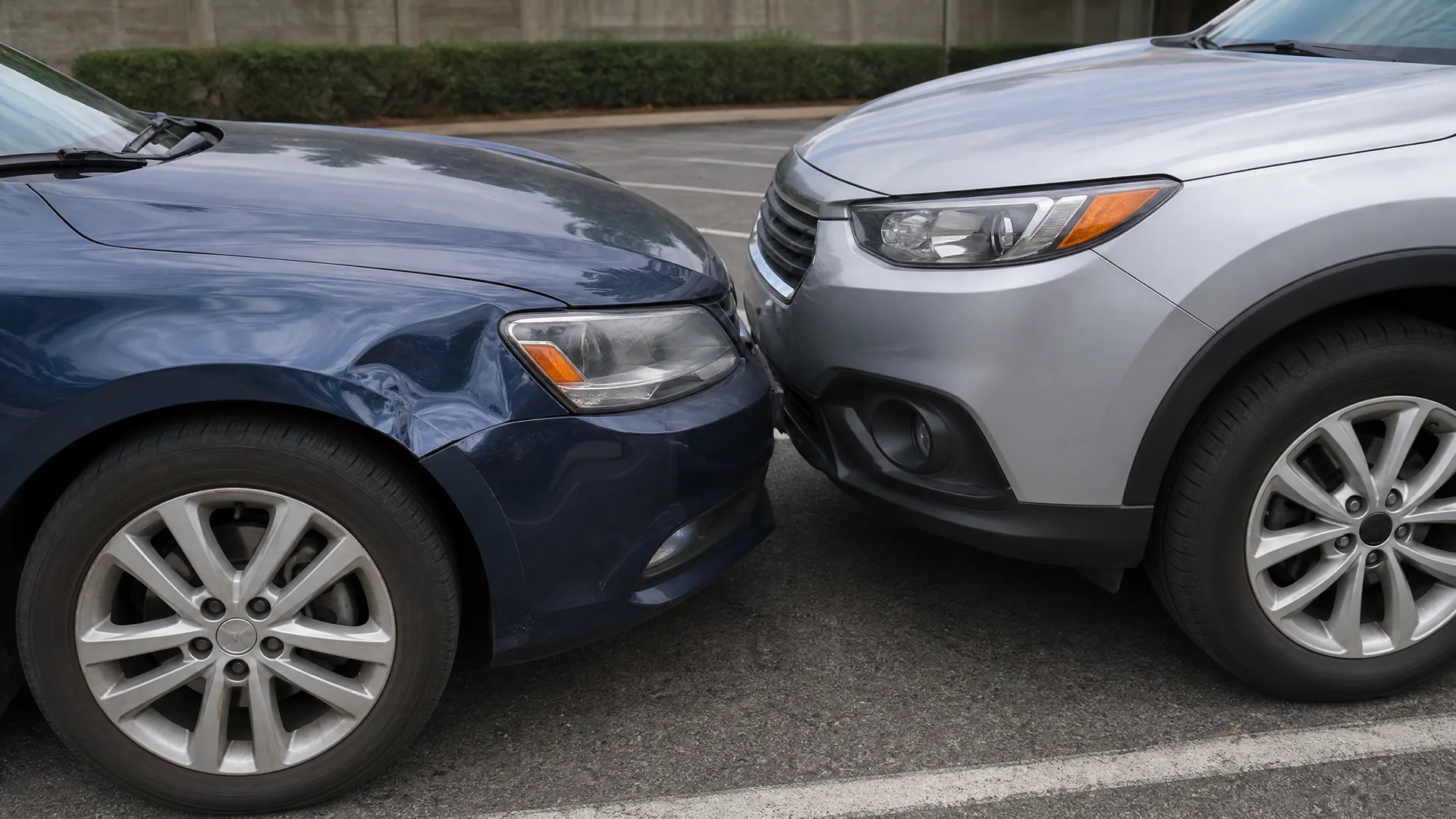
You're stopped at a light and a driver without insurance rear-ends you, leaving you with a sore back and a doctor visit.
This pays, since the other driver is at fault and has no insurance to cover your injury.
A hailstorm pounds your car while it's parked outside church on a Sunday morning.
This doesn't pay, since no other driver caused the damage, comprehensive coverage handles weather.
A driver runs a stop sign on a county road, hits your car, then drives off before you can get a plate number.
This pays, since an unidentified driver is treated the same as an uninsured one.
Once you know whether you want to keep, adjust, or add this coverage, you're ready to compare quotes with that decision already settled.
Questions people ask about this
Does uninsured motorist coverage follow me or the car?
It generally follows you as a named driver, not just the specific vehicle. That means it can apply even if you're driving a different car or riding as a passenger in someone else's. Check your policy's language, since the exact wording can affect how broadly it applies.
What if the uninsured driver is partly at fault but not entirely?
The coverage can still apply, but the payout may be adjusted based on how fault is divided. Your insurer will look at the details of the crash to determine each driver's share of responsibility. This is handled case by case rather than with a fixed rule.
Can I be dropped for filing an uninsured motorist claim?
Filing a claim because someone else was uninsured typically isn't treated the same as an at-fault claim you caused. Insurers generally view this as the coverage working as intended, not a mark against you. Still, it's worth asking your agent how your specific insurer treats these claims.
Does this coverage pay for a family member who isn't on my policy?
Often yes, if they're a resident relative living in your household, though this depends on how your policy defines who's covered. Someone just borrowing your car occasionally may or may not qualify. Checking your policy's definitions page clears this up quickly.
Is there a time limit to file after being hit by an uninsured driver?
Yes, there's a window for filing, and it varies depending on where you live. Missing it can mean losing the ability to claim at all, so it's worth reporting the crash and contacting your insurer as soon as possible rather than waiting.