Hit by an Uninsured Driver in Virginia
Uninsured motorist coverage pays for your injuries and, depending on how it's set up, your vehicle damage when the driver who hit you has no insurance at all.
What this coverage pays for
Covers
- Your medical bills It covers treatment for injuries you and your passengers get in a crash caused by a driver with no insurance.
- Lost income from the crash If your injuries keep you from working, this can replace wages you'd have otherwise earned.
- Pain and suffering Unlike your own health insurance, this coverage can pay for the physical and emotional toll, not just medical costs.
- Hit and run crashes When the other driver flees and is never identified, this coverage treats the loss as if they had no insurance.
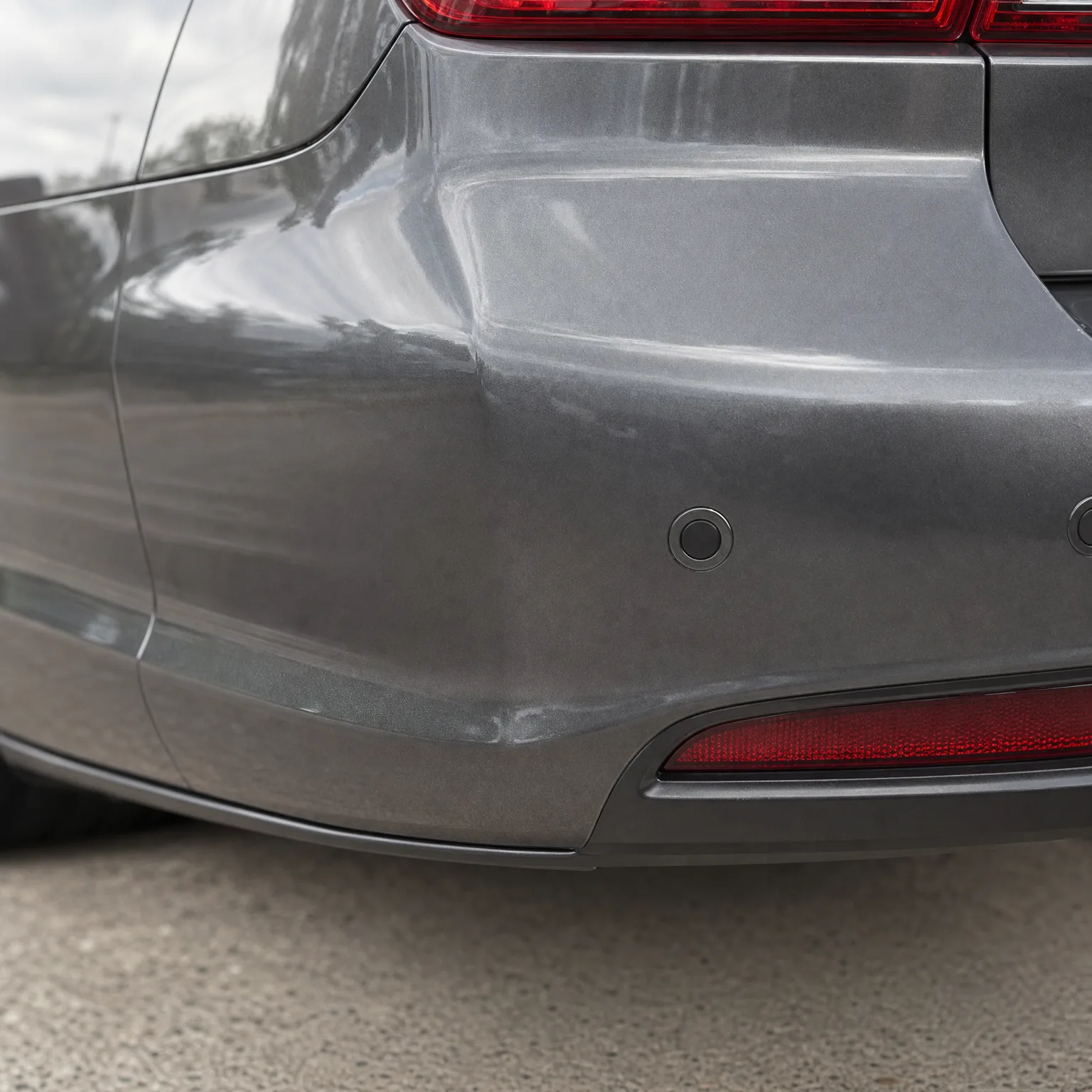
- Vehicle damage, if you added it In many states this comes as a separate add-on to the basic coverage, often paired with underinsured motorist property damage.
- A passenger struck as a pedestrian If you or a family member is hit while walking or biking by an uninsured driver, this coverage can still apply.
Doesn't cover
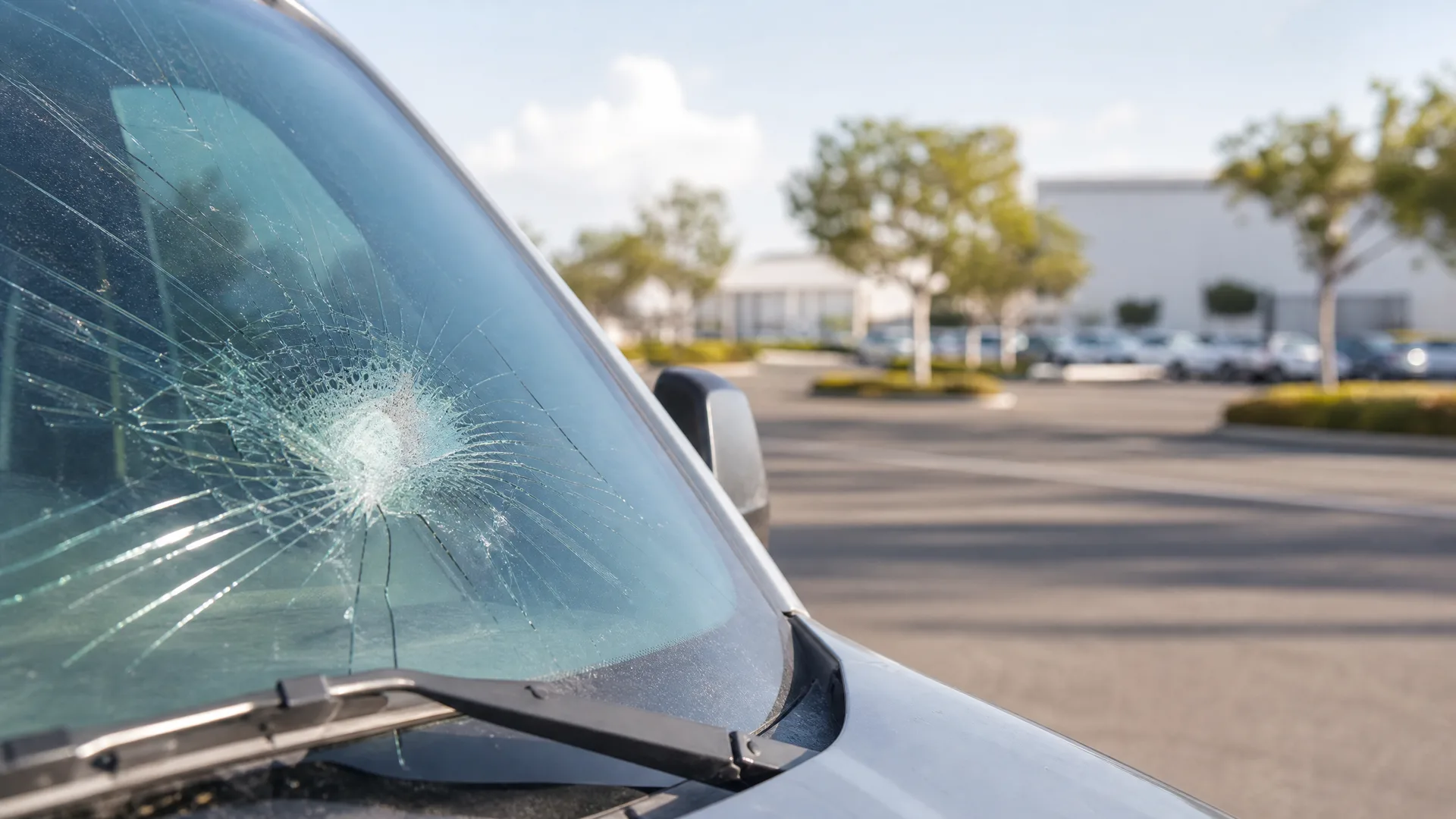
- Damage from hitting a deer That's a comprehensive claim, since no other driver caused it.
- Your own at-fault accident If you caused the crash, your liability and collision coverage handle it, not this.
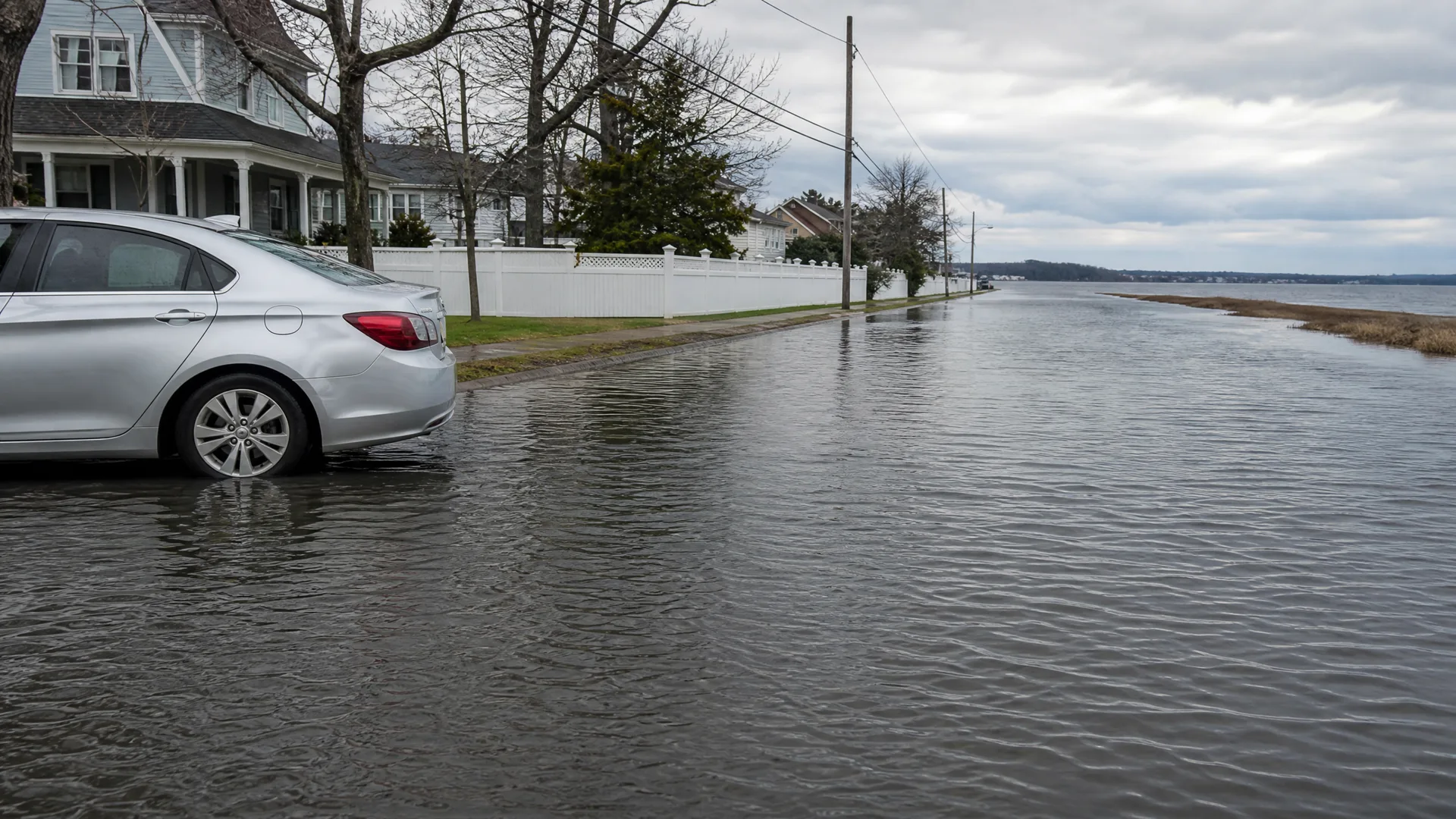
- Weather or vandalism damage Hail, falling branches, and theft are comprehensive claims, not uninsured motorist claims.
- Mechanical breakdowns This coverage only responds to a crash caused by another driver who lacks insurance, not wear and tear.
- Damage above your coverage limit Whatever you don't carry in limit becomes money you'd have to cover yourself, so the amount you choose matters.
For most older drivers, this coverage is worth keeping
The math behind this coverage has less to do with your age and more to do with what you're driving and what you could absorb out of pocket. A car that's paid off and worth keeping on the road is a car worth protecting from a driver who can't pay for the damage they cause.
Think about what you could cover from savings without much strain. Medical bills from a real injury, even a modest one, tend to run past what most people keep on hand. That gap is exactly what this coverage is built to close, and it closes it regardless of how careful a driver you are.
How much you drive and where the car sits matter too. A car driven daily on busy roads carries more exposure than one that mostly sits in a garage and comes out for errands. But even low mileage doesn't get you to zero risk, since a single trip is all it takes.
The one case where dropping it can make sense is an older car worth very little, paired with strong health coverage and enough savings to absorb a loss without missing a payment. Even then, the medical piece of this coverage is worth a second look before you let it go.
How a claim actually plays out
If a deductible applies, it's usually only on the vehicle damage portion, not on medical payments. You pay that amount first, and the coverage picks up the rest up to your limit.
You'll file the claim with your own insurer, not the other driver's, since they don't have one. Your insurer will ask for a police report, any photos from the scene, and documentation of medical treatment or repair estimates. Having the other driver's information, even without insurance, still helps establish what happened.
The payout covers the medical bills, lost wages, and vehicle repair or value tied directly to that crash, up to your policy limit. It won't cover unrelated prior damage to the car or ongoing health issues the insurer can't tie to the accident.
Have your policy number, the police report, medical records, and repair estimates ready before you call. The more documentation you bring upfront, the fewer rounds of back and forth the claim takes.
Uninsured motorist vs. underinsured motorist coverage
Uninsured motorist coverage
This applies when the at-fault driver carries no insurance at all, or flees the scene and can't be identified. It steps in completely, as if you were dealing with your own insurer from the start.
Underinsured motorist coverage
This applies when the at-fault driver has insurance, but not enough to cover your full losses. It pays the difference between what their policy covers and what you're actually owed.
Most drivers carry both together, since you can't know in advance which kind of driver will hit you.
Real situations
You're stopped at a light and a driver rear-ends you, then admits on the scene they let their insurance lapse months ago.
This pays, since the driver who hit you has no insurance to cover your injuries or damage.
A hailstorm hits while your car is parked outside church and dents the hood and roof.
This doesn't pay, since no other driver caused the damage, that's a comprehensive claim.
A deer runs into the road at dusk on a county highway and you can't avoid it.
This doesn't pay, since it's a collision with an animal, not an uninsured driver.
Once you know how much of this coverage you want to carry, you're ready to compare quotes that actually match it.
Questions people ask about this
Does this coverage raise my rate if I use it?
Generally no, since the crash wasn't your fault. Insurers typically don't treat a claim against an uninsured driver the same way they treat an at-fault claim. Still, it's worth asking your agent how your specific insurer handles it, since practices can differ.
What if the other driver has some insurance but not enough?
That's a separate but related coverage, usually sold alongside this one. It pays the gap between what their policy covers and what your losses actually are. Check your policy to see if you carry both, since having one without the other leaves a hole.
Can I be sued by the uninsured driver instead?
It's possible, though uncommon, if they claim you were partly at fault. Your liability coverage would respond to that separately from your uninsured motorist claim. Keeping both in good standing protects you from either direction.
Is this coverage required where I live?
That varies by state, with some requiring it and others only offering it as an option you can decline in writing. Check your own policy or declarations page to see how it's set up for you. An agent can also confirm what your state requires.
Does this coverage follow me if I'm a passenger in someone else's car?
Usually yes, since it's tied to you as a person, not just the vehicle. If you're a passenger in another car hit by an uninsured driver, your own coverage can still apply. Check with your insurer on how passenger situations are handled under your specific policy.