Hit by an Uninsured Driver in West Virginia
Uninsured motorist coverage pays for your injuries and, depending on how it's set up, your car damage when the other driver has no insurance at all.
What this coverage pays for
Covers
- Your medical bills It covers treatment for you and your passengers when the at-fault driver has no insurance to pay those costs.
- Lost income If your injuries keep you from working, this can replace wages you lost while you recovered.
- Pain and suffering Unlike basic medical coverage, this pays for the physical and emotional toll of the crash, not just the bills.
- Hit-and-run crashes If the other driver takes off and is never identified, this coverage treats it like they were uninsured.
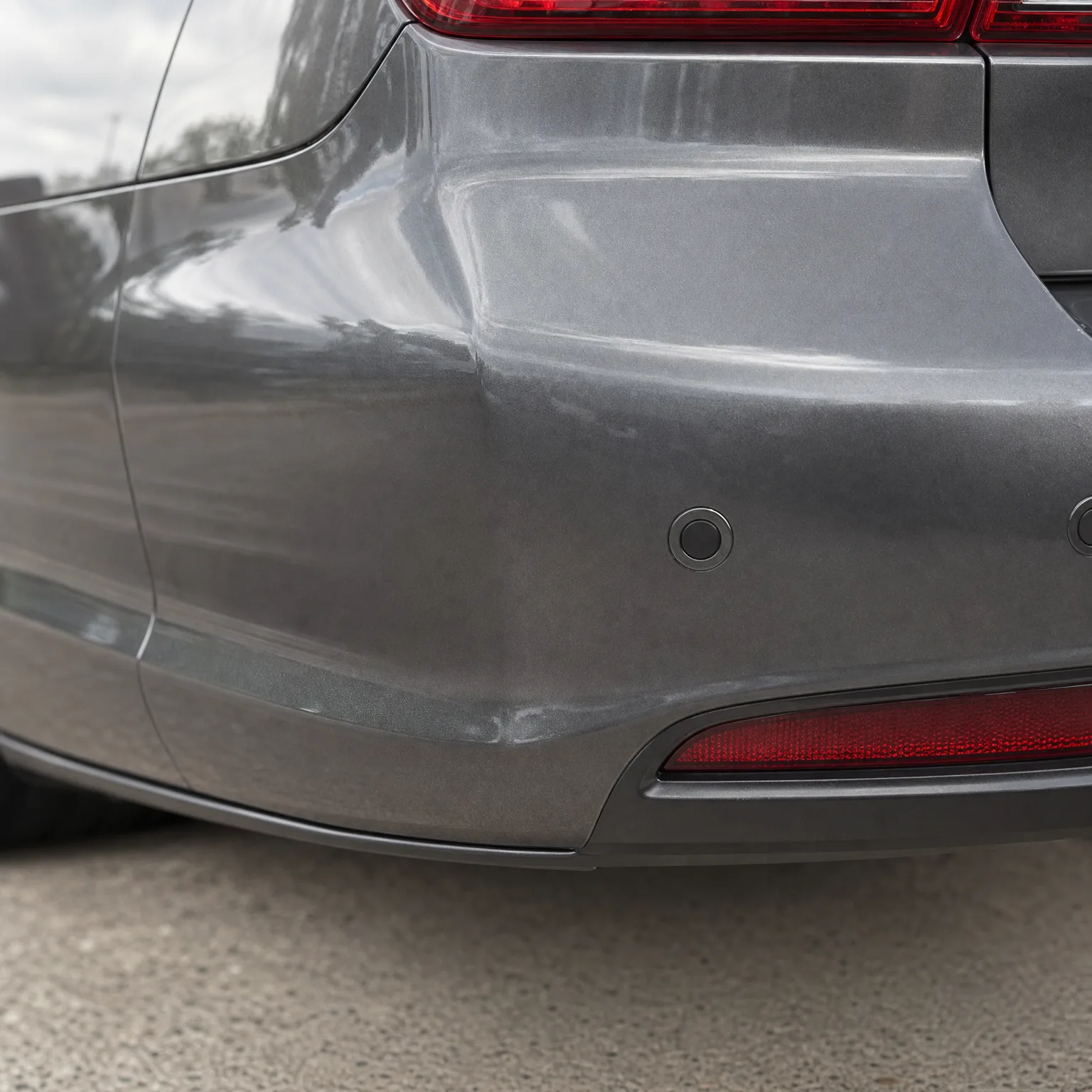
- Vehicle damage, if you added that option In some setups you can add property damage protection so your car gets fixed even though the other driver can't pay.
- A pedestrian or bicyclist claim If you're struck while walking or biking by a driver with no insurance, this coverage on your own car policy can still respond.
Doesn't cover
- Your own at-fault accidents If you cause the crash, this coverage doesn't apply at all. Your liability coverage handles that instead.
- Damage from weather or animals Hail, flooding, and hitting a deer are handled by comprehensive coverage, not this one, since there's no other driver involved.
- Mechanical breakdowns Normal wear, engine trouble, or anything not caused by a collision falls outside this coverage entirely.
- An underinsured driver, unless you carry that version too This is a related but separate coverage, and some policies only include one of the two unless you ask for both.
- Damage to someone else's property This coverage is about what happens to you and your car, not about paying another person's repair bills.
Yes, this one is usually worth keeping
The whole point of this coverage is that it doesn't matter how careful you are. It matters how careful everyone else on the road is, and you can't control that. A driver with no insurance causes the same damage as one who has it, but without this coverage you'd have no way to collect anything from them.
What matters more at your age is the medical side of it. If you're on a fixed income, an injury claim with no coverage behind it can mean paying for an ER visit, physical therapy, or worse out of your own pocket while also dealing with a driver who likely has nothing to give you anyway. This coverage exists specifically for that gap.
The property damage version is a closer call. If your car is older, already paid off, and worth little, you may decide you can absorb that loss yourself and skip adding it. But the medical piece holds its value regardless of what you drive or how old the car is, because it protects you, not the vehicle.
How much you drive and where the car sits matters less here than it does for other coverages, since this one is about who hits you, not what happens to a parked car. Even someone who drives rarely can be hit by an uninsured driver on a short trip to the pharmacy.

How a claim actually plays out
If the property damage portion applies to your policy, it typically carries its own deductible, separate from your collision coverage. The medical and injury portion usually doesn't have a deductible in the same way, since it's meant to step in fully where the other driver's coverage should have been.
After a crash, you'll report it to your own insurer rather than chasing the other driver, since they have no coverage to claim against. You'll want the police report, photos from the scene, and any medical records tied to the injury, since your insurer treats this much like it would treat a claim against another company's policy.
The payout covers your medical costs, lost income, and pain and suffering up to the limits you chose when you bought the policy. It won't cover anything beyond those limits, so if your injuries are serious, the size of the limit you picked years ago suddenly matters a great deal.
Have your policy declarations page handy when you call, since it will show exactly what limits and options you carry. Many long-time policyholders are surprised to learn they never added the property damage piece at all.
Uninsured motorist vs. underinsured motorist coverage
Uninsured motorist coverage
This applies when the other driver has no insurance whatsoever, or can't be identified, as in a hit-and-run. It fills the entire gap since there's no other policy to draw from.
Underinsured motorist coverage
This applies when the other driver has insurance, but their limits are too low to cover your injuries. It makes up the difference between what they can pay and what you actually need.
Most drivers are better off carrying both, since you can't know in advance which kind of driver will hit you.
Real situations
You're stopped at a light and a driver without insurance rear-ends you, leaving you with a sore neck and a trip to urgent care.
This pays, since the other driver has no insurance to cover your medical costs.
A deer runs into the road at dusk and you swerve into a ditch, damaging the front end of your car with no other vehicle involved.
This doesn't pay, since there's no other driver at fault here. That's a comprehensive claim instead.
Someone sideswipes your car in a parking lot and drives off before you can get a license plate number.
This pays, since an unidentified hit-and-run driver is treated the same as an uninsured one.
Once you know whether you want this coverage, and whether to add the property damage option, you can compare quotes with that decision already settled.
Questions people ask about this
Does uninsured motorist coverage raise my rate if I use it?
Generally, no, since the crash wasn't your fault and insurers typically don't treat these claims the same as at-fault claims. Check with your own insurer to be sure, since practices can differ by company. It's worth asking directly before you file if you're worried about it.
What happens if the uninsured driver is found later?
Your insurer may pursue reimbursement from that driver through a process called subrogation, and you could recover some costs you paid out of pocket, like a deductible. This happens behind the scenes and usually doesn't require anything from you. Ask your claims adjuster whether this applies to your case.
Can I be sued by an uninsured driver I hit?
Yes, if you're at fault in a crash, the other driver can still pursue you regardless of their own insurance status. This coverage doesn't protect you in that situation since it only applies when you're the injured party. Your liability coverage is what protects you there.
Is uninsured motorist coverage required where I live?
Whether it's required or just offered varies by state, so check your own policy or declarations page to see how it's set up for you. Some states make it mandatory, others let you decline it in writing. If you're unsure, ask your agent directly.
Does this coverage apply if I'm a passenger in someone else's car?
Yes, in most cases your own uninsured motorist coverage follows you as a person, not just your car, so it can apply even when you're riding with someone else. The details depend on how your policy is written. It's worth confirming this with your insurer if you often ride with others.