Hit by an Uninsured Driver in Montana
Uninsured motorist coverage pays for your injuries and, in some cases, your car's damage when the driver at fault has no insurance at all.
What this coverage pays for
Covers
- Your medical bills If the at-fault driver has no insurance, this steps in to cover your treatment instead.
- Lost income from the crash If injuries keep you from working, this can replace wages that would otherwise go unpaid.
- Pain and suffering Unlike your own medical coverage, this can pay for the injury itself, not just the bills it created.
- A hit-and-run that injures you When the driver flees and is never identified, this often treats the crash as if that driver existed and had no insurance.
- Passengers in your car People riding with you when an uninsured driver hits you are usually covered under the same policy.
- Damage to your car, in some setups Some policies add a version of this coverage specifically for vehicle damage, separate from the injury portion.
Doesn't cover
- Damage from a deer or pothole Those aren't caused by another driver, so comprehensive or collision coverage handles them instead.
- Your own fault accidents This only applies when someone else caused the crash and had no insurance to cover it.
- Damage to the other driver's car There's nothing to collect from an uninsured driver's insurance, since none exists, and this coverage is about your losses.
- Routine mechanical breakdowns A dead battery or worn brakes have nothing to do with another driver and aren't part of this coverage.
- Injuries you already settled elsewhere Once you accept a settlement for a claim, this coverage isn't a second payout for the same injury.
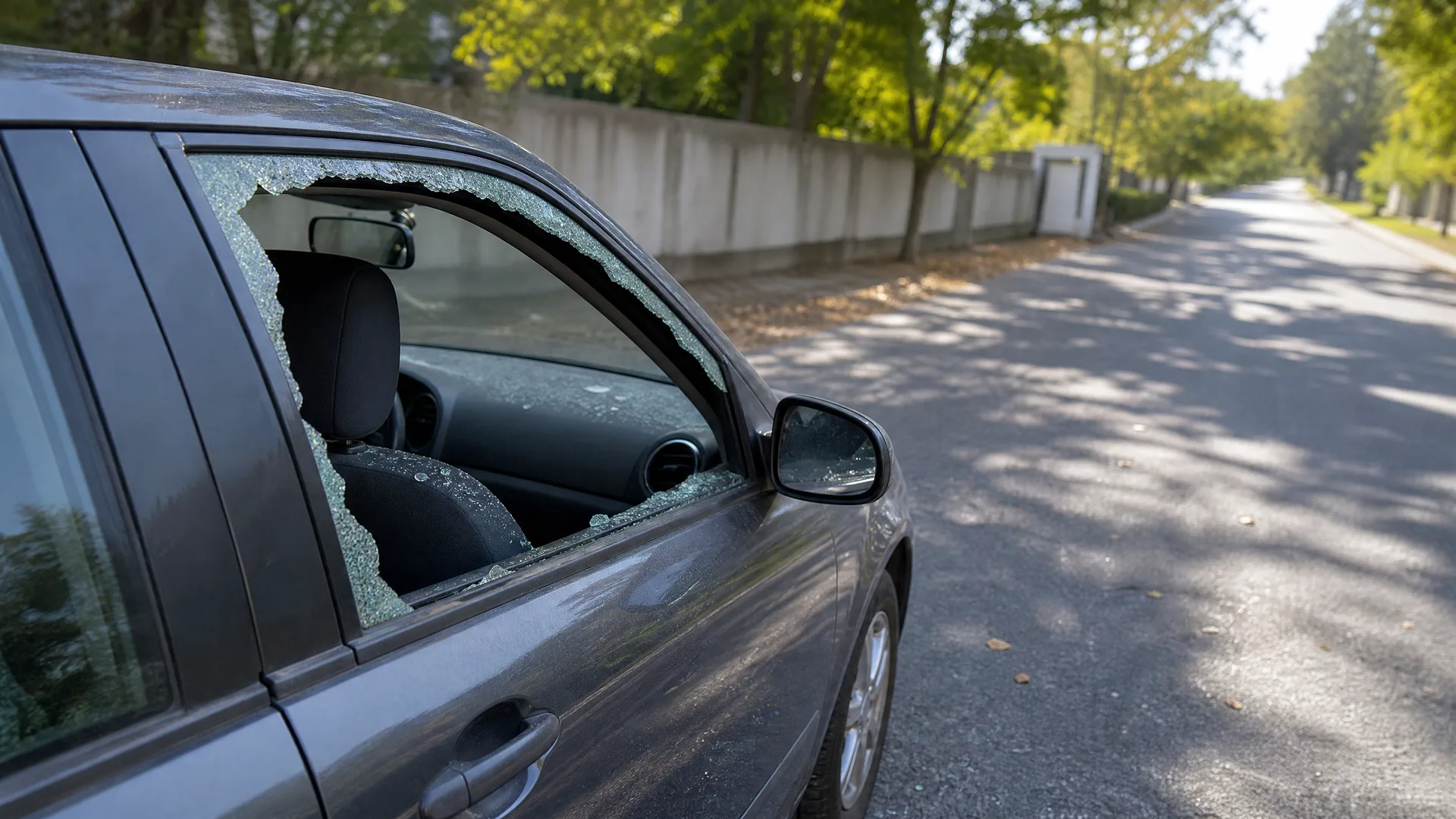
For most drivers in their sixties and beyond, this is worth keeping
The case for this coverage doesn't really depend on how well you drive. It depends on what happens when someone else, with no insurance at all, hits you. That risk doesn't go down with age or experience, and it's entirely out of your hands.
What matters more at this stage of life is what an injury would cost you to absorb on your own. Health coverage through retirement often leaves gaps that this fills, and recovery time matters more when it cuts into savings you no longer have decades to rebuild.
If you drive an older car that's paid off and worth little, the vehicle-damage version of this coverage matters less, since there isn't much value to protect. But the injury portion still matters just as much, because your body isn't worth less because your car is.
How much you drive and where the car sits overnight also plays in. A driver who still commutes regularly or parks on a busy street faces more exposure than one who drives rarely and keeps the car in a garage. Either way, the cost of carrying this is usually modest next to what it protects.
How a claim actually works
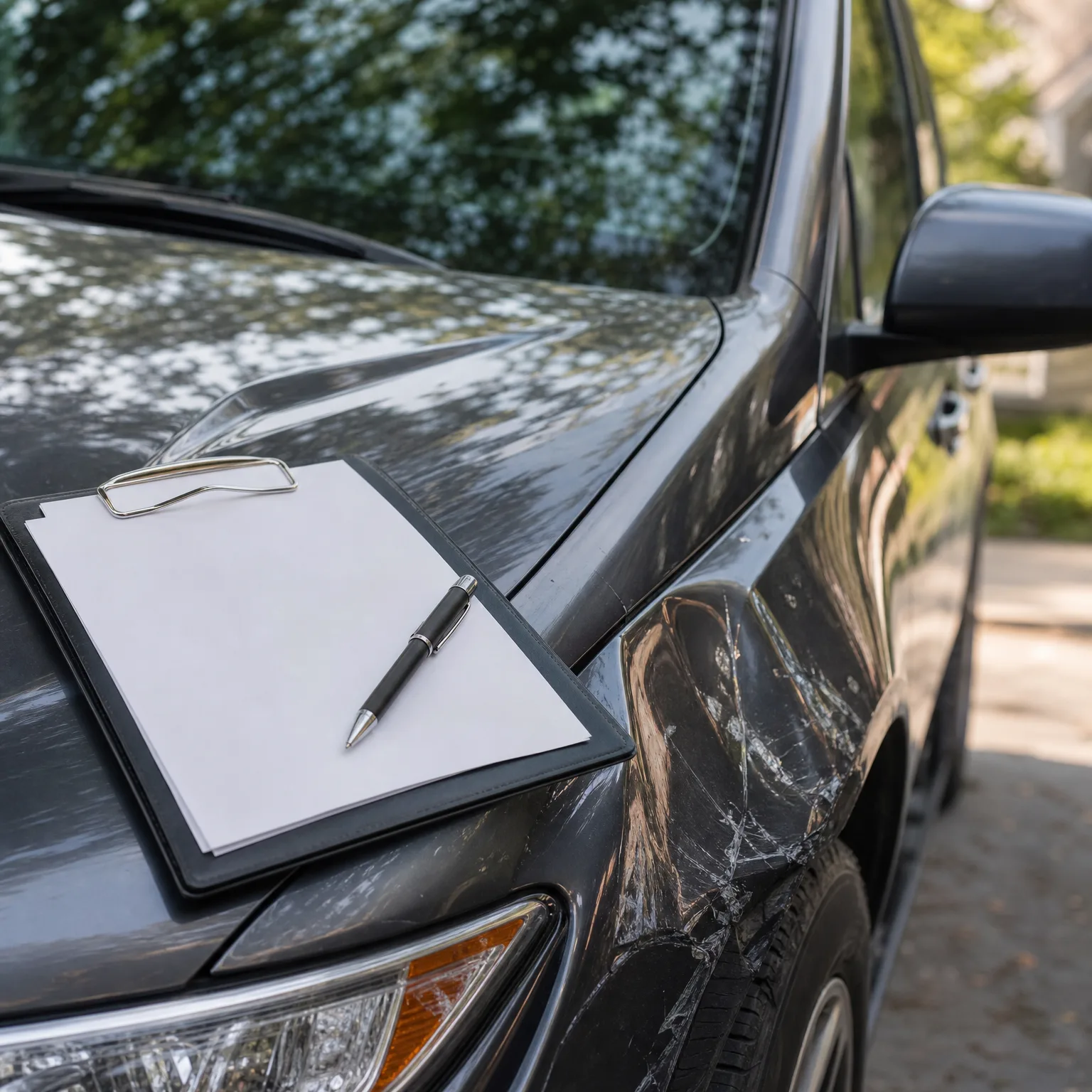
You file this claim with your own insurance company, not the other driver's, since the other driver has none. Your insurer investigates the crash, confirms the other driver was at fault and uninsured, and then evaluates your injury or loss the way any claim is evaluated.
If your policy includes a deductible for the vehicle-damage portion, that amount comes off the top of any payment for car repairs. The injury portion typically doesn't carry a deductible in the same way, though it's worth checking your own policy to be sure.
Have the police report, any medical records, and proof that the other driver lacked insurance ready when you file. Your insurer will likely ask for all of it, and having it organized speeds things along.
The payout covers your medical costs, lost income, and the damage to your own car up to your policy's limits. It won't cover punitive damages against the other driver or anything beyond what your policy specifies, so it helps to know those limits before you need them.
Often confused with underinsured motorist coverage
Uninsured motorist coverage
This applies when the at-fault driver has no insurance policy at all. It treats the situation almost as if you were hit by a driver with no coverage to call on.
Underinsured motorist coverage
This applies when the at-fault driver has insurance, but not enough to cover your full losses. It fills the gap between what their policy pays and what your injury or damage actually costs.
Most drivers carry both, since you can't control whether the other driver has no insurance or simply too little.
Real situations
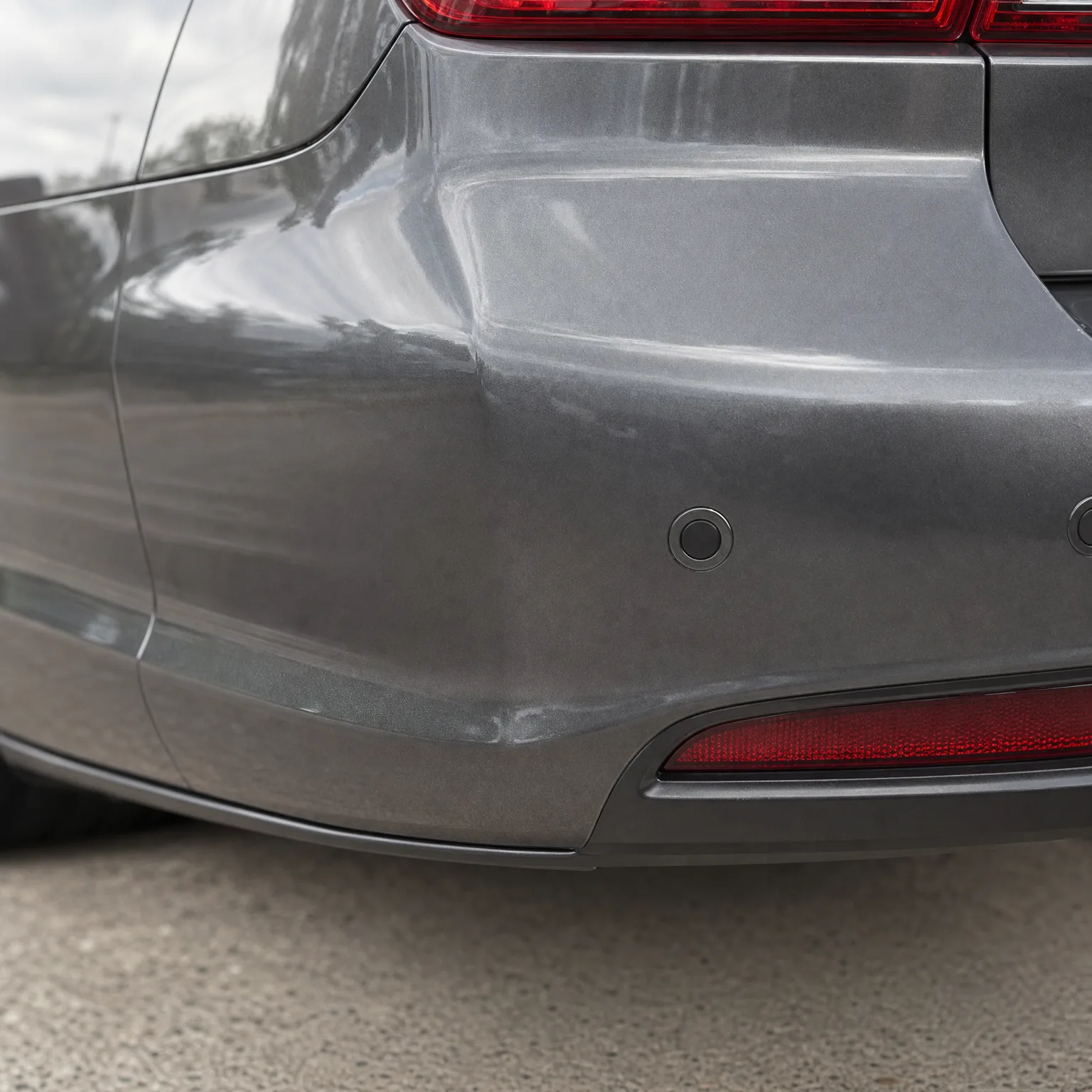
You're stopped at a light and a driver with no insurance rear-ends you, leaving you with a sore back and a crumpled bumper.
This pays for your medical care and, if your policy includes it, your car repairs, since the other driver has no insurance to cover either.
A hailstorm damages your car while it's parked outside church on a Sunday morning.
This doesn't pay, since there's no other driver involved; comprehensive coverage handles weather damage.
A driver runs a stop sign on a county road, hits your car, and takes off before you get a license plate number.
This often pays as if the driver were uninsured, since a driver who can't be identified usually falls under the same coverage.

Once you know whether to keep, add, or adjust this coverage, you can compare quotes with that decision already settled.
Questions people ask about this
Does my health insurance cover me if an uninsured driver hits me?
It can help with medical bills, but it won't cover lost income, pain and suffering, or vehicle damage the way this coverage does. Health insurance also often leaves out-of-pocket costs that this coverage can fill. Check your health plan's deductible and out-of-pocket maximum to see the real gap.
Can I sue an uninsured driver directly instead of filing a claim?
You can, but collecting money from someone with no insurance is often difficult even if you win in court. Many uninsured drivers also have little in the way of assets or income to collect from. Filing through your own coverage is usually faster and more reliable.
Is uninsured motorist coverage required where I live?
That depends on your state, since some require it and others simply offer it as an option. Check your policy declarations page to see whether you already have it. If it's optional and missing, you can ask your insurer to add it.
What happens if the uninsured driver is found later and has no money?
Your claim through this coverage generally stands regardless of whether the other driver is ever able to pay you back. Your insurer may pursue the other driver separately to recover what they paid out. Either way, that process happens behind the scenes and doesn't typically affect your payout.
Does this coverage raise my rates if I use it?
It depends on your insurer and the circumstances, since you weren't at fault for the crash. Some companies treat these claims differently than at-fault accidents when setting future rates. Ask your agent directly how your policy handles it before you file.