Hit by an Uninsured Driver in Hawaii
Uninsured motorist coverage pays for your injuries and sometimes your car when the driver who hits you has no insurance at all.
What this coverage pays for
Covers
- Your medical bills It covers treatment for injuries you get in the crash when the at-fault driver has no insurance to pay for them.
- Lost income If you can't work while you recover, this can replace wages you lose during that time.
- Pain and suffering Unlike many coverages, this one can pay for the physical and emotional toll, not just bills.
- A hit-and-run driver If the other driver takes off and is never identified, this coverage treats them as uninsured.
- Passengers in your car Anyone riding with you who gets hurt can usually be covered under your policy too.
- Family members as pedestrians If you or a family member is hit while walking or biking by an uninsured driver, this can still apply.
Doesn't cover
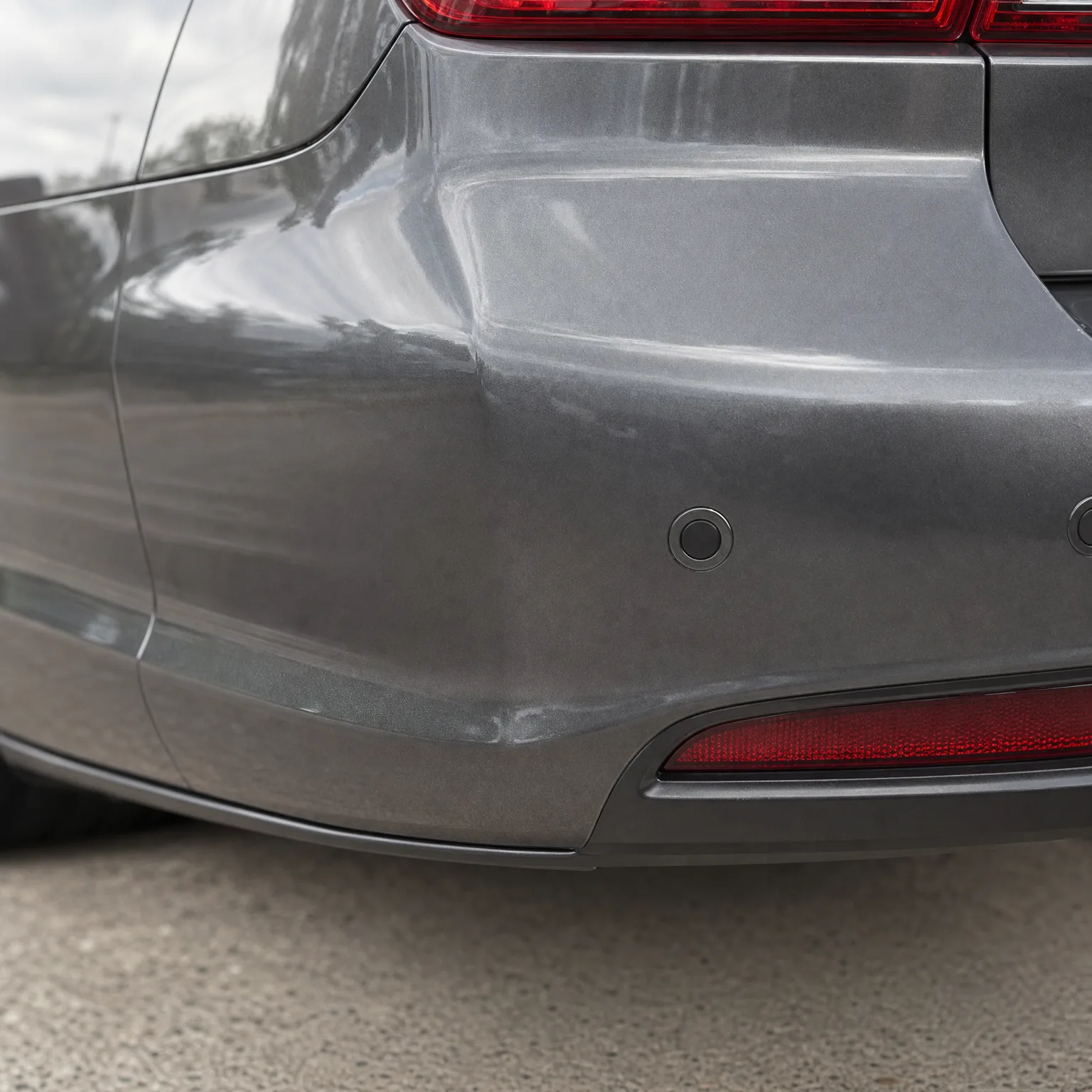
- Damage to your car In many cases this coverage is written for injuries only, and a separate uninsured motorist property damage coverage or your collision coverage handles the vehicle.
- Your own fault accidents This only applies when another driver without insurance causes the crash, not when you're at fault.
- Mechanical breakdowns This has nothing to do with wear and tear or your car failing on its own.
- An underinsured driver's full gap If the other driver has some insurance but not enough, that's usually a related but separate coverage with its own terms.
- Damage from weather or animals Comprehensive coverage handles things like hail, falling branches, or hitting a deer, not this one.
- Injuries you cause to others That's what liability coverage is for, and it protects other people from you, not the reverse.
For most drivers over sixty, this is worth keeping
Think about what a serious injury claim would actually cost if the other driver had nothing to pay with. Medical care after a real crash adds up fast, and at this age recovery often takes longer and costs more, not less. Without this coverage, you'd be relying entirely on your own health insurance and whatever savings you have set aside.
How much you drive matters less here than you'd think, because the risk isn't really about your own driving. It's about the chance that the other driver in any crash has no insurance, and that risk doesn't go away just because you take fewer trips. Even someone who mostly drives to church, the store, and a few appointments faces the same exposure every time they're on the road.
Where the car sits matters more for comprehensive coverage than for this one. This coverage follows you and the people on your policy, not just the vehicle, so it still applies if you're a passenger in someone else's car or if a family member is driving.
The one case where it's less essential is if you have substantial savings and strong health insurance that would absorb a major injury claim without creating hardship. Even then, most people find the cost is modest enough that dropping it doesn't actually free up much room in the budget.
How a claim actually works
After a crash with an uninsured driver, you report the claim to your own insurer, since there's no other insurance to pursue. A deductible may apply, and it comes out of the payment before you see anything, rather than being paid upfront.
Your insurer will want documentation: a police report, your medical records and bills, and information showing the other driver had no insurance. The clearer this documentation is, the smoother the process tends to go.
The payment is meant to cover your medical costs and lost income tied to the injury, up to the limit on your policy. It won't stretch to cover unrelated expenses or make you whole for every inconvenience the crash caused.
Have your policy details, the other driver's information, and any witness contacts ready when you call. If a family member helps you with paperwork, it's worth having them on the call too, since claims can take more than one conversation to resolve.
Often confused with underinsured motorist coverage
Uninsured motorist coverage
This applies when the at-fault driver has no insurance at all, or flees the scene and is never found. It fills in for a driver who effectively doesn't exist as far as insurance goes.
Underinsured motorist coverage
This applies when the at-fault driver has insurance, but not enough to cover your injuries fully. It picks up the difference between what they owe and what their policy actually pays.
Most drivers carry both together, since you can't know in advance which kind of driver will hit you.
Real situations
You're stopped at a light and a driver without insurance rear-ends you, leaving you with a neck injury and missed work.
This pays, since the injury and lost income come directly from an uninsured driver's fault.
A driver runs a stop sign at dusk, hits your car, and drives off before you can get a plate number.
This pays, since an unidentified hit-and-run driver is treated the same as an uninsured one.
Your parked car is dented by a shopping cart in a grocery store lot and there's no driver involved at all.
This doesn't pay, since there's no at-fault driver and no injury involved.

Now that you know whether this coverage fits your situation, compare quotes with that decision already in hand.
Questions people ask about this
Do I need uninsured motorist coverage if I have health insurance?
Health insurance alone usually isn't enough, because it won't replace lost income or pay for pain and suffering the way this coverage can. It also often leaves you with copays and deductibles of its own. Check whether your state requires this coverage or lets you waive it, since that affects your options.
What happens if the uninsured driver is found later?
Your insurer may pursue reimbursement from that driver through a legal process called subrogation, which doesn't involve more work from you. Any recovery typically goes back to your insurer first, up to what they paid you. You usually keep whatever your policy already covered.
Can I be denied this coverage because of my age?
No, this coverage isn't based on age the way some health or life coverage can be. It's priced more around your driving record, where you live, and the coverage limits you choose. If you're quoted differently than expected, ask your insurer to explain which factors are driving the price.
Does this coverage follow me if I drive a different car?
Generally yes, since this coverage is tied to you as a listed driver rather than to one specific vehicle. It typically extends to a rental car or a borrowed car in many situations. Check your policy for any exceptions, especially if you regularly drive a car that isn't your own.
Is this coverage required to register a car?
Whether this coverage is required varies by state, and some states only require insurers to offer it while leaving the choice to you. Check your own policy or declarations page to see whether it's already included. If you're unsure, ask your insurer directly rather than assuming either way.