Hit by an Uninsured Driver in Wisconsin
Uninsured motorist coverage pays for your injuries and, depending on how it's set up, your car, when the driver at fault has no insurance at all.
What this coverage pays for
Covers
- Your medical bills If the at-fault driver has no insurance, this coverage can pay for your treatment instead.
- Lost income from the crash If injuries keep you from working, this coverage can replace some of that income.
- Pain and suffering Unlike your own medical payments coverage, this pays for the broader impact of a serious injury, not just bills.
- A hit-and-run that injures you When the other driver flees and is never identified, this coverage treats it the same as if they had no insurance.
- Passengers in your car People riding with you when an uninsured driver hits you are usually covered too.
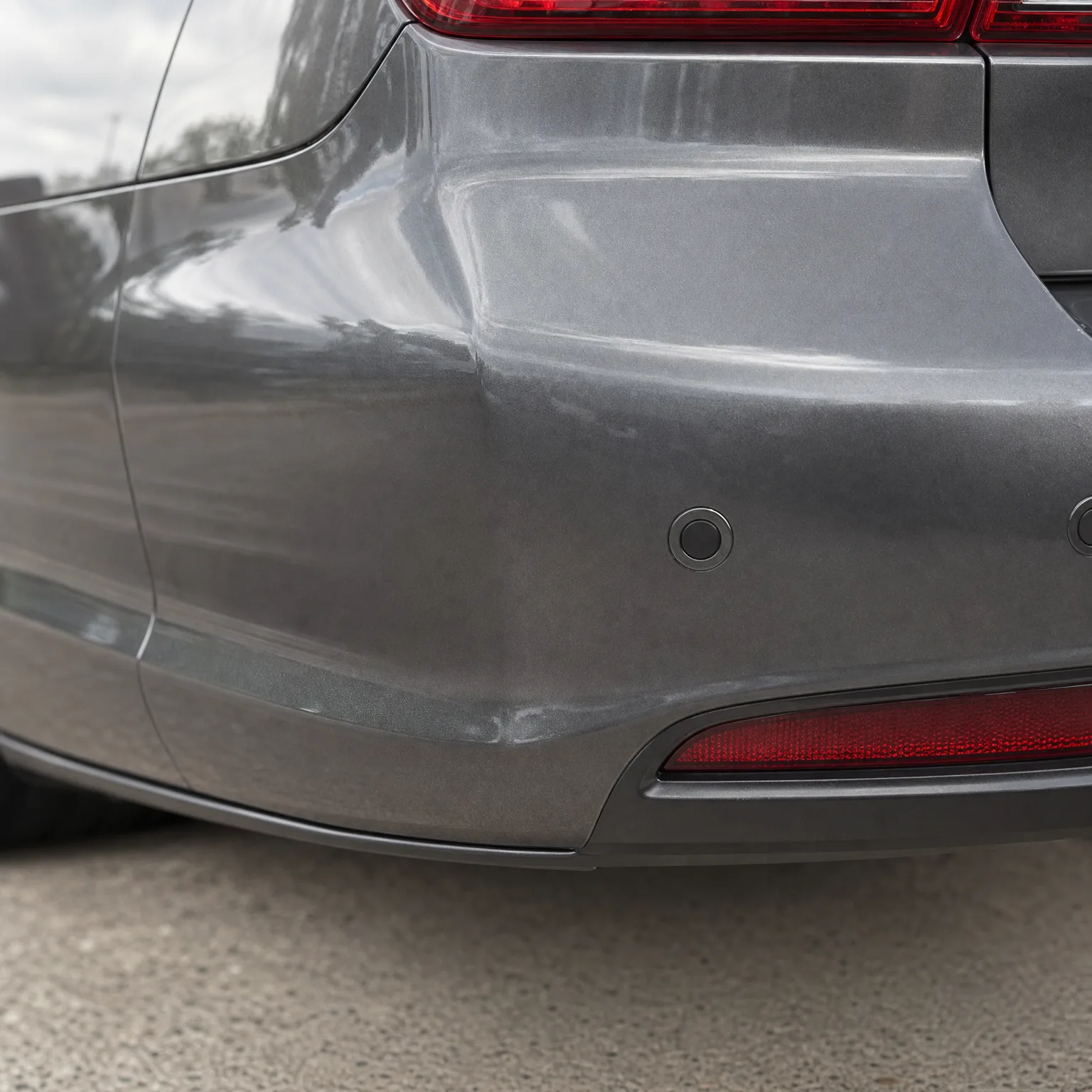
- Damage to your car, in some setups Some policies bundle in uninsured motorist property damage, which pays to fix or replace your car instead of using collision coverage.
Doesn't cover
- Damage from a driver who has insurance If the other driver is insured, even with a low limit, their insurance pays first and this coverage usually isn't needed.
- Your car damage, if not included In many setups this coverage only pays for injuries, and you'd need collision coverage to fix your own car.
- A crash that's your fault This only pays when someone else caused the crash and had no insurance to cover it.
- Mechanical breakdowns This is about a crash caused by an uninsured driver, not a car that fails on its own.
- Damage to things other than your car A fence, mailbox, or other property you hit yourself isn't part of what this coverage pays for.
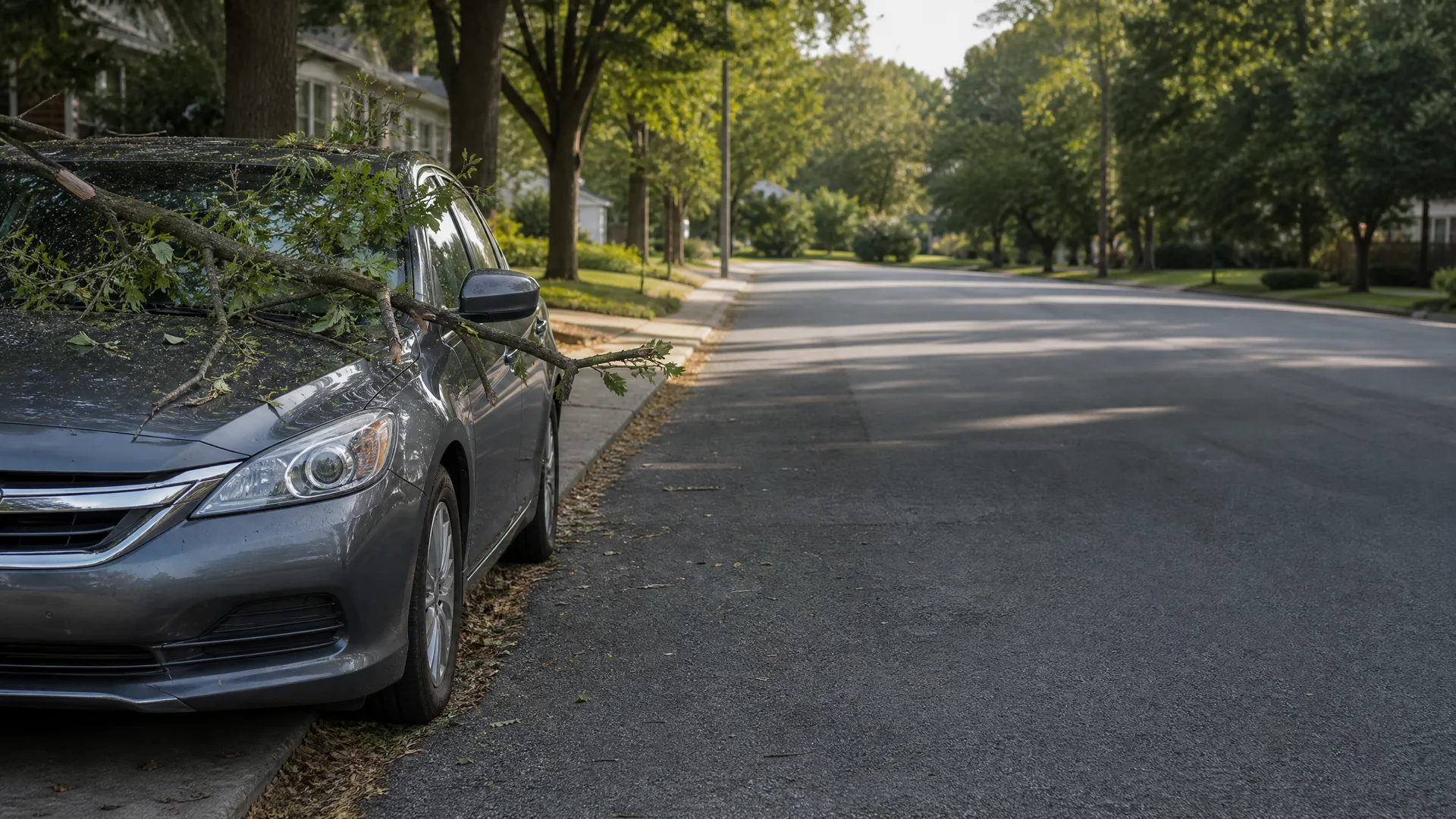
Worth keeping for most drivers, especially if you'd struggle to cover a big loss yourself
This coverage protects you from something you can't control: whether the other driver bothered to carry insurance. You can drive carefully your whole life and still get hit by someone who didn't.
If your car is older and mostly paid off, the injury side of this coverage still matters even if the property side doesn't. A broken hip or a long recovery costs far more than a car ever will, and that risk doesn't go down with age, it often goes up.
Think about how much of a loss you could absorb from savings without real strain. If a serious injury or a totaled car would upend your finances, this coverage is doing real work for you. If you have enough set aside to cover either without much worry, you have more room to adjust it.
How much you drive and where the car sits matters too. A car driven daily on busy roads carries more exposure than one that mostly sits in a garage and makes short trips. Less driving doesn't erase the risk, but it does change how much you're leaning on this coverage.
How a claim actually goes
You report the crash to your own insurer, even though you didn't cause it, because the other driver has no coverage to pay through. Your insurer investigates and treats the claim much like a regular injury or property claim, just paid from your own policy instead of theirs.
If your policy has a deductible on this coverage, you pay that amount first and the coverage pays the rest up to your limit. Some states don't apply a deductible to the injury side, only to the car damage side, so it's worth checking how yours is written.
Have the police report, photos from the scene, and any medical records ready, since your insurer needs to confirm the other driver was actually uninsured or unidentified. The payment covers what the policy promises, medical costs or vehicle repair depending on your setup, but it won't cover things like a rental car unless you added that separately.
The process can take longer than a normal claim because your insurer has to verify the other driver had no coverage before paying. Staying in touch with your adjuster and sending documents promptly keeps it moving.
Uninsured motorist coverage vs. underinsured motorist coverage
Uninsured motorist coverage
This pays when the at-fault driver has no insurance at all, or fled the scene and was never found. It steps in because there's no other policy to pay your claim.
Underinsured motorist coverage
This pays when the at-fault driver does have insurance, but their limits are too low to cover your full injury or loss. It makes up the difference after their policy pays out.
Most drivers want both, since you can't know ahead of time whether the person who hits you will have no insurance or just not enough.
Real situations
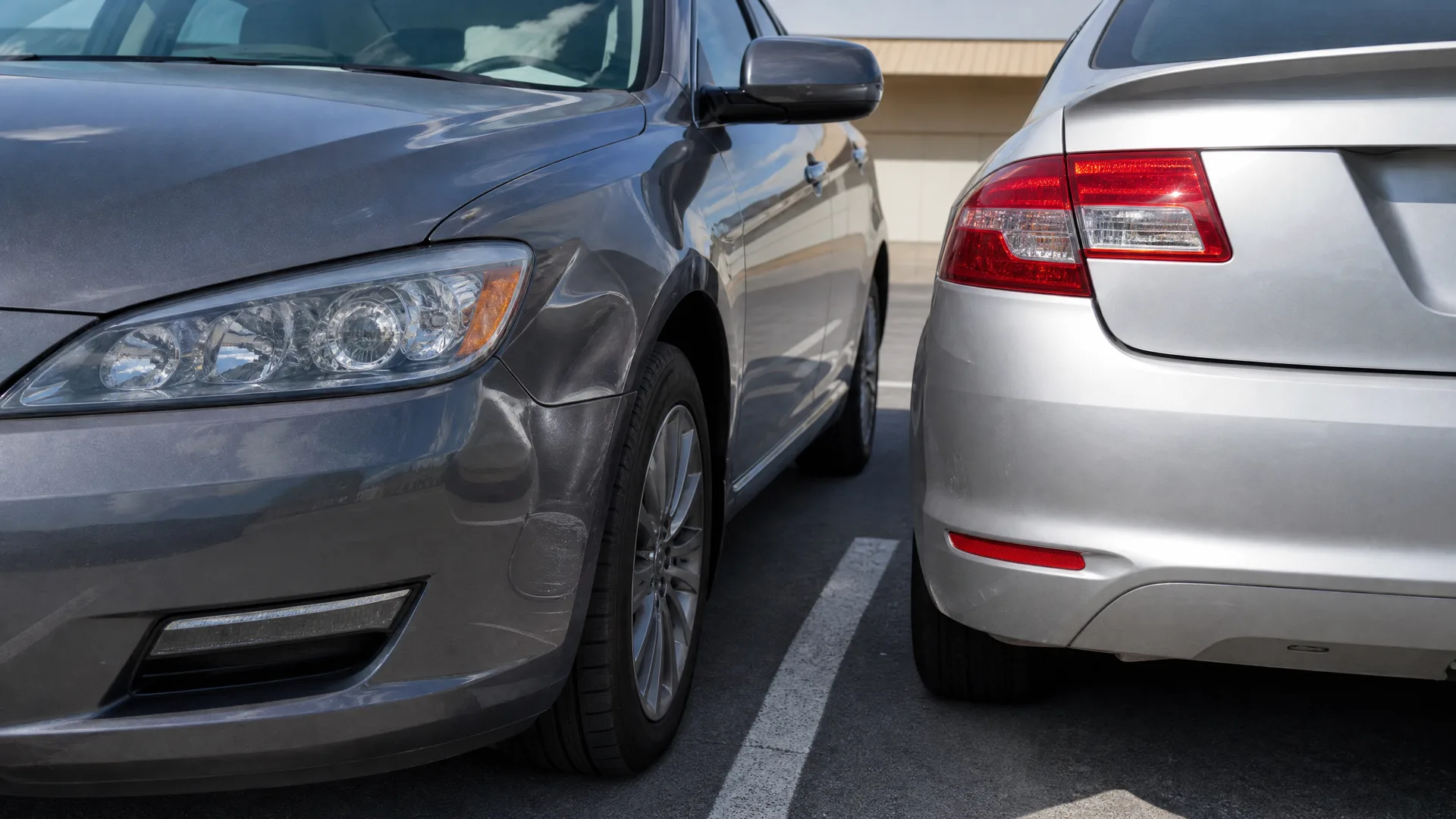
You're stopped at a light and a driver without insurance rear-ends you, leaving you with a sore neck and a trip to urgent care.
This pays for your medical costs since the at-fault driver has no insurance to cover them.
A hailstorm damages your car while it's parked outside church on a Sunday morning.
This doesn't pay, since no driver caused the damage; comprehensive coverage handles weather events.
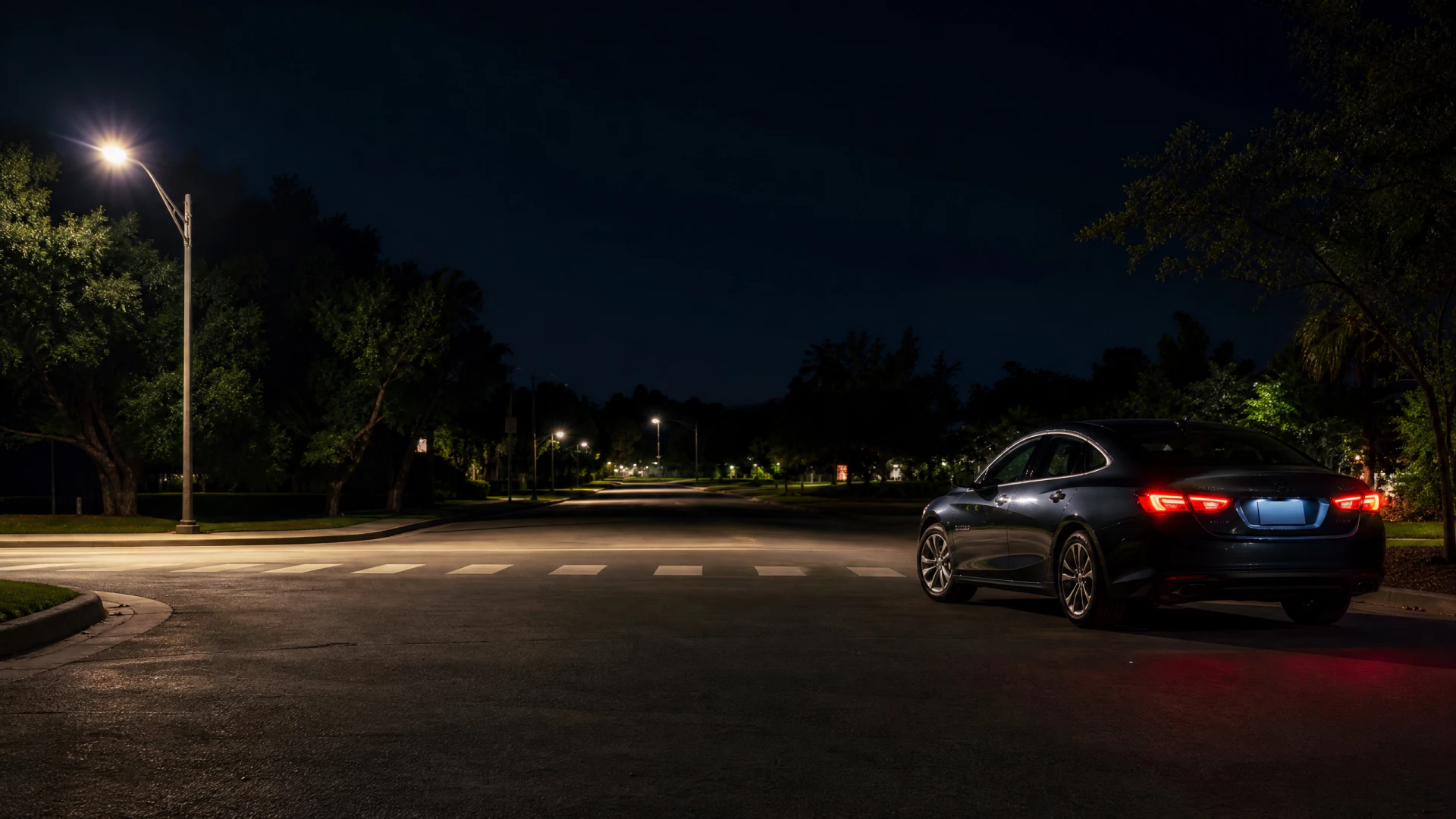
A driver runs a stop sign on a county road, hits your car, and takes off before you can get a plate number.
This pays, since a hit-and-run by an unidentified driver is treated the same as a crash with an uninsured driver.
Once you know how you want this coverage set up, compare quotes to see how different insurers price it for your car and driving.
Questions people ask about this
Do I need uninsured motorist coverage if I already have health insurance?
You can still benefit from it, because health insurance doesn't cover things like lost income or pain and suffering from the crash. Health insurance may also leave you with copays or deductibles that this coverage can help offset. Check how your health plan handles accident claims before deciding to drop it.
What happens if the uninsured driver has some assets?
You can still use this coverage, and separately your insurer may try to recover costs from the at-fault driver directly. That process, called subrogation, happens behind the scenes and doesn't require anything extra from you. Any recovery usually goes back to your insurer, not to you, unless you're still owed money beyond your limit.
Does filing this kind of claim raise my rates?
It can, depending on your insurer's rules, even though the crash wasn't your fault. Because the claim is paid by your own policy, some insurers treat it differently than a not-at-fault claim paid by someone else's insurer. Ask your agent how your specific policy handles this before you file.
How do I know if my car has uninsured motorist property damage or just injury coverage?
Check your policy's declarations page, where coverages are usually listed by name with their limits. If you only see uninsured motorist coverage for bodily injury, your car damage is likely handled through collision coverage instead. Your agent can confirm exactly how your policy is structured if the paperwork isn't clear.
What if the uninsured driver was a family member living in my house?
This usually doesn't apply the same way, since policies often exclude claims against people covered under your own policy. The rules on this vary by state and by insurer, so it's worth asking directly rather than assuming. An agent can walk through how your policy treats a crash involving a household member.