Hit by an Uninsured Driver in Michigan
Uninsured motorist coverage pays for your injuries and, depending on your policy, certain other losses when the driver who hit you has no insurance at all.
What this coverage pays for
Covers
- Your medical bills It covers treatment for injuries you get in a crash caused by a driver who carries no insurance.
- Lost income from recovery If you can't work while you heal, this can replace wages you missed because of the crash.
- Pain and suffering Unlike many coverages, this one can pay for the physical and emotional toll of the injury itself, not just bills.
- Hit-and-run crashes If the other driver flees and is never identified, this coverage treats it the same as if they had no insurance.
- Passengers in your car Anyone riding with you who's hurt by an uninsured driver can usually draw from this same coverage.
- A pedestrian or cyclist claim If you're walking or biking and an uninsured driver hits you, this coverage can still apply.
Doesn't cover
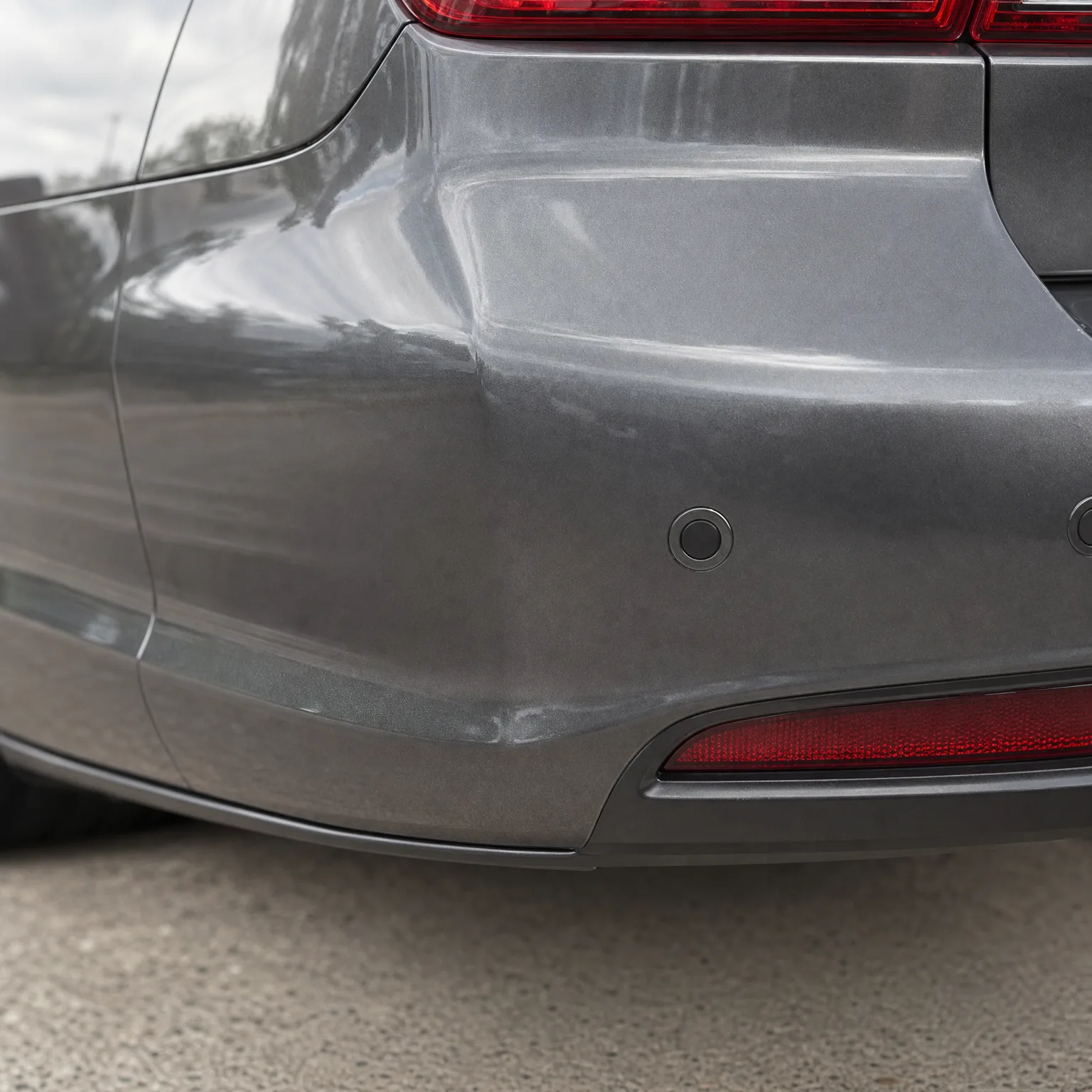
- Damage to your car This coverage is about injuries to people, not the vehicle. Collision coverage handles the car.
- A driver who has some insurance If the other driver carries a policy with low limits that don't cover your full loss, that's a different coverage, often sold alongside this one.
- Your own driving mistakes This only applies when the other driver is at fault and uninsured. If you caused the crash, this doesn't come into play.
- Property other than your vehicle Fences, mailboxes, or other property damaged by an uninsured driver fall outside what this coverage pays.
- Injuries from a non-driving incident A fall at home or a medical event isn't a crash with another vehicle, so this coverage has nothing to do with it.
Worth keeping for almost everyone who drives or rides in a car
This isn't really about what your car is worth, since it doesn't touch vehicle damage at all. It's about what happens to your body and your finances if an uninsured driver hurts you badly enough that medical bills and lost time pile up.
At this stage of life, that matters more, not less. Recovery tends to take longer, treatment tends to cost more, and the gap between what health insurance covers and what you're actually out of pocket can be significant. This coverage is one of the few places in a policy built specifically to fill that gap.
How much you drive matters some, since more time on the road means more exposure. But even someone who drives rarely can be hit while parked, or as a passenger, or while crossing a street. The coverage follows you in those situations too, not just behind the wheel.
The honest exception is someone who no longer drives at all, rarely rides in anyone else's car, and has no vehicle on the policy. For that narrow group, the coverage has little left to protect. For everyone else still on the road, dropping it to save a little tends to look like a bad trade the one time it's tested.
How a claim actually plays out
You typically don't pay a deductible for the injury portion of this coverage, though your policy may handle it differently, so it's worth checking your own declarations page. The process starts much like any injury claim: you report the crash, establish that the other driver had no insurance, and submit medical records and bills as they come in.
Your insurer steps into the role the other driver's insurer would have played. That can mean a slower process than you'd like, since there's no other company pushing a settlement forward, just your own insurer evaluating your claim. Being patient and keeping records helps.
The payment covers medical treatment, lost income, and pain and suffering, up to the limit you chose when you bought the policy. It won't pay for your car's damage, and it won't pay out if the other driver turns out to have had insurance after all, even thin insurance.
Have the police report, the other driver's information if you got it, your medical bills, and any documentation of missed work ready when you file. The clearer your record, the smoother the claim tends to move.
Often confused with underinsured motorist coverage
Uninsured Motorist Coverage
This applies when the other driver has no insurance whatsoever, whether they fled the scene or were simply never covered. It pays for injuries to you and your passengers.
Underinsured Motorist Coverage
This applies when the other driver does have insurance, but not enough to cover your full loss. It fills the gap between what their policy pays and what you actually need.
Most drivers carry both together, since you can't know in advance which situation you'll face.
Real situations
You're stopped at a light and a driver without insurance rear-ends you, leaving you with a neck injury that needs months of physical therapy.
This pays for your treatment and lost time, since the other driver had no insurance to cover it.
A hailstorm damages your car while it's parked at church on a Sunday morning.
This doesn't pay, since there's no other driver involved and no injury, just weather damage to the car.
A driver runs a stop sign at dusk, hits your car, and takes off before you can get a license plate number.
This pays, since an unidentified hit-and-run driver is treated the same as an uninsured one.
Once you know how much uninsured motorist protection you want to carry, you can compare quotes with that figure already decided.
Questions people ask about this
How much uninsured motorist coverage should I buy?
Most people choose a limit close to what they carry for their own liability coverage, so one driver's mistake doesn't leave them far less protected than another's. Think about what a serious injury could realistically cost you in lost income and ongoing treatment. Your agent can show you how the limit changes what you pay.
Does uninsured motorist coverage raise my rates if I use it?
It depends on your insurer, since this claim isn't your fault the way an at-fault accident would be. Many companies don't treat it the same as a chargeable claim, but policies vary. It's worth asking your agent directly how your company handles it.
What if the uninsured driver has no assets to sue?
That's exactly the situation this coverage is built for, since suing someone with no money and no insurance rarely recovers anything. Your own policy pays instead of you chasing a judgment you'd likely never collect. This is often the more realistic path than a lawsuit.
Can I be sued by the uninsured driver I hit them back?
That's a liability question, separate from this coverage, and depends on who was actually at fault in the crash. If you were not at fault, this coverage is about your losses, not a counterclaim against you. A lawyer can walk through fault questions if they come up.
Does this coverage apply if I'm a passenger in someone else's car?
Yes, in most cases this coverage follows you as a person, not just your own vehicle. If you're a passenger in a car hit by an uninsured driver, your own policy's coverage can often still apply. Check your policy's language on passenger situations to be sure.