Hit by an Uninsured Driver in Minnesota
Uninsured motorist coverage pays for your injuries and, depending on your policy, your car, when the at-fault driver has no insurance at all.
What it pays for
Covers
- Your medical costs If an uninsured driver hits you and you're hurt, this coverage can pay for your treatment when their insurance should have but can't.
- Lost income from the crash If your injuries keep you from working, this can cover wages you miss while you recover.
- Pain and suffering Unlike basic medical coverage, this can account for the physical and emotional toll of the crash, not just the bills.
- A hit-and-run driver If the other driver takes off and is never identified, they count as uninsured and this coverage can still respond.
- Family members as passengers If someone riding with you is hurt in the same crash, this coverage can pay for their injuries too.
- Damage to your car, if you added that option Some versions of this coverage include your vehicle, not just medical costs, so it's worth checking which one you have.
Doesn't cover
- A driver who has some insurance If the other driver carries too little insurance to cover the damage, that's a related but separate coverage, often listed right next to this one.
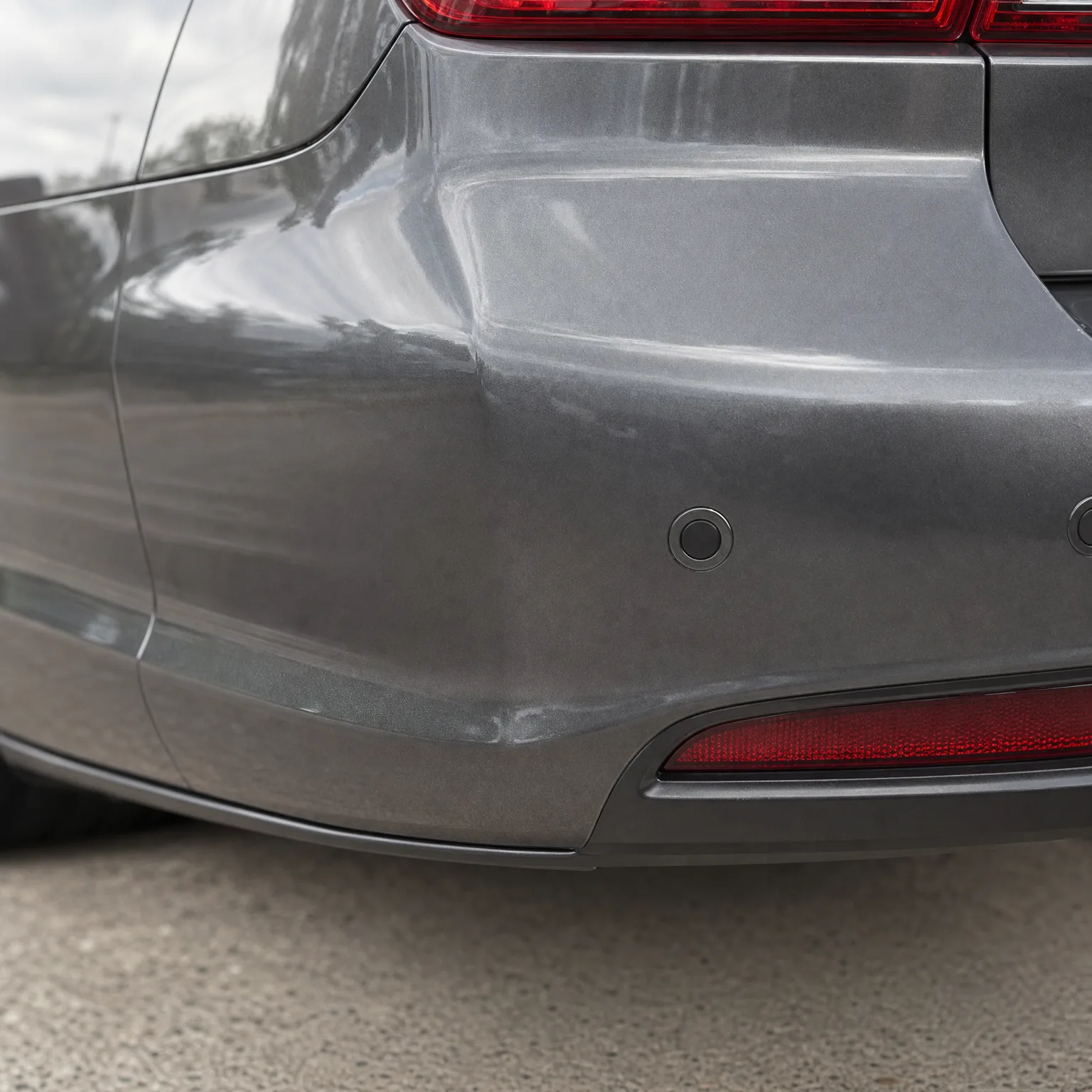
- Your own car, by default The basic version of this coverage pays for people, not vehicles. Collision coverage is what pays to fix or replace your car after a crash.
- Damage you cause This coverage only responds when someone else hit you. If you're at fault, your liability coverage is what applies.
- A parked car hit by someone unknown If no driver can be tied to the damage, that usually falls to collision coverage rather than this one.
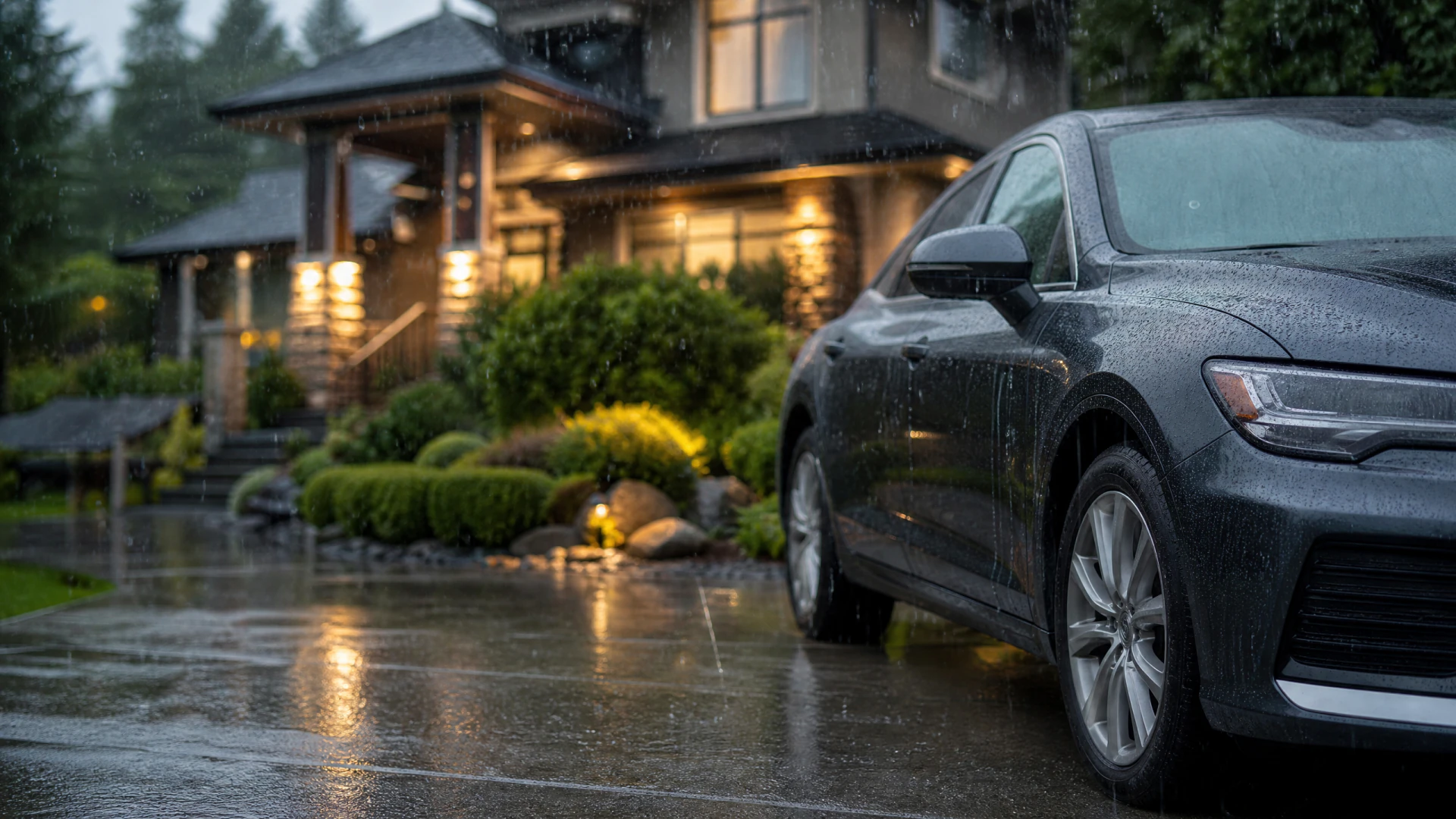
- Weather or animal damage Hail, falling branches, or a deer in the road aren't caused by another driver, so comprehensive coverage handles those instead.
Worth keeping for almost anyone who drives
This is one of the cheaper lines on a policy, and it protects against a real gap. Minnesota has drivers on the road without insurance, and if one of them hits you, you're otherwise left covering your own medical costs and losses out of pocket, even though the crash wasn't your fault.
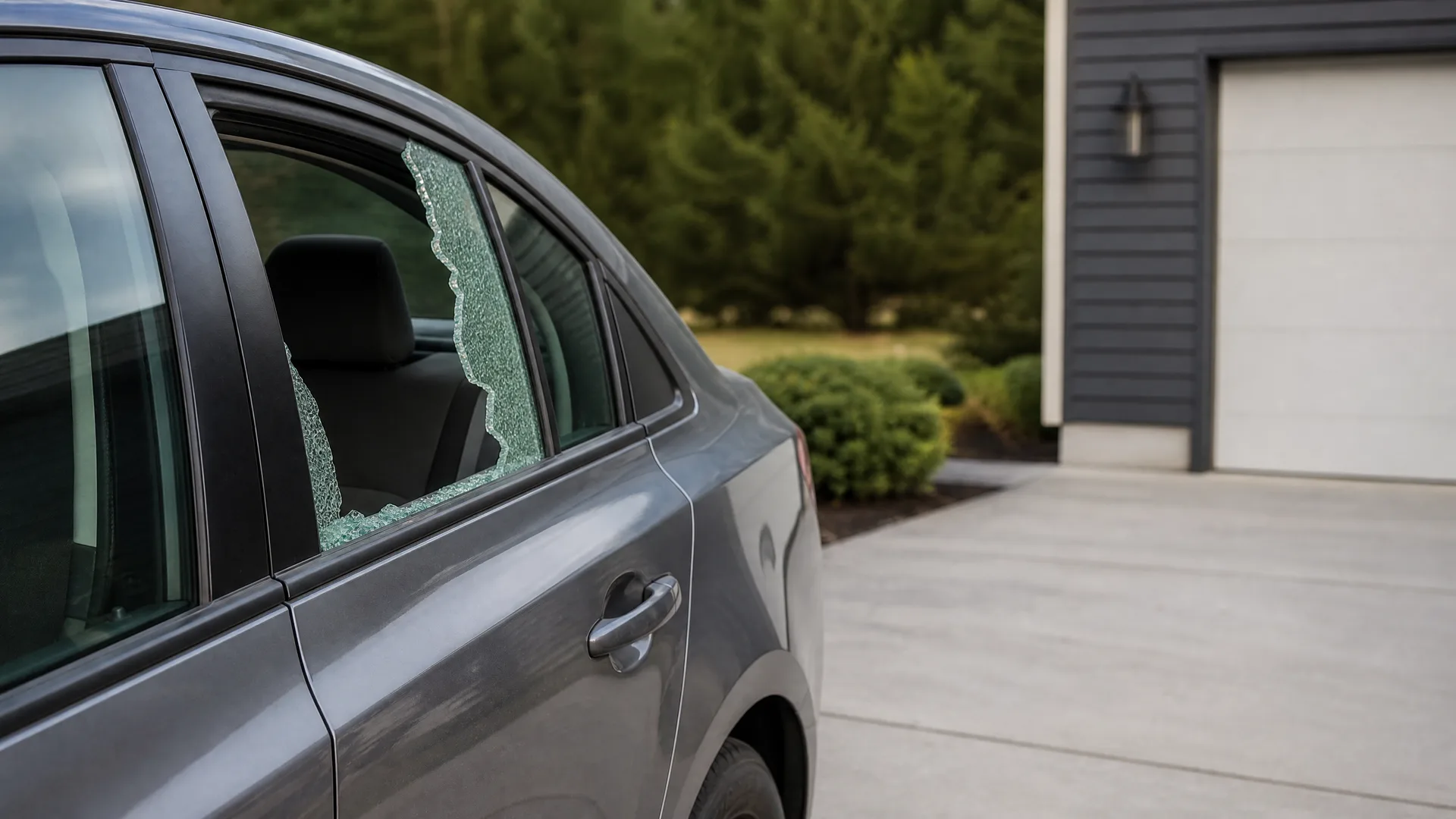
Your age doesn't weaken the case for this coverage the way it might with some others. If anything, recovering from an injury takes longer and costs more as you get older, and that's exactly what this coverage is there to help with.
If you still drive regularly, especially longer distances or at night when hit-and-runs are more common, this is not a place to cut back to save a little. The coverage exists for a situation you can't predict or prevent.
The one place to think it through is if you've mostly stopped driving and the car sits most of the time. Even then, you're still a passenger in other cars and still exposed when you're out walking or biking near traffic, so talk to your agent about how broadly your policy protects you before dropping anything.
How a claim actually goes
You'll typically still have a deductible on the vehicle side of this coverage, if you carry that version, though the medical side often doesn't work that way. Check your own policy for how yours is set up, since this varies.
After a crash, you report it to your own insurer, not the other driver's, since they don't have real coverage to file against. Your insurer investigates to confirm the other driver was in fact uninsured or unidentified, which can take some back and forth.
The payment covers your medical bills, lost income, and the broader toll of the injury, up to your policy's limit. It won't cover damage to someone else's property or anything beyond what your policy specifies.
Have the police report ready, along with any medical records and bills, and the other driver's information if you have any of it, even a partial plate number. The more documentation you can hand your insurer, the smoother the claim moves.
Easy to confuse with underinsured motorist coverage
Uninsured motorist coverage
This pays when the other driver has no insurance at all, or can't be identified. It's the gap that opens when there's simply nothing to collect from on their end.
Underinsured motorist coverage
This pays when the other driver has insurance, but their limits run out before your costs do. It picks up where their policy stops.
Most drivers carry both, since you don't know in advance which kind of driver will hit you.
Real situations
You're stopped at a light and a driver without insurance rear-ends you, leaving you with a sore back and a doctor's visit.
This pays for your medical costs since the at-fault driver has no coverage of their own.
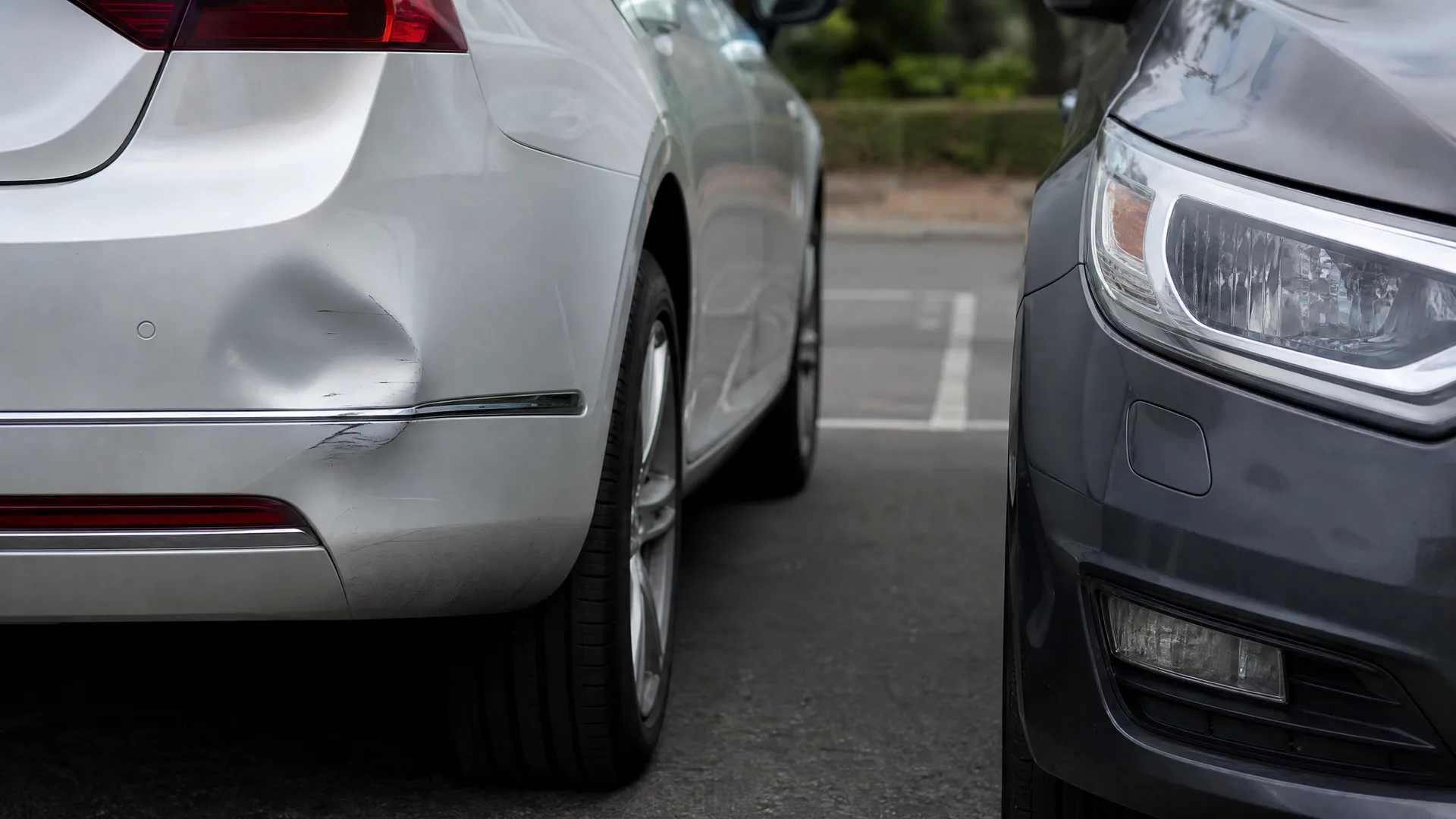
A driver clips your car in a parking lot and drives off before you can get a look at them.
This can pay if the driver is never identified, since an unknown hit-and-run driver counts as uninsured.
Hail damages your car while it's parked outside during a storm.
This doesn't pay, since no other driver was involved. Comprehensive coverage is what applies here.
Once you know how you want this coverage set up, compare quotes with that in mind rather than letting a quote tool decide it for you.
Questions people ask about this
Does uninsured motorist coverage follow me or the car?
It generally follows you as a named driver, not just the vehicle. That means you're often still covered as a pedestrian or as a passenger in someone else's car, but check your policy's wording since the details can vary.
What happens if the uninsured driver has no money either way?
Nothing changes about your claim. This coverage exists precisely because you can't collect from a driver who has nothing to give, so your own insurer pays you directly and then can pursue the other driver separately if they choose.
Can my insurance rates go up after an uninsured motorist claim?
It depends on your insurer and the situation, since you weren't at fault. Ask your agent directly how this type of claim is treated on your policy, since practices vary.
Is uninsured motorist coverage required in Minnesota?
Whether it's required or just offered varies by state, so check your own policy or declarations page to see how it's listed for you. Your agent can also confirm what your state requires.
Do I need this if I already have good health insurance?
Health insurance can cover your medical bills, but it won't cover lost income or the broader impact of the injury the way this coverage can. The two work differently and having one doesn't make the other unnecessary.