Hit by an Uninsured Driver in Indiana
Uninsured motorist coverage pays for your injuries and, in some cases, your vehicle damage when the driver at fault has no insurance to cover what happened.
What this coverage pays for
Covers
- Your medical bills If an uninsured driver hits you, this picks up the medical costs their liability insurance would have paid.
- Lost income from the crash If injuries keep you from working, this can cover the wages you miss while you recover.
- Pain and suffering Unlike your own medical payments coverage, this can include compensation for the injury itself, not just the bills.
- A hit-and-run driver If the other driver takes off and is never identified, this treats the situation the same as if you knew they were uninsured.
- Vehicle damage, where offered In some policies this extends to your car itself, though that piece varies and is worth checking on your own policy.
- Passengers in your car People riding with you when an uninsured driver causes the crash are generally covered the same way you are.
Doesn't cover
- Damage to the other driver's car You're not responsible for their vehicle, so this coverage has nothing to do with their property.
- Your own car, if not included Many policies handle vehicle damage through collision coverage instead, so check which one your policy actually uses for that.
- A crash that's your fault This only applies when the other driver caused the accident and has no insurance to pay for it.
- Mechanical breakdowns Nothing about an uninsured driver changes how normal wear and mechanical failure are handled, which this coverage never touches.
- Injuries from a known at-fault driver who is insured If the other driver has coverage, their insurance is who pays, not yours.

Worth keeping for almost anyone still driving
This is one of the few coverages that's hard to talk yourself out of, because the risk it covers isn't about your own driving record or your own car's value. It's about the other driver, and there are plenty of drivers out there with no insurance or not enough of it. You can't control that by being careful.
What matters more here is how much of a hospital stay or long recovery you could absorb on your own if someone without insurance put you there. Medical costs after a serious crash can run well past what most people have sitting in savings, and at this age recovery often takes longer and costs more. This coverage exists specifically for that gap.
How much you drive and where you drive matter too. Someone making frequent trips on highways or unfamiliar roads runs into more strangers, and more chances one of them is uninsured. Someone driving mostly short local errands still faces the same risk, just less often, not zero.
The one place this gets less urgent is if your vehicle damage is handled another way and your main concern was property, not injury. But the medical and income protection this provides is usually worth keeping regardless of what the car itself is worth.
How a claim actually plays out
You report the crash and let your insurer know the other driver had no insurance, or couldn't be identified. Your insurer investigates fault the same way it would with any claim, so you'll want details on the crash, any police report, and your own medical records as they come in.
If a deductible applies to the part of this covering vehicle damage, that comes out of what you're paid, the same as it would with collision coverage. The portion covering injuries typically doesn't work that way.
The payout is meant to put you where you'd have been if the other driver had carried their own insurance. That means covering medical bills, lost income, and in some cases pain and suffering, up to what your policy allows. It won't cover damage that isn't related to the crash, and it won't pay out twice if another part of your policy already covered the same cost.
Have your policy details, the other driver's information if you have any, and your medical paperwork ready. The more documentation you have early, the smoother the claim tends to go.

Often confused with underinsured motorist coverage
Uninsured motorist coverage
This applies when the at-fault driver has no insurance at all, or can't be found, as with a hit-and-run. It steps in completely because there's no other policy to rely on.
Underinsured motorist coverage
This applies when the other driver has insurance, but not enough to cover what you're owed. It fills the gap between what their policy pays and what your damages actually come to.
Most people carry both together since you can't predict which situation you'll end up in, and either one leaves you exposed without the other.
Real situations
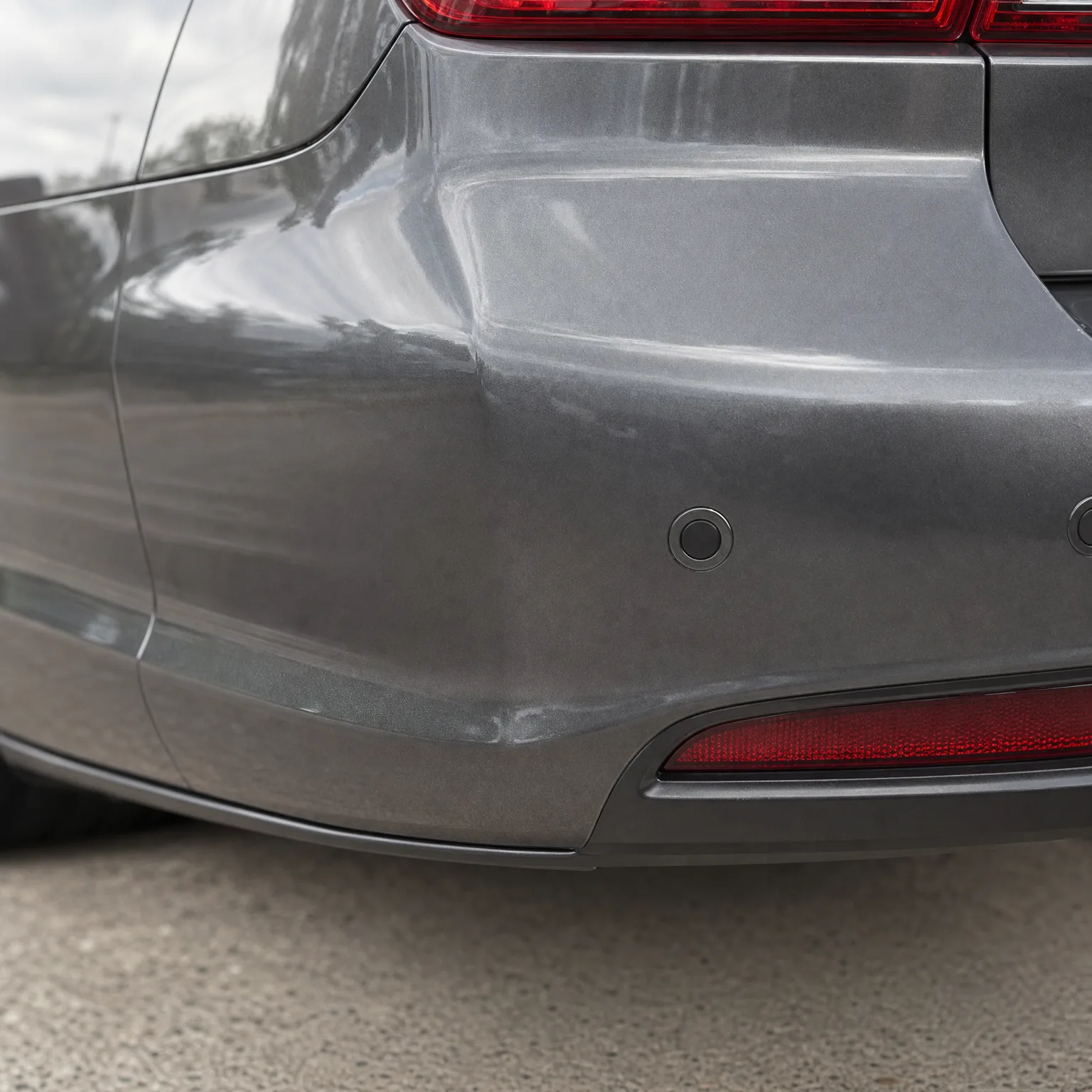
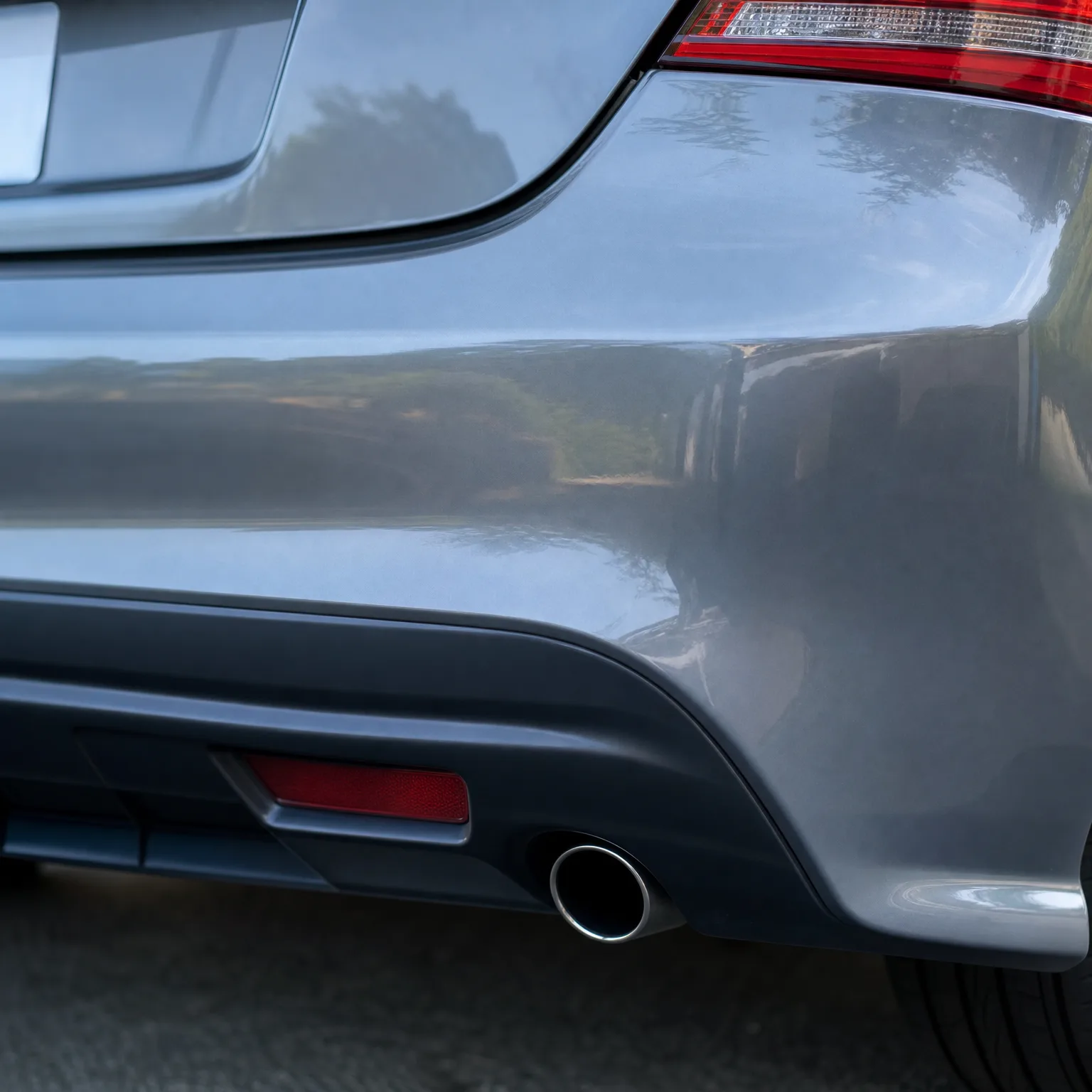
You're stopped at a light and a driver without insurance rear-ends you, leaving you with a strained back and a totaled bumper.
This pays for your injury costs, and for the vehicle damage if that part is included on your policy.
A hailstorm hits while your car is parked outside church and dents the hood and roof.
This doesn't pay here, since there's no other driver involved. That's a comprehensive claim instead.
A driver runs a stop sign at dusk, hits your car, and takes off before you can get a plate number.
This pays, since an unidentified hit-and-run driver is treated the same as a confirmed uninsured one.
Once you know how you want this coverage set up, compare quotes with that in mind instead of letting the number alone decide.
Questions people ask about this
Does this coverage raise my rate if I use it?
It's less likely to than an at-fault claim, since the crash wasn't your fault. Insurers generally treat this differently from claims where you caused the damage, though how any particular policy handles it can vary, so it's worth asking directly.
What if the uninsured driver has some money but no insurance?
This still applies, since the coverage is about their lack of insurance, not their income. You can also pursue them directly for damages, though collecting from an individual is often harder than filing a claim.
Can I use this if I was a pedestrian hit by an uninsured driver?
Often yes, since this typically covers you as a person, not just while you're inside your car. Check your policy's wording, since some define this more narrowly than others.
Does this coverage follow me if I'm driving someone else's car?
Usually yes, within limits, since this is tied to you as a driver as much as to the vehicle. Confirm with your policy, since rules on borrowed or rented vehicles can differ.
Is this coverage required in Indiana?
Whether it's required or just offered varies by state, so check your own policy or declarations page to see how it's set up for you. Some states require insurers to offer it even if you're free to decline it.