Hit by an Uninsured Driver in Missouri
Uninsured motorist coverage pays for your injuries and, in some setups, your car damage when the other driver has no insurance at all.
What it pays for
Covers
- Your medical bills It covers treatment for your injuries when the at-fault driver has no insurance to pay you back.
- Lost income If you miss work recovering from the crash, this can replace wages the other driver's insurance would have paid.
- Pain and suffering Unlike basic medical coverage, this can account for the physical and emotional toll, not just the bills.
- Hit-and-run crashes If the driver flees and is never identified, this coverage treats it the same as hitting an uninsured driver.
- Passengers in your car Anyone riding with you who's hurt by an uninsured driver is generally covered the same way you are.
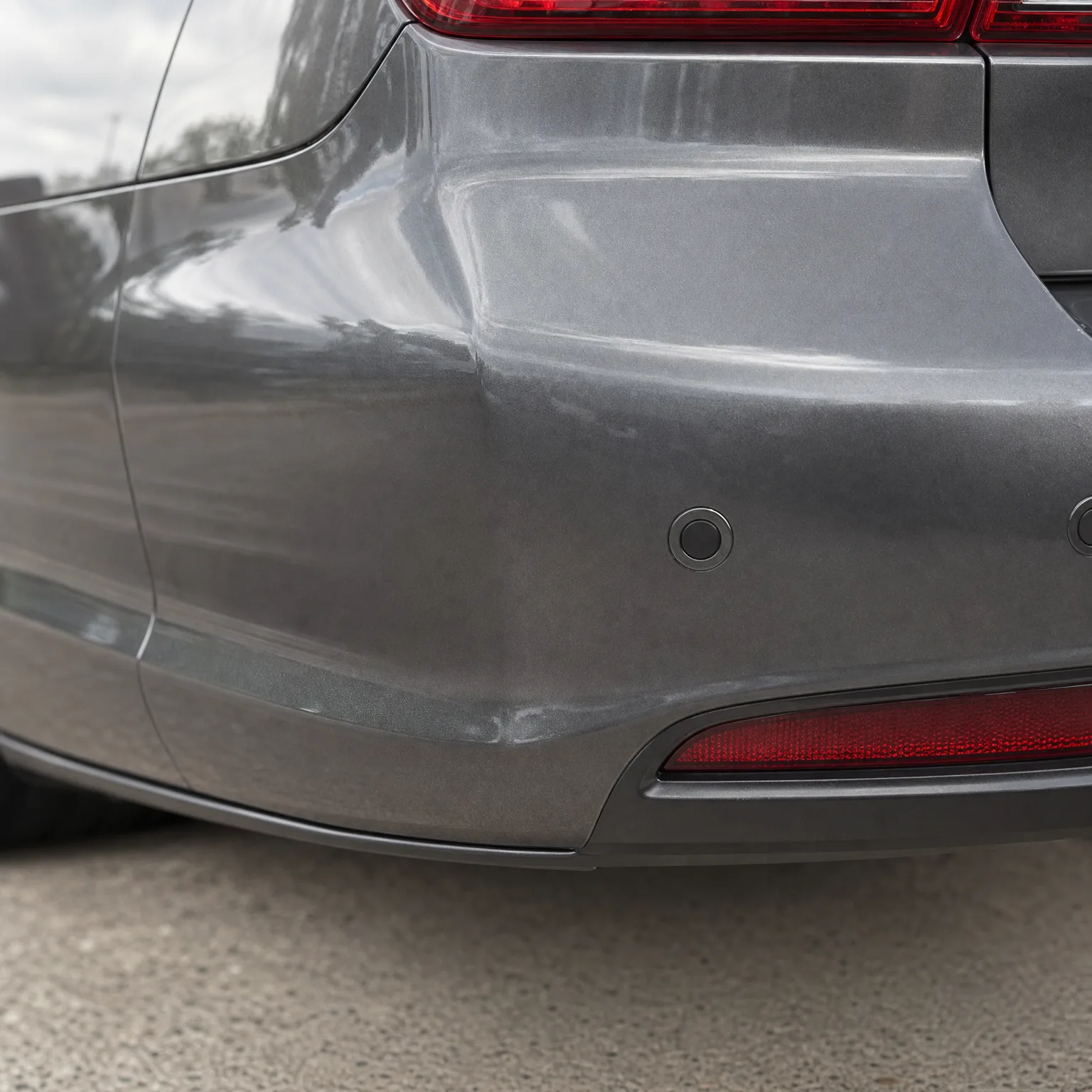
- Car damage, if you added it Some policies let you add property damage to this coverage, which pays to fix your car instead of relying on collision coverage.
Doesn't cover
- Damage from a named storm Weather damage falls under comprehensive coverage, not this one, since no other driver is involved.
- Your own at-fault crash This coverage only responds when someone else caused the crash and had no insurance. If you're at fault, your liability or collision coverage applies instead.
- A driver with some insurance but not enough That situation is usually handled by underinsured motorist coverage, a close relative of this one but a separate line on your policy.
- Mechanical breakdowns A blown engine or transmission has nothing to do with another driver, so this coverage doesn't apply.
- Damage to the uninsured driver's car This coverage protects you, not the other person, so their vehicle isn't your concern or your insurer's.
Worth keeping for most drivers, even later in life
This coverage protects you against someone else's bad decision, not your own driving, which makes it different from coverages you might consider dropping as a car ages. Even a careful driver in a well-maintained car can be hit by someone with no insurance at all, and that risk doesn't go away as you get older.
What matters more than your age is what you're protecting. If you or a passenger were seriously hurt by an uninsured driver, the medical costs and lost income could be significant, and this is often the only coverage standing between you and paying for someone else's fault out of your own pocket. Health insurance and Medicare may cover some medical costs, but they won't replace lost income or compensate you for pain and suffering.
How much you drive and where the car sits matter less here than they do for comprehensive coverage, since this isn't about weather or theft. Even someone who drives only short distances locally faces the same risk of meeting an uninsured driver on any given trip.
The one case where it's worth a second look is if you've added property damage to this coverage and your car is old enough that you'd happily walk away from it in a bad wreck. In that narrow case, the medical and injury piece still carries the real value, and that's the part worth keeping no matter what you decide about the property piece.
How a claim actually goes
You'll typically file this claim with your own insurer, since the other driver has no coverage to pursue. You'll need to show the other driver was at fault and that they were genuinely uninsured, which your insurer may confirm independently.
If your policy includes a deductible on the property damage piece, it applies the way it would on a collision claim, reducing your payout by that amount. The injury piece usually doesn't carry a deductible, though that can vary by how your policy is set up.
Have the police report, any photos from the scene, and your medical records ready, since those are what your insurer will lean on to settle the claim. If the other driver is later identified or found to have some insurance after all, the claim may shift to a different part of your policy.
Settlements can take longer than a typical claim because your insurer is essentially standing in for the missing driver, and there's more to verify. Staying in touch with your adjuster and sending documentation promptly tends to keep things moving.
Uninsured motorist vs. underinsured motorist coverage
Uninsured motorist coverage
This applies when the at-fault driver has no insurance at all, or can't be identified after a hit-and-run. It fills in completely for a policy that doesn't exist.
Underinsured motorist coverage
This applies when the at-fault driver has insurance, but their limits are too low to cover your full losses. It makes up the difference rather than covering everything.
Most drivers carry both, since you can't control which kind of driver hits you, and the gap between the two is exactly where real losses can slip through.
Real situations
You're stopped at a light and a driver without insurance rear-ends you, leaving you with neck pain and a few missed days of work.
This pays for your medical care and lost wages, since the other driver was at fault and uninsured.
A hailstorm hits while your car sits in the church parking lot during a Sunday service.
This doesn't pay, since no other driver is involved. Comprehensive coverage would handle hail damage.
A driver runs a stop sign on a county road and hits your car, then takes off before you can get a plate number.
This pays if the driver is never identified, since an unidentified hit-and-run driver is treated the same as an uninsured one.
Once you know whether you want this coverage, and whether you want the property piece added, you can compare quotes with that already decided.
Questions people ask about this
Do I need underinsured motorist coverage too?
Most drivers benefit from carrying both uninsured and underinsured motorist coverage, since you can't predict whether the driver who hits you has no insurance or just too little. Underinsured coverage fills the gap when the other driver's limits fall short of your actual losses. Check your policy to see if you already have both, since they're often sold together but not always.
How do I know if the other driver was actually uninsured?
Your insurer typically verifies this independently after you file a claim, often by checking state records or contacting the other driver directly. You don't have to prove it yourself beyond providing the police report and any information you gathered at the scene. If the driver turns out to have some insurance, your claim may shift to the underinsured portion of your policy instead.
Does this coverage affect my rates if I use it?
Since the crash wasn't your fault, a claim under this coverage generally shouldn't be treated like an at-fault accident on your record. Rules can vary by how your policy is written, so it's worth checking with your insurer directly. Ask specifically how a claim like this is classified before you assume either way.
Can I be sued by the uninsured driver after a crash?
It's uncommon, but a driver without insurance can still sue you if they believe you were at fault, regardless of their own lack of coverage. This is a separate issue from your uninsured motorist coverage, which protects you, not them. Liability coverage on your own policy would respond if you were found at fault in that kind of lawsuit.
Is uninsured motorist coverage required in Missouri?
Whether this coverage is required or just offered varies by state, so check your own policy or declarations page to see how it's set up for you. Some states require it, others only require insurers to offer it, and some leave it entirely optional. If you're unsure, your insurer can tell you exactly how your policy currently handles it.