Hit by an Uninsured Driver in Mississippi
Uninsured motorist coverage pays for your injuries and sometimes your car when the other driver has no insurance at all, or flees the scene.
What this coverage pays for
Covers
- Your medical bills It covers treatment for injuries you suffer in a crash caused by a driver with no insurance.
- Lost income If you can't work while you recover, this can replace wages you missed because of the crash.
- Pain and suffering Unlike your own health insurance, this coverage can include compensation for the injury itself, not just the bills.
- Hit-and-run crashes When the other driver takes off and is never identified, this coverage steps in as if they'd been caught and had a policy.
- Passengers in your car Anyone riding with you who's hurt by an uninsured driver is generally covered the same way you are.
- Car damage, in some policies Where it includes property damage, it pays to repair or replace your car after a hit from an uninsured driver.
Doesn't cover
- Your own at-fault crash This only applies when the other driver is at fault and uninsured. If you caused the wreck, your liability or collision coverage is what responds.
- Damage from a named storm Hail, wind and falling branches are weather damage, which comprehensive coverage handles, not this one.
- Mechanical breakdown A blown transmission or dead battery isn't a crash with another driver, so this coverage has nothing to do with it.
- A driver who has some insurance If the other driver carries a policy but it's too small to cover your full loss, that's underinsured motorist coverage, a close relative but a separate line.
- Your own car if you skip the property piece Many people assume the coverage automatically fixes their car. If you didn't add the property damage part, only your injuries are covered.
Worth keeping for almost everyone, worth raising if your car is fully paid off
The core question isn't your age, it's what happens to you physically and financially if an uninsured driver hits you tomorrow. A broken hip or a surgery doesn't get cheaper because you're careful about money, and your own health insurance may not cover everything a crash causes, especially pain and loss of income if you still work part time.
If your car is older and already paid off, the property damage piece matters less, since you could replace it without much strain. But the injury piece still matters just as much as it did when the car was new, because it protects you, not the car.
How much you drive and where the car sits overnight both shift the odds a little. Someone who drives daily on busy roads runs into more uninsured drivers over time than someone who mostly drives a few miles to church and the store. But the coverage is cheap enough relative to the protection that low mileage rarely makes it a clear drop.
If you have substantial savings and could absorb a serious injury claim without this coverage, you have more room to reduce it. Most people in their sixties, seventies and eighties don't have that kind of cushion sitting ready for a six-figure medical bill, which is what makes this one of the harder coverages to argue against.

What happens when you actually use it
After a crash with an uninsured or hit-and-run driver, you report the claim to your own insurer, since there's no other policy to go after. You'll need a police report, so call the police at the scene even if it feels unnecessary. The report is often the main proof that the other driver had no insurance or couldn't be found.
Most policies carry a deductible for the property damage piece, though the injury piece typically does not. The deductible works like it does elsewhere, you pay that amount first before the insurer pays the rest.
Your insurer will investigate the crash and may ask for medical records, repair estimates and your account of what happened. Payment covers your injuries and property damage up to your policy's limits, but it won't cover punitive damages or anything beyond what you actually lost.
Keep your medical bills, repair estimates and the police report together, and write down the other car's description and direction of travel as soon as you can after a hit-and-run. Memory fades fast, and those details matter if the driver is never found.
Uninsured motorist coverage vs. underinsured motorist coverage
Uninsured motorist coverage
This applies when the at-fault driver has no insurance at all, or can't be identified. It's the backstop for drivers who are breaking the law by not carrying any coverage.
Underinsured motorist coverage
This applies when the at-fault driver has insurance, but their limits are too low to cover your full injury or damage. It fills the gap between what they owe and what their policy actually pays.
Most people carry both together since you can't predict which kind of driver will hit you, and many policies bundle them into one coverage automatically.
Real situations
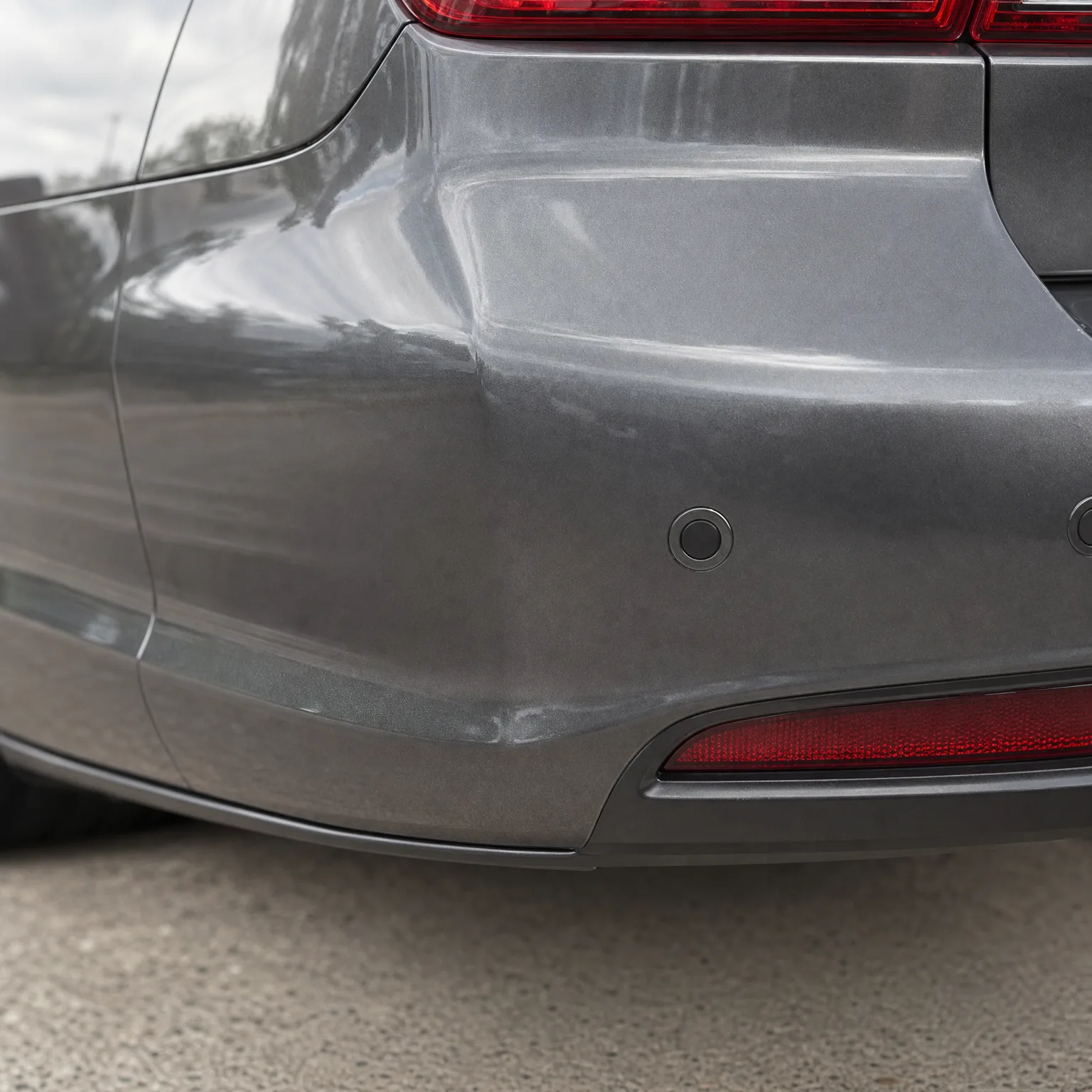
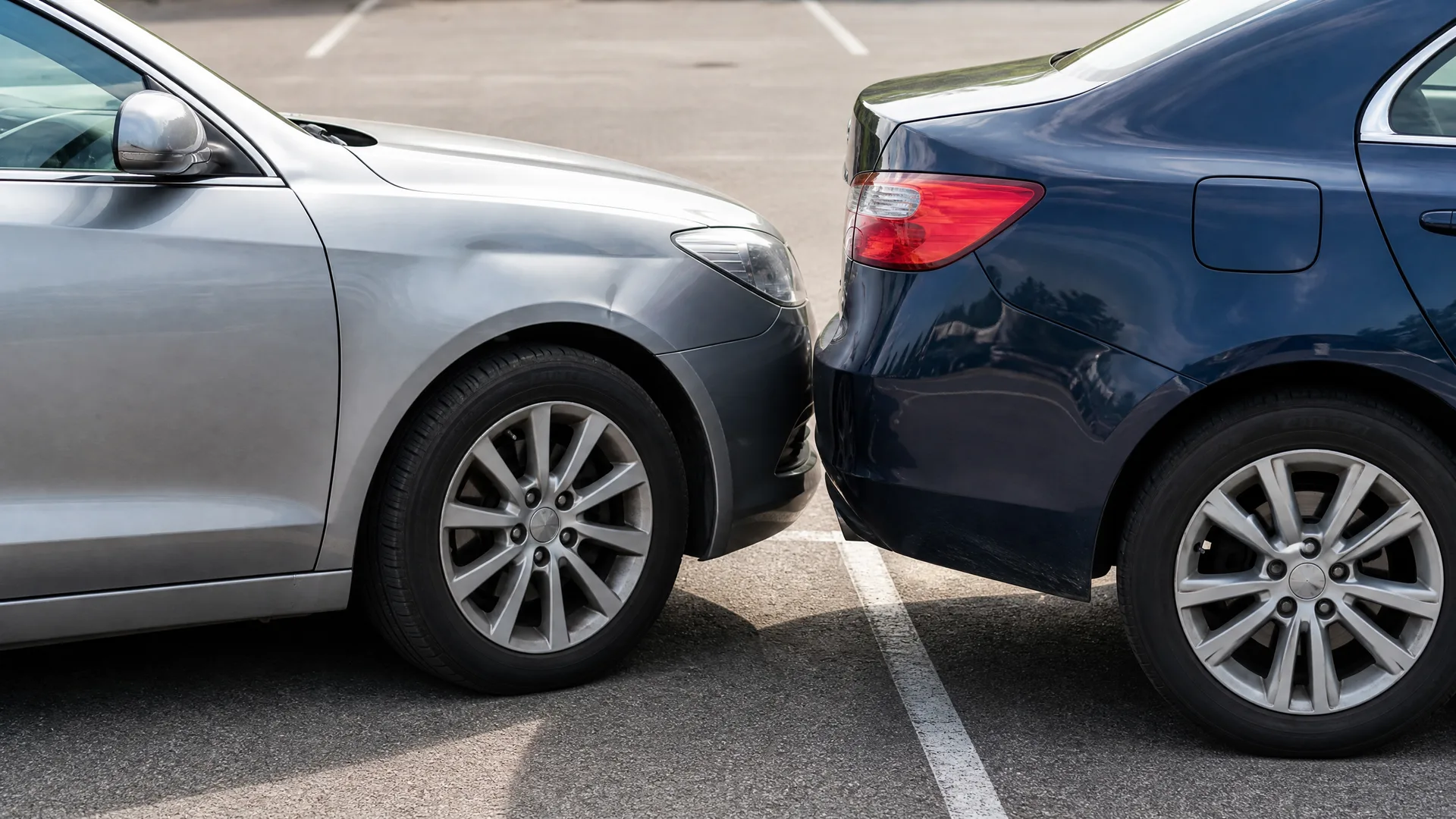
You're stopped at a light on your way to a doctor's appointment and a driver without insurance rear-ends you, leaving you with a sore neck and a dented bumper.
This pays for your injury and, if you added the property piece, your car repair too.
A deer runs into the road at dusk on a county highway and you swerve and hit a fence post, damaging your front end.
This doesn't pay, since no other driver was involved. That's a comprehensive claim.
A driver runs a stop sign, clips your car, then drives off before you can get a license plate.
This pays as a hit-and-run claim, treated the same as if the driver had no insurance.
Once you know whether to keep, raise or adjust this coverage, you can compare quotes with that decision already settled.
Questions people ask about this
Do I need a police report to file an uninsured motorist claim?
Yes, in almost every case you'll want one, since it's often the main evidence that the other driver was uninsured or fled the scene. Call the police at the time of the crash rather than trying to get a report filed later. Without it, your insurer has little to go on besides your own account.
What if the uninsured driver has no money to pay me back?
That's exactly the situation this coverage is built for, since most uninsured drivers don't have assets worth pursuing. Your insurer pays your claim directly and then may try to recover the cost from the other driver themselves. You generally don't need to chase the other driver on your own.
Does my rate go up after an uninsured motorist claim?
It depends on your insurer and state rules, since this varies quite a bit by policy. Because the crash wasn't your fault, many insurers treat it differently than an at-fault claim. Ask your agent directly how this type of claim is handled before you file.
Can I be sued by the uninsured driver after a crash?
It's uncommon, but a driver can still bring a claim against you if they believe you were at fault, even if they had no insurance themselves. Your liability coverage would respond to that, not this coverage. This is one more reason to keep both types of protection in place.
Is this coverage required where I live?
Whether it's required or just offered varies by state, so check your own policy or declarations page to see how it's set up. Some states require insurers to offer it even if you're allowed to decline it in writing. If you're not sure what you have, ask your agent to walk through that page with you.