Hit by an Uninsured Driver in Louisiana
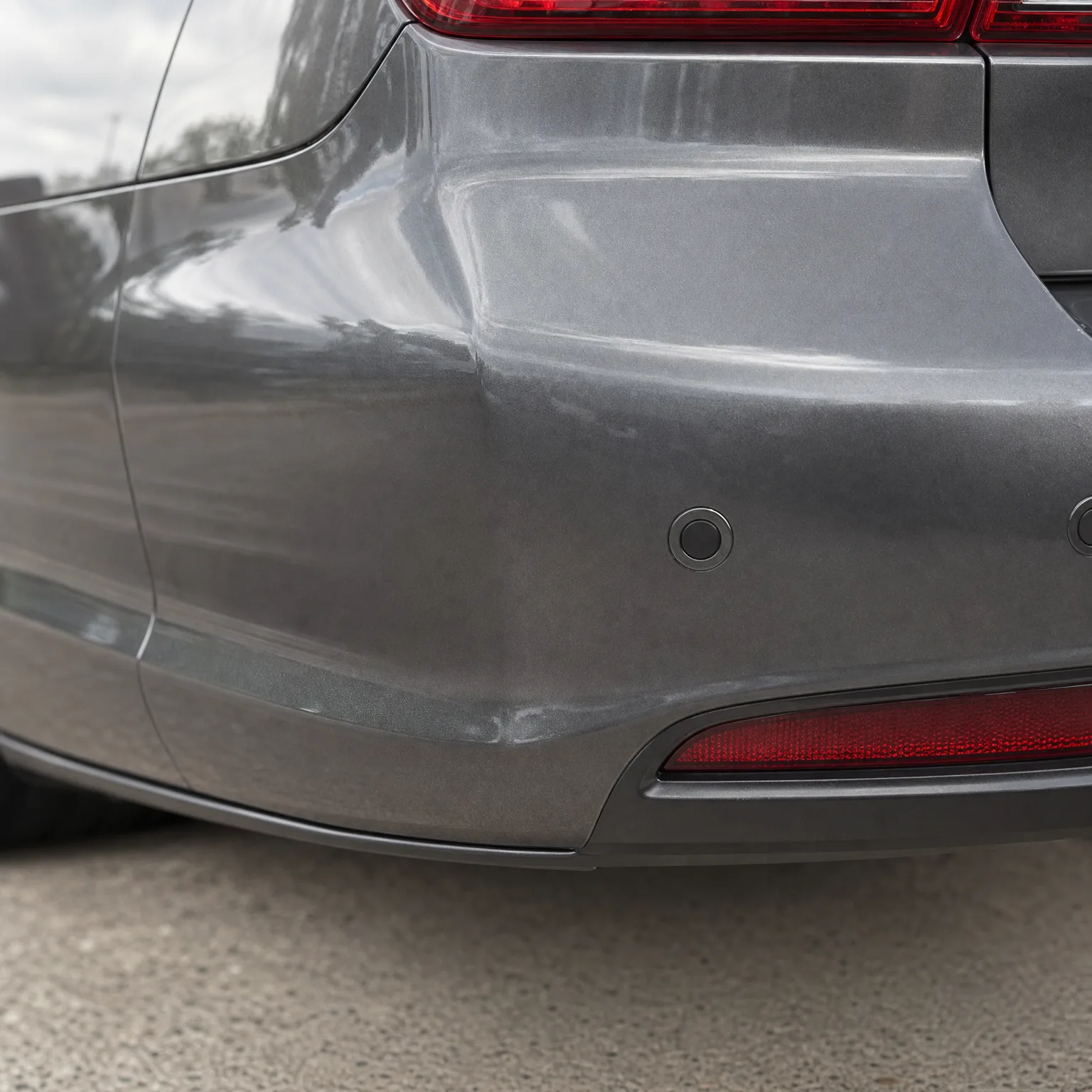
Uninsured motorist coverage pays for your injuries and sometimes your vehicle damage when the at-fault driver has no insurance or not enough of it.
What it pays for
Covers
- Your medical bills Covers treatment for injuries you suffer in a crash caused by a driver who carries no insurance at all.
- Underinsured driver gap Pays the difference when the at-fault driver has insurance but their limits run out before your bills do.
- Lost income Covers wages you miss while you recover, which matters even in retirement if you work part time or run a small business.
- Pain and suffering Unlike basic injury coverage, this can pay for the ongoing impact of the injury, not just the medical costs.
- Hit and run crashes If the other driver flees and is never identified, this coverage treats the loss the same as if they had no insurance.
- Vehicle damage, where offered Some policies add a property portion that pays to repair or replace your car, though this varies by state and by policy, so check yours.
Doesn't cover
- Your own at-fault crash If you cause the accident, this coverage doesn't apply at all. Your liability coverage handles damage you cause to others.
- Routine wear and mechanical failure A breakdown or an old part giving out isn't a crash with another driver, so this coverage has nothing to do with it.
- Damage from weather or animals A hailstorm or a deer strike isn't caused by another driver, so comprehensive coverage handles those, not this one.
- Your car sitting unused in a crash If no other vehicle or driver was involved, this coverage doesn't have a role. Collision coverage is what applies there.
- Property damage beyond your car A fence, a mailbox or someone else's property that gets hit isn't what this coverage is built to pay for.
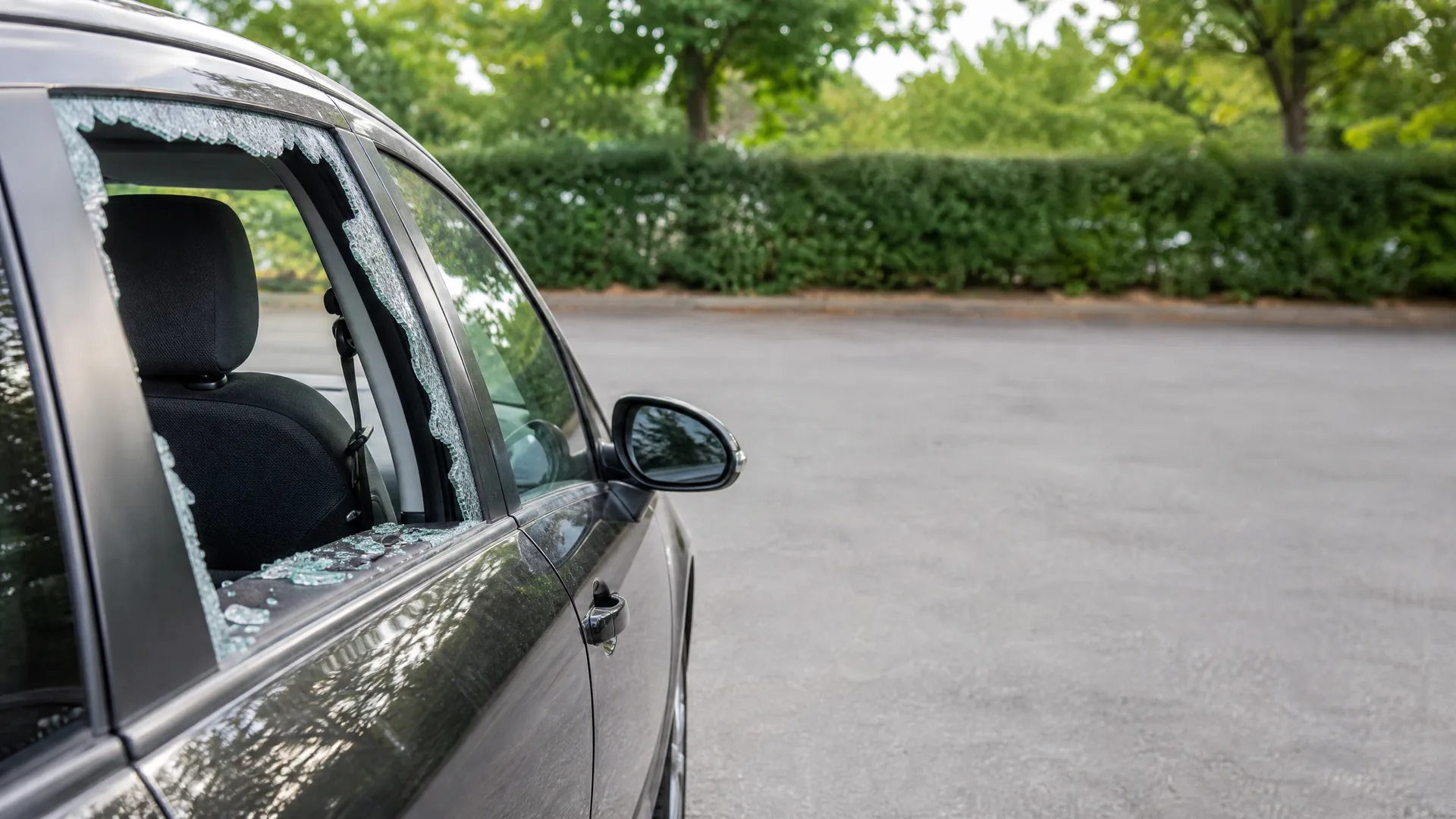
For most older drivers, this coverage is worth keeping
The math here isn't complicated once you look at it straight. If you were hit by a driver with no insurance, your own health insurance and savings would otherwise carry the whole cost, and at this stage of life that's a harder hit to absorb than it used to be.
What your car is worth matters less here than you'd think, because the biggest value of this coverage is medical, not the vehicle. Even if you drive an older paid-off car you don't worry much about, your body is still worth protecting the same way it always was.
How much you drive and where the car sits do shift the odds a little. A car driven daily on busy roads runs into more uninsured drivers than one that mostly sits in a garage and makes short trips. But uninsured drivers turn up on quiet roads too, so low mileage lowers the odds without erasing them.
The one case where it's reasonable to question this coverage is if you have enough saved that a serious injury claim wouldn't change your life, and you also carry strong health insurance that would absorb most of the medical cost anyway. Even then, most people decide the coverage is cheap enough that there's no real reason to drop it.

How a claim actually goes
You open a claim with your own insurer, not the other driver's, since the whole point of this coverage is that there's no other policy to collect from, or not enough of one. Your insurer investigates the crash and figures out fault just as it would with any other claim.
If a deductible applies to the property side of this coverage, it comes out of your payment the same way a collision deductible would. The injury side typically doesn't carry a deductible, though this depends on how your policy is written, so it's worth checking yours directly.
Have the police report, your medical records and bills, and any information you got from the other driver at the scene, even if it later turns out they had no insurance. If the other driver fled and was never found, a written account of the crash and any witness information becomes especially important since there's no other driver to point to.
The payment is meant to put you back where you'd have been if the other driver had carried solid insurance. It covers medical costs and lost income within your policy's limits, but it won't cover unrelated bills or stretch past what your coverage allows.
Uninsured motorist coverage vs. medical payments coverage
Uninsured motorist coverage
This pays when another driver causes the crash but has no insurance or not enough. It can cover medical costs, lost income and the broader impact of the injury, and sometimes vehicle damage too.
Medical payments coverage
This pays your medical bills after a crash no matter who caused it, including crashes that are entirely your own fault. It's narrower, covering only medical costs, not lost income or the broader impact of an injury.
If you want coverage that works regardless of fault, lean toward medical payments; if you want protection against a driver who can't pay for the harm they caused, uninsured motorist coverage is what does that.
Real situations
You're stopped at a red light and a driver rear-ends you. The officer confirms the other driver has no insurance.
This pays, since it covers exactly this gap left by an uninsured at-fault driver.
A hailstorm damages your car's hood and windshield while it's parked at church on a Sunday.
This doesn't pay, since no other driver was involved. Comprehensive coverage is what applies here.
A deer runs into the road at dusk on a county highway and you can't avoid hitting it.
This doesn't pay, since an animal isn't an uninsured driver. Comprehensive coverage handles this instead.
Once you've decided how much uninsured motorist protection you want on your policy, you can compare quotes with that figure already settled.
Questions people ask about this
Does uninsured motorist coverage follow the car or the driver?
It generally follows you as the driver, not just the vehicle, so it can apply even if you're hurt while riding in someone else's car or as a pedestrian. The exact terms depend on how your policy defines it, so check your declarations page. This matters if you often ride with family or borrow vehicles.
What happens if the other driver has some insurance but not enough?
That's the underinsured portion of this coverage, and it pays the difference between what their policy covers and what your actual costs are. You'd still file through their insurer first, then turn to your own coverage for the remaining gap. Keep your records organized since you'll need to show both what was paid and what's still owed.
Can my insurer raise my rate after an uninsured motorist claim?
This varies by insurer and by state, since some protect you from a rate increase when you weren't at fault. Ask your agent directly how your policy and state handle it before you assume either way. It's worth asking this before you ever need to file, not after.
Do I need a police report if the other driver has no insurance?
Yes, a police report is one of the strongest pieces of evidence you can have, especially when there's no other policy to confirm the details. It documents who was involved, what happened and whether the other driver could be identified at all. Without it, your insurer has a harder time verifying your claim.
Is uninsured motorist coverage required?
skip