Hit by an Uninsured Driver in New York
Uninsured motorist coverage pays for your injuries and, in some cases, your car, when the driver who hit you has no insurance at all.
What it pays for
Covers
- Your medical bills Treatment, hospital stays, and follow-up care after a crash caused by a driver with no insurance.
- Lost income from recovery If you can't work while you heal, this can replace wages you would have earned.
- Pain and suffering Compensation for the physical and emotional toll of the crash, not just the bills.
- Hit-and-run crashes If the other driver flees and is never identified, this coverage treats it the same as if they had no insurance.
- A passenger's injuries Anyone riding in your car when it happens can be covered under the same claim.
- Damage to your car Where this applies, it varies by state, so check your own policy to see if property damage is included.
Doesn't cover
- Damage from your own mistake If you're at fault and no other driver is involved, this doesn't apply. Collision coverage handles that.
- An underinsured driver's full gap That's a related but separate coverage, often bundled with this one, worth checking as its own line.
- Routine mechanical breakdowns This only responds to a crash caused by an uninsured driver, not normal wear or failure.
- Damage to someone else's property This protects you and your car. Damage you cause to someone else falls under liability coverage instead.
- A car you don't own Coverage generally follows your own policy and your named vehicles, with some exceptions for rentals.
- Delays in getting paid A slow claim doesn't mean a denied claim. It often just means the insurer is verifying the other driver had no coverage.
Most drivers this age should keep it, and it costs little to do so
The risk this coverage protects against has nothing to do with your own driving record. It's about what happens when someone else, often someone young and underinsured, hits you and has nothing to pay with. That risk doesn't go away as you get older, and your medical costs if you're hurt tend to run higher, not lower.
What matters more is how much of a loss you could absorb on your own. If a serious injury or a totaled car would strain your savings, this coverage matters more, not less. If you have substantial savings and could self-insure for a worse outcome, you still keep this coverage, because it's one of the cheaper lines on your policy relative to what it protects.
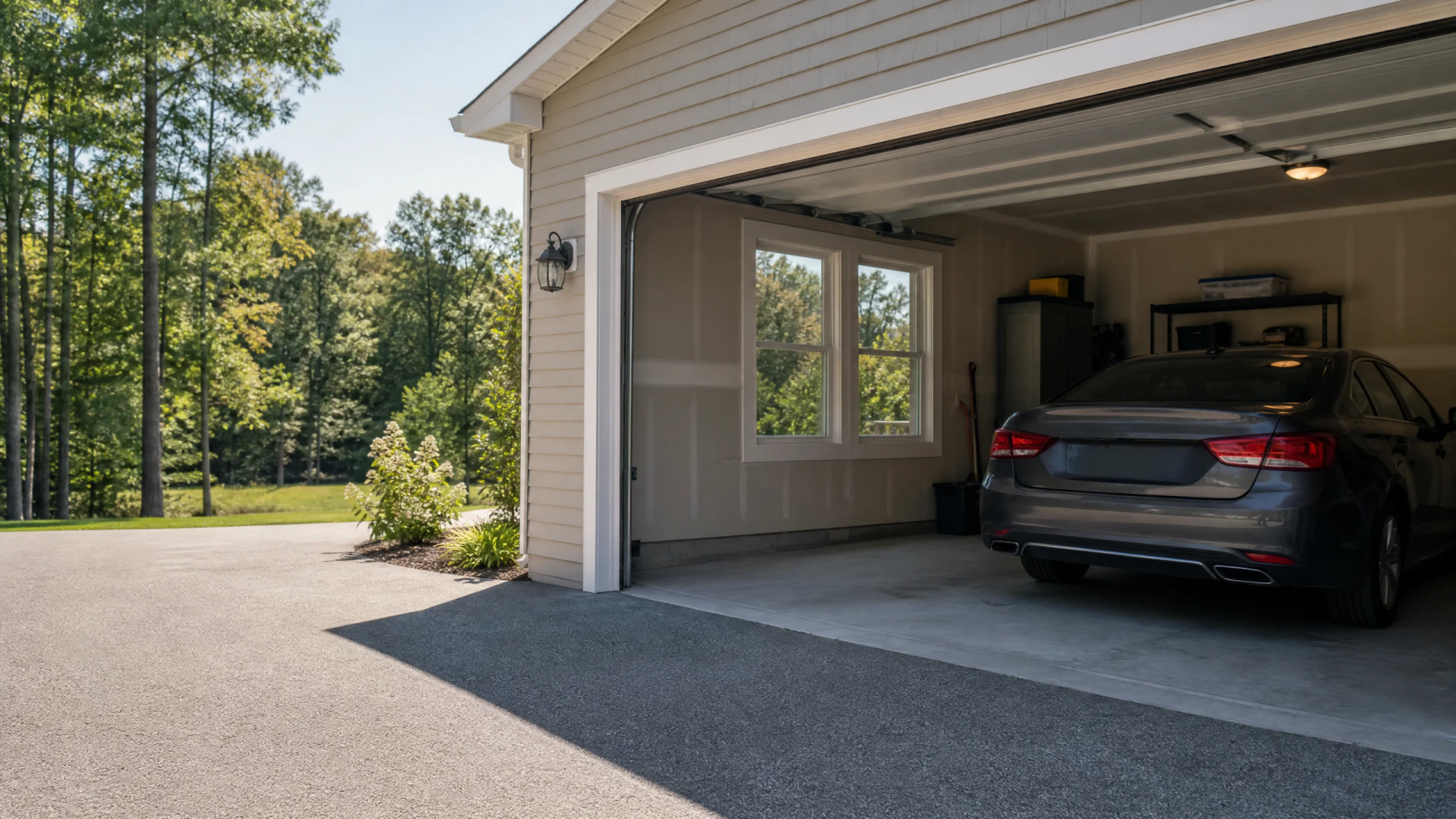
How much you drive and where the car sits overnight matter too. A car driven daily in a busy area carries more exposure than one that sits in a garage and makes occasional trips. Either way, a single bad encounter with an uninsured driver can cost far more than years of carrying this coverage.
The one case where it's worth a second look is if you've dropped driving almost entirely and the car rarely leaves the driveway. Even then, most people keep it, since the cost of carrying it stays low while the protection stays the same.
What happens when you file a claim
You report the crash to your own insurer, not the other driver's, since they have no coverage to pursue. You'll need the police report, details on the other driver if you have them, and any medical records tied to the injury. A deductible may apply depending on your policy and what's being claimed, so check your declarations page for the exact terms.
The insurer will investigate to confirm the other driver was actually uninsured, which can take some back and forth. This step is often what slows a claim down, not any doubt about your account of what happened.
Once it's resolved, the payout covers your medical costs, lost income, and pain and suffering up to your policy's limits. It won't cover damage to the other driver's property or anything beyond what you're insured for, so a serious injury with high costs can still leave a gap.
Keep your own records as the claim moves along: medical bills, missed work, and any correspondence with the insurer. Being organized tends to move things faster than anything else you can do.
Often confused with underinsured motorist coverage
Uninsured motorist coverage
This applies when the other driver has no insurance at all, including hit-and-run drivers who are never found. It's your main protection against someone with nothing to pay with.
Underinsured motorist coverage
This applies when the other driver has insurance, but not enough to cover your losses. It fills the gap between what they carry and what you actually need.
If you want full protection, you generally want both, since you can't know in advance which situation you'll face.
Real situations
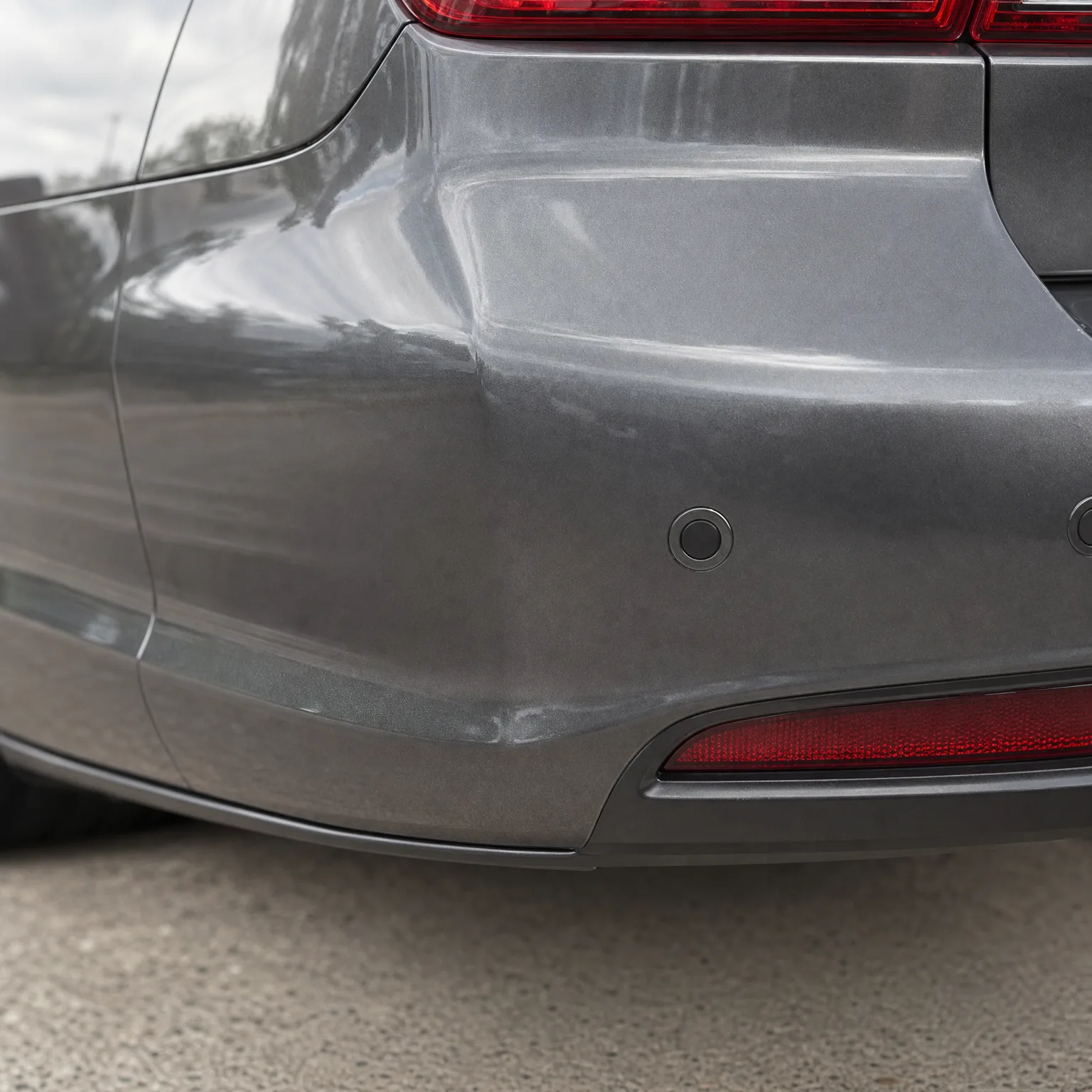
You're stopped at a light and a young driver without insurance rear-ends you, leaving you with a sore neck and a doctor's visit.
This pays, since the other driver had no insurance to cover your medical costs.
A hailstorm damages your car's hood and roof while it's parked at church on a Sunday morning.
This doesn't pay, since no other driver caused it. That's a comprehensive claim instead.
A driver runs a stop sign on a county road at dusk, hits your car, then takes off before you can get a plate number.
This pays, since an unidentified hit-and-run driver is treated the same as an uninsured one.
Once you know how much uninsured motorist protection you want to carry, you can compare quotes with that figure already settled.
Questions people ask about this
Do I need a police report to file an uninsured motorist claim?
Yes, in almost every case you'll want one filed promptly. It establishes the facts of the crash and helps your insurer confirm the other driver had no coverage. Without it, your claim can take longer or face more pushback.
Can my own insurance rates go up after an uninsured motorist claim?
Usually not, since the crash wasn't your fault. Insurers generally don't penalize you for a claim caused by someone else's lack of coverage. It's worth asking your agent directly, since practices can vary by company.
What if the uninsured driver is a family member living with me?
This gets complicated, and the answer depends on your policy's exact wording and your state's rules. Some policies exclude claims against resident relatives. Check your declarations page or ask your agent before assuming either way.
Does uninsured motorist coverage apply if I'm a pedestrian?
Often yes, if you're hit by an uninsured driver while walking, not just while in your car. This coverage typically follows you as a person, not just the vehicle. Confirm the specifics with your policy, since wording differs.
How long do I have to file a claim after being hit by an uninsured driver?
It varies by state and also depends on your specific policy terms. Don't wait to find out, since delays can complicate the investigation. Check your policy or ask your agent for the exact window that applies to you.