Hit by an Uninsured Driver in New Jersey
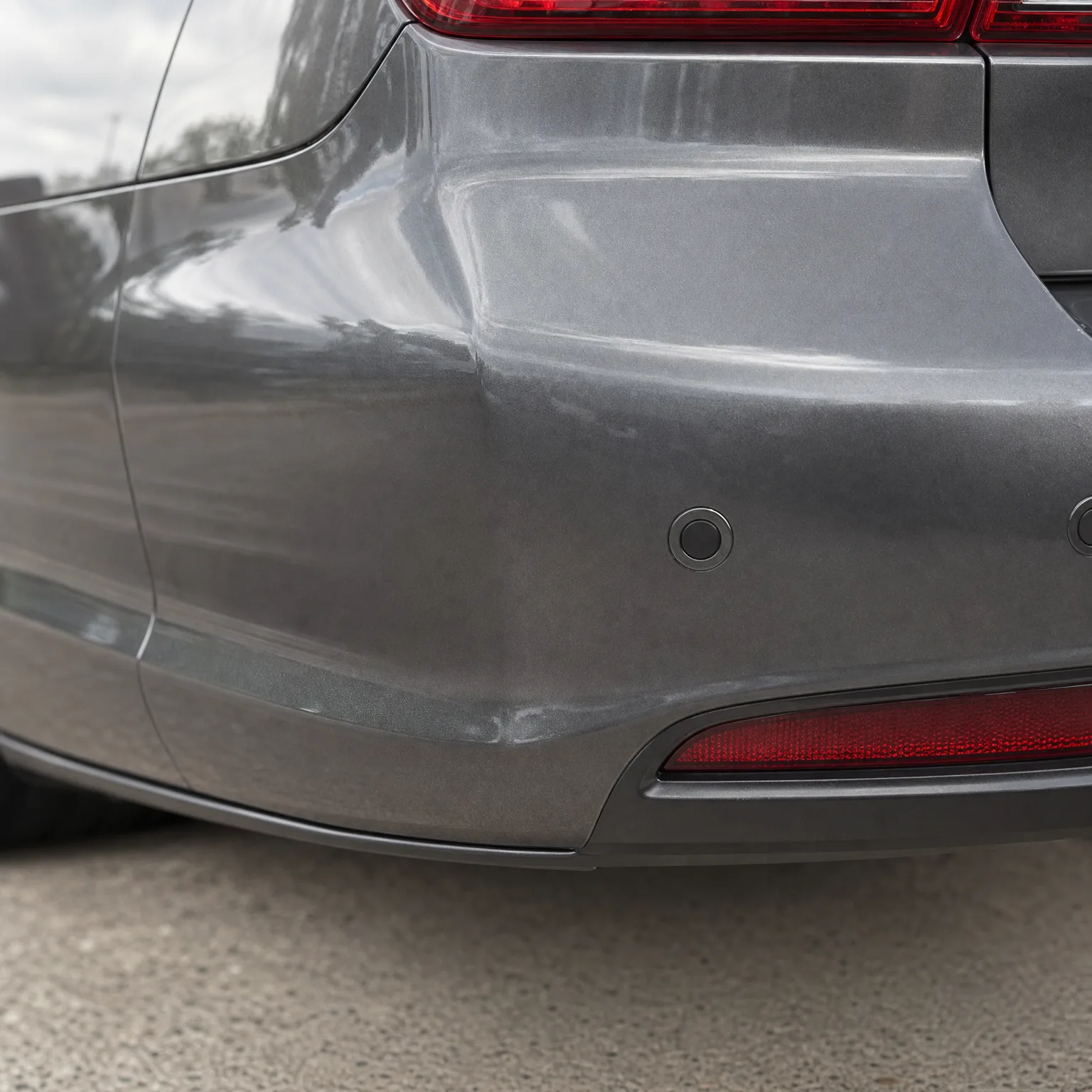
Uninsured motorist coverage pays for your injuries and, depending on your policy, your car, when the driver who hit you has no insurance at all.
What it pays for
Covers
- Your medical bills If an uninsured driver hits you, this picks up treatment costs your health insurance doesn't cover or that go beyond your auto policy's medical payments limit.
- Lost income If you can't work because of injuries from the crash, this can replace wages you missed while recovering.
- Pain and suffering This is one of the few parts of a car insurance policy that can pay for the injury itself, not just the bills it caused.
- Hit and run crashes If the other driver takes off and is never identified, this coverage treats it the same as if they had no insurance.
- Passengers in your car Anyone riding with you when an uninsured driver hits you is usually covered the same way you are.
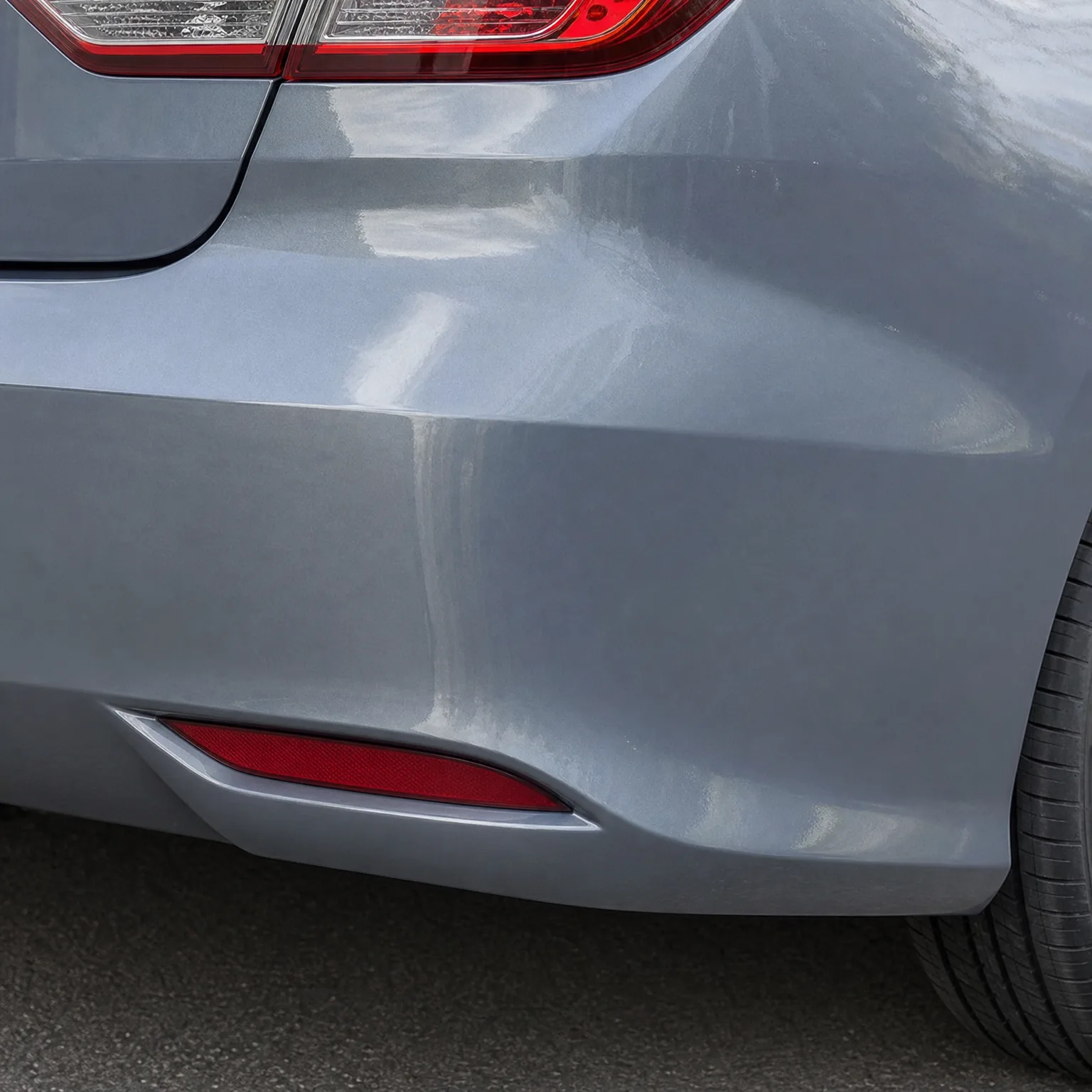
- Damage to your car Some policies bundle in uninsured motorist property damage, which pays to repair your car instead of going through collision coverage.
Doesn't cover
- Your own at-fault accidents This only applies when another driver without insurance caused the crash, not when you're the one who made the mistake.
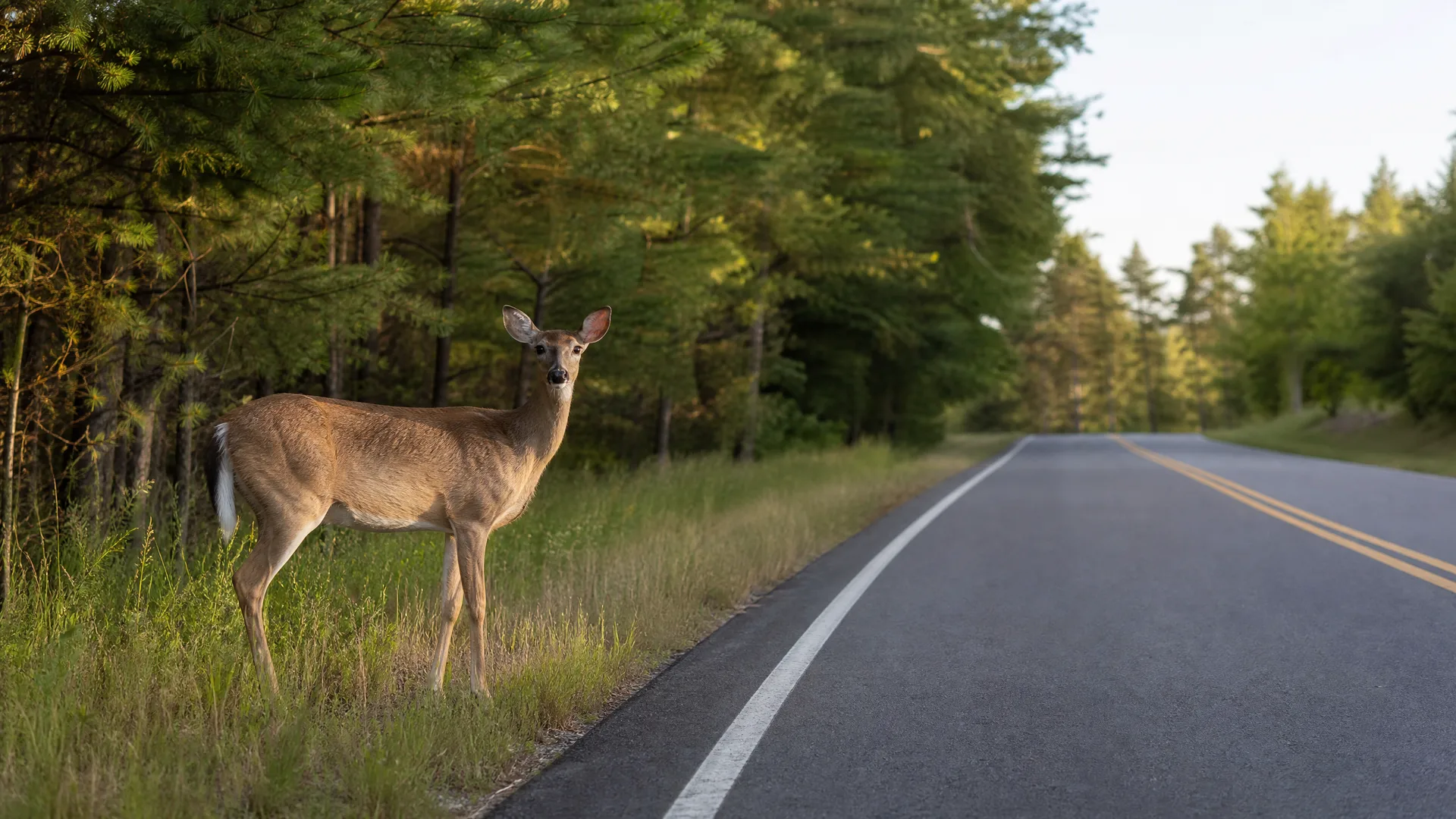
- Damage from a storm or deer Weather, animals, and other non-driver causes are handled by comprehensive coverage, not this one.
- A driver who has some insurance If the other driver carries too little insurance to cover what you lost, that's a related but separate coverage for underinsured drivers.
- Damage to someone else's property This protects you, not other people, so it won't pay if you're the one who hits something.
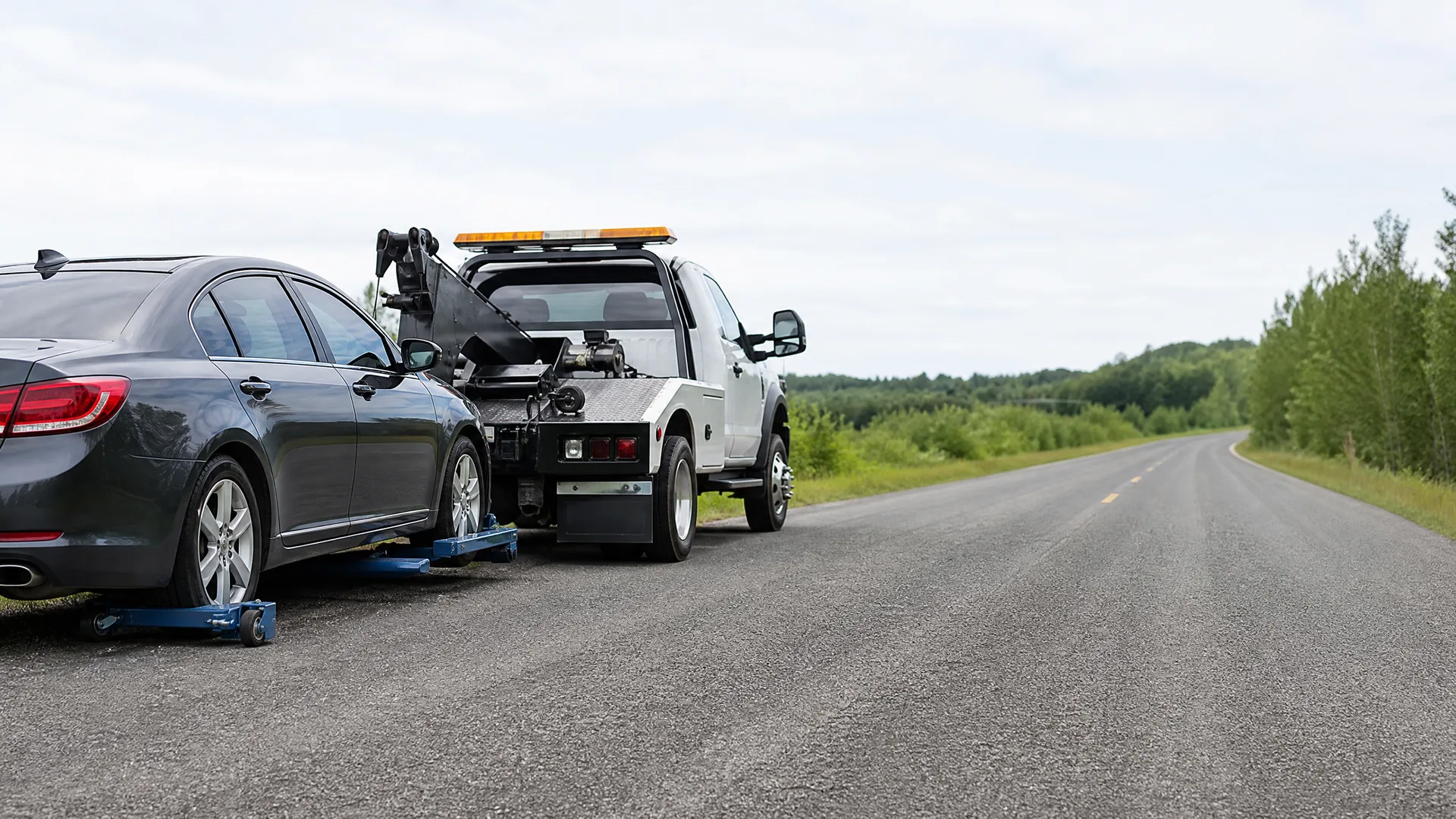
- Mechanical breakdowns A car that simply fails has nothing to do with another driver, so this coverage has no role in it.
Worth having, and for most drivers worth more at this age, not less
This is one of the few coverages where dropping it saves very little and losing it saves nothing at all. It tends to be inexpensive relative to what it protects, and what it protects is you and the people riding with you, not the car.
Think about what you could absorb if a driver with no insurance put you in the hospital. Medical bills from a serious crash can outlast what savings or a pension covers, and Medicare or other health coverage doesn't erase what you lose in wages or pain and suffering. The older you are, the longer a bad injury tends to take to heal, and the more that recovery time actually costs you.
The car itself matters less here than it does for other coverages. Even if you drive an older car and have dropped collision coverage because it isn't worth much, the uninsured motorist piece is protecting your body, not the vehicle, so the car's value doesn't make this one less necessary.
Where people reasonably scale it back is the property damage piece, if their policy separates it out. If your car is old enough that you'd rather just take the payout and move on, you can lean on collision coverage instead and skip paying for both. But the part that covers you and your passengers is worth keeping as long as you're driving at all.
How a claim actually goes
You first have to establish that the other driver had no insurance, which usually means a police report and sometimes a letter from the state confirming their policy had lapsed or never existed. Your insurer investigates this before paying anything, so the claim moves slower than a typical accident claim.
A deductible may apply to the property damage portion, if your policy has that piece, but the medical and injury portion usually doesn't carry one. The payment for injuries is meant to put you where you'd have been if the other driver had been properly insured, covering medical costs, lost income, and compensation for the injury itself.
Have the police report, your medical records, and any wage records ready, since the insurer will ask for documentation tying your injuries and costs directly to the crash. If the at-fault driver is later found and has some assets, your insurer may pursue them to recover what it paid you, but that happens after your claim is settled, not before.
Uninsured motorist vs. underinsured motorist coverage
Uninsured motorist coverage
This applies when the driver who hit you has no insurance at all, or fled the scene and can't be identified. It fills in completely for the missing insurance.
Underinsured motorist coverage
This applies when the other driver has insurance, but not enough to cover what you actually lost. It makes up the difference between their limit and your actual costs.
Most people carry both together since you can't know in advance which kind of driver will hit you, and either way the coverage protects you, not them.
Real situations
You're stopped at a light and a driver without insurance rear-ends you hard enough that you need physical therapy for months afterward.
This pays, since the crash was caused by an uninsured driver and your injuries and treatment are exactly what it's meant to cover.
A hailstorm rolls through while your car is parked at church and leaves dents across the hood and roof.
This doesn't pay, since no driver was involved, comprehensive coverage is what handles weather damage.
A driver runs a stop sign at dusk, hits your car, and takes off before you can get a license plate.
This pays, since a hit and run with an unidentified driver is treated the same as a confirmed uninsured driver.
Once you know you want this coverage kept in place, you can compare quotes knowing exactly what limit and structure you're asking for.
Questions people ask about this
How much uninsured motorist coverage should I carry?
Most people match it to their liability limits, since that keeps your own protection at least as strong as what you're required to offer others. If you have meaningful savings or assets, carrying higher limits gives you more cushion if a serious injury claim exceeds a low limit. Check what your policy currently carries, since many people have never raised it since they first bought the car.
Does uninsured motorist coverage raise my insurance rate?
It typically adds a modest amount to your premium, but far less than comprehensive or collision coverage does. Because it protects you rather than insuring a vehicle's value, insurers tend to price it affordably. Dropping it to save money rarely makes a meaningful dent in your overall bill.
What if the uninsured driver who hit me has no money either way?
That's exactly the situation this coverage exists for, since it doesn't matter whether the other driver can pay. Your own insurer pays you directly and then can try to recover the cost from the other driver later. You're not left waiting on someone who has nothing to give.
Do I need a police report to file an uninsured motorist claim?
Yes, in almost every case your insurer will want an official report confirming the crash and the other driver's lack of insurance. Call the police at the scene even if the damage looks minor, since without a report your claim can stall. Keep a copy for your own records as well.
Can my insurer drop me for filing an uninsured motorist claim?
Filing this kind of claim is not something you caused, so it shouldn't be treated like an at-fault claim on your record. Insurers generally can't penalize you for a crash that wasn't your fault. If you're ever unsure how a claim will affect your policy, ask your agent directly before assuming the worst.