Hit by an Uninsured Driver in New Hampshire
Uninsured motorist coverage pays for your injuries and, depending on how it's set up, your car, when the at-fault driver has no insurance at all.
What it pays for
Covers
- Your medical bills Treatment, hospital stays and related costs from the crash get paid when the other driver has no insurance to cover them.
- Lost income If the injury keeps you from working, this can replace wages you lost while you recovered.
- Pain and suffering Beyond medical bills, it can pay for the physical and emotional toll of the crash, the way the other driver's liability coverage would have.
- Hit and run crashes If a driver hits you and leaves, and you never identify them, this coverage treats it the same as hitting an uninsured driver.
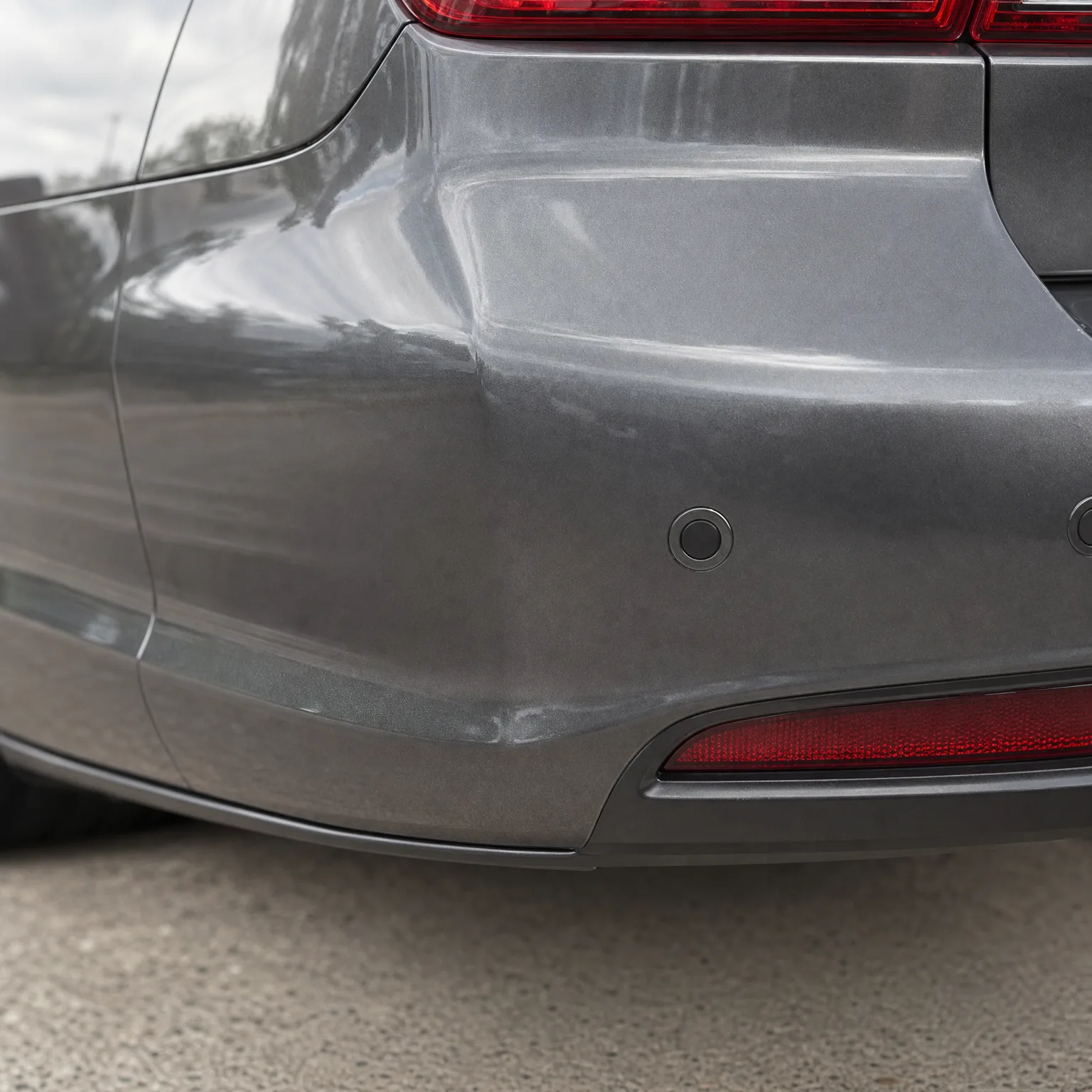
- Your car, if you added it Some policies include uninsured motorist property damage, which pays to repair or replace your vehicle after a crash with an uninsured driver.
- You as a pedestrian or cyclist If an uninsured driver hits you while you're walking or biking, this coverage can still apply.
Doesn't cover
- Damage from your own mistake If you're at fault, this coverage doesn't apply at all. Collision coverage handles damage to your own car in that case.
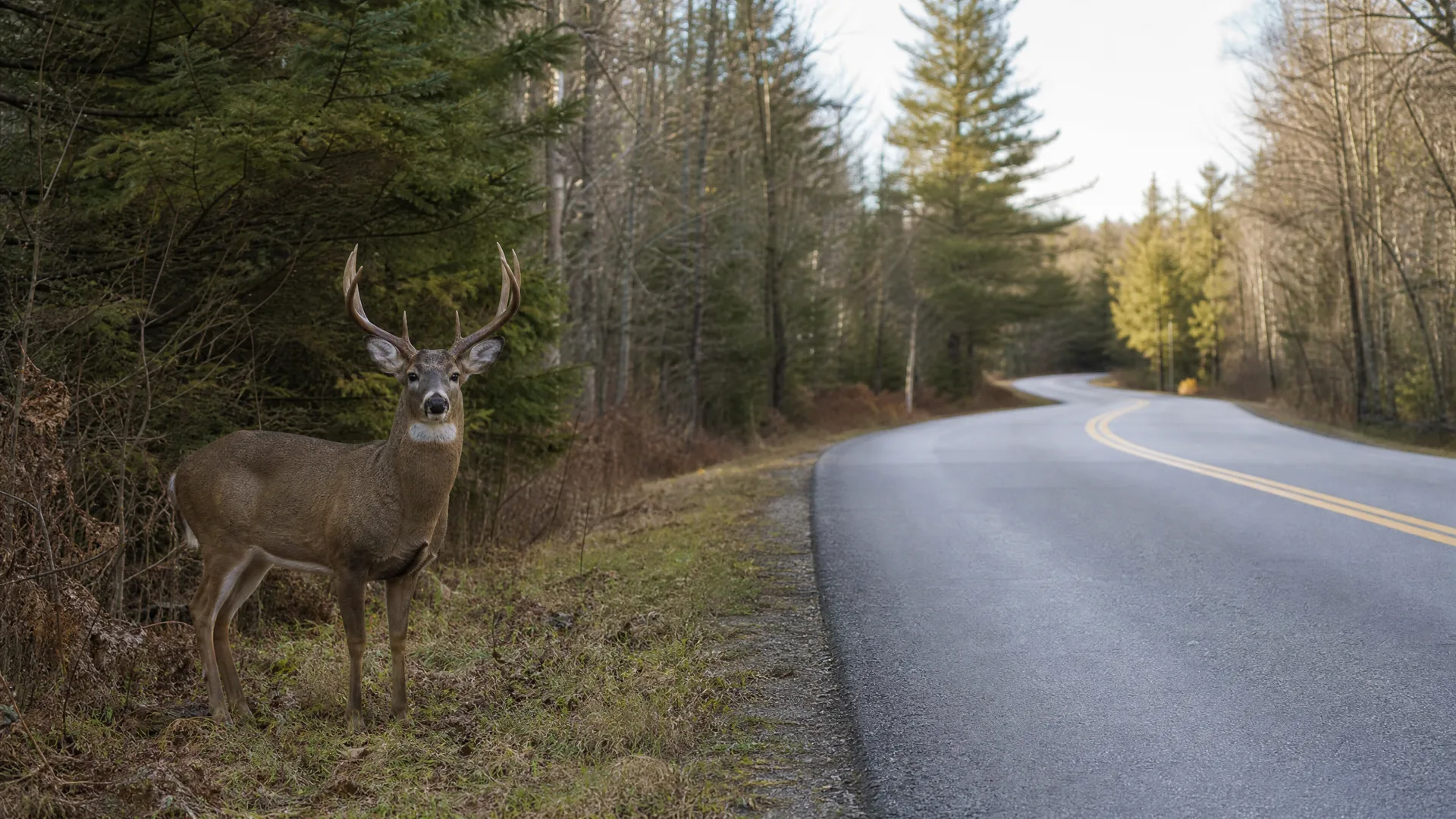
- Hitting a deer or pothole Those are single-vehicle events with no other driver involved, so comprehensive or collision coverage handles them, not this.
- Vandalism or theft Nobody's driving is involved, so comprehensive coverage is what responds to those losses.
- A car you crash into a tree avoiding another driver If no other vehicle actually hits you, this coverage usually doesn't apply, even if an uninsured driver caused the swerve.
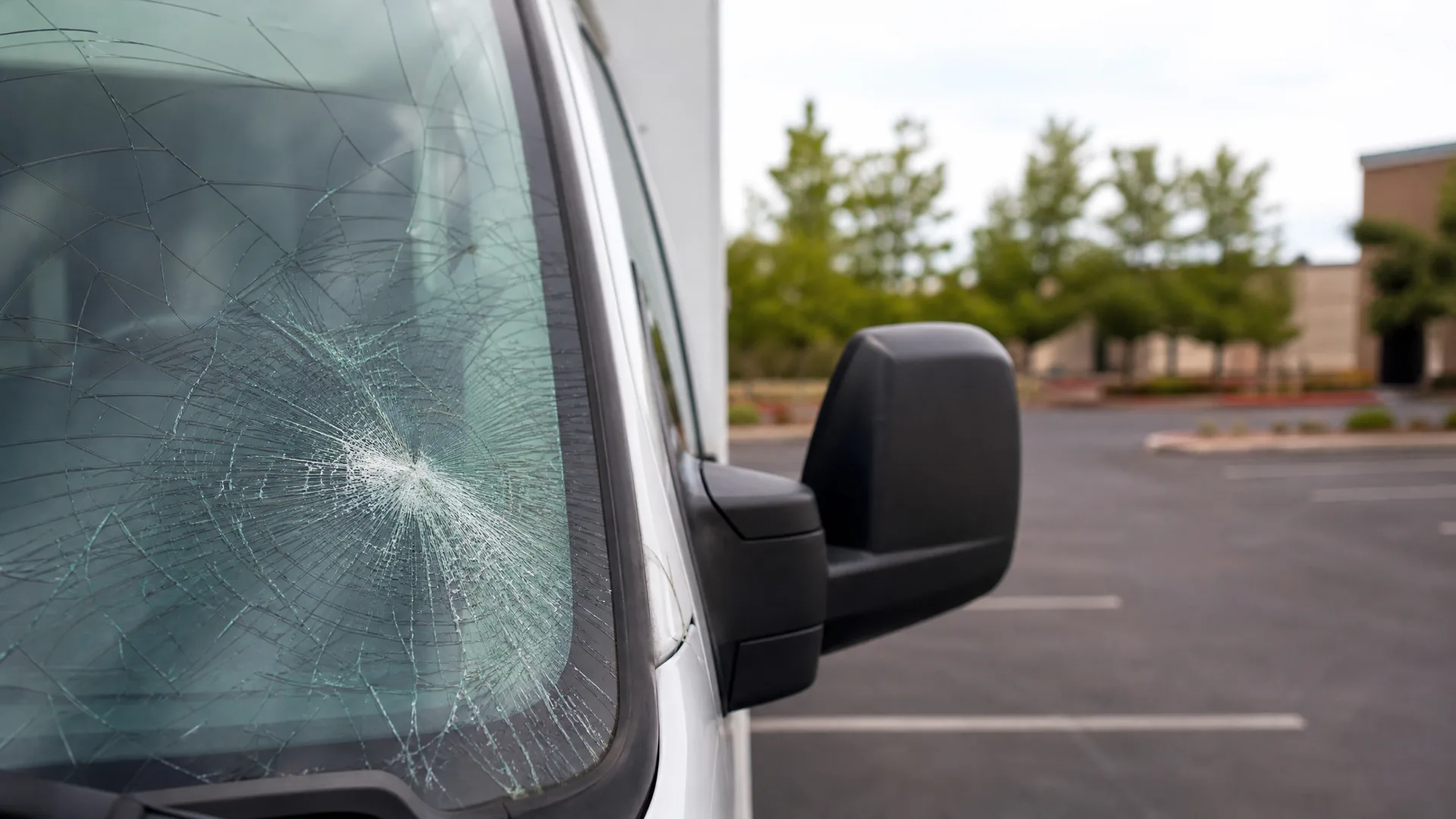
- Damage beyond what you added If you only carry the injury portion of this coverage, it won't pay a cent toward your vehicle's damage, no matter how clearly the other driver was at fault.
For most older drivers, this is worth keeping
This coverage protects you from someone else's bad decision, not your own driving. That matters more as you get older, because a serious injury takes longer to recover from and costs more to treat, and you're relying on this coverage to fill a gap the other driver left wide open.
Think about what a lawsuit against an uninsured driver would actually get you. Usually nothing, because if they could afford to pay, they'd likely have carried insurance. This coverage is often the only real path to being made whole after a crash that wasn't your fault.
If your car is older and already paid off, the property damage portion matters less, since you could probably absorb that repair or replacement cost yourself. But the medical and income portions stay valuable regardless of what your car is worth, because a serious injury doesn't scale down just because your car is old.
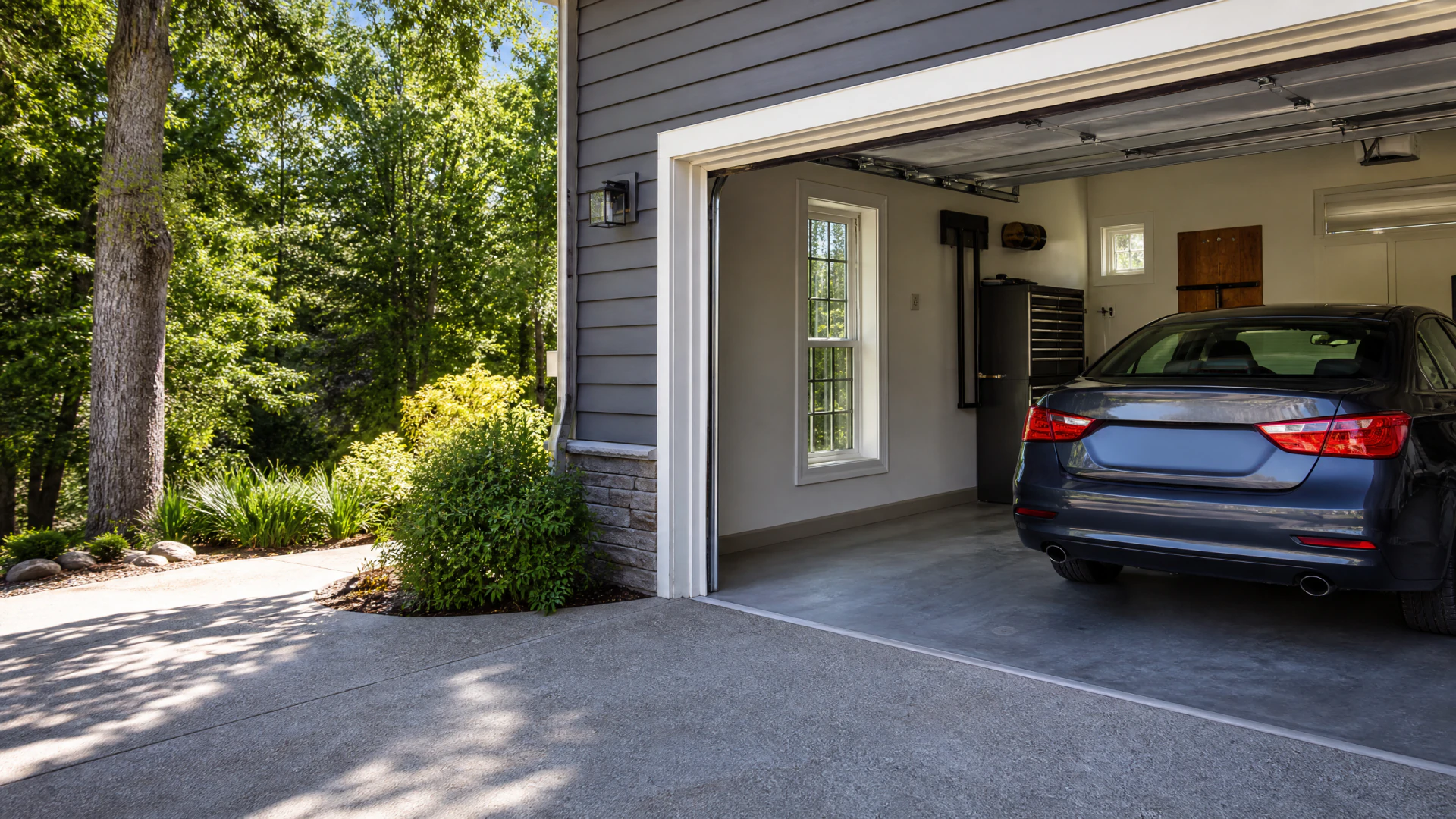
How much you drive and where the car sits matters too. A car driven daily on busy roads carries more exposure than one that mostly sits in a garage and comes out for errands. If you're driving less than you used to, that's worth factoring in, but it rarely erases the case for keeping this coverage altogether.
How a claim actually goes
You file this claim with your own insurer, not the other driver's, since they don't have one. Your insurer investigates the crash the same way it would any other claim, which means it looks at the police report, any witness statements and the other driver's lack of insurance before paying out.
A deductible may apply to the property damage portion, meaning you pay that amount out of pocket and the coverage pays the rest, up to your policy's limit. The medical and injury portion generally doesn't carry a deductible the same way, though the exact structure depends on your policy.
Have the police report, photos from the scene, and any medical records ready, since those are what your insurer uses to value the claim. If the other driver is found later or turns out to have had insurance after all, that can change how the claim is handled, so tell your insurer if anything about the other driver's status changes.
The payment covers your losses up to your policy's limit, not the full cost of everything that happened, so it's worth knowing what limit you carry before you need it.
Often confused with underinsured motorist coverage
Uninsured motorist coverage
This applies when the other driver has no insurance at all, or fled the scene and was never identified. It steps in completely, since there's no other policy to draw from.
Underinsured motorist coverage
This applies when the other driver has insurance, but not enough to cover your full loss. It pays the difference between what their policy covers and what you're actually owed.
Most drivers carry both, since you can't know in advance whether the driver who hits you will have no insurance or just not enough.
Real situations
You're stopped at a light and a driver rear-ends you. They don't have insurance, and you end up needing physical therapy for weeks afterward.
This coverage pays, since the other driver was at fault and uninsured and you have no other way to recover those costs.
A hailstorm damages your car while it's parked at church on a Sunday morning.
This coverage doesn't pay, since no other driver was involved. Comprehensive coverage is what handles weather damage.
A driver runs a stop sign, hits your car, and takes off before you can get a license plate number.
This coverage pays, since an unidentified hit and run driver is treated the same as a confirmed uninsured one.
Once you know whether you want this coverage and how much of it, you're ready to compare quotes side by side.
Questions people ask about this
Do I need uninsured motorist coverage if I already have health insurance?
Health insurance doesn't replace it, since health insurance only covers medical treatment and won't pay for lost income, pain and suffering, or your car. Whether this coverage is required or optional varies by state, so check your own policy to see how it's set up. Many people keep both because they cover different things.
What happens if the uninsured driver who hit me has no money?
You generally can't collect from them directly, which is exactly the gap this coverage is meant to fill. Suing someone with no insurance and no assets rarely results in actual payment, even if a court rules in your favor. Your own coverage is usually the more realistic path to being compensated.
Can my insurance rates go up after an uninsured motorist claim?
It depends on your insurer and the circumstances, since this wasn't your fault. Some insurers treat these claims differently from at-fault claims precisely because you didn't cause the crash. It's worth asking your agent directly how this type of claim is treated before you file.
How long do I have to file a claim after being hit by an uninsured driver?
The time limit varies by state and sometimes by the specific terms of your policy, so check your policy documents or ask your insurer directly. Reporting soon after the crash while details and evidence are fresh is generally wise regardless of the deadline. Waiting too long can complicate the claim even if you're technically still within the limit.
Does this coverage apply if I'm a passenger in someone else's car?
Generally yes, since this coverage follows you as a person, not just your vehicle. If you're riding with someone and get hit by an uninsured driver, your own policy can often still respond. The details depend on your policy, so it's worth confirming how yours is written.