Hit by an Uninsured Driver in New Mexico
Uninsured motorist coverage pays for your injuries and sometimes your car when the driver at fault has no insurance at all.
What this coverage pays for
Covers
- Your medical bills If an uninsured driver hits you, this pays your treatment and related costs instead of leaving you to chase a driver who can't pay.
- Lost income If your injuries keep you from working, this can cover wages you miss during recovery.
- Pain and suffering This is one of the few coverages that can pay for the injury itself, not just the bills it created.
- Hit and run crashes If the other driver flees and is never identified, this coverage treats it the same as an uninsured driver.
- Passengers in your car Anyone riding with you when an uninsured driver hits you is covered under your policy as well.
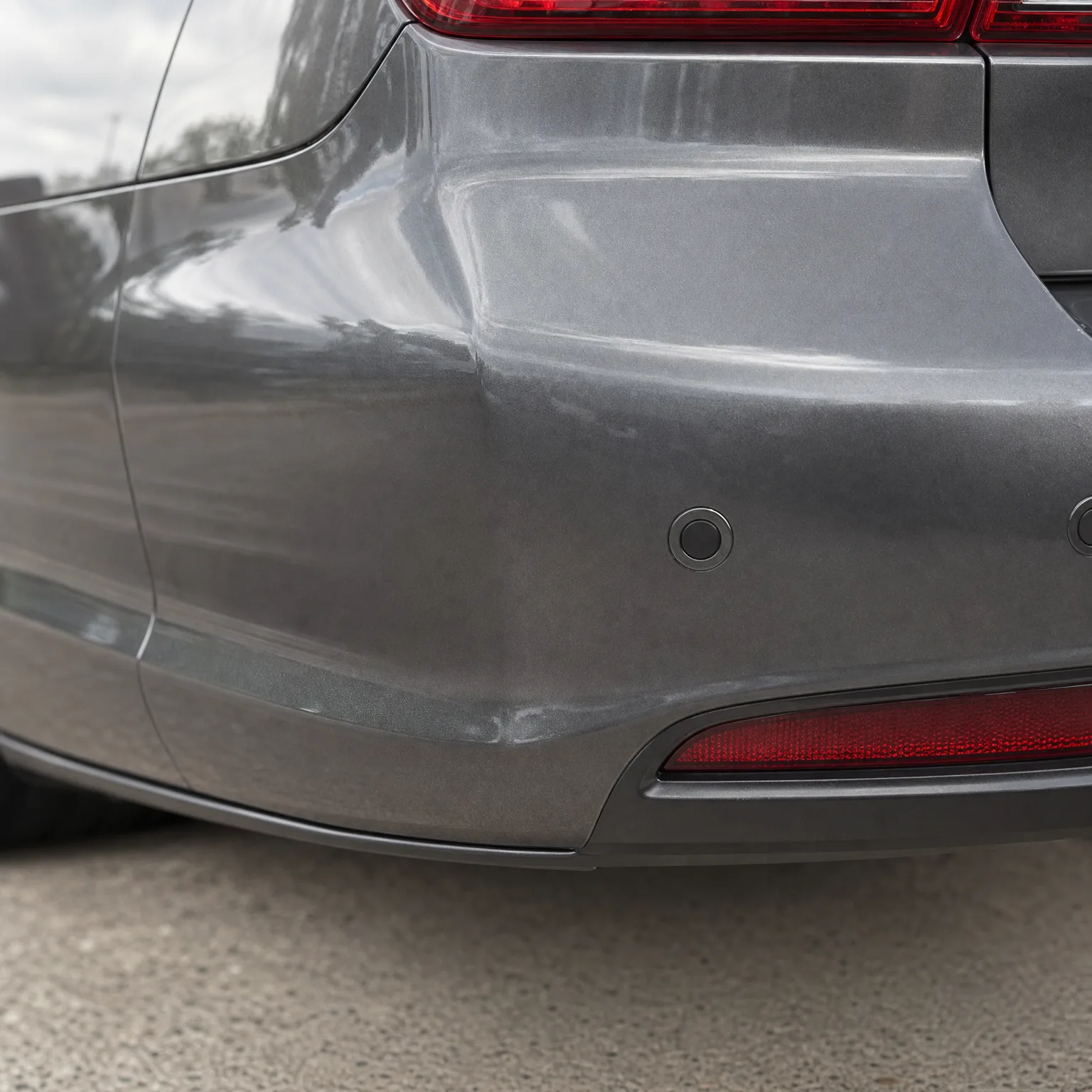
- Car damage, if you added it In some policies this coverage can be extended to your vehicle, not just injuries, but that part is optional and worth checking on your policy.
Doesn't cover
- Your own fault accidents If you cause the crash, this coverage doesn't apply at all. That falls under your liability or collision coverage instead.
- Damage from weather or animals Hail, flooding, or hitting a deer isn't about another driver's insurance, so comprehensive coverage handles those, not this one.
- A driver who has some insurance but not enough That situation falls under underinsured motorist coverage, a close relative of this one but technically separate.
- Damage to someone else's property This coverage is about you and your car. Damage you cause to others is handled by your liability coverage.
- Mechanical breakdowns Nothing about a breakdown involves another driver, so this coverage has no role in it.
For most older drivers, this coverage is worth keeping
The math behind this one is simple. A serious injury from a crash can cost far more than most people can absorb from savings, and an uninsured driver can't be made to pay for it. This coverage exists for exactly that gap, and it tends to matter more as medical costs after an injury climb with age.
It matters less how much your car is worth, since this coverage is mostly about your body, not your bumper. Even someone driving a car that's paid off and worth very little still has the same exposure to a serious injury, so the value of the car isn't the deciding factor here the way it is with collision coverage.
How much you drive and where the car sits still shift the odds some. A car that mostly sits in a garage and makes short trips to familiar places faces less exposure than one driven often on highways or in unfamiliar areas. But because the cost of a serious injury claim can be so high, even low mileage doesn't make this coverage unnecessary.
The clearest case for dropping or lowering it is if you already carry strong health insurance and enough savings to cover a lengthy recovery without financial strain. Even then, most people find the coverage costs little relative to what it protects, which is why so many keep it without a second thought for years.
How a claim actually works
When you're hit by a driver with no insurance, you file a claim with your own insurer rather than going after the other driver directly. Your insurer investigates the crash, confirms the other driver had no coverage, and reviews your injuries and losses. A deductible may apply depending on how your policy is written, so it helps to know before a claim whether yours does.
The payment covers your medical treatment, lost income, and compensation for the injury itself, up to the limits on your policy. It won't cover damage to your car unless you've specifically added that to this coverage, and it won't cover the other driver's losses since they're the one at fault.
Have your policy details, a police report, and your medical records ready when you file. The clearer the record of what happened and what it cost you, the smoother the claim tends to move. If the at-fault driver is never found, as in a hit and run, the same process applies, just without a driver to confirm against.
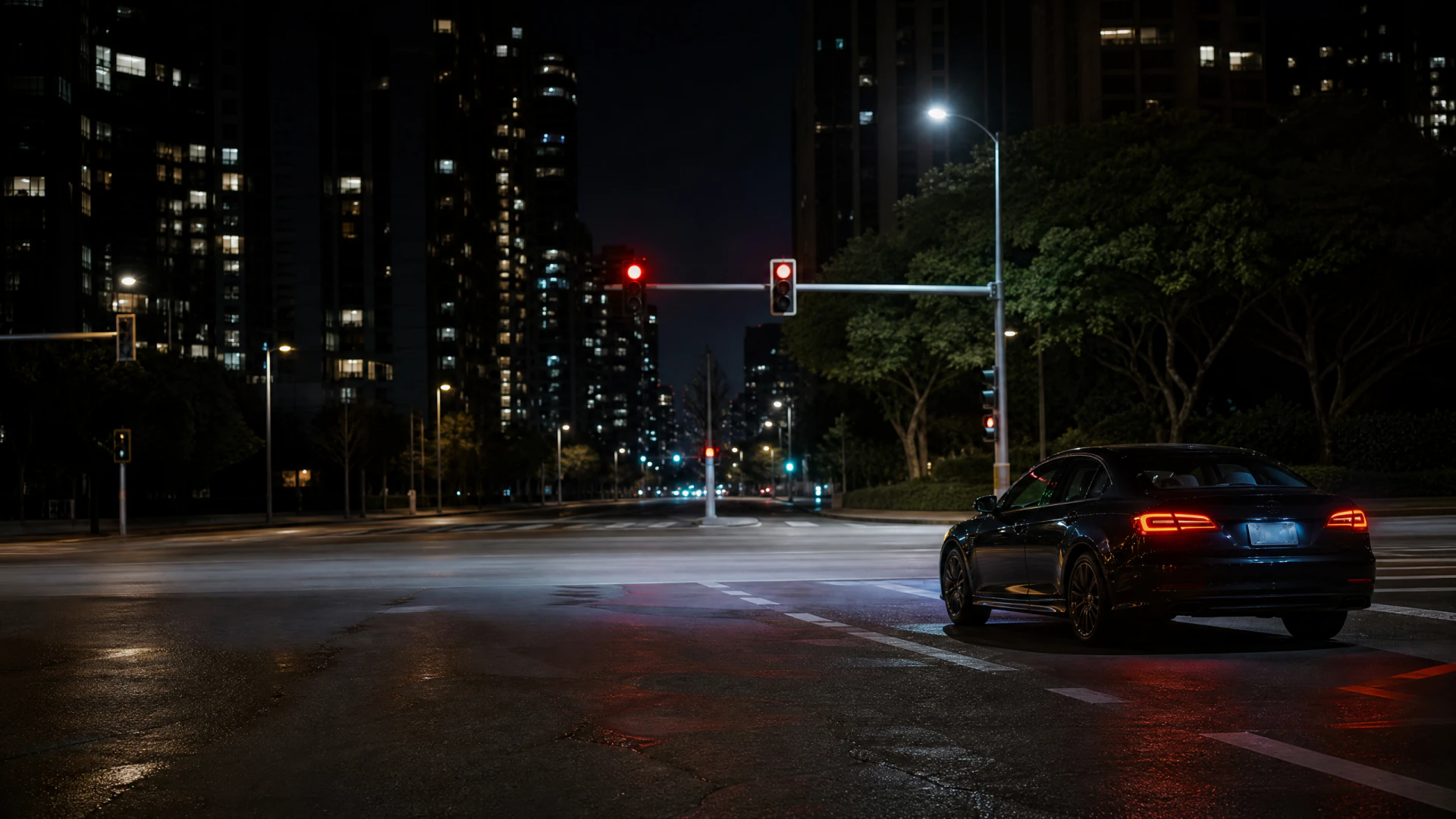
Uninsured motorist vs. underinsured motorist coverage
Uninsured motorist coverage
This pays when the driver who hit you has no insurance at all, or can't be identified. It covers your injuries and, if added, your car.
Underinsured motorist coverage
This pays when the at-fault driver has insurance, but not enough to cover your full losses. It fills the gap between what they carry and what you actually need.
Most drivers carry both together since you can't predict which situation you'll run into, but if you have to choose, lean toward keeping uninsured motorist coverage since it covers the more severe gap.
Real situations
You're stopped at a red light and a driver without insurance rear-ends you, leaving you with a neck injury.
This pays for your medical care and lost income since the at-fault driver has no insurance to cover it.
A hailstorm damages your car while it's parked outside church on a Sunday morning.
This doesn't pay since no driver was involved. Comprehensive coverage handles weather damage.
A driver runs a stop sign, hits your car, then speeds off before you can get a license plate.
This pays because a hit and run with an unidentified driver is treated the same as an uninsured one.
Once you know whether you want to keep, raise, or adjust this coverage, you're ready to compare quotes with that decision already settled.
Questions people ask about this
Does uninsured motorist coverage follow the car or the driver?
It generally follows you as the policyholder, not just the car you're driving. That means it can apply even if you're a passenger in someone else's vehicle or borrowing a car, though it's worth checking your own policy's wording since details vary.
What happens if the uninsured driver is also at fault for my injuries getting worse later?
Your claim can account for ongoing treatment if your medical records support it. Insurers typically want documentation connecting the later treatment to the original crash, so keep records from every visit tied to the injury.
Can I be sued by the uninsured driver after I file a claim?
It's unlikely, since they're the one who caused the crash and lacked insurance. Any legal exposure would run the other direction, from you or your insurer toward them, not the reverse.
Does my rate go up after using uninsured motorist coverage?
It depends on your insurer and state rules, since this varies by state and by company practice. Since the crash wasn't your fault, many insurers treat these claims differently than at-fault claims, but it's worth asking directly.
Is uninsured motorist coverage required where I live?
That depends on your state, since some require it and others only require insurers to offer it. Check your policy or declarations page to see whether you have it and at what level.