Hit by an Uninsured Driver in Idaho
Uninsured motorist coverage pays for your injuries and sometimes your car when the driver who hit you has no insurance at all.
What this coverage pays for
Covers
- Your medical bills If the at-fault driver has no insurance, this steps in to cover treatment for you and your passengers.
- Lost income Time you miss from work because of the crash can be covered, within the limits you carry.
- Pain and suffering Unlike basic medical coverage, this can account for the broader impact the injury had on your life.
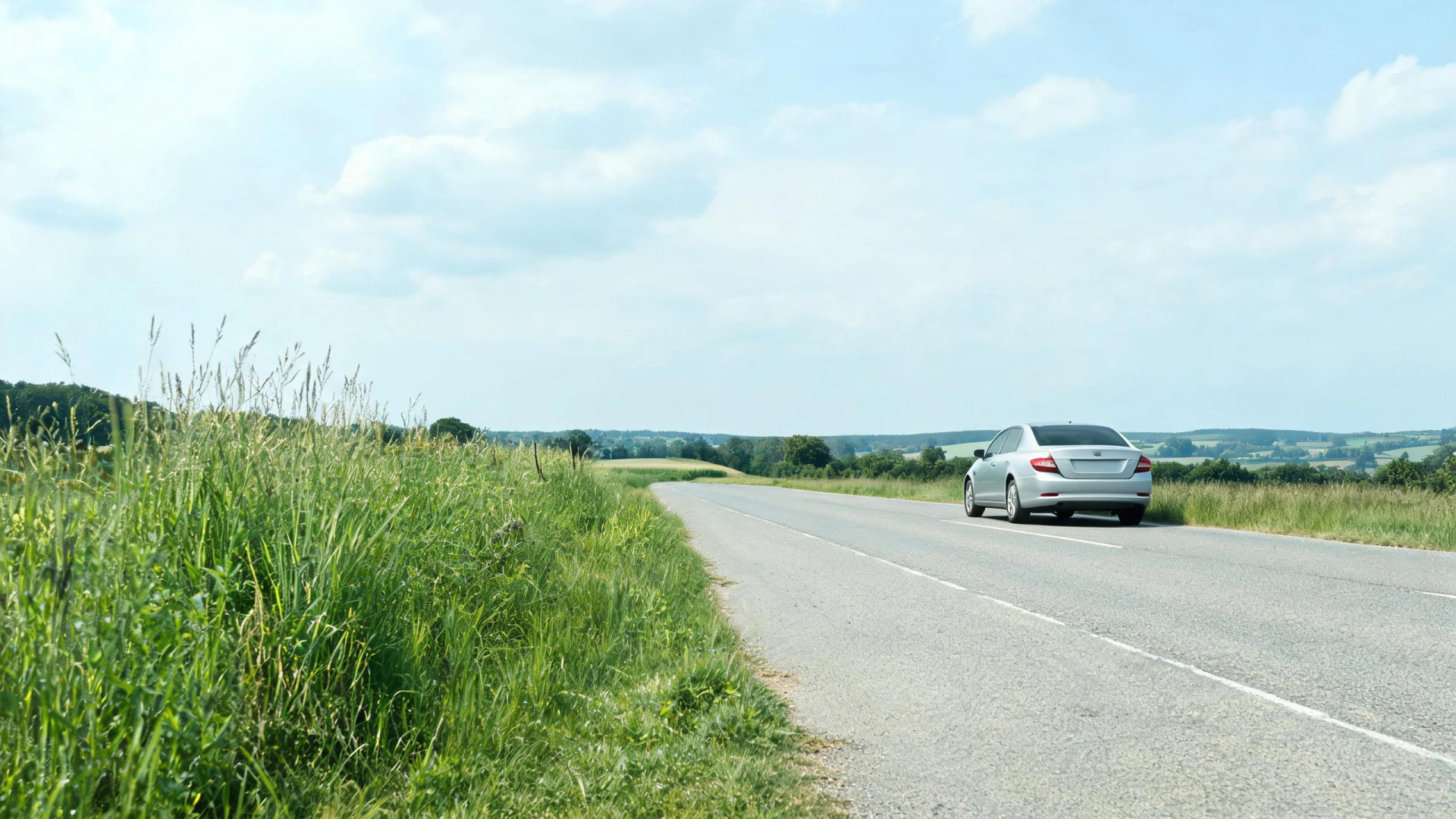
- Hit and run crashes If the other driver takes off and is never identified, this coverage treats it the same as an uninsured driver.
- A family member hit as a pedestrian If you or someone on your policy is struck by an uninsured driver while walking, this coverage can apply.
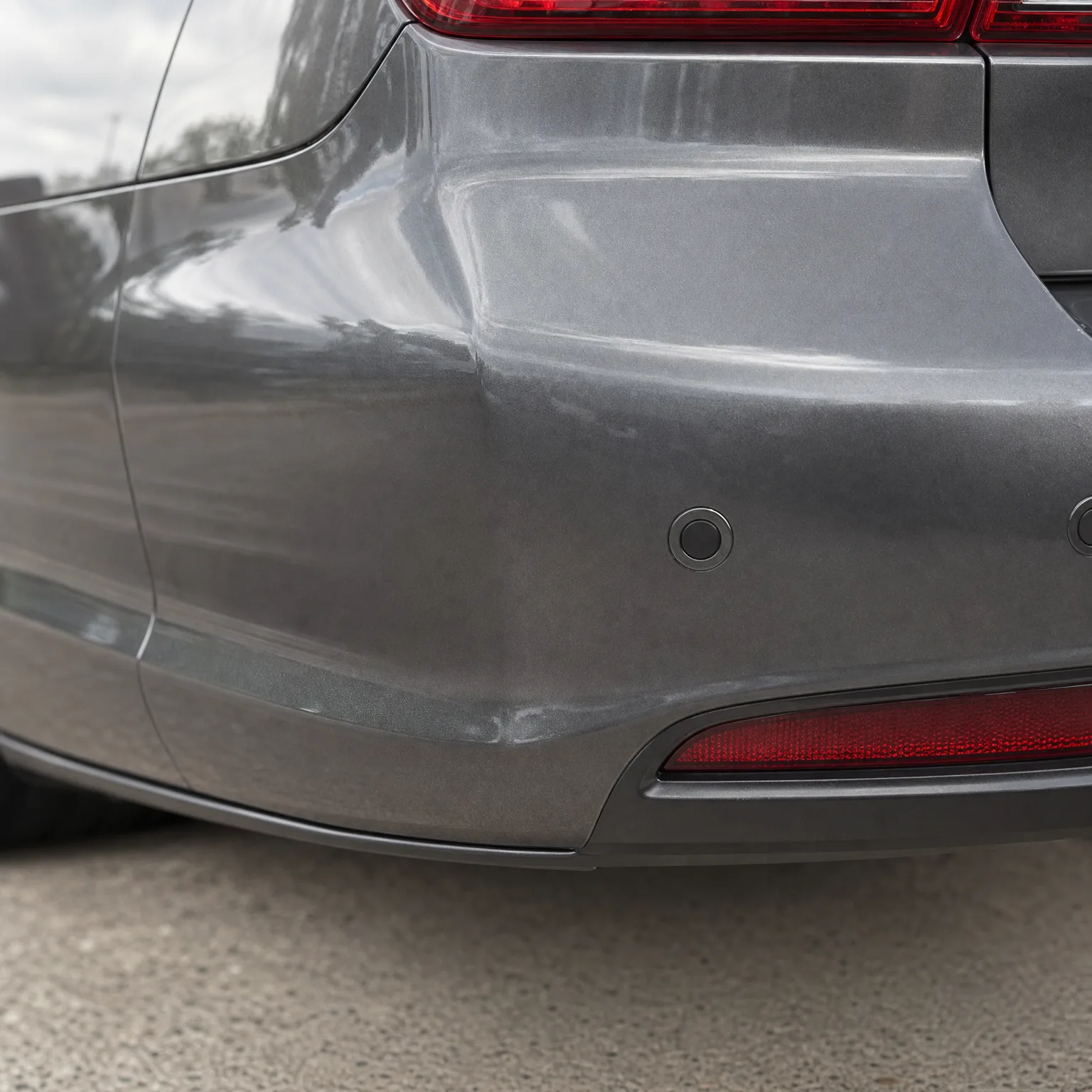
- Damage to your car Some policies include an uninsured property damage piece, though it's often separate and worth checking on your declarations page.
Doesn't cover
- Your own driving mistakes This only pays when someone else without insurance caused the crash, not for fault that's yours.
- Damage from weather or animals Hail, deer strikes, and falling branches are handled by comprehensive coverage, not this one.
- Normal wear or mechanical failure A breakdown or worn-out part has nothing to do with another driver and isn't what this coverage is for.
- A driver who has some insurance If the other driver carries too little coverage rather than none, that falls under underinsured motorist coverage instead.
- Damage to someone else's property This protects you and your car, not a fence or mailbox you might hit, which is a separate matter entirely.
- Unlimited payouts This coverage still has a limit you chose when you set up the policy, and it won't pay beyond that.
For most older drivers, this is worth keeping
Start with what your car is worth and whether it's paid off. If you're driving an older car with no loan against it, the property damage side of this matters less, since you could replace the car yourself if you had to. But the medical side still matters a great deal, because a serious injury doesn't care what your car is worth.
Think about what you could absorb from savings if you were badly hurt by someone with no insurance and no way to pay for your care. For a lot of people in their sixties and beyond, a long recovery or a permanent injury is a far bigger financial threat than a wrecked car. This coverage exists for exactly that gap.
How much you drive and where the car sits also matters. Someone who drives daily on highways or unfamiliar roads carries more exposure than someone who mostly makes short trips around a familiar town. If you've cut back on driving significantly, your odds of ever using this go down, but they don't disappear.
The cost of carrying this is usually modest compared to what it protects. Dropping it to save a little is one of those choices that looks fine for years, right up until it doesn't.

What happens when you actually use it
After a crash with an uninsured or hit-and-run driver, you file a claim with your own insurer rather than the other driver's, since there's no other policy to go after. Depending on your state and your policy, you may have a deductible on the property damage portion, though the medical and injury portion often doesn't carry one.
Your insurer will investigate the crash much like they would any other claim, asking for a police report, photos, and any witness information. If the other driver fled the scene, having a report filed quickly and any details you remember, like a partial plate or the car's color, helps your case.
The payment covers your medical costs, lost income, and related losses up to your policy limit. It does not make the other driver pay you back or follow up with them directly. That part, if it happens at all, is handled separately and isn't something you need to manage.
This coverage versus underinsured motorist coverage
Uninsured motorist coverage
This applies when the other driver has no insurance at all, or can't be identified after a hit-and-run. Your own insurer steps in because there's no other policy to draw from.
Underinsured motorist coverage
This applies when the other driver does have insurance, but not enough to cover what the crash actually cost you. Your policy makes up the difference up to your own limit.
Most drivers carry both together, since you can't know ahead of time whether the person who hits you will have no insurance or just too little.
Real situations
You're stopped at a light and a driver rear-ends you, then speeds off before you can get a plate number.
This pays for your injuries as a hit-and-run, as long as you report it promptly.
A hailstorm damages your car while it's parked at church during a Sunday service.
This doesn't pay, since weather damage falls under comprehensive coverage instead.
A driver runs a stop sign and hits you, and it turns out they let their insurance lapse months ago.
This pays for your medical costs and losses, since the driver had no active insurance at the time.
Once you know whether you want to keep, raise, or adjust this coverage, you're ready to compare quotes with that decision already made.
Questions people ask about this
Does uninsured motorist coverage follow me or the car?
It generally follows you as a listed driver, not just the vehicle. That means you're often covered as a pedestrian or in someone else's car, though you should confirm how your own policy defines it.
What if the uninsured driver is never found?
You can still file a claim if the crash qualifies as a hit-and-run under your policy. Insurers typically want a police report and any details you can provide, even without an identified driver.
Can my insurance rates go up after an uninsured motorist claim?
It depends on your insurer and state rules, since this wasn't your fault. Many companies treat these claims differently from at-fault accidents, but it's worth asking your agent directly how it's handled.
Is uninsured motorist coverage required by law?
This varies by state, with some requiring it and others only offering it as an option. Check your own policy or ask your agent what applies where you live.
What's the difference between uninsured motorist bodily injury and property damage?
Bodily injury covers medical costs and related losses for people, while property damage covers your vehicle. Not every policy includes both, so it's worth checking which ones you actually carry.