Hit by an Uninsured Driver in Tennessee
Uninsured motorist coverage pays for your injuries and sometimes your car when the driver at fault has no insurance at all.
What this coverage pays for
Covers
- Your medical bills If the at-fault driver has no insurance, this steps in to pay for your treatment instead of you paying out of pocket.
- Lost income from the crash If your injuries keep you from working, this can cover wages you lost during recovery.
- Pain and suffering Unlike your own health insurance, this coverage can pay for the physical and emotional toll, not just the medical bills.
- A hit-and-run driver If the other driver flees the scene and can't be identified, this coverage treats it the same as if they had no insurance.
- Passengers in your car Anyone riding with you who gets hurt is generally covered under the same claim.
- Vehicle damage, if you added it Some policies let you add uninsured motorist coverage for property damage to your own car, separate from the injury portion.
Doesn't cover
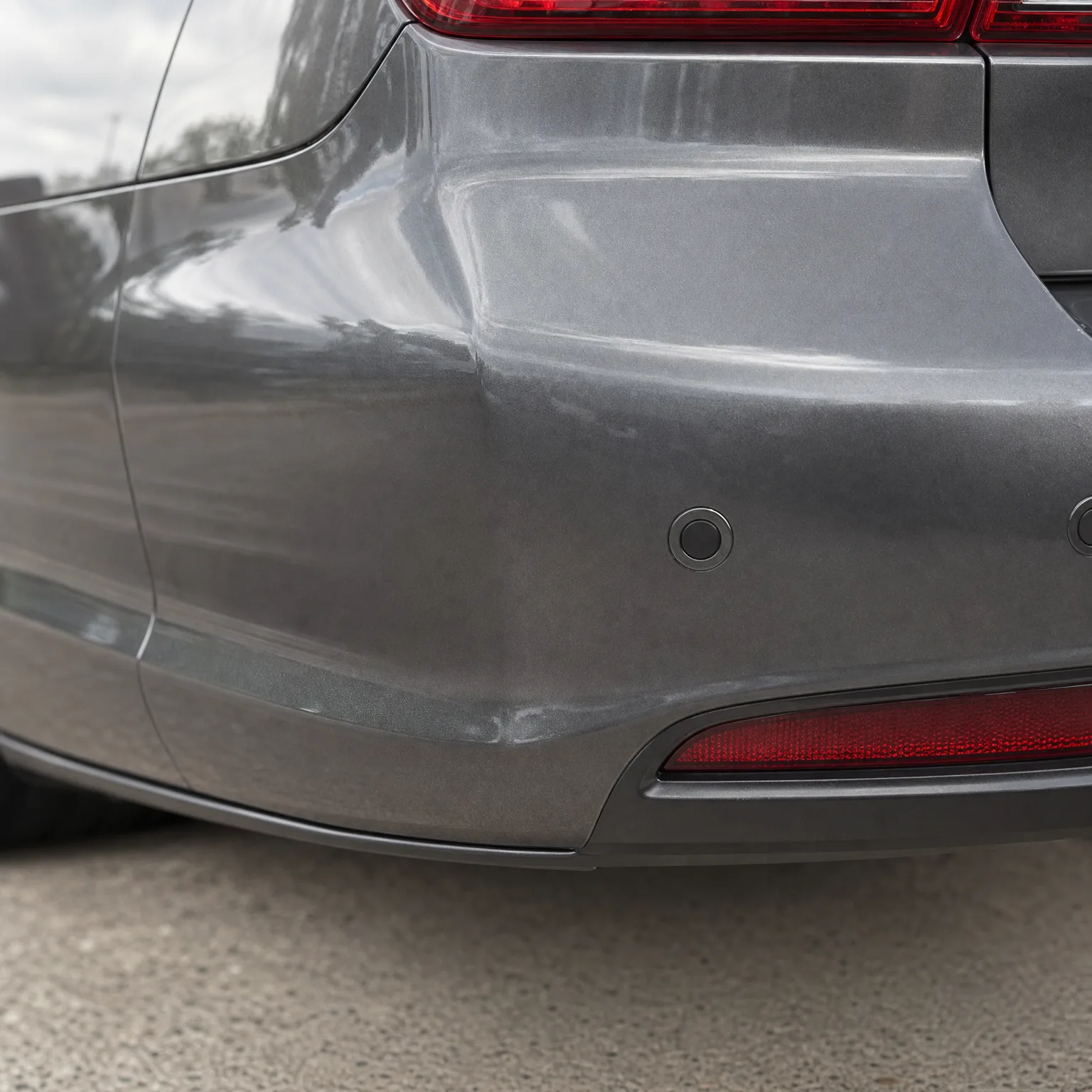
- Damage to your car by default In many places the basic version of this coverage only pays for injuries, and vehicle damage needs its own add-on or falls to collision coverage instead.
- Your own driving mistakes This coverage only applies when someone else is at fault and uninsured. If you caused the crash, your liability coverage is what responds.
- An underinsured driver's full gap, automatically If the other driver has some insurance but not enough, that's a related but separate coverage, and your policy may or may not include it.
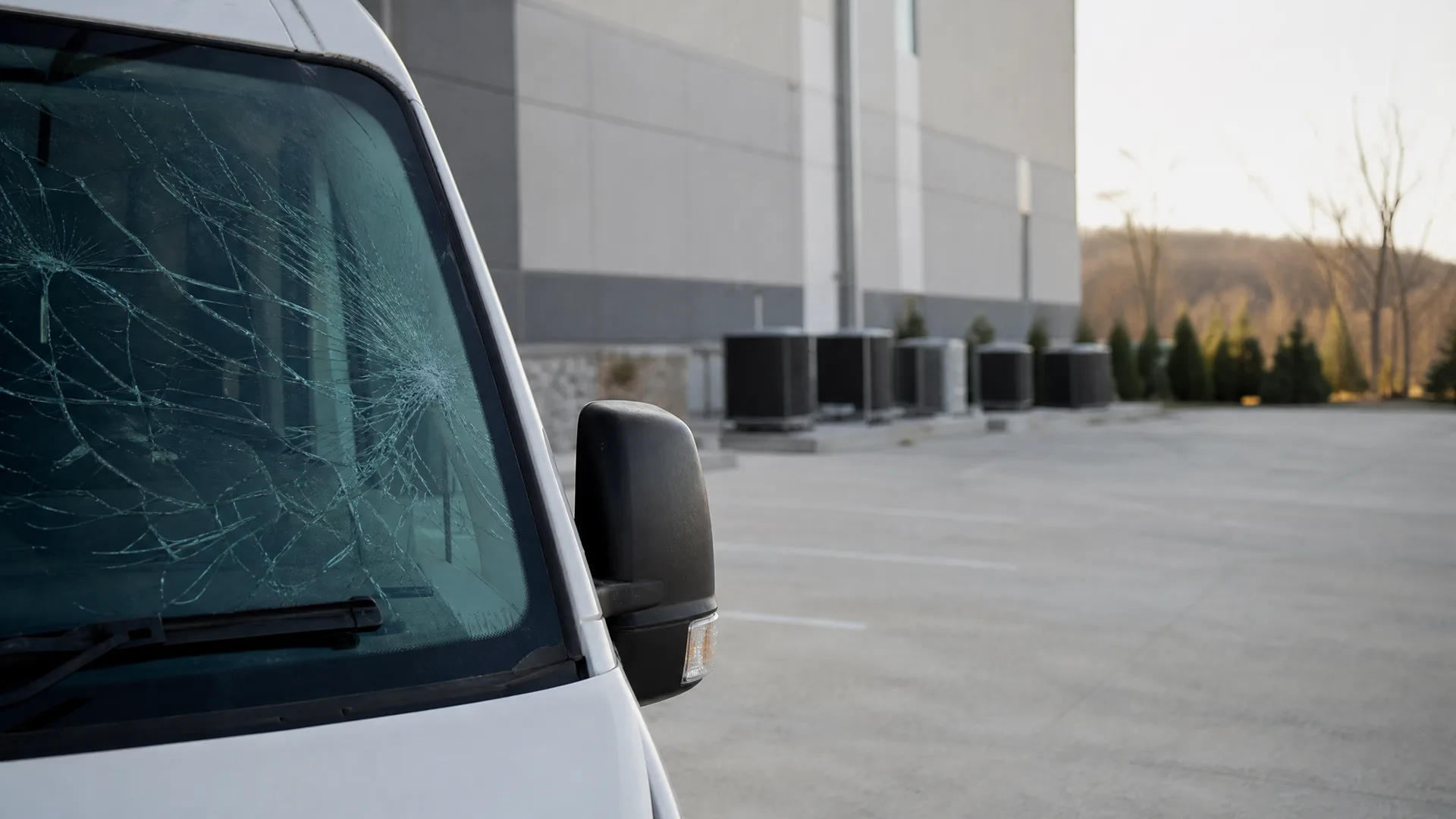
- Damage from a parked, unknown vehicle If your car is keyed or dented in a lot with no driver identified, that usually falls to comprehensive coverage, not this one.
- Vehicle repairs with no deductible Where this coverage does include property damage, a deductible still typically applies before payment starts.
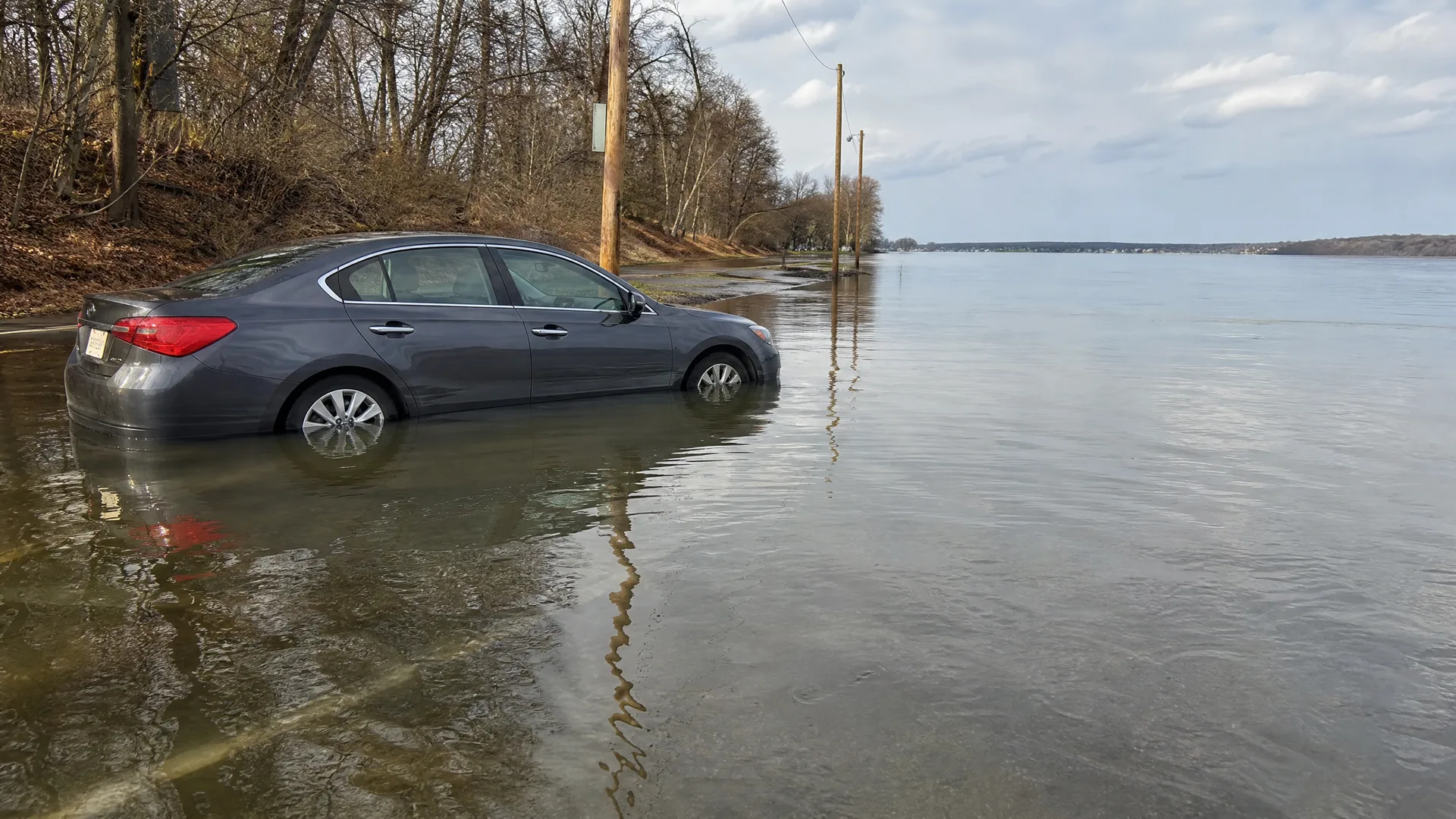
- Wear, mechanical failure or weather This coverage responds to another driver's lack of insurance, not to damage from age, neglect or the elements.
Worth keeping for almost every driver at this age
Uninsured motorist coverage is one of the few protections you can't recreate out of your own pocket when it matters most. If someone with no insurance hits you and causes a real injury, your own health insurance will still leave gaps, and there's no other part of your policy built to cover pain and suffering or lost income from that kind of crash.
What your car is worth matters less here than your health does. Even if you drive an older car you wouldn't bother insuring for collision, your body doesn't depreciate the same way, and a serious injury at this age tends to cost more in recovery time and complications than it would for a younger driver.
How much you drive and where the car sits still shape the odds. A driver who mostly makes short trips around town faces less exposure than someone who commutes on rural highways, where uninsured drivers and hit-and-runs are more common. If the car mostly sits in a garage and only comes out occasionally, your actual risk is lower, though it's never zero.
The cost of carrying this coverage is typically modest compared to what it protects against. For most drivers in their sixties, seventies or eighties, the real question isn't whether to carry it, but whether the limits are high enough to actually matter if you ever need it.
What happens when you file a claim
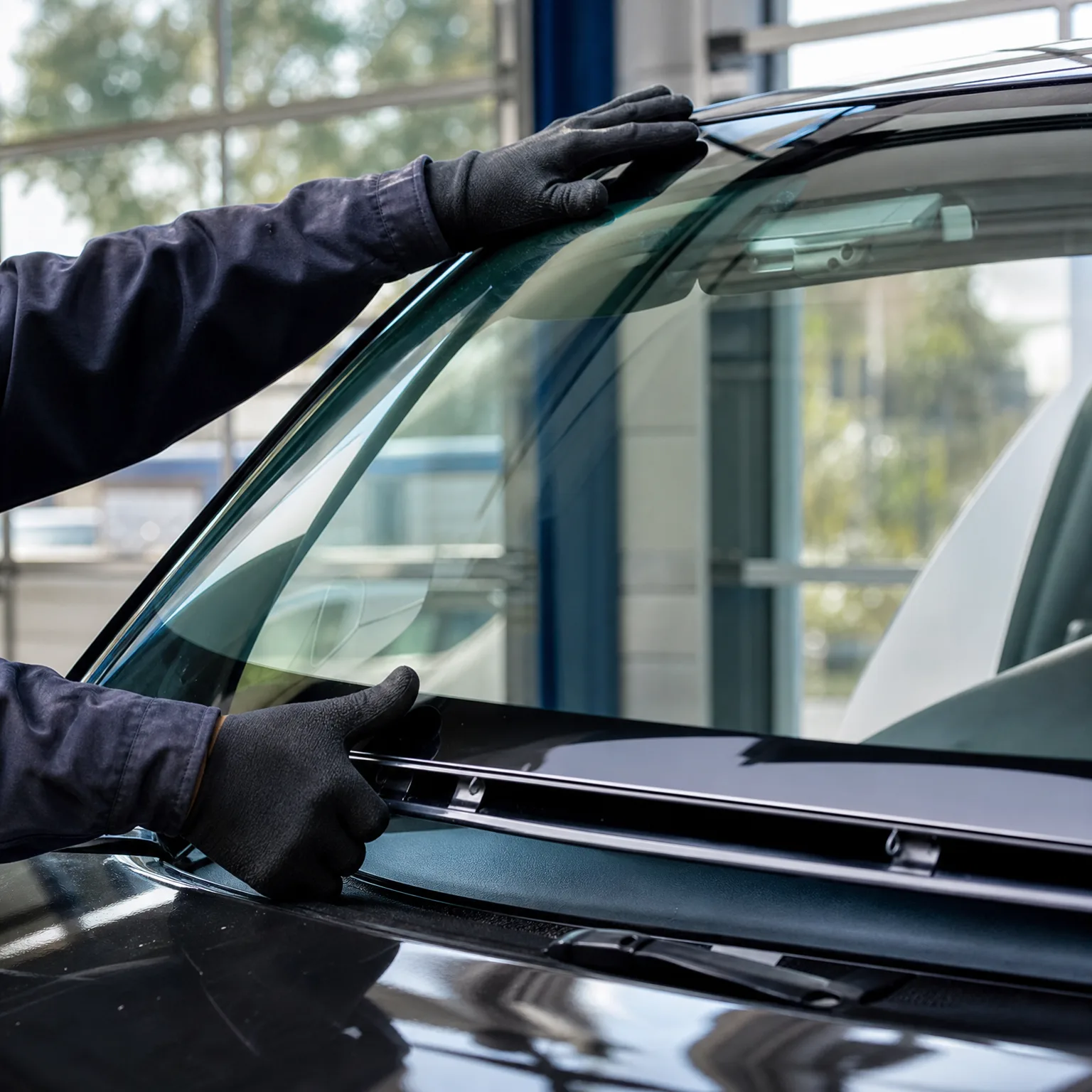
You report the crash to your own insurer, even though the other driver is the one at fault, because they have no coverage of their own to pursue. You'll need the police report, any details on the other driver or vehicle if you have them, and your own medical records as treatment continues.
If your policy includes a deductible for the property damage portion, that amount comes off the top before any payment for car repairs. The injury portion usually doesn't carry a deductible, though this varies by policy, so it's worth checking your own.
Your insurer will evaluate the claim much like a liability claim, looking at medical records, lost wages documentation and the extent of the injury. Because there's no other insurer to negotiate with, your own company is effectively standing in for the at-fault driver's.
Have your policy details, the crash report and a written account of what happened ready early. The clearer the record, the fewer delays you'll run into while the claim is reviewed.
Often confused with underinsured motorist coverage
Uninsured motorist coverage
This applies when the at-fault driver carries no insurance at all, or fled the scene and can't be identified. It fills in for medical costs, lost income and pain and suffering that would otherwise go unpaid.
Underinsured motorist coverage
This applies when the at-fault driver has insurance, but not enough to cover your full losses. It pays the difference between what their policy covers and what you're actually owed.
If you want full protection against both a driver with no insurance and one with too little, you generally need both coverages on your policy, not just one.
Real situations
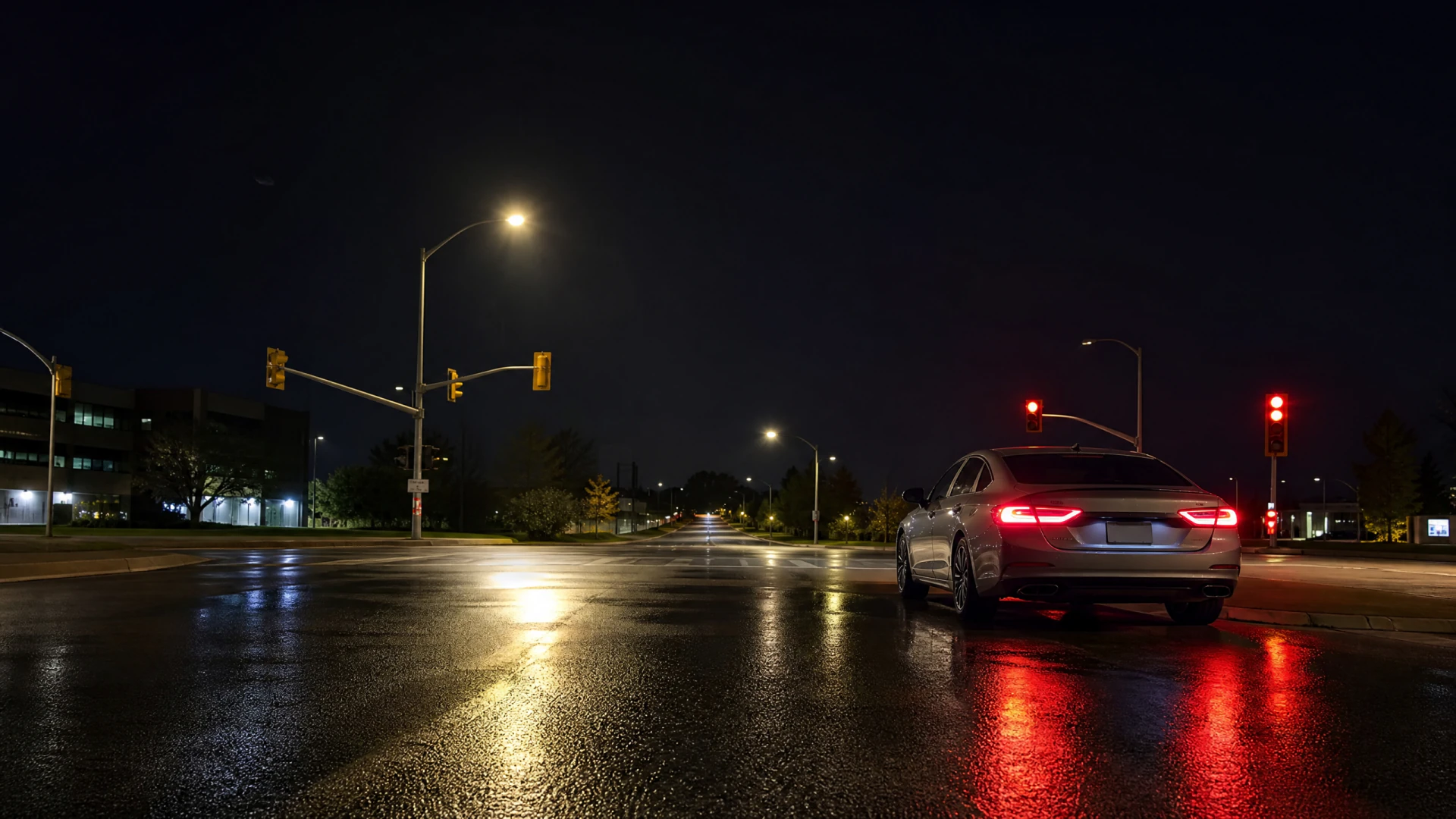
You're stopped at a light on a county road and a driver without insurance rear-ends you hard enough to send you to urgent care.
This pays for your injury costs since the at-fault driver has no insurance to cover them.
A hailstorm hits while your car is parked outside church and dents the hood and roof.
This doesn't pay here, since no driver was involved; that's a comprehensive coverage claim instead.
A driver clips your car in a parking lot and drives off before you can get a license plate.
This pays for your injuries since an unidentified hit-and-run driver is treated the same as an uninsured one.
Once you know whether you want this coverage and at what limit, you're ready to compare quotes on that basis.
Questions people ask about this
How much uninsured motorist coverage do I actually need?
Enough to match what you'd want covered if a serious injury happened, which for most people means limits similar to their liability coverage rather than the state minimum. Check what limit your policy currently carries, since many people are surprised to find it's lower than they assumed. Your health, assets and how much you drive on higher-risk roads all factor into the right amount for you.
Does uninsured motorist coverage raise my rate a lot?
It typically adds a modest amount compared to other parts of your policy, since it only pays out in a narrower set of situations. The exact effect depends on your insurer and your overall policy, so it's worth asking for a side-by-side quote with and without it. Dropping it to save a small amount rarely makes sense given what it protects.
Can I be sued by the uninsured driver who hit me?
It's uncommon, but a driver could still sue you if they believe you were partly at fault, regardless of their own insurance status. Your liability coverage would respond to that separately from your uninsured motorist claim. Keeping records of the crash protects you in either direction.
What if the uninsured driver who hit me has some assets?
You can still pursue them directly in some cases, separate from your insurance claim, though collecting from an individual is often difficult and slow. Your uninsured motorist coverage pays you regardless of whether you also pursue the other driver personally. Many people rely on the insurance payment and skip a separate legal claim entirely.
Does this coverage follow me if I'm a passenger in someone else's car?
Yes, in most cases your own uninsured motorist coverage can apply even when you're riding in another person's vehicle and that driver is hit by someone uninsured. It typically works alongside whatever coverage the vehicle's owner carries. Check your policy's wording, since how multiple policies interact can get complicated.