Hit by an Uninsured Driver in California
Uninsured motorist coverage pays for your injuries and sometimes your car when the other driver has no insurance at all.
What it pays for
Covers
- Your medical bills If the at-fault driver carries no insurance, this coverage pays your doctor and hospital costs instead.
- Lost income from the crash If injuries keep you from working, this can replace wages a liable driver would have owed you.
- Pain and suffering Unlike your own medical payments coverage, this can include compensation for the injury itself, not just the bills.
- Hit and run crashes When the other driver flees and is never identified, this coverage treats it as if they had no insurance.
- Passengers in your car People riding with you when an uninsured driver hits you are typically covered the same way you are.
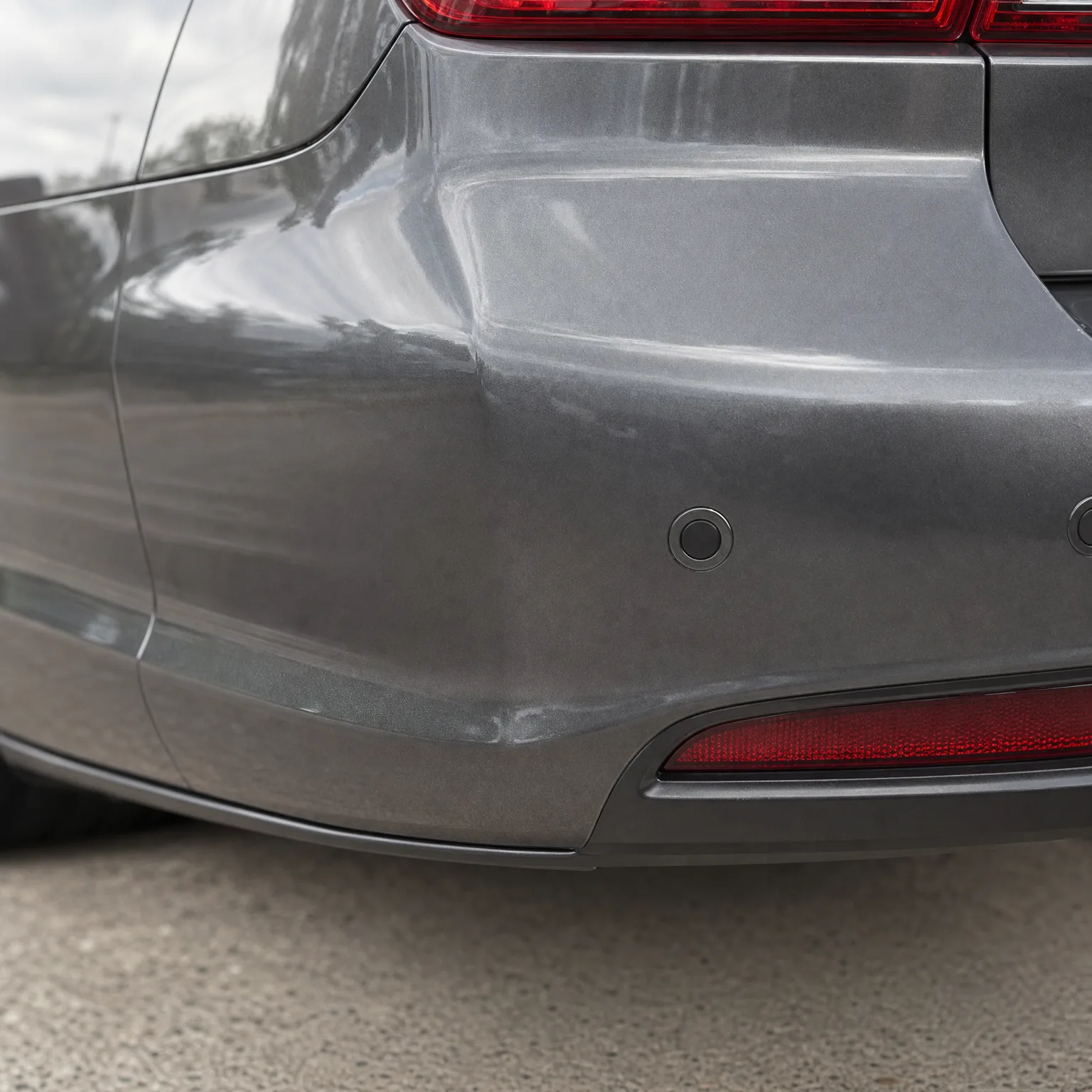
- Damage to your car In states that offer it, a version of this coverage pays for vehicle repairs too, separate from the injury portion.
Doesn't cover
- Your own single car accident If you hit a tree or a guardrail with no other driver involved, this doesn't apply since there's no uninsured driver to stand in for.
- Damage when the other driver has some insurance If their coverage is just too low, that falls under underinsured motorist coverage, a close relative of this one, not this.
- Your car's repair in many states In a lot of places this coverage only pays for injuries, and vehicle damage falls to your collision coverage instead.
- Normal wear or mechanical failure This only responds to a crash caused by another driver, not to parts breaking down on their own.
- Property other than your vehicle Fences, mailboxes or other things damaged in the same crash aren't what this coverage is built to pay for.
Worth keeping for almost everyone, worth raising if you can
This is one of the few coverages that's hard to argue against at any age. It doesn't protect your car so much as it protects you, and your body doesn't get cheaper to repair as you get older. If an uninsured driver causes a serious injury, this is often the only coverage standing between you and bills you'd otherwise pay yourself.
How much of it you carry is the real question, more than whether to have it. If your supplemental health coverage is strong and your savings could absorb a gap, you may be fine with a modest amount. If a serious injury would strain your finances, carrying more than the minimum is worth the small added cost.
How much you drive matters less here than you'd think, because the risk isn't really about your own driving. It's about how often you're sharing the road with cars that might carry nothing at all, which can be more common than people assume regardless of where you live.
If your car is older and nearly paid off, that changes how much you care about the vehicle damage portion where it's offered, but it says nothing about the injury portion. That part is worth keeping at a meaningful level even on a car you wouldn't bother repairing.
How a claim actually goes
You report the crash the same way you would any other, and if the other driver has no insurance or can't be identified, your insurer handles the claim directly rather than going after someone else's company. Where a deductible applies, it's usually on the vehicle damage portion, not the injury portion, so check your own policy for how that's set up.
Your insurer will want a police report, details of the other car if you have any, and documentation of your injuries and any lost income. If the driver fled the scene, having a time and location even without a plate number still helps.
The payment covers your medical costs, lost wages, and in some states your car, up to the limits you chose when you bought the policy. It won't cover damage to other property or reimburse you for a settlement you simply think is fair, since the amount is based on documented losses.
Have your medical records, repair estimates, and any wage statements ready, since those are what actually determine what you're paid rather than how serious the crash felt at the time.
Uninsured motorist coverage vs underinsured motorist coverage
Uninsured motorist coverage
This applies when the at-fault driver carries no insurance whatsoever, or can't be found after a hit and run. It steps in completely, as if your insurer were the other driver's company.
Underinsured motorist coverage
This applies when the other driver does have insurance, but not enough to cover what you're owed. It pays the difference between their limits and your actual losses.
Most people should carry both, since you can't know in advance which kind of driver will hit you.
Real situations
You're stopped at a light and a driver without insurance rear-ends you, leaving you with a sore back and a missed week of work.
This pays for your medical care and lost wages since the other driver had no insurance to cover it.
A hailstorm damages your car while it's parked at church, with no other vehicle involved.
This doesn't pay here, since there's no other driver at fault, that falls to comprehensive coverage instead.
A driver runs a stop sign, hits your car, and takes off before you can get a plate number.
This pays as a hit and run claim, treated the same as if the driver had no insurance at all.

Once you know how much uninsured motorist protection you want to carry, you can compare quotes with that number already decided.
Questions people ask about this
Do I still need uninsured motorist coverage if I have good health insurance?
Yes, because it covers more than medical bills, including lost income and pain and suffering that health insurance won't touch. Health insurance also often expects repayment from any settlement you receive, which this coverage can help fund. The two work together rather than one replacing the other.
What happens if the uninsured driver who hit me has no money?
Nothing changes about your claim, because this coverage doesn't depend on the other driver's ability to pay. Your insurer pays you directly based on your own policy limits, then may pursue the other driver separately on its own. You're not responsible for collecting anything from them yourself.
Can my own insurance rate go up after an uninsured motorist claim?
Usually not, since the crash wasn't your fault, but this can vary by insurer and state, so it's worth asking yours directly. Many companies treat these claims differently from at-fault claims for exactly that reason. Check your policy or ask your agent how your specific company handles it.
How do I know if the other driver actually had no insurance?
The police report at the scene usually notes whether the other driver could produce proof of insurance. If they couldn't, or the information they gave turns out to be false, your insurer verifies this during the claims process. You don't have to prove it yourself beyond reporting what you saw and what the officer recorded.
Does this coverage apply if I'm a passenger in someone else's car?
Often yes, since this type of coverage can follow you rather than just the vehicle, but whether it does depends on how your policy is written. Check your own policy's language on this, since some extend to you as a passenger and others only cover your own car. This is worth confirming before you assume either way.