Hit by an Uninsured Driver in Nevada
Uninsured motorist coverage pays for your injuries and, depending on your policy, your car, when the driver who hit you carries no insurance at all.
What this coverage pays for
Covers
- Your medical bills It covers treatment for you and your passengers when the at-fault driver has no insurance to pay your claim.
- Lost income from the crash If your injuries keep you from working, this can cover the income you lose while you recover.
- Pain and suffering Unlike many coverages, this one can pay for the physical and emotional toll of the crash, not just bills.
- Hit and run crashes If the other driver flees and is never identified, this coverage treats it the same as hitting an uninsured driver.
- Damage to your car Where this is offered as a separate piece, it pays to repair or replace your vehicle after an uninsured driver hits it.
- A passenger in someone else's car If you're riding with someone else and get hit by an uninsured driver, your own coverage can still apply.
Doesn't cover
- Damage from a storm or animal Weather, fire, theft and hitting a deer fall under comprehensive coverage, not this one.
- Your car if you're at fault This coverage only applies when another driver caused the crash and has no insurance, not when you caused it.
- A driver with too little insurance That situation falls under underinsured motorist coverage, a close relative of this one with its own limits.
- Damage to someone else's property If you're the one who gets hit, this pays your losses, not anyone else's.
- Mechanical breakdowns A transmission failure or dead battery has nothing to do with another driver, so this coverage doesn't touch it.
- Medical bills beyond your policy limit This coverage has a cap, and costs above it come out of your own health insurance or your pocket.
For most drivers in their sixties, seventies or eighties, this coverage is worth keeping
Start with your medical costs, not your car. A serious crash at this age often means a longer hospital stay and a harder recovery, and health insurance rarely covers everything. If an uninsured driver causes that, this coverage can be the only thing standing between you and those bills.
Look at what your car is worth and whether it's paid off. If you're driving an older vehicle you own outright and could replace with savings, the vehicle-damage part of this coverage matters less. The part that protects your body and your income still matters just as much, maybe more, since recovery tends to take longer than it used to.
Think about how much you drive and where the car sits. A driver who still commutes or takes regular long trips faces more exposure than one who mostly drives to the store and back. A car that sits in a driveway in a rural area has different odds than one parked on a city street overnight.
Consider what you could absorb from savings without real strain. If a serious injury claim with no coverage behind it would force you to sell something or lean on family, that's a strong argument for keeping this coverage rather than trimming it to save a little each month.
How a claim actually works
You file this claim with your own insurance company, even though the other driver caused the crash. That can feel backwards at first, but it's how the coverage is built, since there's no other insurer to collect from. Many policies apply a deductible to the vehicle-damage portion, though the medical and injury portion often doesn't have one.
The company will want a police report, details on the other driver, and medical records if you're making an injury claim. If the other driver was never identified, like in a hit and run, you'll need to show you reported it promptly and cooperated with the investigation.
The payout covers your medical bills, lost income and vehicle damage up to your policy's limits, but it won't pay for anything above those limits or for unrelated damage you try to bundle in. Keep your repair estimates, medical bills and any correspondence with the other driver's insurer, if one ever turns up, since a second insurer sometimes appears after the claim is already moving.
If you're only dealing with vehicle damage, the process looks a lot like any other claim, with an adjuster reviewing the damage and authorizing repairs. Injury claims take longer, since the company wants to see how your recovery plays out before settling.
Uninsured motorist vs. underinsured motorist coverage
Uninsured motorist coverage
This applies when the other driver has no insurance at all, or can't be identified, as in a hit and run. It covers your injuries and, where offered, your vehicle.
Underinsured motorist coverage
This applies when the other driver has insurance, but not enough to cover what you've lost. It fills the gap between their limit and your actual damages.
Most drivers carry both together, since you can't predict ahead of time whether the other driver will have no insurance or just too little.
Real situations
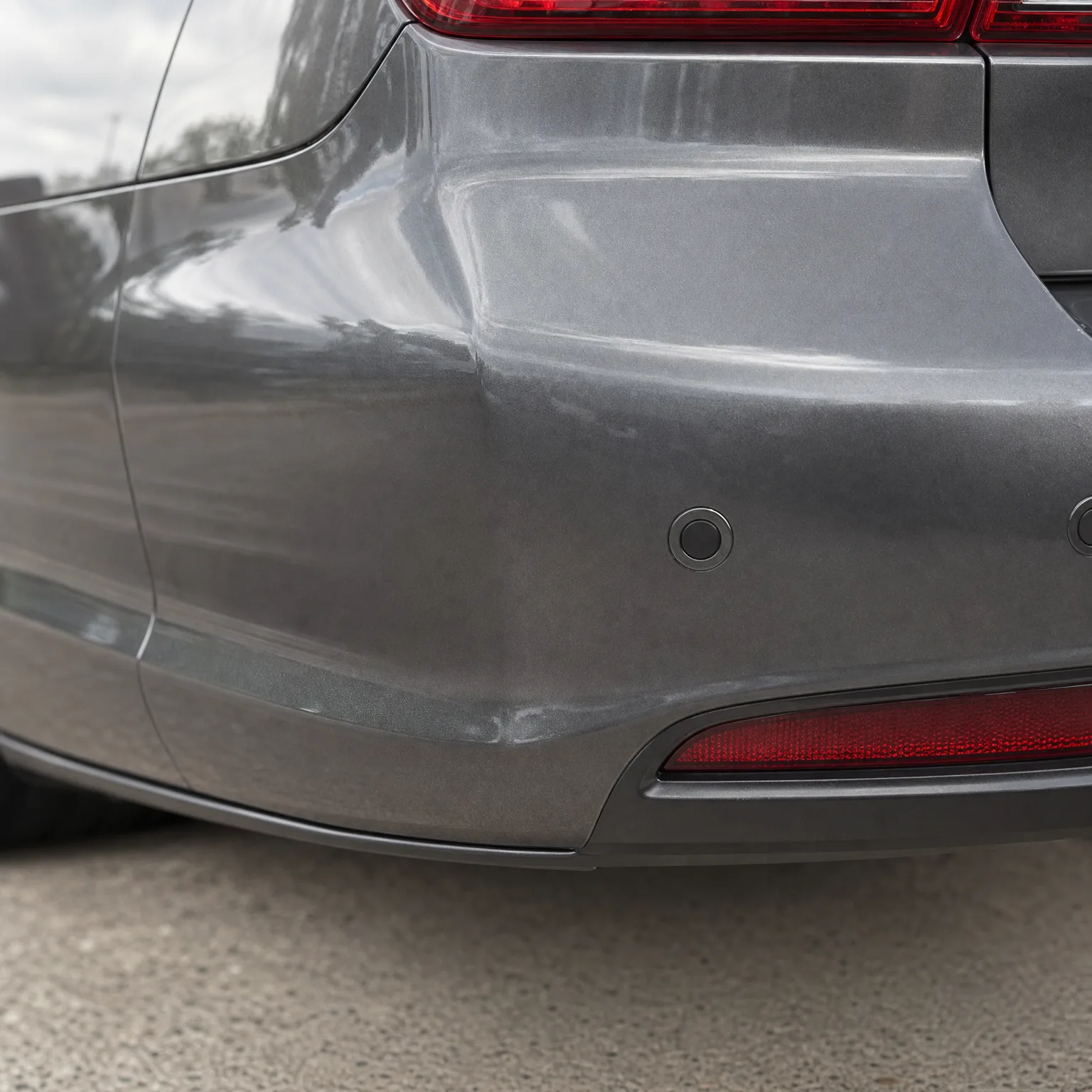
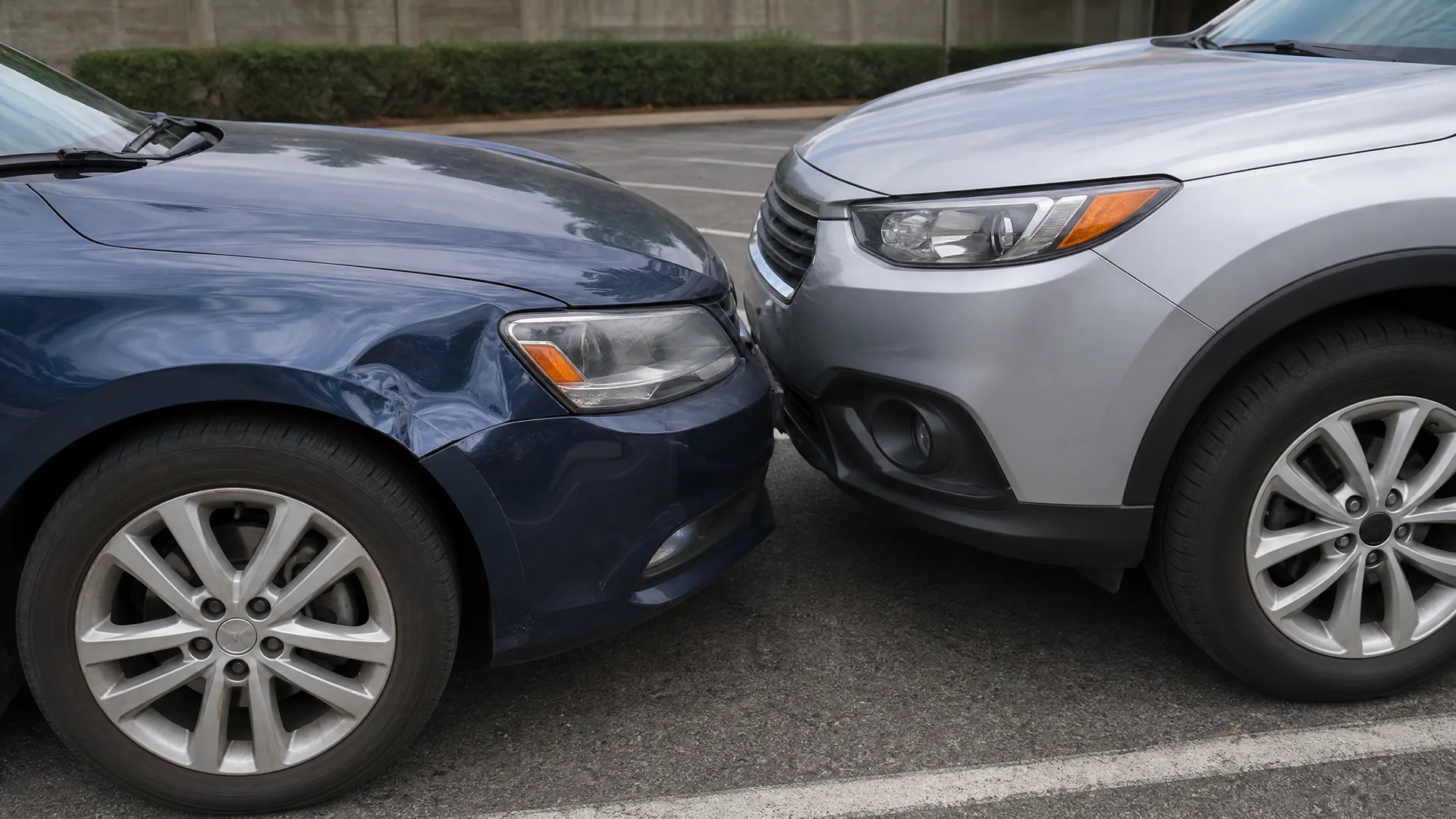
You're stopped at a light and a driver without insurance rear-ends you, leaving you with a sore back and a crumpled bumper.
This coverage pays, covering your medical treatment and, if included, your vehicle repair.
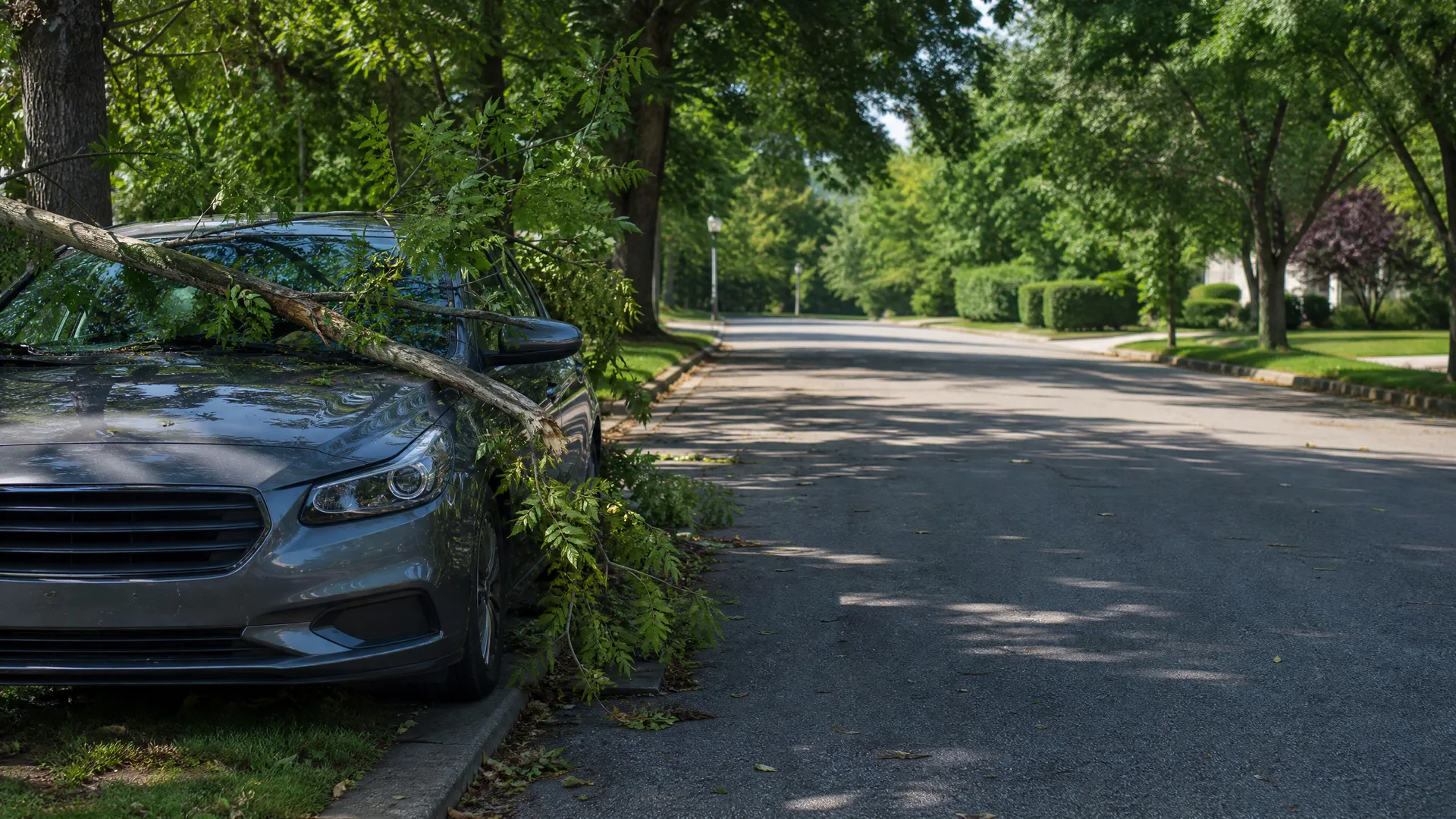
A hailstorm pounds your car while it's parked outside church on a Sunday morning.
This coverage doesn't pay, since no other driver was involved, that's a comprehensive claim.
A driver runs a stop sign on a county road, hits you, and speeds off before you can get a plate number.
This coverage pays, since an unidentified hit and run driver is treated the same as an uninsured one.
Once you know whether you need this coverage and how much, you can compare quotes knowing exactly what to ask for.
Questions people ask about this
Do I need uninsured motorist coverage if I have health insurance?
Health insurance alone usually isn't enough, since it won't cover lost income, pain and suffering, or vehicle damage. It also often comes with its own gaps, deductibles and limits that this coverage can help fill. Many people keep both because they cover different things.
What happens if the uninsured driver has no assets to sue?
You generally can't collect much from a lawsuit if the other driver has nothing worth taking. This coverage exists for exactly that situation, since it pays you directly without needing to collect from the other person. It's often the more realistic path than a lawsuit.
Can my insurance rate go up after an uninsured motorist claim?
This depends on your insurer and your state's rules, so check your own policy or ask your agent directly. Since the crash wasn't your fault, many insurers treat it differently than an at-fault claim. It's worth asking before you file if you're unsure.
Is uninsured motorist coverage required by law?
This varies by state, so check your own policy or your state's requirements to be sure. In places where it isn't required, it's usually still offered as an option. Your agent can tell you what applies where you live.
What if the other driver lied about having insurance?
If their policy was cancelled or never existed, they're treated as uninsured for purposes of your claim. Your insurer will verify their coverage status as part of investigating the claim. You don't need to prove it yourself.