Hit by an Uninsured Driver in Colorado
Uninsured motorist coverage pays for your injuries and, depending on how it's set up, your car damage when the other driver has no insurance at all.
What it actually pays for
Covers
- Your medical bills Treatment, hospital stays and related costs from the crash get paid when the at-fault driver has no insurance to cover them.
- Lost income from recovery If you can't work while you heal, this can replace income you would have earned.
- Pain and suffering Unlike your own health insurance, this coverage can pay for the physical and emotional toll, not just medical bills.
- Hit-and-run crashes If the driver flees and is never identified, that counts as uninsured, so the coverage still applies.
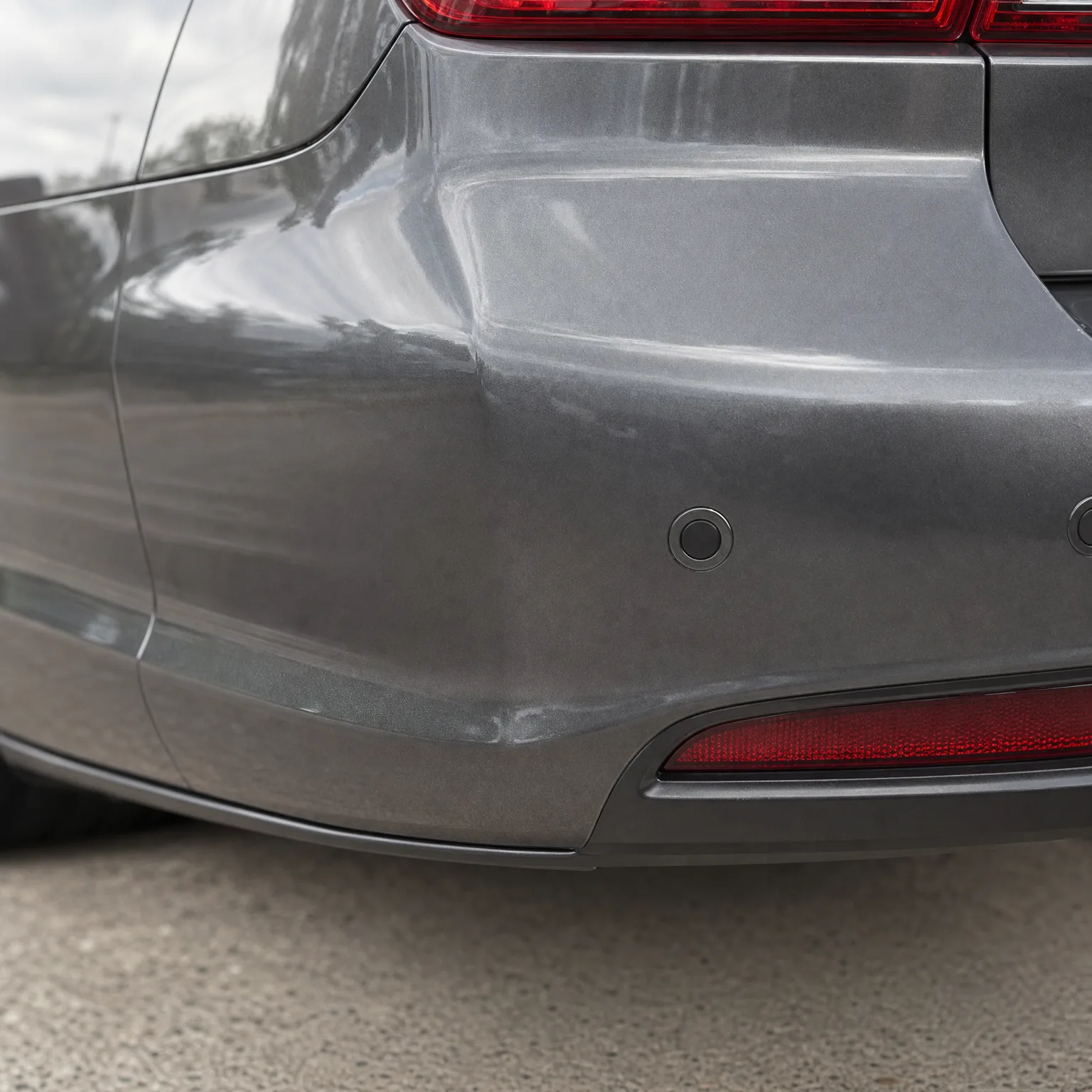
- Car damage, if you added that option In Colorado, protection for your vehicle isn't automatic with uninsured motorist coverage. You have to check whether yours includes it.
- A passenger in your car If someone riding with you is hurt by an uninsured driver, this coverage can pay their claim too.
Doesn't cover
- Damage from potholes or weather This coverage only responds when another driver is at fault. Hail, ice and road hazards fall under comprehensive coverage instead.
- Your own fault accidents If you cause the crash, this doesn't apply. Your liability coverage and collision coverage handle that.
- An underinsured driver with low limits That's a related but separate coverage. Uninsured motorist coverage is specifically for drivers carrying no insurance at all.
- Damage to the other driver's car This protects you, not them. If they're uninsured and at fault, you'd need your own collision coverage to fix their vehicle, which you generally wouldn't do anyway.
- Mechanical breakdowns Nothing about this coverage touches wear and tear or parts failing on their own.
Worth keeping for almost everyone, worth dropping for almost no one
This is one of the few coverages where the case for keeping it stays strong no matter how old your car is or how little you drive. The reason is simple. If someone with no insurance hurts you, your own health insurance may not cover everything, and you have no one else to collect from. This coverage exists to fill that gap.
How much car you own matters less here than it does for other coverages. Collision and comprehensive protect your vehicle, so an old car with little value makes those easier to drop. This coverage protects your body and your income, which doesn't depreciate the way a car does.
Where you live and drive in Colorado plays a role. If you're mostly on quiet roads near home, your odds of a serious crash go down, but they never disappear, and a single bad encounter with an uninsured driver can be enough to matter for the rest of your life.
The honest exception is if you have significant savings and strong health coverage already in place, and you're willing to absorb a loss yourself rather than pay for this protection. Even then, most people in their sixties, seventies and eighties find the cost small enough compared to the risk that they keep it anyway.
How a claim actually goes
There's typically a deductible involved, especially on the portion that covers damage to your car, so check what yours is set at before you assume the full cost is covered. The deductible applies before the payment, not after.
When you file a claim, your insurer investigates what happened and confirms the other driver had no coverage, which can mean they check records or ask for a police report. Have the report, photos from the scene, and contact information for the other driver ready, since gaps in that information can slow things down.
The payment covers your medical costs, lost income and related damages up to the limits on your policy. It won't pay for extra costs like a rental car unless you've added that separately, and it won't make the other driver personally responsible for anything beyond what your policy covers.
If you're hurt badly enough that costs run high, your insurer may want documentation from doctors showing the extent of treatment needed. Keeping records as you go makes that part much easier later.
Uninsured motorist vs underinsured motorist coverage
Uninsured motorist coverage
This applies when the other driver has no insurance at all, including hit-and-run drivers who are never found. It's the backstop for a driver carrying nothing.
Underinsured motorist coverage
This applies when the other driver has insurance, but not enough to cover what you're owed. It picks up where their limits run out.
Most people carry both, since you can't predict in advance whether the driver who hits you will have no insurance or just too little.
Real situations
You're stopped at a light and a driver without insurance rear-ends you, leaving you with neck pain that needs physical therapy.
This pays, since the other driver is confirmed uninsured and at fault for your injury.
A hailstorm damages your car while it's parked outside church on a Sunday morning.
This doesn't pay, because no other driver was involved. That's a comprehensive coverage claim.
A driver runs a stop sign on a county road, hits your car, and takes off before you get a look at the plate.
This pays, since an unidentified hit-and-run driver is treated as uninsured.
Once you know whether you want this coverage, where you want the limits, and whether to add vehicle damage to it, you're ready to compare quotes on equal terms.
Questions people ask about this
Does uninsured motorist coverage follow the car or the person?
It generally follows you as the policyholder, not just the car you're driving. That means it can apply if you're a passenger in someone else's car or even struck as a pedestrian. Check your policy's language, since the exact wording can vary.
What happens if the uninsured driver has no assets to sue?
That's exactly the situation this coverage is built for. Suing someone with no insurance and no assets rarely results in actual payment, so your own coverage becomes the realistic path to being made whole. This is why many people keep it even if they think they'd rather pursue the other driver directly.
Can my rates go up if I use uninsured motorist coverage?
It depends on your insurer and the circumstances, since you weren't at fault in these claims. Ask your agent directly how your company handles it before you file, so there are no surprises. Rules and practices vary by company and by state.
Do I need a police report to file a claim?
In most cases, yes, especially for hit-and-run situations where there's no other driver to confirm the facts. A report establishes an official record of what happened and that the other party couldn't be identified or had no insurance. Check with your insurer on their specific requirement.
Is uninsured motorist coverage required in Colorado?
Whether it's required or just offered varies by state, so check your own policy or declarations page to see how it's set up for you. Some states mandate it, others only require insurers to offer it. Your agent can confirm exactly what applies where you live.