Hit by an Uninsured Driver in Florida
Uninsured motorist coverage pays for your injuries and sometimes your car when the driver who hit you has no insurance to cover the damage they caused.
What this coverage pays for
Covers
- Your medical bills It covers treatment for injuries you suffer in a crash caused by a driver who carries no liability insurance.
- Lost income from the crash If your injuries keep you from working, this coverage can replace wages you missed during recovery.
- Pain and suffering Unlike many coverages, this one can pay for the physical and emotional toll of the crash, not just bills.
- Hit and run crashes When the other driver flees and can't be identified, this coverage treats it the same as an uninsured driver.
- A passenger's injuries Anyone riding in your car when it happens is typically covered under the same policy.
- Underinsured drivers too If the other driver has insurance but not enough to cover your losses, this coverage can make up the difference.
Doesn't cover
- Damage to your car Depending on how your policy is set up, vehicle damage from an uninsured driver may fall under collision coverage instead.
- Your own fault crashes This coverage only applies when another identified or hit-and-run driver caused the crash, not when you caused it.
- Damage to property Things like fences, mailboxes or buildings are handled differently and usually aren't part of this coverage.
- A drawn out legal fight You're not suing the other driver in court, you're making a claim against your own policy, which works differently.
- Injuries with no proof You still need medical records and documentation tying the injury to the crash, this coverage doesn't pay on assumption.
For most older drivers, this coverage is worth keeping
The math behind this one isn't about your car, it's about your body. A crash with an uninsured driver can leave you with medical bills that follow you for years, and at this age recovery often takes longer and costs more. This coverage exists for exactly that gap.
Think about what you could absorb out of pocket if a hospital stay or months of physical therapy landed on you with no other driver able to pay. Savings that look comfortable can disappear fast against a serious injury claim, especially if there's lost income layered on top.
How much you drive and where matters less here than it does for other coverages, because you don't control who's on the road around you. Someone who drives rarely but still shares roads with uninsured drivers is just as exposed in the moments they do drive.
The people who can reasonably skip this are those with strong health coverage, no dependents relying on their income, and enough set aside that a six figure medical bill wouldn't change their life. That's a small group. For nearly everyone else, this is one of the cheaper lines on the policy relative to what it protects.
How a claim actually works
There's often a deductible attached to the property damage side of this coverage, but the medical and injury side usually doesn't carry one. Check your declarations page to see how yours is structured, since this varies by policy.
A claim starts the same way any crash claim does. You report it to your insurer, they confirm the other driver had no valid insurance or couldn't be identified, and then your own policy steps in to evaluate your injuries and losses.
The payment covers medical treatment, lost wages and pain and suffering up to your policy's limit, but it won't replace a totaled car unless that's handled elsewhere in your policy. Have your medical records, police report and any wage statements ready, since the insurer will want documentation before paying out.
If your injuries are serious, this can take longer than a simple fender bender claim because the insurer is essentially stepping into the shoes of the at-fault driver and needs to see real proof of the loss.
Uninsured motorist coverage vs collision coverage
Uninsured motorist coverage
This pays for injuries to you and your passengers when an uninsured or hit-and-run driver causes the crash. It can also include pain and suffering, which most other coverages don't touch.
Collision coverage
This pays to repair or replace your car after a crash, regardless of who caused it or whether they had insurance. It doesn't pay for injuries at all.
If you want your car fixed no matter what happens, lean on collision, but if you want protection for injuries when the other driver can't pay, that's what uninsured motorist coverage is for.
Real situations
You're stopped at a red light and a driver with no insurance rear-ends you, leaving you with a neck injury that needs weeks of physical therapy.
This pays, since the other driver was at fault and uninsured and your injury is documented.
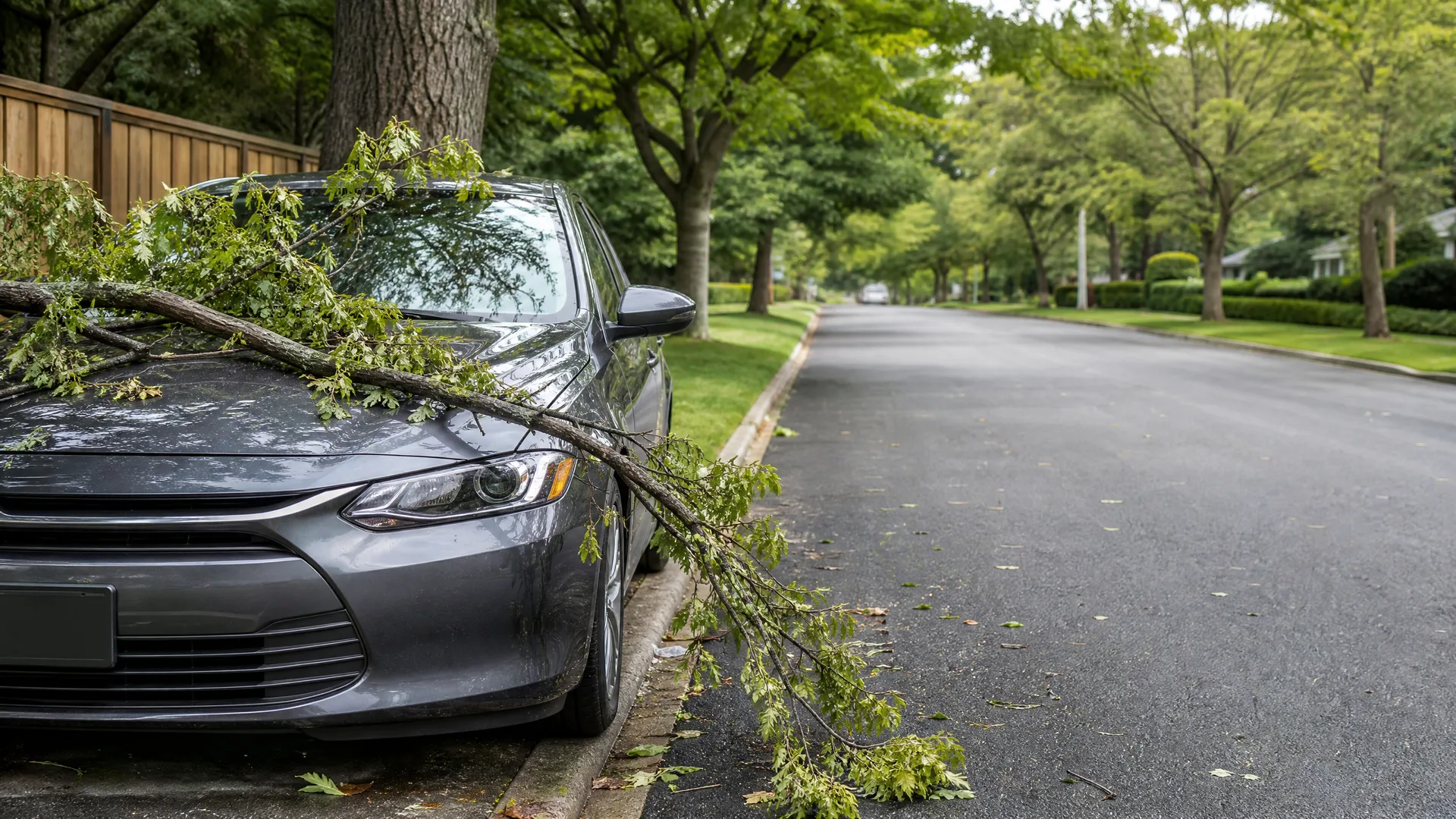
A hailstorm damages your car while it's parked at church during a Sunday service.
This doesn't pay, since there's no other driver involved, that's a comprehensive claim instead.
A deer runs into the road at dusk on a county highway and you swerve into a ditch with no other car involved.
This doesn't pay, since there's no uninsured driver at fault, comprehensive coverage handles animal strikes.
Once you know whether you want to keep, raise or adjust this coverage, you're ready to compare quotes with that decision already settled.
Questions people ask about this
Does uninsured motorist coverage follow the car or the person?
It generally follows you as the named driver, not just the car. That means it can apply even if you're hurt as a pedestrian or riding in someone else's vehicle, though the details depend on your specific policy, so check your declarations page.
What if the other driver has some insurance but not enough?
That falls under underinsured motorist coverage, which is often bundled with uninsured motorist coverage on the same policy. It fills the gap between what the at-fault driver's policy pays and what your actual losses are.
Can my own insurer fight my uninsured motorist claim?
Yes, your insurer can dispute the value of your claim even though you're not dealing with the other driver directly. This is why documentation like medical records and police reports matters so much, since the insurer is evaluating the claim much like a liability claim.
Do I need a police report to file this kind of claim?
In most cases yes, especially for hit-and-run situations where there's no other driver to identify. A police report establishes that the crash happened and that the other party couldn't be confirmed as insured.
Does this coverage affect my rates if I use it?
It can, though it often affects rates less than an at-fault claim would since you didn't cause the crash. Rules on this vary by insurer and by state, so it's worth asking directly how a claim like this is treated on your policy.