Hit by an Uninsured Driver in Ohio
Uninsured motorist coverage pays for your injuries and, depending on how it's set up, your car, when the driver who hit you has no insurance at all.
What it pays for
Covers
- Your medical bills It covers treatment for injuries you got in the crash when the other driver has no insurance to pay for them.
- Lost income If you couldn't work while you recovered, this can replace wages you lost during that time.
- Pain and suffering Unlike basic medical coverage, this can pay for the physical and emotional toll of the crash, not just the bills.
- Hit and run crashes If the driver who hit you took off and was never identified, this coverage treats it the same as if they had no insurance.
- A passenger in your car If someone riding with you was hurt, this coverage can pay for their injuries too.
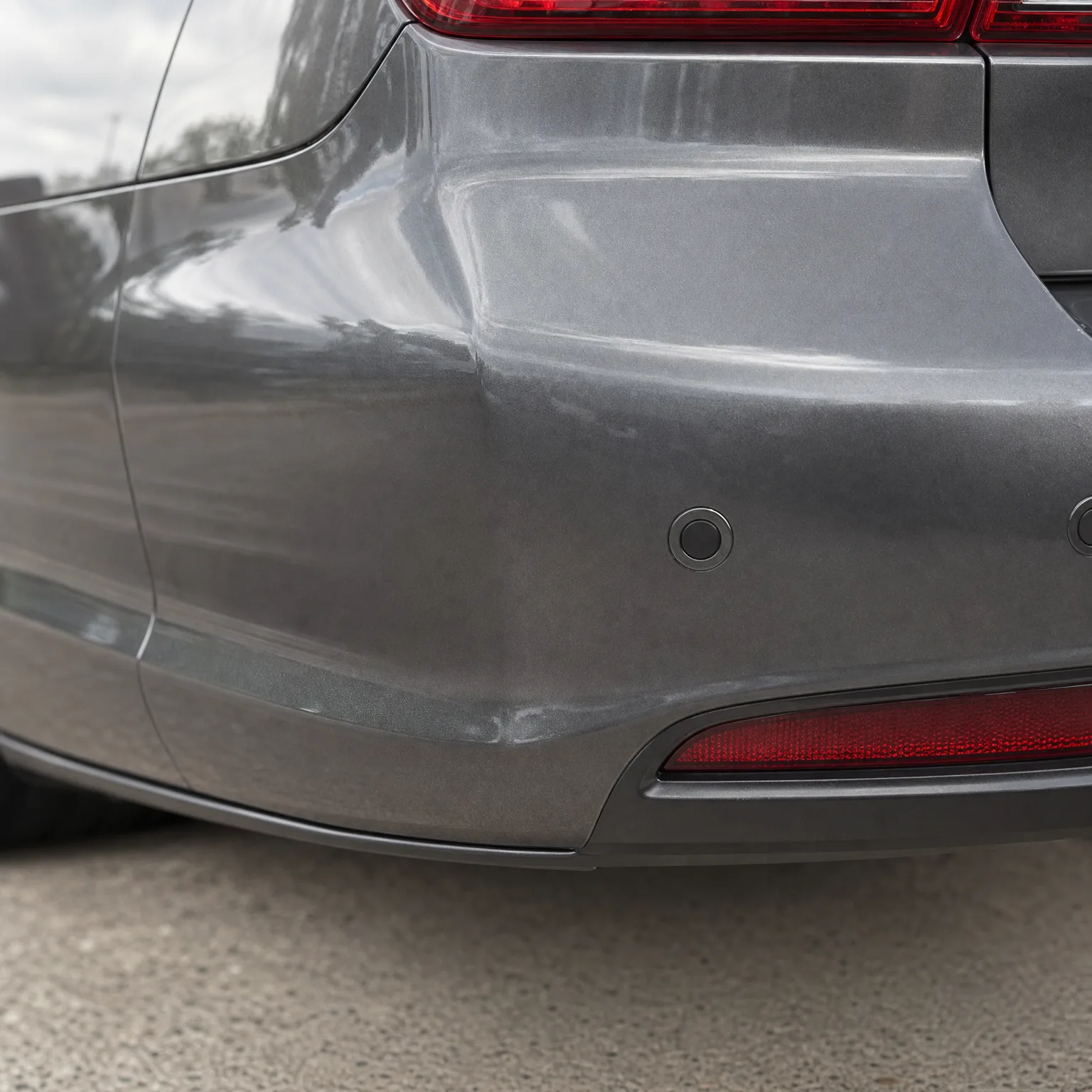
- Damage to your car In some setups this also covers repairs to your vehicle, though that part is often handled separately and varies by policy.
Doesn't cover
- An underinsured driver's full bill If the other driver had some insurance but not enough, a related but separate part of this coverage handles that gap, not this part.
- Damage from a pothole or tree branch Those are weather or road hazards, and they fall under comprehensive coverage instead.
- Your car if you're at fault This coverage only applies when the other driver is at fault and uninsured, not when you caused the crash.
- Mechanical breakdowns A failed transmission or dead battery has nothing to do with another driver, so this coverage doesn't apply.
- Property damage in every state Whether this coverage extends to your car and not just injuries varies by state, so check what your policy actually includes.
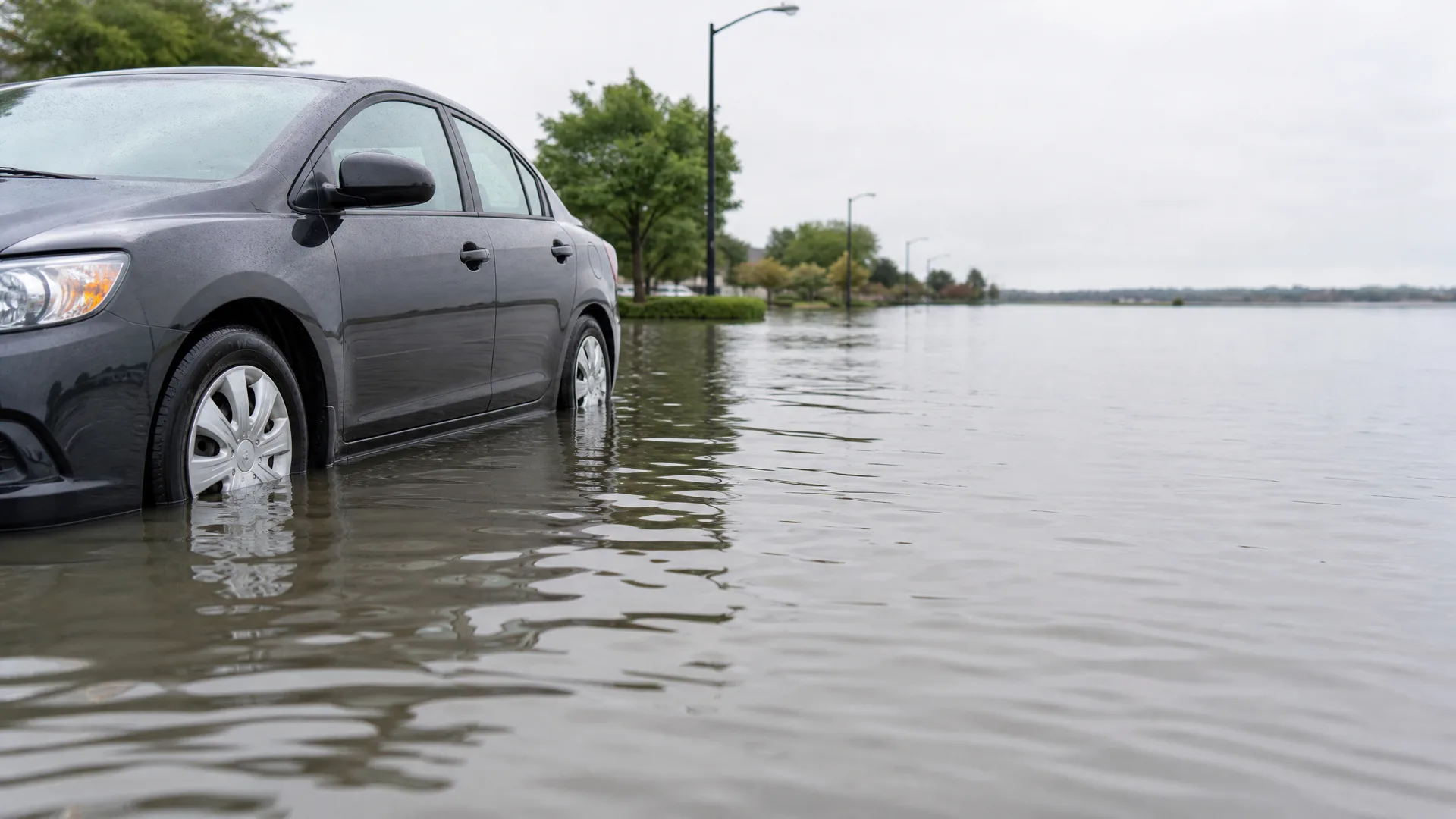
For most older drivers, this is worth keeping
This coverage protects you from someone else's bad decision, not your own driving, and that's exactly why age doesn't make it less useful. The risk of meeting an uninsured driver doesn't go down as you get older.
What matters more is what you're protecting. If your car is paid off and worth a real amount, you want a way to repair or replace it that doesn't depend on the other driver having coverage they don't have. If you're still driving regularly, especially on highways or at dusk when deer and distracted drivers are both a bigger risk, that exposure stays active every time you're on the road.
The injury side matters even more than the car. A serious crash in your sixties, seventies or eighties tends to mean a longer recovery and larger medical bills than the same crash would for a younger driver. Health insurance and basic medical payments coverage often leave a gap, and this is one of the few ways to close it when the other driver has nothing to offer.
The main case for dropping it is if you've stopped driving regularly and the car mostly sits, or if you've already decided to self-insure for property damage and your health coverage is strong. Even then, most people keep the injury portion because the cost of being wrong is so much higher than the cost of carrying it.

How a claim actually goes
You report the crash to your own insurer, not the other driver's, since they don't have a policy to file against. Your insurer investigates to confirm the other driver was at fault and genuinely uninsured, which sometimes takes a little back and forth if the other driver disputes it or can't be found.
If your policy includes a deductible for the property portion, that amount comes off the top of any payment for your car. The injury portion typically doesn't have a deductible, so medical bills and lost income are paid out according to the coverage limit you chose, not reduced by a deductible first.
Have the police report, your medical records and bills, and any proof of lost income ready, since those are what your insurer uses to value the claim. If the other driver is later identified or found to have some insurance after all, the claim can shift to a different part of your policy, but that doesn't change what you need to provide upfront.
The payment is meant to put you back where you would have been if the other driver had carried insurance. It won't cover unrelated prior conditions or damage that existed before the crash, so be clear with your insurer about what's new.
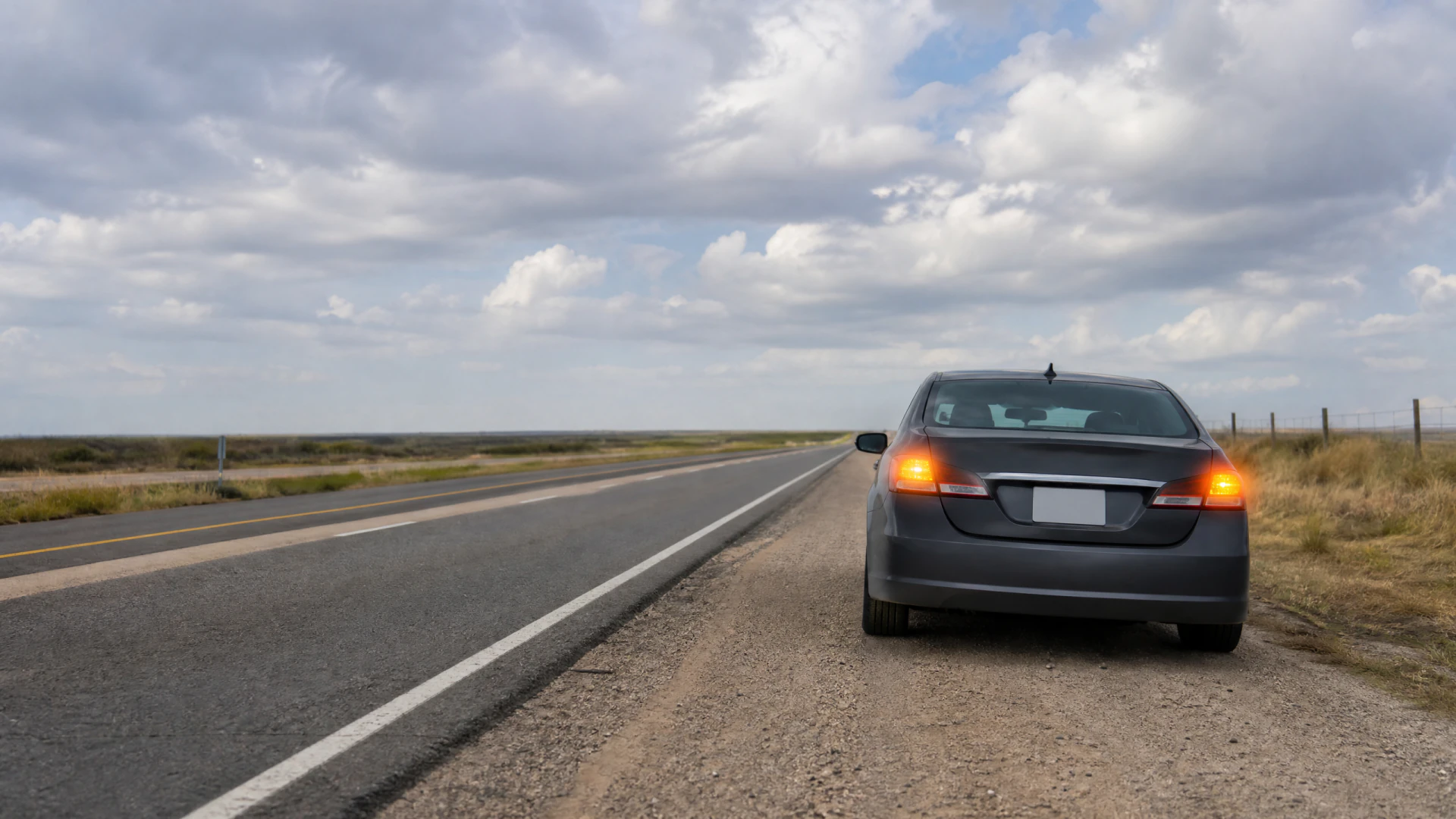
Uninsured motorist vs. underinsured motorist coverage
Uninsured motorist coverage
This applies when the other driver has no insurance at all, or fled the scene and can't be identified. It's the only one of the two that applies to a true hit and run.
Underinsured motorist coverage
This applies when the other driver has insurance, but their limits are too low to cover your injuries or damage in full. It fills the gap between what they can pay and what you actually need.
Most people carry both, since you can't control which situation you end up in, but if you have to prioritize one, lean toward keeping injury protection on both.
Real situations
You're stopped at a light and a driver rear-ends you, then admits they let their insurance lapse months ago.
This pays, since the other driver is at fault and has no insurance to cover your injuries or car.
A deer runs into your car on a county road at dusk and there's no other vehicle involved.
This doesn't pay, since there's no other driver at fault, this is a comprehensive claim instead.
Someone sideswipes your car in a parking lot and drives off before you can get a plate number.
This pays, since an unidentified hit and run driver is treated the same as an uninsured one.
Once you know whether you want this coverage and how much of it, you're ready to compare quotes with that figure already in hand.
Questions people ask about this
Do I still need uninsured motorist coverage if I have good health insurance?
Yes, because health insurance doesn't cover lost income, pain and suffering, or damage to your car, and this coverage can fill all three of those gaps. Health insurance also may not cover everything related to a crash injury, depending on your plan. Think of this as covering what health insurance leaves out, not replacing it.
What happens if the uninsured driver who hit me has no money either?
It doesn't matter, because you're not collecting from the other driver directly, you're filing a claim with your own insurer under this coverage. That's the entire point of carrying it. Whether the other driver ever pays you back isn't something you need to track or pursue yourself.
Can my insurance rates go up after an uninsured motorist claim?
Usually not, since the crash wasn't your fault, and many insurers treat these claims differently from at-fault claims for that reason. It can still vary by insurer and by state, so it's worth asking your agent directly how your policy handles it. Keep a record of the claim either way in case you need to show it wasn't an at-fault incident later.
Does uninsured motorist coverage follow me or the car?
It generally follows you as a named driver, which means it can apply if you're hit while riding in someone else's car or as a pedestrian, not just while driving your own. The exact scope depends on how your policy defines it. Check your declarations page or ask your agent if you want the specifics for your situation.
Is uninsured motorist coverage required to register a car?
Whether any insurance coverage is required at all, and which types, varies by state, so check your own state's rules rather than assuming. Some states require drivers to carry some form of this coverage, others only require it be offered as an option you can decline. Your policy documents or agent can confirm exactly what applies to you.