Hit by an Uninsured Driver in Kentucky
Uninsured motorist coverage pays for your injuries and, depending on your policy, your car, when the driver who hit you has no insurance at all.
What it pays for
Covers
- Your medical bills If the at-fault driver carries no insurance, this coverage pays for your treatment instead.
- Lost income from the crash If injuries keep you from working, this can replace wages that liability coverage would have covered.
- Pain and suffering This is one of the few coverages that can pay for the injury itself, not just the bills it caused.
- A hit-and-run that leaves you hurt When the other driver takes off and can't be identified, this steps in as if they'd had insurance and none was found.
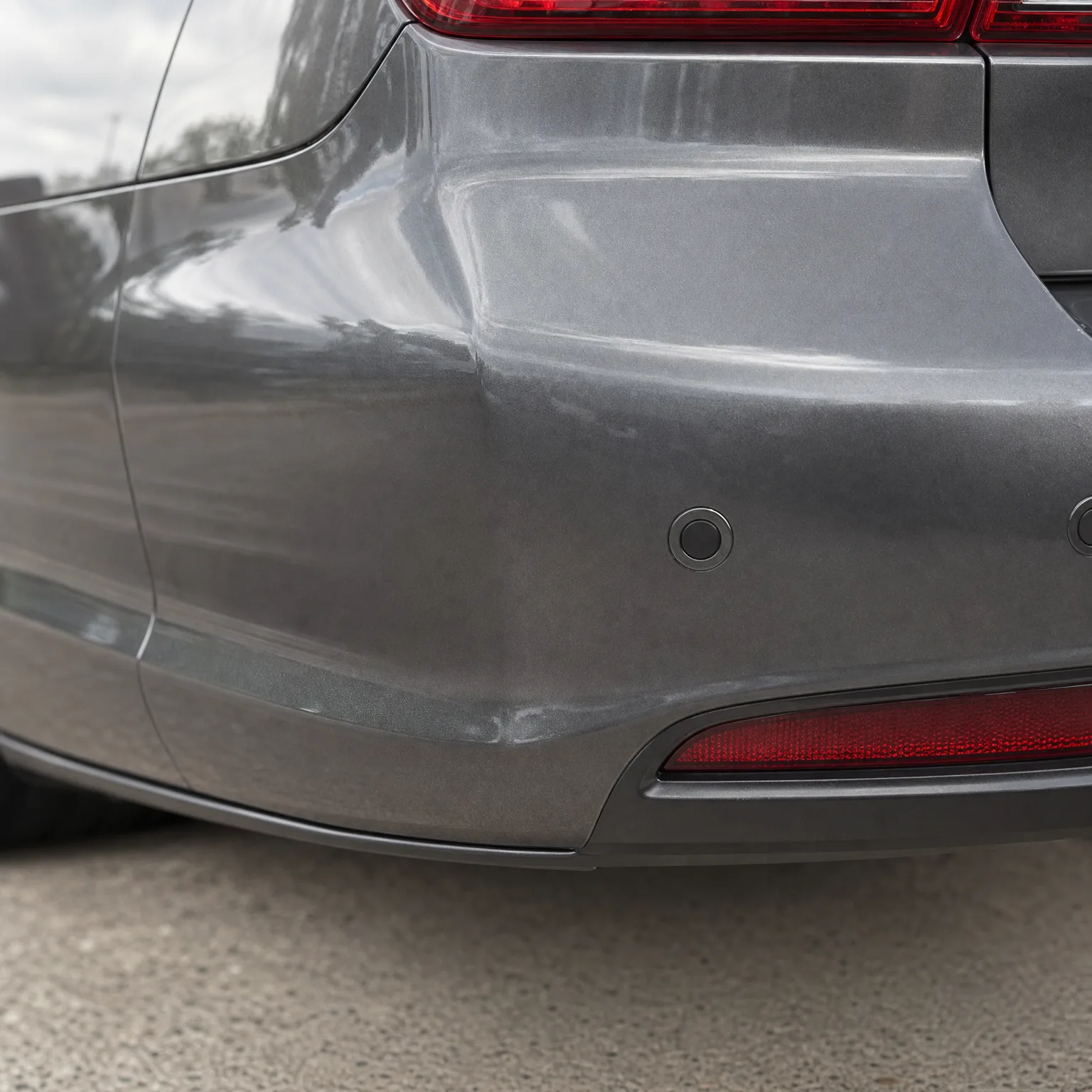
- Vehicle damage, if you added that option Some policies let you add property coverage under this same heading, which pays to repair your car after a hit from an uninsured driver.
Doesn't cover
- Damage from your own mistakes If you're at fault, your own liability or collision coverage handles that, not this one.
- A driver who has some insurance If the other driver is insured but doesn't have enough to cover your losses, that falls under underinsured motorist coverage instead.
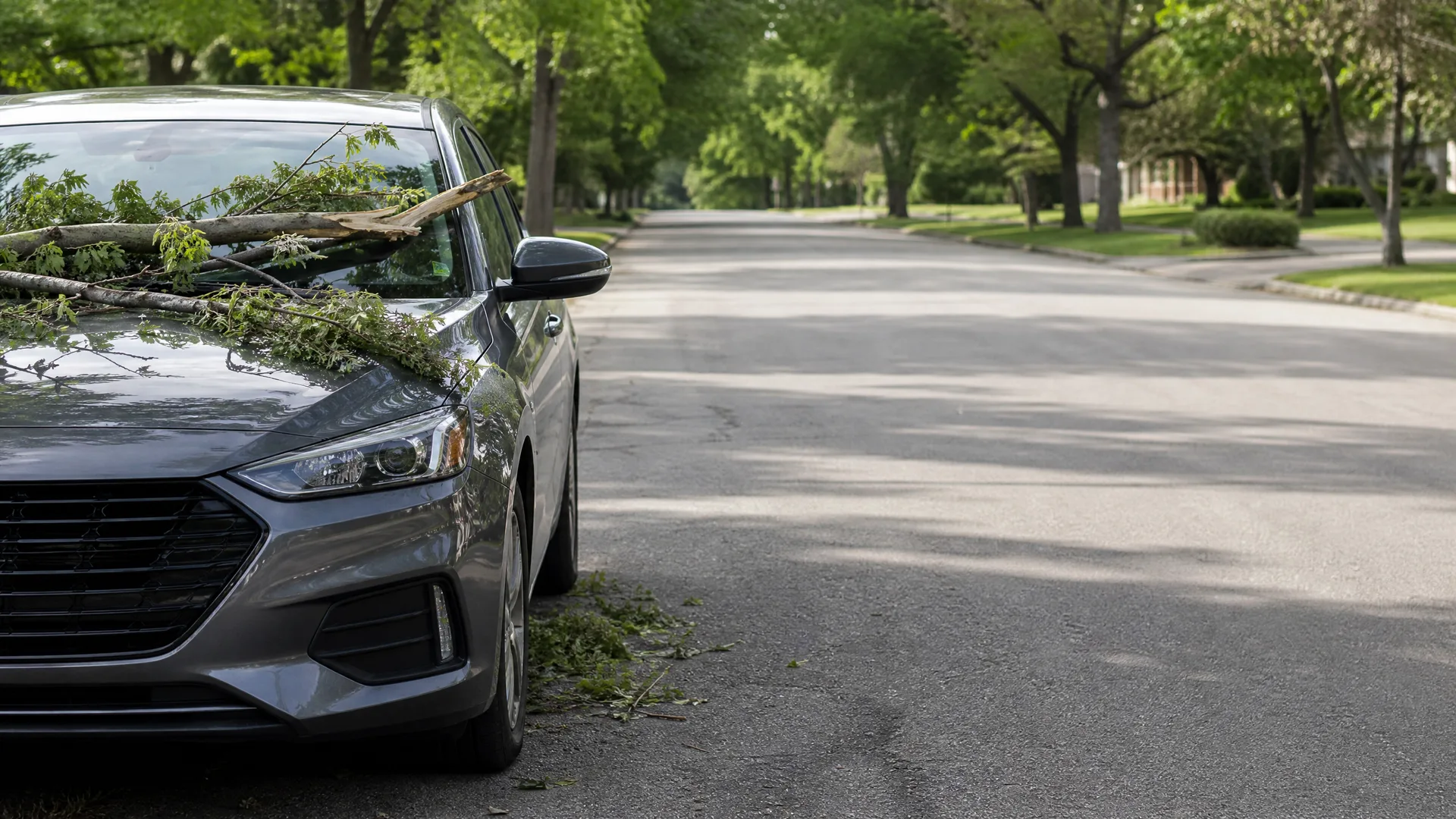
- Weather or animal damage Hail, flooding, or hitting a deer are handled by comprehensive coverage, since there's no other driver involved.
- Damage to someone else's property This coverage protects you and your car, not what you might hit or whoever else is in the crash.
- A rental car you're driving Rental situations usually route through your regular auto policy or the rental company's coverage, not this one.
For most older drivers, this is worth keeping
The math behind this coverage doesn't really change with age, but the stakes often do. If your car is older and paid off, you might be tempted to assume you don't need protection against an uninsured driver, but the real risk isn't your car. It's the medical bills and lost time that come with an injury, and those costs don't shrink because your car is older.
Think about what you could absorb from savings if you were hurt by someone with no insurance to pay you back. Medical costs from even a moderate crash can outpace what most people keep on hand, and health insurance doesn't always cover everything a liability claim would, especially pain and suffering or lost income.
How much you drive and where the car sits matter less here than they do for comprehensive coverage, since this isn't about theft or weather. It's about who else is on the road with you. If you drive regularly, even locally, you're still sharing the road with drivers who may carry no insurance or let it lapse.
The one real exception is if you've stopped driving your own car and ride only as a passenger in someone else's or rely on rides from others. In that case, your coverage may still follow you as a passenger, so check your policy rather than dropping it outright.
What happens if you use it
If you added a deductible option for vehicle damage under this coverage, that amount comes out of the payment before you get the rest. The injury portion of this coverage typically doesn't carry a deductible, so your medical and income losses are usually paid in full up to your policy limit.
You'll need to show that the other driver had no insurance, which usually means a police report and the other driver's information, or lack of it, from the scene. Your insurer may investigate independently to confirm the other driver was truly uninsured before processing your claim.
The payout covers your medical treatment, lost wages, and pain and suffering tied directly to that crash, up to whatever limit you chose when you set up the policy. It won't cover ongoing conditions unrelated to the accident, and it won't replace a car you weren't actually driving at the time.
Have the police report, any medical records tied to the crash, and documentation of missed work ready when you file. The more clearly the crash and the other driver's lack of insurance are documented, the smoother the claim tends to go.
Uninsured motorist vs. underinsured motorist
Uninsured motorist coverage
This pays when the driver who caused the crash has no insurance at all. It covers your injuries and, if you added the option, damage to your car.
Underinsured motorist coverage
This pays when the other driver has insurance, but not enough to cover what you've lost. It fills the gap between their limit and your actual costs.
Most drivers carry both together, since you rarely know in advance whether the other driver will have no insurance or just not enough.
Real situations
You're stopped at a light and a driver without insurance rear-ends you, leaving you with a sore back and a doctor's visit.
This pays for your medical costs since the at-fault driver has no insurance to cover them.
A hailstorm damages your car while it's parked outside church on a Sunday morning.
This doesn't pay, since no other driver was involved; comprehensive coverage handles weather damage.
A driver runs a stop sign, hits your car, and drives off before you can get their information.
This pays, since an unidentified hit-and-run driver is treated the same as an uninsured one.
Once you've decided how much uninsured motorist protection you want, you can compare quotes with that figure already in mind.
Questions people ask about this
Is uninsured motorist coverage required in Kentucky?
Whether it's required or just offered varies by state, so check your own policy or declarations page to see how yours is set up. Some states require insurers to offer it even if you're not required to buy it. Your policy will show whether you currently carry it and at what limit.
Can I stack uninsured motorist coverage on multiple cars?
Stacking lets you combine the coverage limits from multiple vehicles on your policy into one larger limit for a single claim. Whether this is allowed, and how it works, varies by state and by insurer. Check your policy or ask directly whether your vehicles are stacked.
Does uninsured motorist coverage raise my rates if I use it?
It depends on your insurer's rules, since this coverage pays out because of someone else's lack of insurance, not your fault. Many insurers treat it differently from an at-fault claim for rating purposes. Ask your insurer directly how a claim like this affects your premium.
What if the uninsured driver has some assets I could sue for?
You can still pursue a lawsuit against the other driver separately from any insurance claim you file. This coverage doesn't require you to give up that right, though recovering through a lawsuit can take much longer. Talk to an attorney if the potential recovery is significant enough to pursue both paths.
Does uninsured motorist coverage follow me if I'm a passenger in someone else's car?
Often yes, since this coverage is usually tied to you as a person, not just the vehicle listed on your policy. It typically applies if you're hurt by an uninsured driver while riding in someone else's car or even walking. Check your policy's language on this, since the exact wording varies.