Hit by an Uninsured Driver in Kansas
Uninsured motorist coverage pays for your injuries and, depending on how your policy is set up, your vehicle damage, when the driver who hit you has no insurance at all.
What it pays for
Covers
- Your medical bills Treatment, hospital stays and related care after a crash caused by a driver with no insurance.
- Lost income Wages you miss while you recover, if your policy's injury coverage includes that.
- Pain and suffering Compensation beyond medical bills, something the at-fault driver's liability coverage would normally pay if they had any.
- Hit-and-run crashes If the other driver flees and can't be identified, this coverage often treats it the same as an uninsured driver.
- Vehicle damage, if you added it Some policies let you add uninsured motorist property damage separately, which pays to repair or replace your car.
- A passenger's injuries People riding in your car when it happens are typically covered the same way you are.
Doesn't cover
- Your own car, by default The standard uninsured motorist coverage is for injuries, not vehicle damage, unless you've specifically added the property damage version.
- Damage from hitting an animal That's a comprehensive claim, since there's no other driver involved.
- A driver who has some insurance If the other driver carries a liability limit that's just too low to cover everything, that falls under underinsured motorist coverage instead.
- Damage to someone else's property This coverage protects you and your vehicle, not a fence or mailbox the other driver might have also hit.
- Mechanical problems or wear This only applies to a crash caused by another driver with no insurance, not anything unrelated to that.
Worth keeping for almost everyone, and often worth adding to if you haven't
This isn't one you drop as you get older. If anything, it matters more. A crash with an uninsured driver can leave you covering your own medical bills and car repairs entirely out of pocket, and that's a harder hit to absorb on a fixed income than it was decades ago when you had more years of earning ahead to recover.
Whether this coverage is required or automatically offered varies by state, so check what your own policy actually includes rather than assuming. Some policies carry only the injury version, with the vehicle damage version sitting unselected or declined somewhere in the paperwork from years back.
How much of a loss you could absorb from savings matters here. If your vehicle is older and mostly paid off, you may be more exposed on the injury side than the property side, since medical costs don't shrink just because the car is modest. If you still drive regularly, especially on rural highways or at dusk when animal and low-visibility crashes are more common, the odds of encountering an uninsured driver stay real.
Where the car sits and how often it's driven affects the odds but doesn't eliminate them. Even a car that mostly sits in the garage and makes short trips to church or the store is still exposed the moment it's on the road with other drivers, some of whom carry no insurance at all.

How a claim actually goes
If you carry the property damage version, a deductible usually applies before the payment kicks in, the same way it would with collision coverage. The injury portion typically doesn't have a deductible, though that depends on your policy, so it's worth confirming.
You'll need to show the other driver had no insurance, which usually means a police report and whatever information you gathered at the scene. Since there's no insurer on the other side to negotiate with, your own insurer effectively steps into that role, reviewing your medical records and repair estimates directly.
The payment covers your bills and damage up to your policy's limit, not whatever amount you feel the crash was worth. If your injuries or losses exceed that limit, there's nothing left to collect from the other driver, since they had no coverage of their own to pursue.
Have the police report, photos from the scene, and any medical or repair paperwork ready when you file. The clearer that record is, the faster your own insurer can process it without back and forth.
Uninsured motorist coverage vs. underinsured motorist coverage
Uninsured motorist coverage
This applies when the other driver has no insurance at all, or can't be identified, as in a hit-and-run. It steps in as if your own policy were covering the loss directly.
Underinsured motorist coverage
This applies when the other driver does have insurance, but their limits aren't enough to cover your medical bills or damage. It fills the gap between what they owe and what their policy actually pays.
Most drivers carry both together, since you rarely know in advance which situation you'll end up in.
Real situations
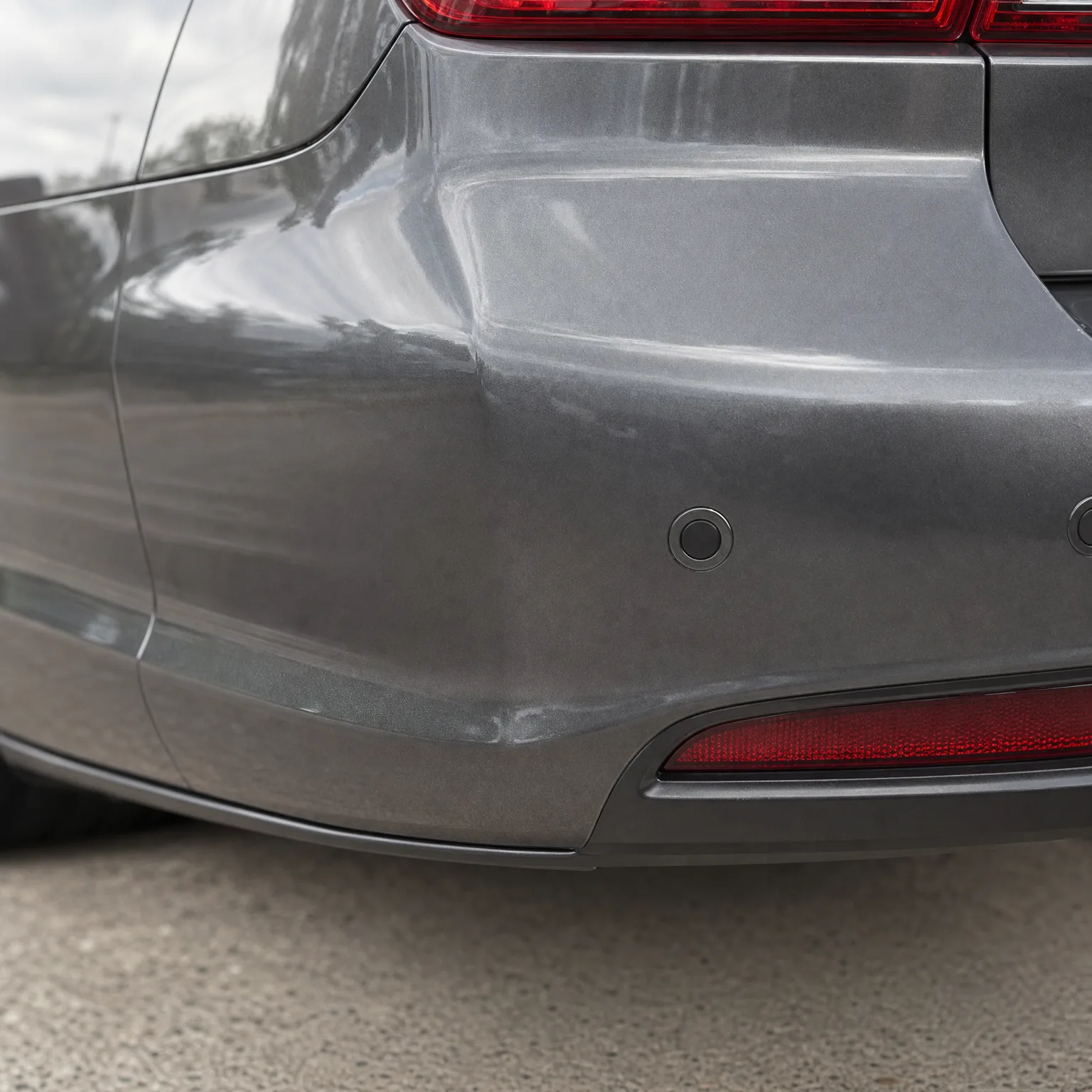
You're stopped at a light and a driver rear-ends you, then admits at the scene they let their insurance lapse months ago.
This pays, since the other driver has no insurance to cover your injuries or damage.
A deer runs into the road at dusk on a county highway and you can't avoid it.
This doesn't pay, since there's no other driver involved; that's a comprehensive claim instead.
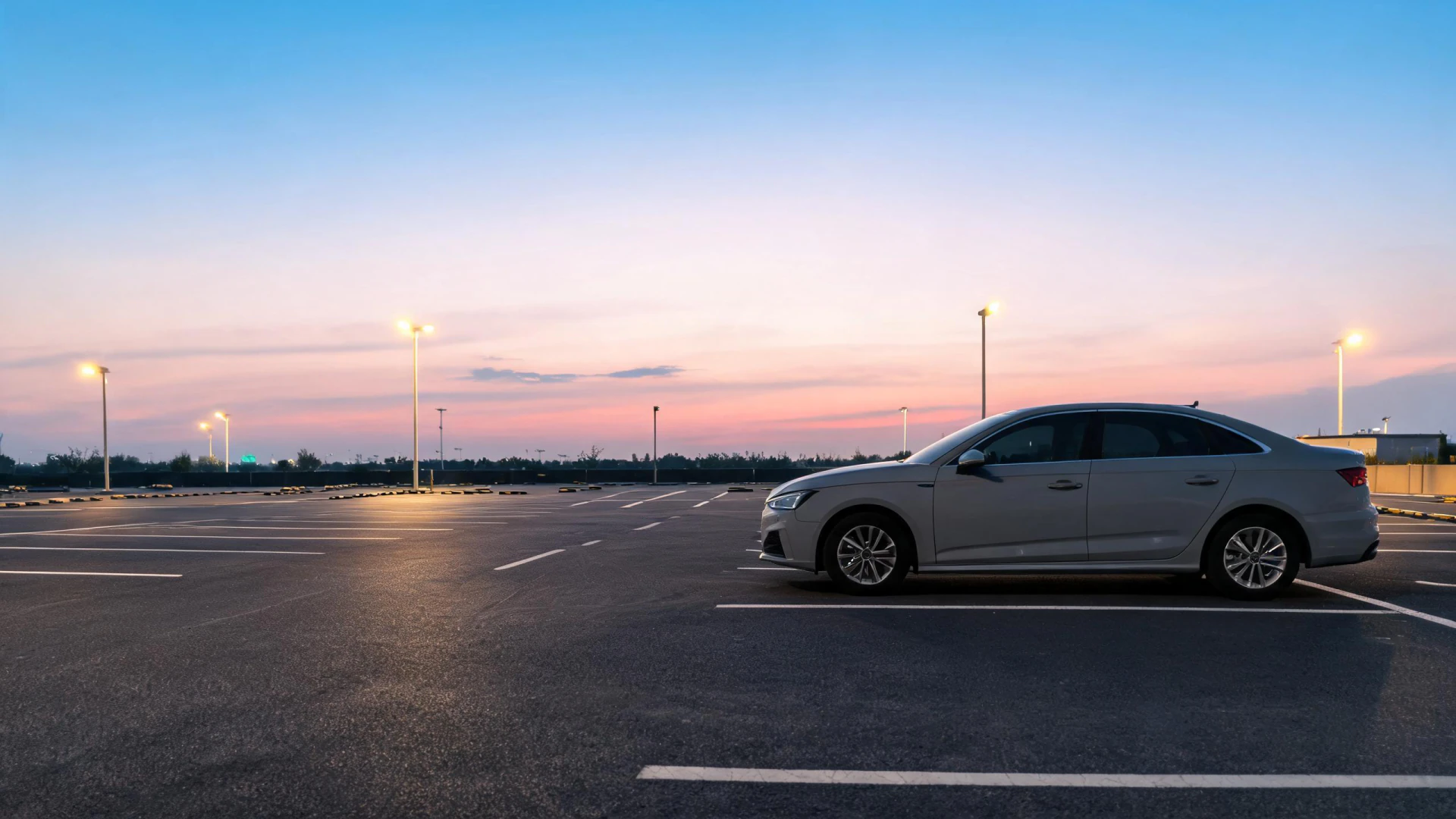
Someone sideswipes your car in a parking lot and drives off before you can get a plate number.
This pays, since an unidentified hit-and-run driver is typically treated the same as an uninsured one.
Once you know whether you want this coverage, want to add the vehicle damage version, or want to raise your limits, you're ready to compare quotes with that settled.
Questions people ask about this
Does my insurance go up if I use uninsured motorist coverage?
Often not as much as an at-fault claim would, since the crash wasn't your fault, but it can still affect your rate depending on your insurer and history. Check with your agent about how your specific company handles it. Some states also have rules limiting how much insurers can raise rates after a no-fault claim.
What if the uninsured driver has no money and I win a lawsuit against them?
You can still try to collect through the courts, but an uninsured driver often has little to collect from, which is the whole reason this coverage exists. Your insurer paying out under this coverage doesn't stop you from pursuing the other driver separately if you choose. Most people rely on the coverage rather than chase the judgment themselves.
Can I be sued by an uninsured driver I hit?
Yes, fault works the same regardless of whether either driver has insurance. If you caused the crash, your liability coverage would respond to their claim, not your uninsured motorist coverage. This is a separate question from whether they can pay you anything.
How do I find out if the other driver was really uninsured?
The police report from the scene usually notes whether the other driver could show proof of insurance. Your own insurer will also verify this independently before paying a claim. If the driver fled the scene, this becomes a hit-and-run claim instead, which is typically handled the same way.
Does this coverage follow me if I'm driving someone else's car?
Often yes, depending on how your policy defines it, but this varies and is worth confirming directly with your insurer. Some policies extend to you as a driver, not just to your own vehicle. Ask specifically about borrowed or rental cars if that comes up often.