Hit by an Uninsured Driver in Arizona
Uninsured motorist coverage pays for your injuries and sometimes your car when the at-fault driver has no insurance of their own.
What it pays for
Covers
- Your medical bills It covers treatment for injuries you suffer when the other driver is at fault and carries no insurance.
- Lost income If you miss work because of the crash, this can replace wages you would have earned.
- Pain and suffering Unlike your own medical payments coverage, this can include compensation for the injury itself, not just the bills.
- Hit-and-run crashes If the other driver flees and is never identified, this coverage treats it the same as if they had no insurance.
- Passengers in your car Anyone riding with you who's hurt in the crash is generally covered the same way you are.
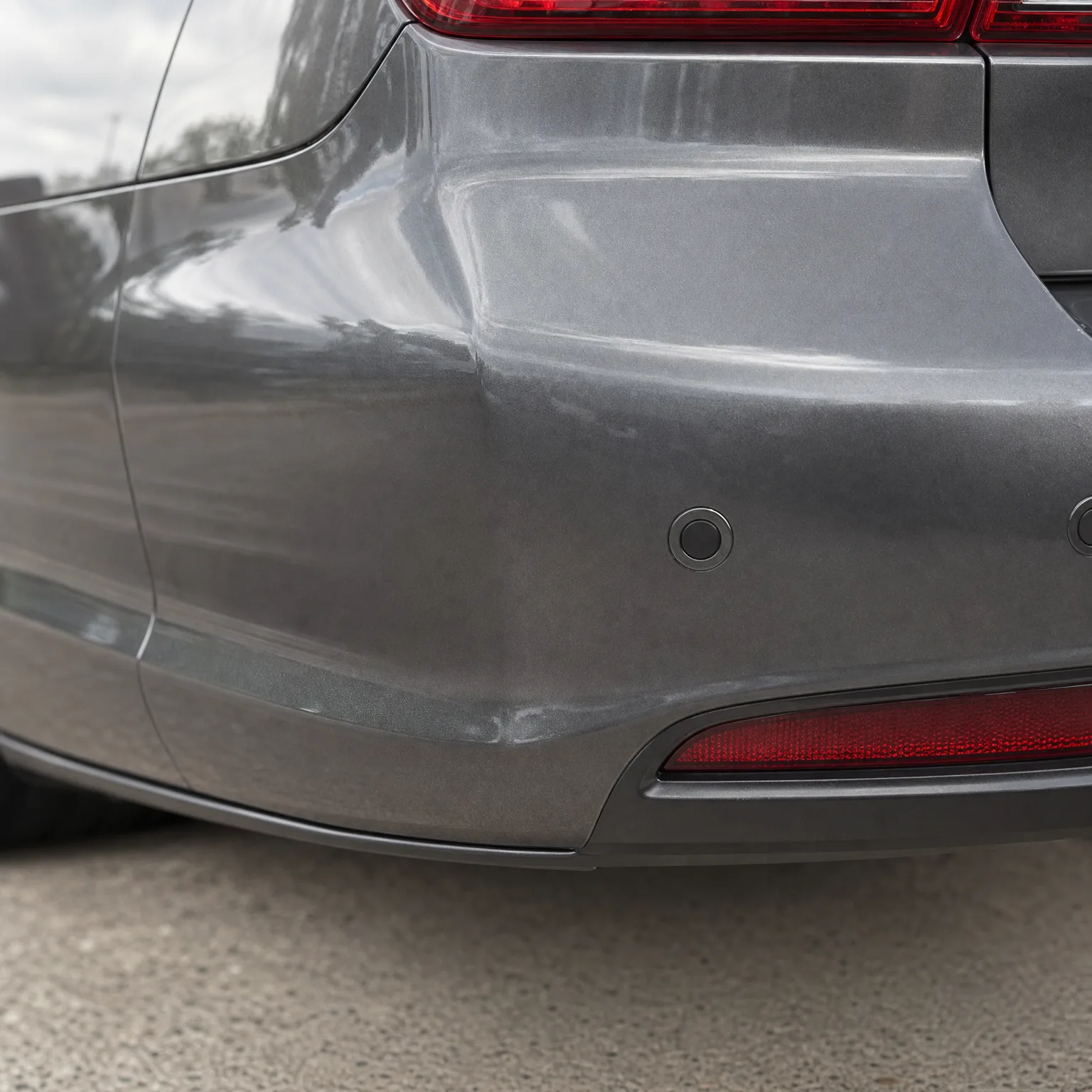
- Vehicle damage, in some policies Where uninsured motorist property damage is offered, it can pay to repair your car instead of going through your own collision coverage.
Doesn't cover
- Damage from potholes or weather This coverage only responds when another driver is at fault. Collision or comprehensive coverage handles damage with no other driver involved.
- Your own driving mistakes If you're at fault, this coverage doesn't apply at all. Your liability coverage handles what you owe the other person.
- An underinsured driver's full gap, automatically That's a related but separate coverage, underinsured motorist, and some policies don't include it unless you ask.
- Damage to someone else's property This coverage is about what happens to you and your car, not damage you cause to others, which your liability coverage handles.
- Mechanical breakdowns A car that simply fails or breaks down isn't a crash with another driver, so this coverage has nothing to do with it.

For most older drivers, this coverage is worth keeping
The math behind this coverage doesn't change much with age, but your situation around it often does. If your car is paid off and worth modestly less than it used to be, you may lean less on the property damage piece and more on the medical and injury protection, which matters at any vehicle value.
Think about what a serious injury claim would do to your savings if the other driver had nothing to offer. Recovery tends to take longer later in life, and the costs of care can run higher for longer. That alone is a strong reason to keep this coverage rather than drop it to save a small amount.
How much you drive matters too. If you've cut back to short local trips, your exposure is lower, but it isn't zero. A driver with no insurance is just as likely to run a light near your house as on the highway.
Where the car sits overnight and who else drives it are smaller factors, but worth a look. If a grandchild or caregiver uses the car regularly, this coverage protects them as well as you.

How a claim actually works
Most policies apply a deductible to the property damage portion of this coverage, but the medical and injury portion usually doesn't have one. You'll want to check which applies on your policy, since it changes what you'll be asked to pay upfront.
A claim starts like any other. You report the crash, and your insurer investigates to confirm the other driver had no valid insurance, which can take some back and forth if the other driver is unreachable or the policy is in dispute. Having a police report, photos, and the other driver's information ready speeds this along considerably.
The payment is meant to put you back where you were before the crash, covering medical costs, lost income, and vehicle damage where that applies. It won't cover costs unrelated to the crash, and it won't exceed the limits you chose when you bought the policy.
If you're unsure what paperwork to keep after any crash, a simple habit helps: photos of all vehicles, the other driver's insurance card if they have one, and the responding officer's report number.
Uninsured motorist vs. underinsured motorist coverage
Uninsured motorist coverage
This applies when the at-fault driver has no insurance at all, or can't be identified, as in a hit-and-run. It fills the entire gap left behind.
Underinsured motorist coverage
This applies when the at-fault driver has insurance, but not enough to cover what you're owed. It pays the difference between their limits and your actual costs.
Most drivers benefit from carrying both, since you can't control which kind of driver hits you.
Real situations
You're stopped at a light and a driver without insurance rear-ends you, injuring your neck and back.
This coverage pays for your medical treatment and lost income since the other driver has no insurance of their own.
A deer runs into the road at dusk and you swerve into a ditch, damaging your car with no other vehicle involved.
This coverage doesn't apply here since there's no other driver at fault; comprehensive coverage would handle this instead.
A driver runs a stop sign, hits your car, and takes off before you can get their information.
This coverage pays because an unidentified hit-and-run driver is treated the same as an uninsured one.
Now that you know what this coverage protects, you can compare quotes with confidence about whether to keep it, raise it, or add the underinsured version alongside it.
Questions people ask about this
Do I need underinsured motorist coverage if I already have uninsured motorist coverage?
Yes, they cover different gaps and most drivers benefit from carrying both. Uninsured motorist coverage applies when the other driver has no insurance, while underinsured motorist coverage applies when they have insurance that isn't enough. Check your policy to see if one is listed without the other.
How do I find out if a driver who hit me has insurance?
The police report filed at the scene usually includes the other driver's insurance information if they provided it. Your own insurer will also verify this during the claims process. If the driver fled or refused to share information, that's treated as a hit-and-run for coverage purposes.
Does my insurance rate go up after an uninsured motorist claim?
It depends on your insurer and state rules, since this varies by state and policy. Because the crash wasn't your fault, many insurers treat these claims differently than at-fault claims. It's worth asking your agent directly how this type of claim is handled before you file.
What happens if the uninsured driver is later found to have insurance?
Your claim may shift from uninsured motorist coverage to a standard liability claim against that driver's insurer. Your insurer will coordinate this change and may seek reimbursement for what they already paid you. You shouldn't owe anything extra in this situation.
Is uninsured motorist coverage required by law?
Whether it's required or just offered varies by state, so check your own policy or declarations page to see how it's listed. Some states require insurers to offer it even if you're allowed to decline it in writing. If you're unsure, ask your agent to point out exactly where it appears on your policy.