Hit by an Uninsured Driver in South Dakota
Uninsured motorist coverage pays for your injuries and sometimes your car when the driver who hit you has no insurance at all.
What this coverage pays for
Covers
- Your medical bills If the at-fault driver has no insurance, this picks up your treatment costs instead.
- Lost income Pays for wages you missed while recovering, if the uninsured driver caused the wreck.
- Pain and suffering Covers the non-medical part of a serious injury claim, similar to what you'd pursue against an insured driver.
- Hit-and-run injuries If the driver who hit you took off and can't be identified, this treats the case like an uninsured driver.
- Passenger injuries Covers people riding in your car when an uninsured driver is at fault, not just you.
- Car damage, if you add it Some policies let you add property coverage under this same heading so your vehicle is included too.
Doesn't cover
- Your own car, by default In many setups this coverage is written for injuries only, and damage to your vehicle falls to collision coverage instead.
- An underinsured driver with low limits That situation is usually handled by a related coverage, underinsured motorist coverage, not this one.
- Damage you cause to someone else This only responds when someone else hits you, not when you're at fault in a crash.
- Mechanical breakdown This coverage is about crashes caused by other drivers, not a car that fails on its own.
- Your deductible on other claims It doesn't reduce what you owe elsewhere on the policy, it's a separate payout for a separate kind of claim.
Worth keeping for almost anyone who drives
This is one of the cheapest ways to protect yourself from a driver who has nothing, and that risk doesn't go away as you get older. If anything, a serious injury claim against an uninsured driver can take years to sort out through other means, and you may not have that kind of time or patience to wait on it.
What matters most here is your health and your ability to cover a real injury claim, not the value of your car. Even someone who drives a modest, older vehicle still has a body that can be hurt in a crash, and medical costs don't scale down because the car is old.
How much you drive and where you drive it still matters. Someone who mostly makes short trips around town faces a different exposure than someone who drives rural highways at dusk, where deer and unlit roads raise the odds of a crash with an uninsured or unidentified driver.
Whether this coverage is required, optional, or automatically included varies by state, so check your own policy or declarations page to see how it's actually set up for you.
How a claim actually goes
There's often a deductible if you've added the property damage portion, but the injury portion typically doesn't carry one. You file the claim with your own insurer, since the other driver has no coverage to pursue, and your insurer essentially stands in for the at-fault driver's missing policy.
You'll need to show the other driver was at fault and that they were uninsured, which usually means a police report and sometimes a search showing no policy was found. The payout for injuries covers medical treatment, lost income, and pain and suffering, up to your policy's limit, but it won't pay for anything beyond what you'd have recovered from the other driver if they'd been insured.
Have the crash report, your medical records and bills, and any wage documentation ready when you file. The clearer the record of what happened and what it cost you, the smoother the claim moves.
Easy to confuse with underinsured motorist coverage
Uninsured motorist coverage
This applies when the at-fault driver has no insurance at all, or fled the scene and can't be identified. Your insurer pays as if they were standing in for that missing policy.
Underinsured motorist coverage
This applies when the at-fault driver has insurance, but their limits are too low to cover your full injury claim. Your policy pays the gap between what their insurer covers and what you're actually owed.
Most people carry both together, since you can't predict in advance whether the driver who hits you will have no insurance or just too little.
Real situations
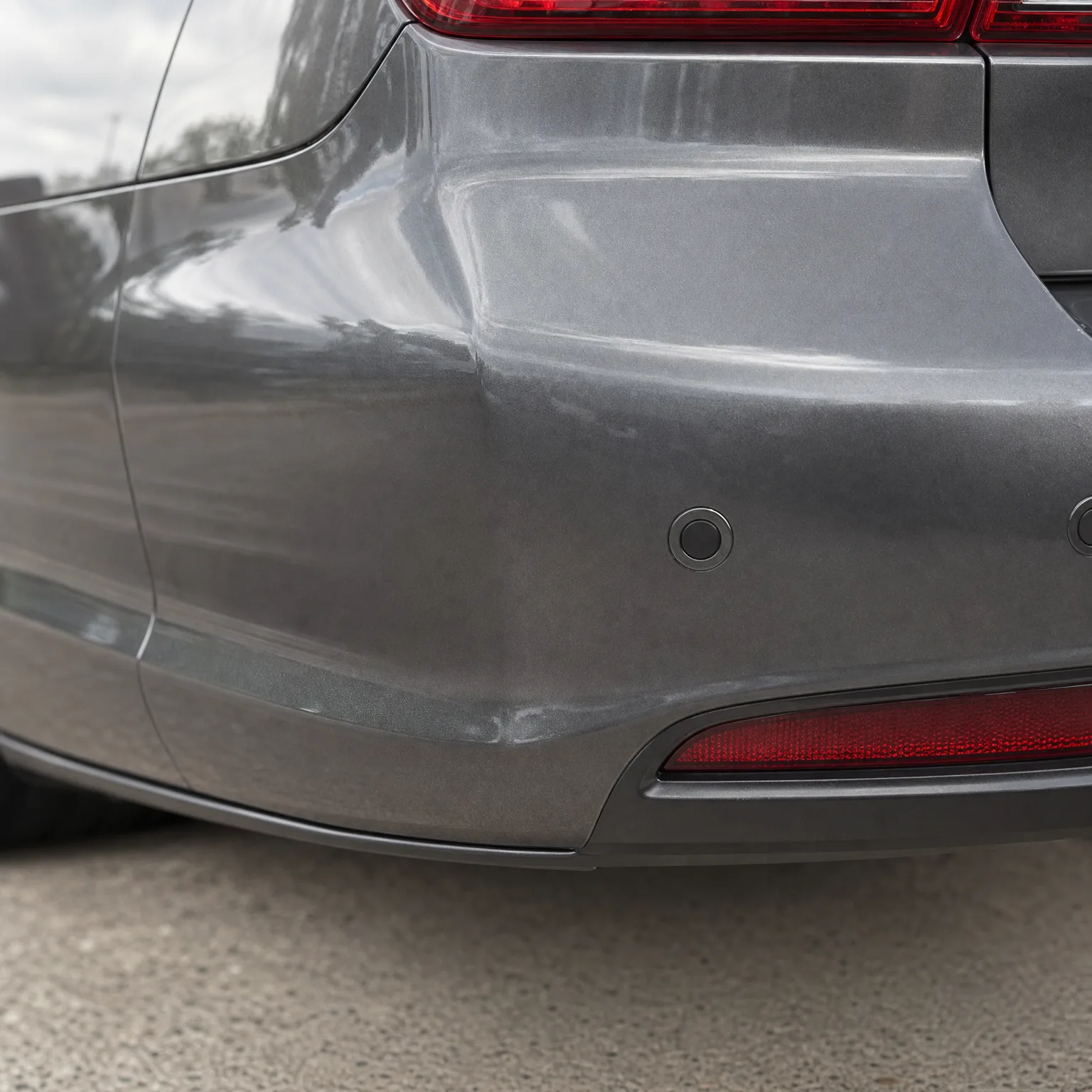
You're stopped at a light and a driver without insurance rear-ends you, leaving you with a sore back and a doctor's visit.
This pays for your medical treatment and related costs since the at-fault driver has no policy of their own.
A deer runs into the road at dusk on a county highway and you swerve into a ditch, damaging your car but hurting no one.
This doesn't apply here, since no other driver was involved, that kind of damage falls under comprehensive coverage instead.
Someone sideswipes your car in a parking lot and drives off before you can get a license plate.
This applies, since an unidentified hit-and-run driver is treated the same as an uninsured one for injury claims.
Now that you know what this coverage protects and what it leaves out, compare quotes with your limits already decided.
Questions people ask about this
How much uninsured motorist coverage should I carry?
Most people match it to their liability limits, since a serious injury claim can easily use up a low limit. Think about how much of your own savings you'd want to protect if you were badly hurt by someone with no insurance at all. Your agent can show you how the cost changes at different limit levels so you can weigh it yourself.
Does uninsured motorist coverage raise my rates if I use it?
It can, though it depends on your insurer's rules, since you weren't at fault in the crash. Some companies treat these claims differently from at-fault claims precisely because the other driver caused the loss. Ask your agent directly how your policy handles it before you file, so there are no surprises.
What happens if the uninsured driver is found later?
Your insurer may pursue reimbursement from that driver directly, through a process separate from your claim. You typically keep whatever your policy already paid you, and any recovery goes toward what your insurer paid out. This doesn't usually involve any extra work on your part.
Is uninsured motorist coverage the same as collision coverage?
No, they protect different things and often work together. Collision coverage pays for damage to your own car regardless of who caused the crash, while uninsured motorist coverage is mainly about injuries when the at-fault driver has no insurance. Check your declarations page to see whether you have one, both, or neither.
Can I be denied uninsured motorist coverage because of my age?
Coverage eligibility isn't based on age the way some people assume, it's based on the policy you choose and what's available where you live. What can change with age is how insurers view your driving record or health history in setting a price. If you're unsure why your coverage looks a certain way, ask your agent to walk through your specific policy with you.