Hit by an Uninsured Driver in North Dakota
Uninsured motorist coverage pays for your injuries and sometimes your car when the driver at fault has no insurance at all.
What it actually pays for
Covers
- Your medical bills Treatment, follow-up care and related costs after a crash caused by a driver with no insurance.
- Lost income Pays for work you missed because of injuries from the crash, if you're still working or lose income another way.
- Pain and suffering Covers the harder-to-price part of an injury claim, not just the medical bills themselves.
- Hit-and-run crashes If the other driver takes off and can't be identified, this coverage treats it like they had no insurance.
- A passenger in your car Anyone riding with you who's hurt by an uninsured driver can usually be covered too.
- Family members struck as pedestrians Covers you or household members if hit by an uninsured driver while walking or biking, not just while driving.
Doesn't cover
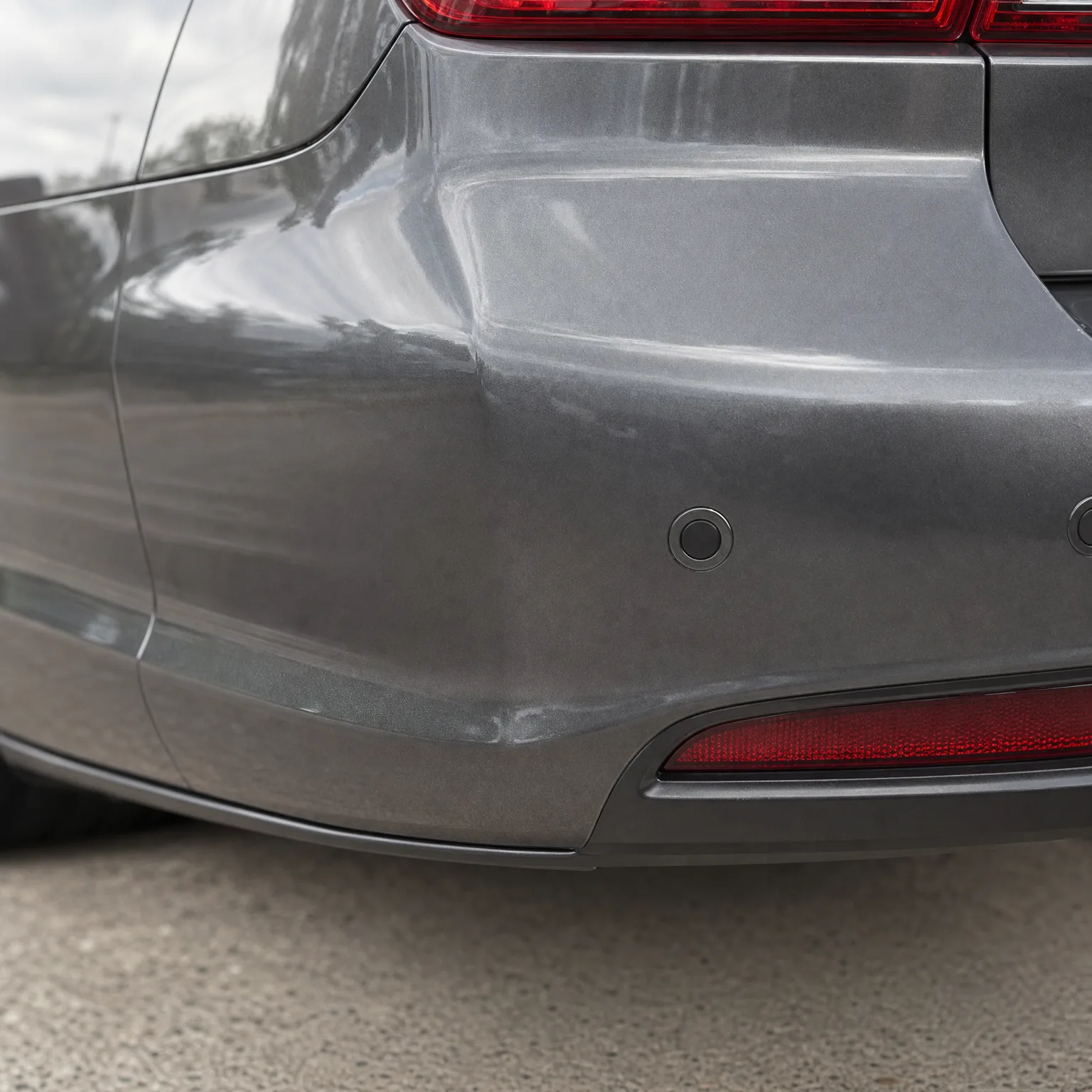
- Your own car's damage That's a separate coverage, usually collision, not this one, which is built around injuries.
- Hitting a deer An animal strike is handled by comprehensive coverage since there's no other driver at fault.
- Your own mistakes If you're the one at fault, this doesn't apply since it only responds to an uninsured driver's fault.
- A driver who has some insurance If the other driver's limits are just too low to cover everything, that's a related but separate coverage for underinsured drivers.
- Vehicle repairs after a hit-and-run That damage is usually paid through comprehensive coverage, not this one.
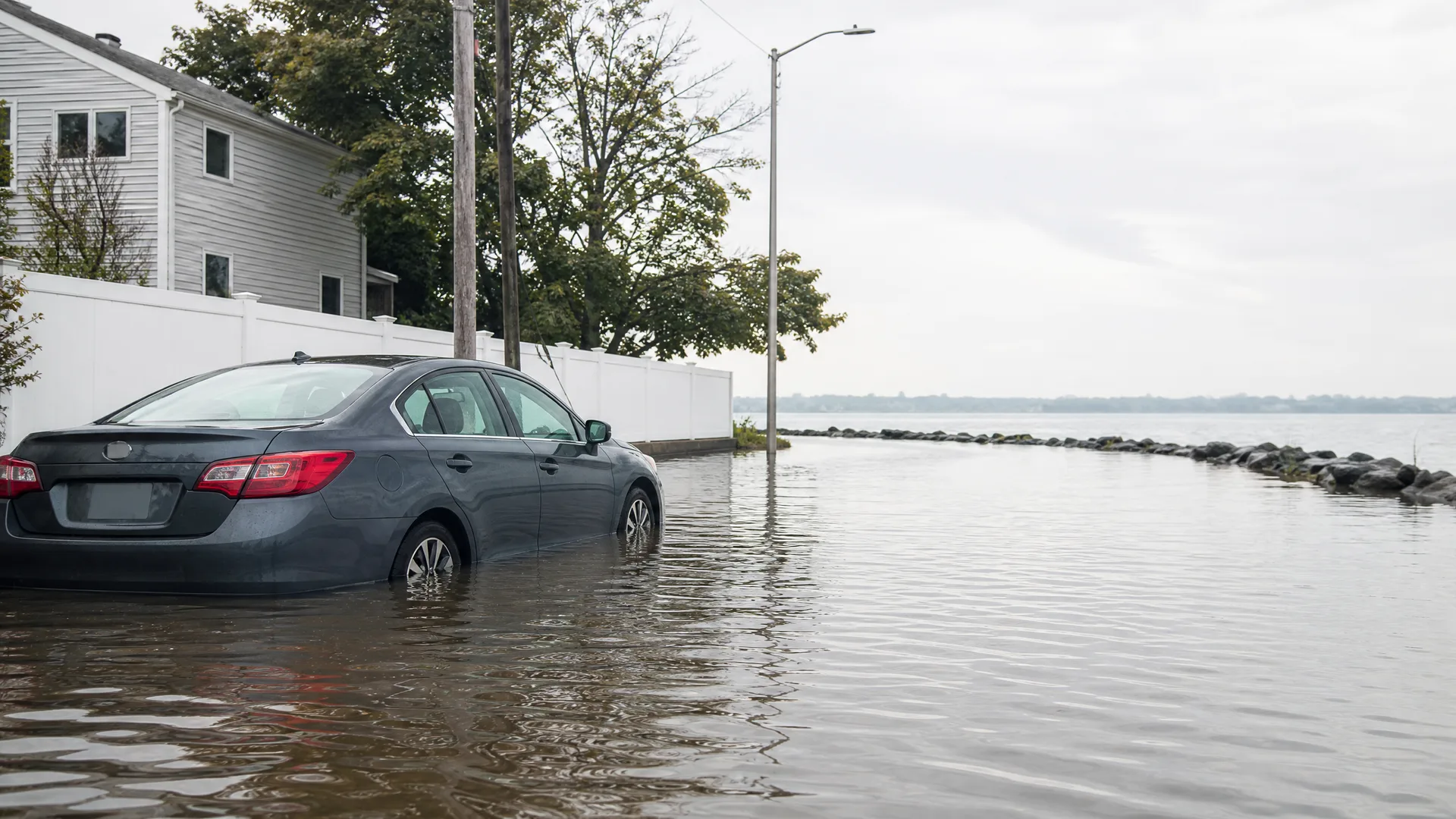
Worth keeping for almost everyone who still drives
This coverage is one of the few that protects you from someone else's bad decision, not your own risk. You can drive carefully for forty years and still get hit by someone with no insurance at all, and at that point your own driving record means nothing.
What matters more here is your health and your finances than the age or value of your car. A serious injury claim can run far beyond what a careless driver without insurance could ever pay out of pocket, and this is the only part of your policy built to step into that gap.
If you still drive regularly, especially longer trips or unfamiliar roads, the exposure doesn't go away as you get older. If anything, recovery from an injury tends to take longer and cost more as you age, which makes this coverage more relevant, not less.
Whether this is required or automatically offered varies by state, so check your own policy or declarations page to see how it's set up and at what level.
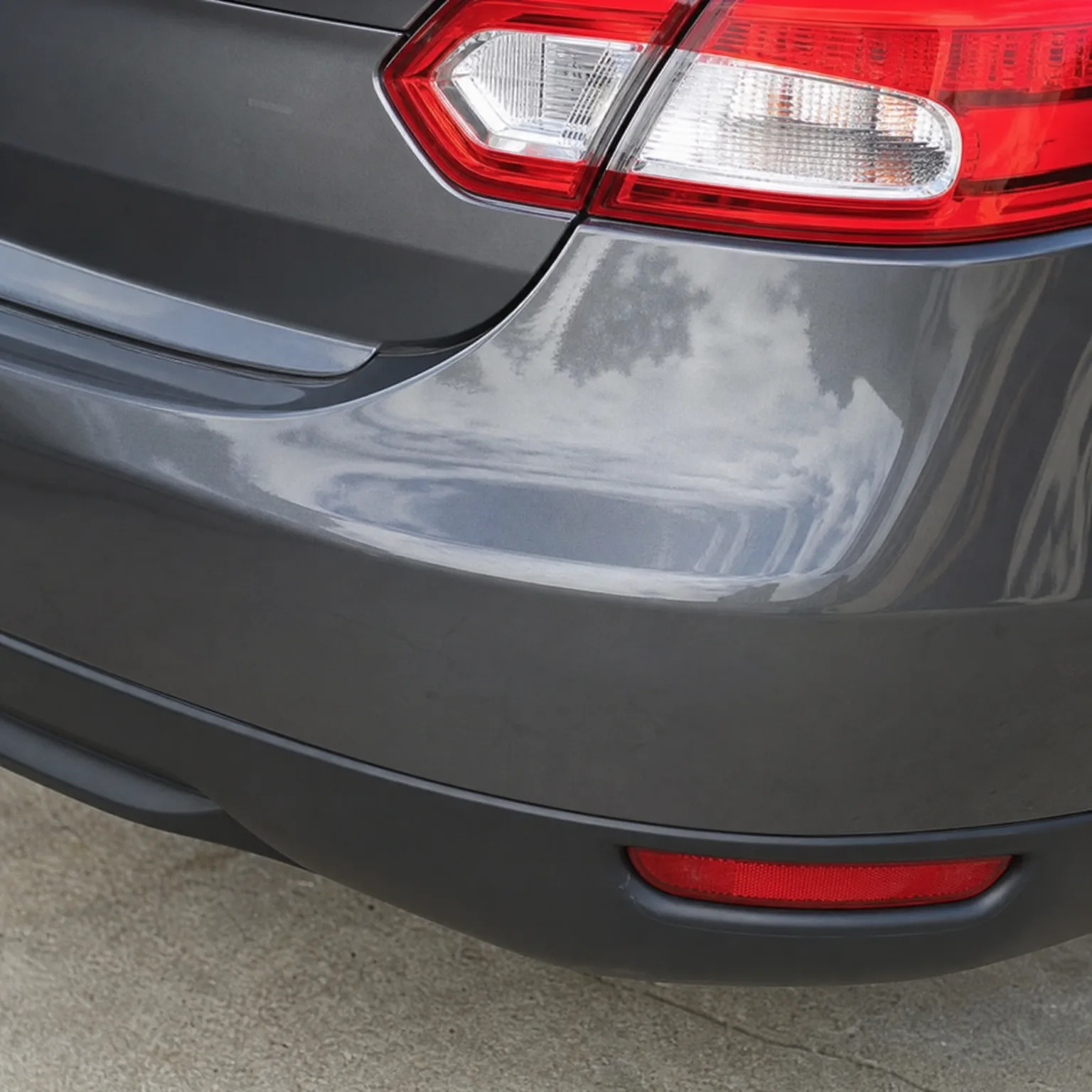
How a claim actually goes
You report the crash to your own insurer, the same way you would with any other claim, even though the other driver caused it. Your insurer investigates to confirm the other driver had no insurance, which can involve checking state records or simply getting a police report that says so.
A deductible may or may not apply depending on how your policy is written, and it's worth checking which pieces of this coverage carry one and which don't. Once it's confirmed the other driver was uninsured, your insurer evaluates your injury claim much like a liability claim, factoring in medical costs, lost income and the severity of the injury.
Have the police report, any medical records, and documentation of missed work ready, since those drive how the claim is valued. Payment typically goes toward your medical bills and related losses directly, not toward vehicle repairs, which fall under a different part of your policy.
Easy to confuse with underinsured motorist coverage
Uninsured motorist coverage
Applies when the at-fault driver has no insurance at all, or can't be identified, as in a hit-and-run. It steps in completely since there's no other policy to draw from.
Underinsured motorist coverage
Applies when the at-fault driver does have insurance, but not enough to cover your injuries fully. It fills the gap between what their policy pays and what you actually need.
Most people carry both together, and if you're deciding where to set higher limits, lean toward whichever matches how much driving you do on roads where coverage levels tend to run low.
Real situations
You're stopped at a light and a driver without insurance rear-ends you, leaving you with a neck injury that needs physical therapy.
This pays, since the at-fault driver has no insurance to cover your injury costs.
A deer runs into the road at dusk on a county highway and you can't avoid it, damaging the front of your car.
This doesn't pay, since there's no other driver involved and comprehensive coverage handles animal strikes.
Another driver sideswipes your car in a parking lot and drives off before you can get a license plate.
This pays for your injuries, since an unidentified hit-and-run driver is treated the same as an uninsured one.
Once you know whether you want to keep this coverage as is, raise it, or adjust how it's set up, you're ready to compare quotes with that decision already made.
Questions people ask about this
Does uninsured motorist coverage cover my car or just me?
It mainly covers you and your passengers, not vehicle damage. Car damage from an uninsured driver is typically handled by your collision coverage instead, so the two work together rather than one replacing the other.
What happens if the uninsured driver has some assets?
Your insurer may still pursue them to recover what they paid you, a process separate from your claim. You generally don't need to do anything extra once you've filed your claim and provided the documentation they ask for.
Can I be denied uninsured motorist coverage because of my age?
No, this coverage isn't priced or denied based on age the way some health products might be. It's tied to the vehicle and policy, so check your declarations page if you're unsure what you currently carry.
Do I need a police report to file this kind of claim?
Usually yes, especially for hit-and-run situations where there's no other driver to identify. A report helps your insurer confirm what happened and supports the claim moving forward smoothly.
How is this different from medical payments coverage?
Medical payments coverage pays your medical bills regardless of who caused the crash, while this coverage specifically requires the other driver to be uninsured or unidentified. Some policies include both, and they can work together rather than overlap completely.